Exploring Kuala Lumpur’s Culinary Heritage: The Cultural Significance and Gastronomic Appeal of Malaysian Fish Head Curry at Tugu View Cafe

Malaysia continues to hold a prominent position on the global culinary map, widely recognized by international food critics and travel authorities for possessing one of the most culturally diverse food ecosystems in the world. This extraordinary gastronomic landscape is the product of centuries of cross-cultural exchange, primarily driven by the historical confluence of indigenous Malay traditions, centuries-old influences from Chinese migration waves, and the rich culinary heritage introduced by the Indian diaspora. Furthermore, Malaysia’s exceptional plant and animal biodiversity provides an expansive inventory of native ingredients that seamlessly integrate into these historic cooking methodologies.
Among the vast array of dishes that define this multicultural cuisine, Fish Head Curry stands out as a quintessential representation of the nation’s culinary synthesis. This dish merges South Asian spice-blending techniques with Southeast Asian ingredients and cooking styles. To examine the modern socio-culinary manifestation of this tradition, observers frequently look to specialized dining establishments within the capital city of Kuala Lumpur. Notably, the Tugu View Cafe—situated near the historic Tugu Negara (National Monument)—serves as a focal point for understanding how traditional Malaysian dining formats, such as the ubiquitous nasi campur, continue to preserve and promote heritage recipes for both local patrons and international visitors.
The Evolution and Cultural Mechanics of Nasi Campur
The culinary framework of the Tugu View Cafe relies heavily on the tradition of nasi campur, a Malay phrase translating literally to "mixed rice." Regarded by regional food historians as one of the most popular and efficient lunchtime formats across Malaysia, Indonesia, and neighboring Southeast Asian nations, nasi campur is designed to offer maximum dietary variety in a single serving.
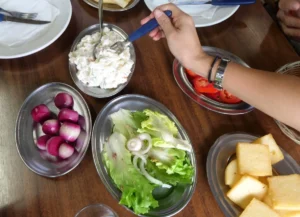
The dining mechanism is buffet-style: patrons begin with a generous base of steaming white rice and subsequently curate a diverse plate by selecting from an assortment of prepared proteins, vegetable dishes, and gravies. Standard options at establishments like Tugu View Cafe typically include creamy and spiced coconut-based curries, protein-rich soups, whole fried or braised fish, and an array of locally harvested fresh or steamed vegetables.
Culinary anthropologists note that nasi campur reflects the communal and egalitarian nature of Malaysian dining culture. The practice of layering multiple distinct flavor profiles—ranging from pungent sambals to sweet, soy-braised meats and fiery gulai—onto a single plate encourages an exploration of textures. Furthermore, traditional consumption practices often involve eating with the right hand, a method that tactilely connects the diner to the food while facilitating an intuitive understanding of food temperature and texture.

The Culinary Anatomy of Malaysian Fish Head Curry
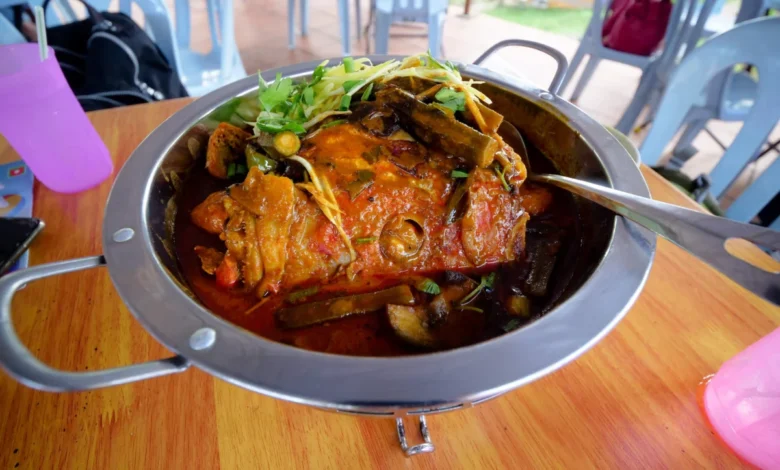
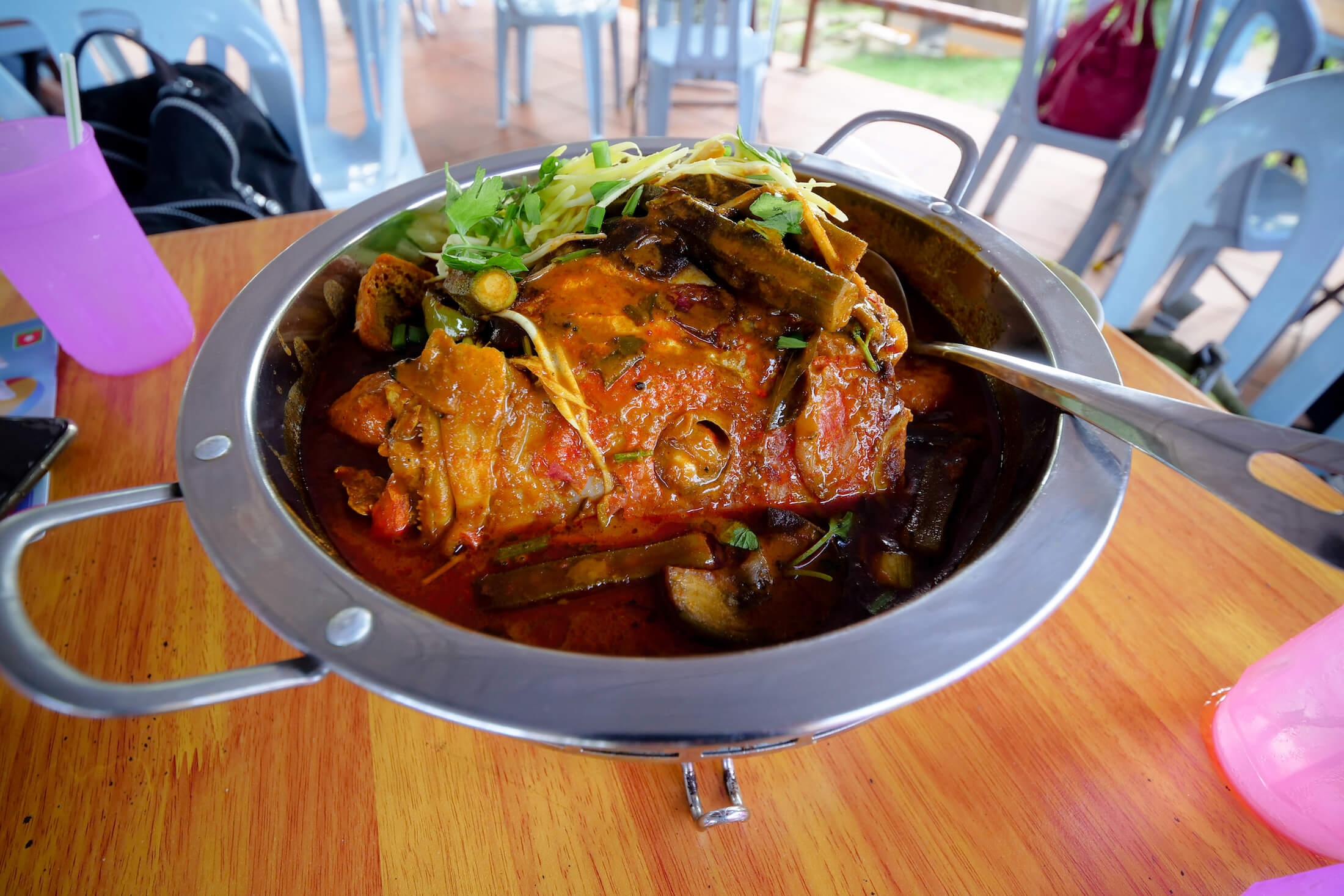
While the nasi campur buffet provides the daily foundation for the cafe’s clientele, the establishment’s primary gastronomic draw is its specialty Fish Head Curry. The dish utilizes the head of the Red Snapper, locally known as Ikan Merah, an indigenous marine fish favored for its dense bone structure and substantial meat yield.
From a culinary perspective, utilizing the fish’s head in curry preparation is grounded in both flavor chemistry and culinary tradition. The cranial structure contains intricate muscle groups, including the cheeks, the flesh surrounding the eyes, and the gelatinous membranes near the collar. These areas are characterized by higher fat content and connective tissues, which, when subjected to slow simmering in a spiced curry broth, release collagen and enrich the liquid with a velvety texture and deep umami profile.
The curry base typically incorporates a complex paste (rempah) composed of dried and fresh chilies, shallots, garlic, ginger, turmeric, and fenugreek seeds, tempered in oil before being simmered in coconut milk and tamarind juice (asam). This combination yields a distinct balance of heat, acidity, and richness. Standard additions to the pot include whole okra (lady’s fingers), tomatoes, and firm tofu squares, which absorb the aromatic broth during the cooking process.

Historical and Geographic Context of the Tugu View Cafe
The Tugu View Cafe derives its name and geographic significance from its proximity to the Tugu Negara, or National Monument. Located on a prominent hillside within the verdant expanse of the Perdana Botanical Garden (formerly known as the Lake Gardens) in Kuala Lumpur, the monument was commissioned in 1963 and designed by Felix de Weldon to commemorate the soldiers who lost their lives during Malaysia’s struggle for freedom, most notably the Malayan Emergency (1948–1960).
The surrounding precinct functions as a national heritage zone, housing several key historical and cultural landmarks, including the National Mosque (Masjid Negara) and the old Kuala Lumpur Railway Station. The integration of a traditional dining establishment within this civic and historical landscape underscores the intersection of public memory and culinary tourism in modern Malaysia.
Logistically, the cafe occupies a strategic position that bridges urban tourism and local daily life. While primarily frequented by local workers, civil servants, and domestic visitors exploring the parklands, the venue occasionally captures international tourists navigating the Lake Gardens precinct. Access to the cafe requires traversing specific pathways and staircases near the hillside, presenting a physical layout that contributes to its distinct, somewhat hidden-gem status away from heavily commercialized tourist strips.

Economic and Operational Profile
Operating within the competitive food and beverage sector of Kuala Lumpur, establishments like Tugu View Cafe navigate specific economic parameters to maintain viability. The pricing model reflects traditional kopitiam and mixed-rice vendor economics, where meals are priced variably based on protein selection and portion size.
For instance, comprehensive meals featuring specialty items such as a large Red Snapper head curry accompanied by multiple side dishes and beverages generally range in price depending on weight and market rates for seafood—such as a recorded meal total of 144 Malaysian Ringgit (approximately US$35) for a large-format sharing portion intended for multiple diners. Smaller portions are scaled accordingly to accommodate single diners or couples, ensuring accessibility across different socioeconomic brackets.
The operational hours—typically spanning from early morning breakfast service at 7:00 AM through lunch and late afternoon closing around 6:00 PM, with closures on specific days such as Sundays—cater to the standard administrative and recreational rhythms of the capital district.

Broader Socioeconomic Implications of Culinary Tourism
The sustained popularity of traditional dining spaces like the Tugu View Cafe highlights broader trends in Malaysia’s tourism and economic development strategies. Culinary tourism has increasingly been recognized by government bodies, including Tourism Malaysia, as a primary driver of visitor acquisition and cultural diplomacy.
By promoting the multicultural origins of dishes like Fish Head Curry—which demonstrates influences from Malay, Chinese, and Indian cooking traditions—the tourism sector reinforces national narratives centered around multiculturalism and social cohesion. Analysts suggest that the accessibility of diverse, high-quality street food and neighborhood cafe dining serves as an economic equalizer, distributing tourism revenue beyond luxury hospitality sectors and directly into local agricultural, fisheries, and small-business supply chains.
Ultimately, institutions that preserve heritage recipes within urban centers contribute to the intangible cultural heritage of Malaysia. Through the combination of historic locales, traditional preparation methods, and communal dining formats, locations such as the Tugu View Cafe offer both a localized dining experience and a case study in the preservation of Southeast Asia’s complex culinary identity.