The Ultimate Guide to Luxury Dog-Friendly Travel: How to Plan a Seamless Family Vacation with Your Four-Legged Companion

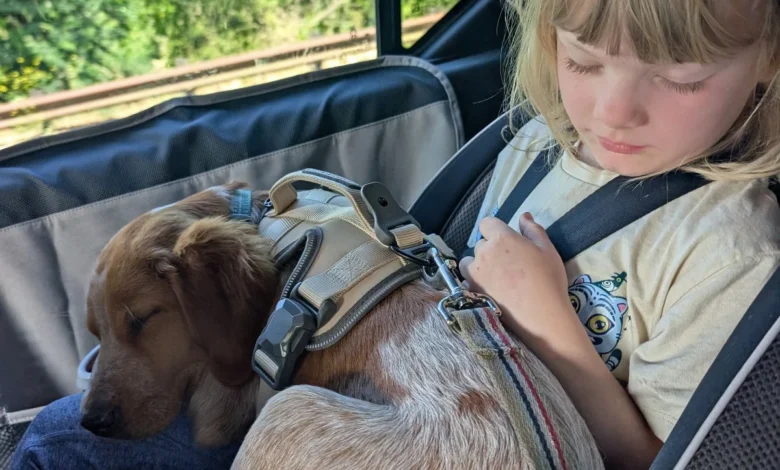
The modern landscape of family travel has undergone a significant transformation, expanding the definition of the family unit to include beloved pets. Traveling with a dog is no longer a logistical nightmare of makeshift arrangements and last-minute boarding decisions; instead, it has evolved into a burgeoning sector of the luxury travel industry. As pet ownership rates soared over the past decade, hospitality leaders have responded by accommodating travelers who refuse to leave their canine companions behind. Integrating a high-energy puppy or an older dog into a multi-stop itinerary—such as a coastal wedding, beach excursions, and woodland hikes—requires meticulous schedule juggling, professional daycare coordination, and a realistic tempering of expectations. However, industry experts and seasoned travelers agree that the rewards far outweigh the preparation. Watching children build sandcastles while a happy puppy runs in circles provides core memories that redefine the family vacation.
The Evolution of Pet-Friendly Luxury Hospitality
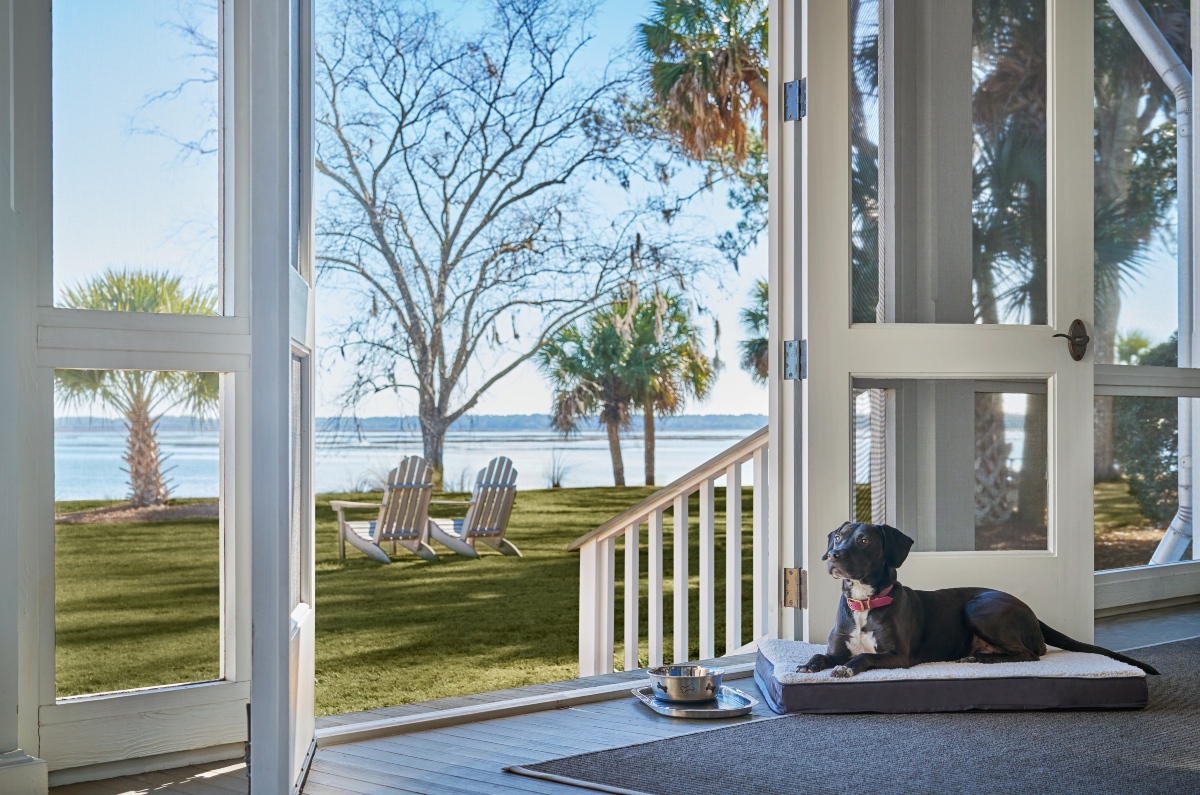
Historically, traveling with pets meant settling for sterile, highway-adjacent motels with restrictive policies and minimal amenities. Today, the luxury hospitality sector has revolutionized the pet travel experience, treating dogs with the same level of care and personalized service traditionally reserved for VIP human guests. High-end hospitality brands—including Montage Hotels & Resorts, Auberge Resorts Collection, Kimpton Hotels & Restaurants, and Four Seasons Hotels and Resorts—have established the gold standard for canine hospitality.

These properties frequently offer tailored amenities that transcend basic pet-friendliness. For instance, Montage Laguna Beach features an exclusive in-room dining menu for pets, offering specially prepared options such as chicken, salmon, beef, and a dedicated filet dish. Similarly, Montage Palmetto Bluff welcomes dogs with house-made gourmet biscuits and provides a dedicated concierge service to arrange neighborhood walks and professional pet-sitting. Across the country, properties such as The Lowell in New York City, Enchantment Resort in Sedona, Arizona, Inn by the Sea in Maine, The Broadmoor in Colorado, and the Ojai Valley Inn in California have curated bespoke programs that ensure pets feel just as pampered as their human counterparts.
Despite these luxurious offerings, industry analysts advise travelers to verify current pet policies, weight restrictions, and associated cleaning fees directly with properties prior to booking. Because policies fluctuate and individual hotel locations maintain distinct guidelines, consulting specialized travel advisors—such as those at Ciao Bambino—can streamline the accommodation selection process for families traveling with multi-generational groups and pets alike.
Logistical Planning: Daycare, Chronology, and Itinerary Integration
A successful vacation with a dog hinges on a balanced itinerary that clearly delineates between family-and-dog activities and adult-only or pet-free events. Establishing a chronological timeline before departure prevents logistical bottlenecks upon arrival. For example, a trip involving formal events, such as a destination wedding, requires advance scheduling for professional pet care during ceremonies and receptions where dogs are not permitted.
Travelers are increasingly relying on nationwide luxury pet resort networks, such as K9 Resorts, which operates over 50 locations across the United States. These facilities offer upscale boarding and daycare services equipped with rigorous evaluation and integration protocols. Dogs are typically separated into playgroups by size and temperament, ensuring a safe and supervised environment. Furthermore, many luxury hotels maintain partnerships with trusted local pet care providers, offering on-site dog-walking and play-session services. Securing these arrangements weeks in advance—complete with up-to-date vaccination records—mitigates arrival stress and guarantees peace of mind for the pet owner.
Navigating Regional Regulations: Beaches, Parks, and Public Spaces
One of the most common pitfalls for travelers unaccustomed to pet-inclusive trips is assuming uniform access to public recreational spaces. Regional regulations regarding dogs on beaches, in parks, and along hiking trails vary drastically by state and municipality.
For instance, travelers hailing from the Pacific Northwest, where the vast majority of public coastal areas permit dogs, often experience regulatory whirlybirds when visiting regions like coastal California. Many California state beaches and local municipalities strictly prohibit dogs on the sand to protect local wildlife and maintain public hygiene. Conversely, specific coastal enclaves—such as Carmel-by-the-Sea, California—have built international reputations for being aggressively dog-friendly, permitting dogs to roam off-leash in designated areas. Consequently, conducting comprehensive pre-trip research regarding local leash laws and restricted zones is critical to avoiding fines and itinerary disruptions.
Transforming Transit: Elevating the Road Trip Experience
For families opting to drive rather than fly, the journey itself presents a significant portion of the vacation experience. Animal behaviorists and veterinary experts recommend transforming long hours in transit from a source of anxiety for the animal into an engaging component of the trip.
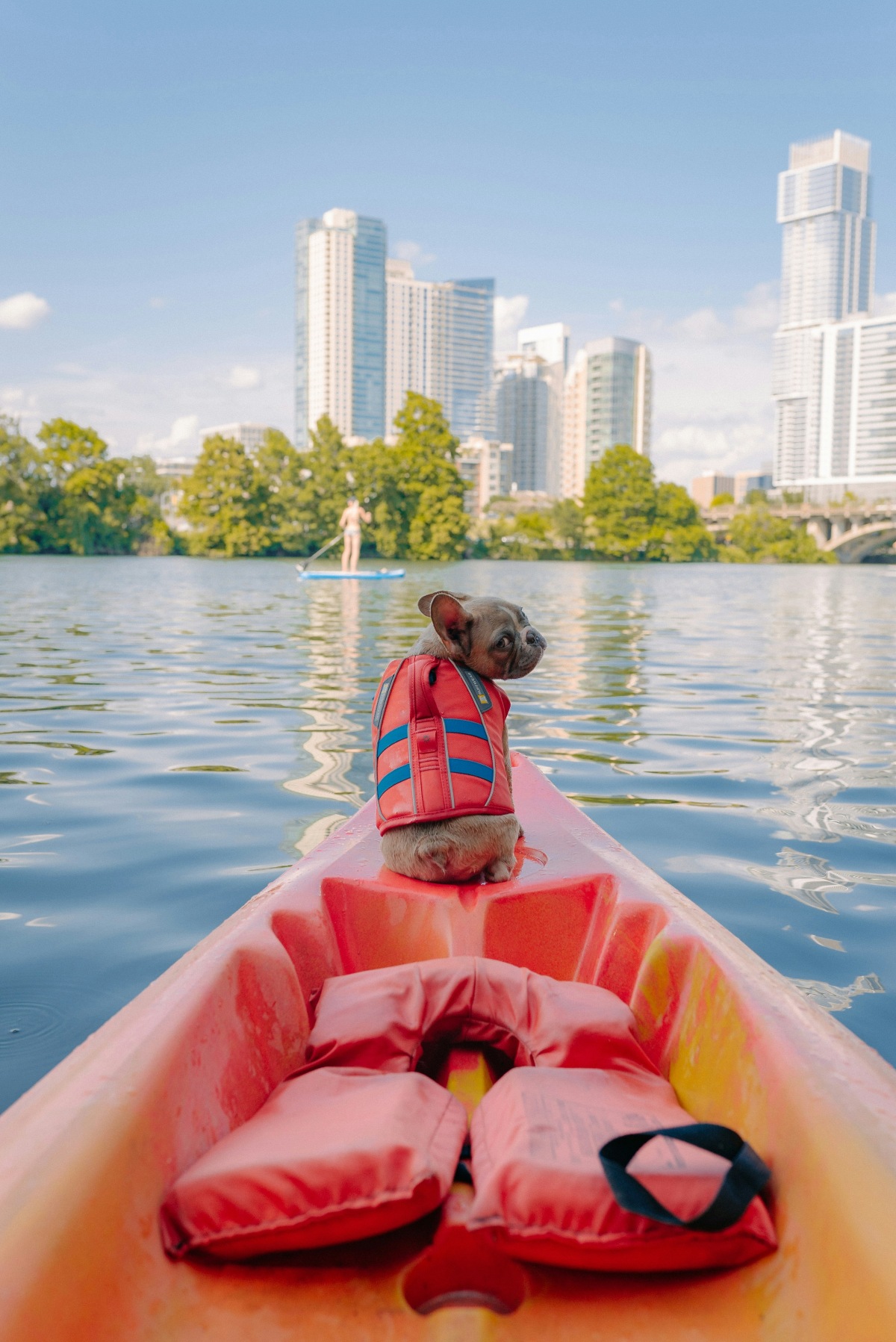
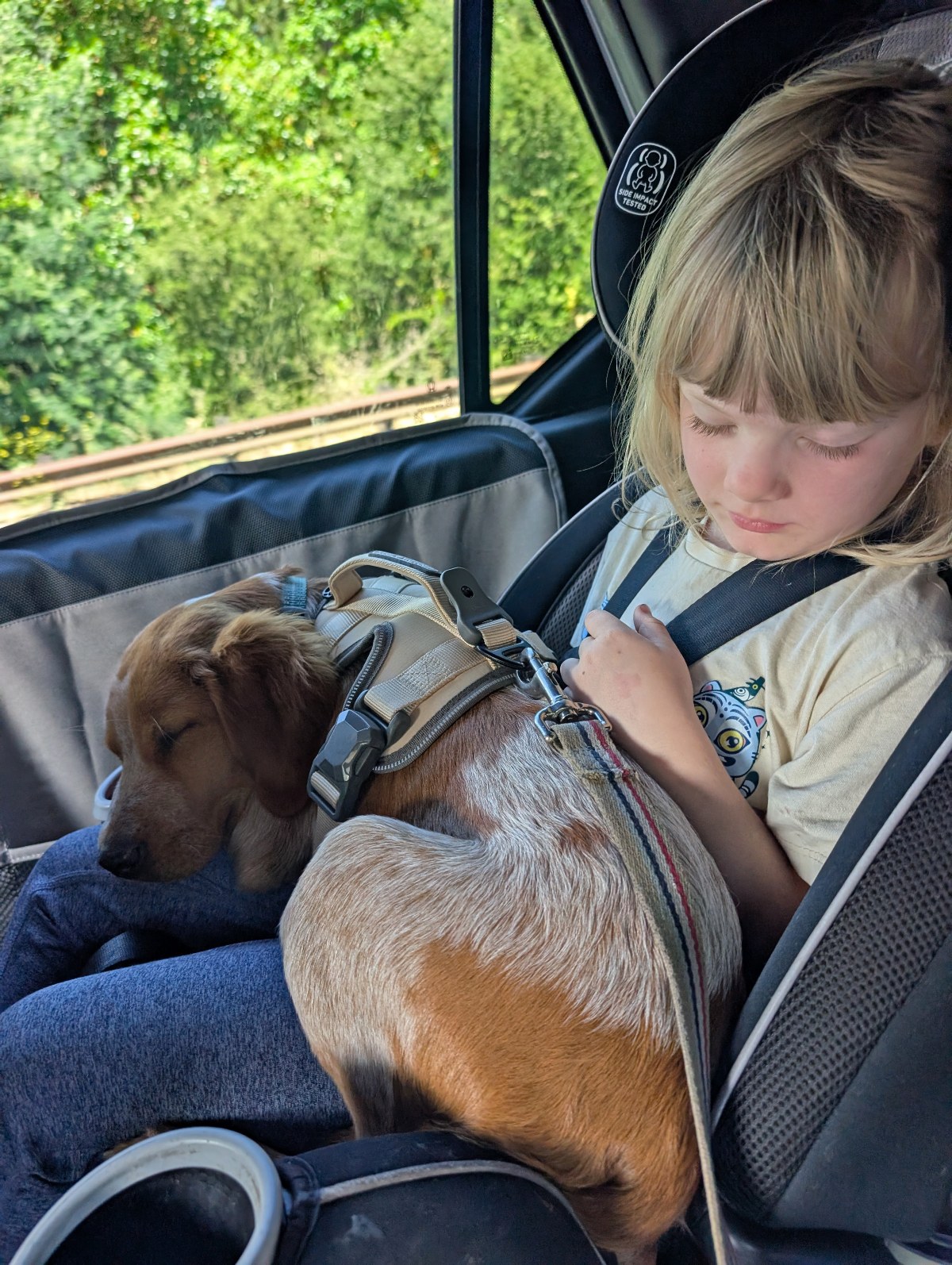
Rather than treating stops strictly as brief roadside bathroom breaks, itinerary planners suggest incorporating extended pauses at regional off-leash dog parks or scenic lakes. These planned diversions allow high-energy pets to expend physical energy, stretch their legs, and participate in family activities like swimming or fetch. Ensuring that safety harnesses, secure crates, and easily accessible water bowls are utilized within the vehicle further ensures a calm and safe environment for both children and pets during extended drives.
The Dining Experience: Patio Culture and Open-Air Hospitality
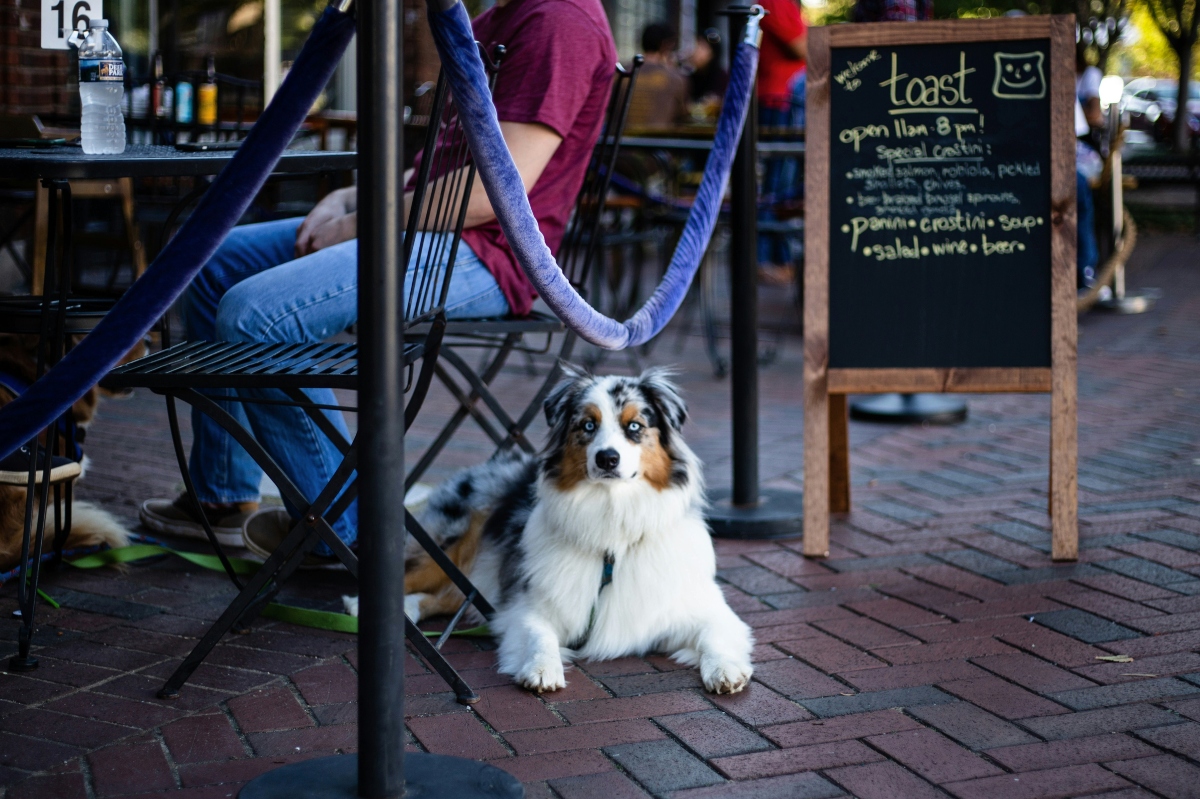
Dining out represents another major logistical consideration when traveling with a dog. Many jurisdictions and health department regulations prohibit live animals inside commercial food preparation and indoor dining establishments, leaving travelers reliant on outdoor patio seating.
Selecting destinations with favorable, temperate climates and robust outdoor dining cultures drastically enhances the travel experience. When restaurants welcome well-behaved dogs on outdoor patios, families can enjoy extended meals without the anxiety of leaving an animal unattended in a hotel room—a practice explicitly prohibited by numerous lodging establishments. In areas lacking dog-friendly restaurant options, travelers are encouraged to utilize local green spaces and parks for family picnics, ensuring the dog remains included in mealtime routines.
Health, Safety, and Veterinary Preparedness
Veterinary and animal welfare organizations, including the American Kennel Club (AKC), emphasize that health and safety preparations must precede any major travel endeavor. Factors such as the animal’s age, breed, physical conditioning, and temperament dictate its capacity to travel comfortably. Brachycephalic breeds, for instance, face heightened risks during air travel and in extreme weather conditions due to respiratory sensitivities.
Before embarking, pet owners should schedule a comprehensive veterinary check-up to ensure vaccinations are current, parasite preventatives are up to date, and microchip contact information is accurate. Carrying a dedicated pet first-aid kit, copies of medical records, and a supply of the animal’s regular food prevents digestive upset and ensures rapid response in the event of a minor injury or illness abroad.
Broader Impact and Industry Implications
The continuous expansion of pet-inclusive luxury travel reflects a broader cultural shift regarding the status of domestic animals within modern households. Pets are increasingly viewed as permanent family members, prompting collateral investments from the tourism, hospitality, and transportation sectors. Airlines, hotels, and tour operators that adapt to this demographic shift by modernizing their infrastructure and service offerings capture an increasingly loyal segment of the consumer market.
Ultimately, transitioning from a stressful pet-travel dynamic to a seamless, memorable experience relies entirely on proactive planning, realistic expectations, and respectful stewardship of public and private spaces. When executed thoughtfully, traveling with a dog enriches the family dynamic, creating enduring memories that resonate across generations and cementing the family pet as an indispensable participant in the art of exploration.