Twenty Years of Autumn Photography: How a Strategic Approach Transforms Seasonal Portfolios

The fleeting window of autumn foliage, often lasting only two to three weeks depending on latitude and elevation, represents one of the most highly anticipated yet challenging periods for landscape photographers. For professional photographers like Kate Garibaldi, who has spent two decades documenting the Northeastern United States’ changing seasons, the primary obstacle is not the scarcity of color, but the tendency to capture repetitive, uninspired imagery. Transitioning from a casual enthusiast to a deliberate visual storyteller requires a departure from reactive photography—simply showing up and hoping for the best—in favor of a highly structured, strategic workflow.
The art of photographing fall color has evolved significantly alongside advancements in sensor technology and post-processing capabilities. Twenty years ago, photographers were constrained by the limited dynamic range of film or early digital sensors, which often struggled to retain detail in the high-contrast lighting of a sun-drenched, colorful forest. Today, the focus has shifted toward composition and intentionality. Industry data suggests that the "leaf-peeping" tourism sector continues to grow annually, putting pressure on photographers to move beyond the iconic vistas that have been documented millions of times on social media.
Developing a Comprehensive Shot List
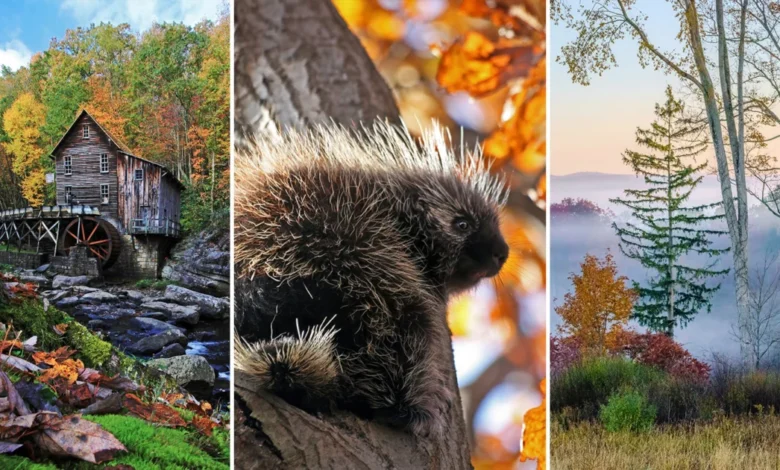
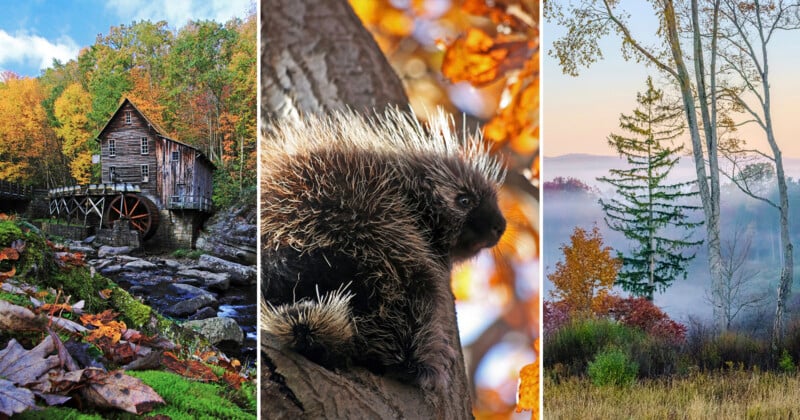
Professional landscape photography thrives on a blend of pre-visualized planning and spontaneous discovery. The most effective way to ensure a diverse portfolio is the creation of a seasonal "shot list." This list serves as a strategic roadmap rather than a rigid script. By categorizing potential subjects—ranging from macro-level forest floor details to wide-angle panoramic vistas—photographers can ensure they are not dedicating an entire season to a single type of composition.
A well-rounded autumn portfolio typically requires a mix of the following elements:
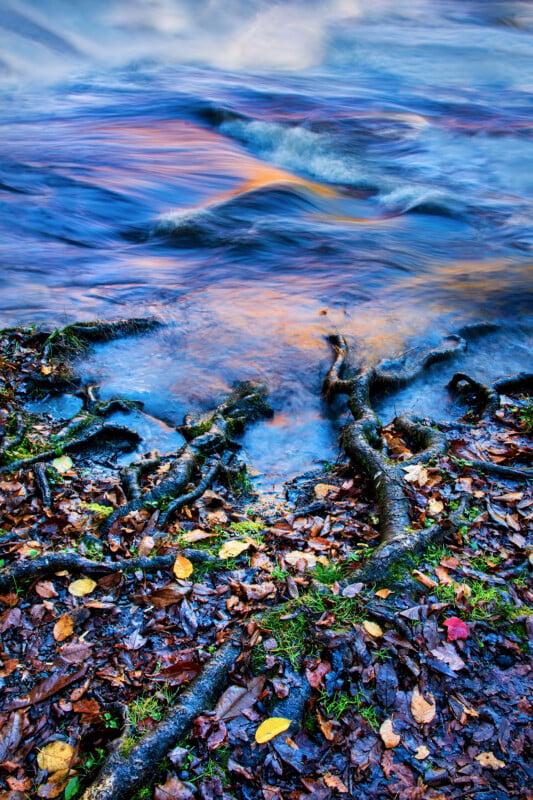
- Macro photography: Focusing on the intricate textures of fallen leaves, moss, mushrooms, and bark.
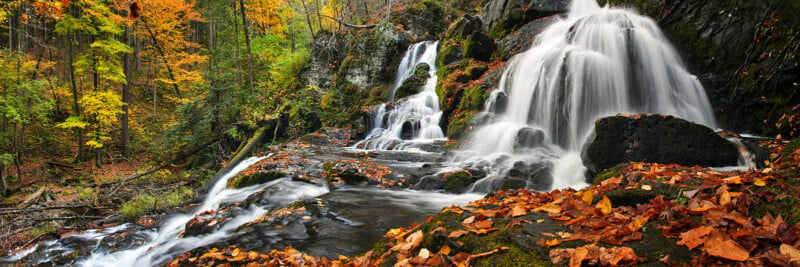
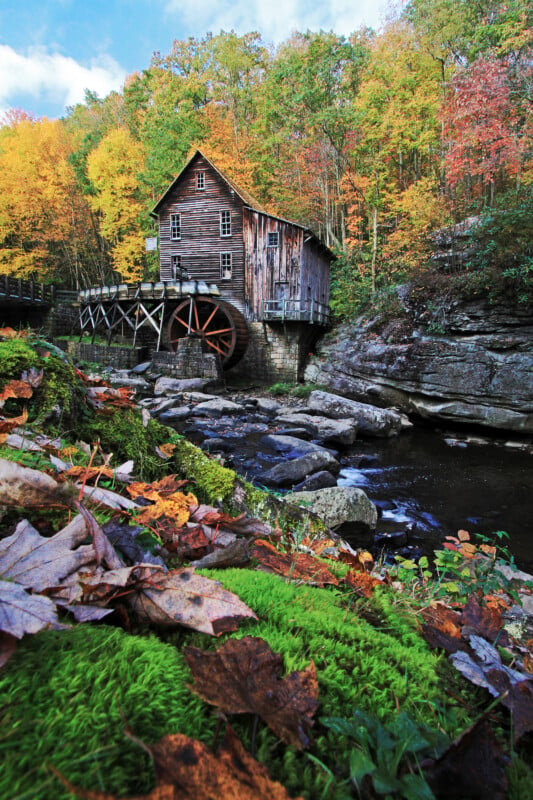
- Water-based long exposures: Utilizing waterfalls and streams to introduce motion blur and leading lines.
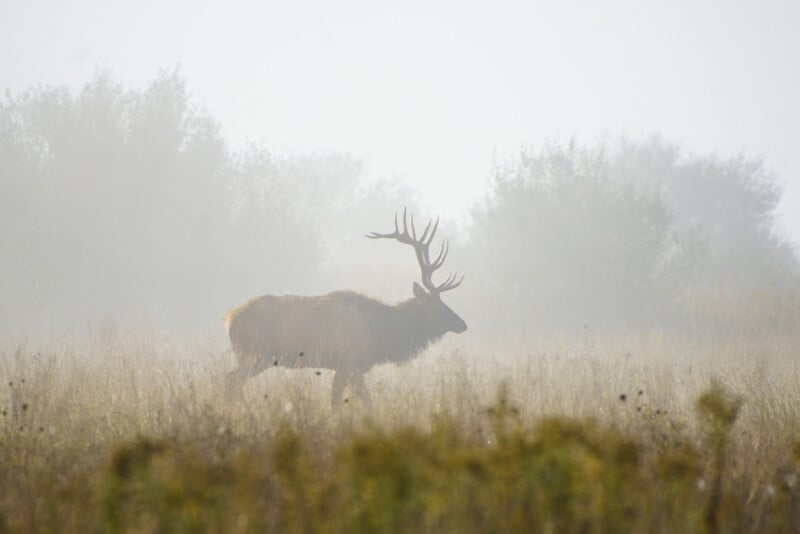
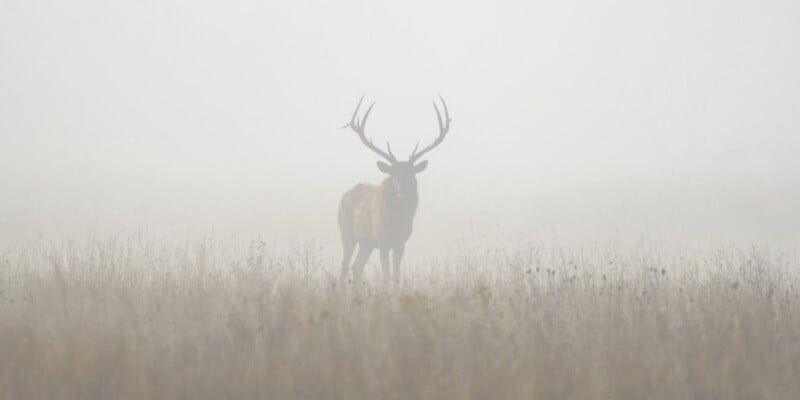
- Environmental wildlife portraits: Capturing fauna within the context of their changing habitat.
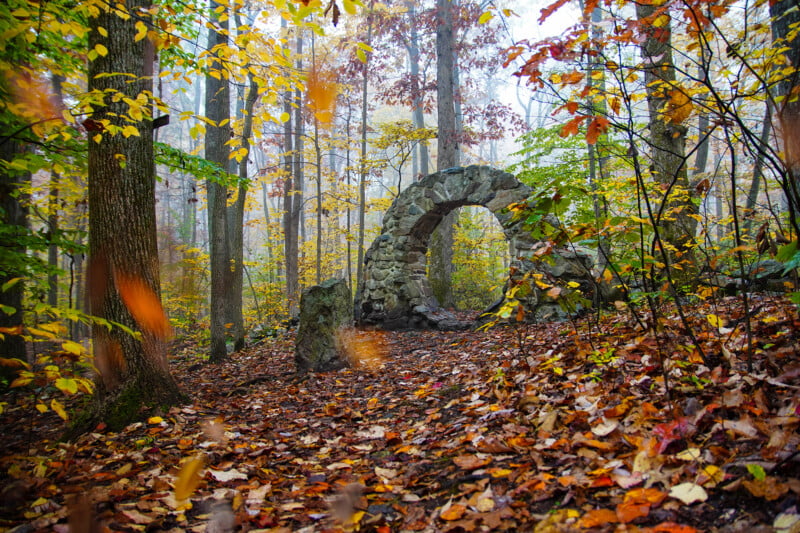
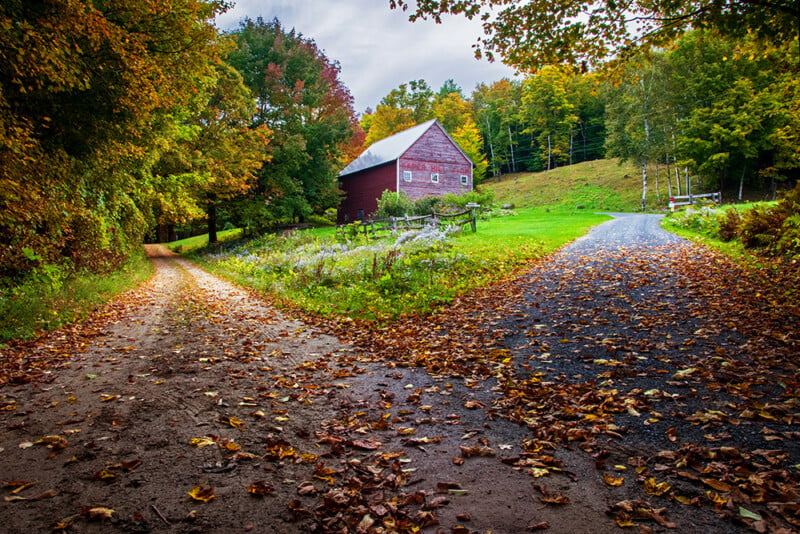
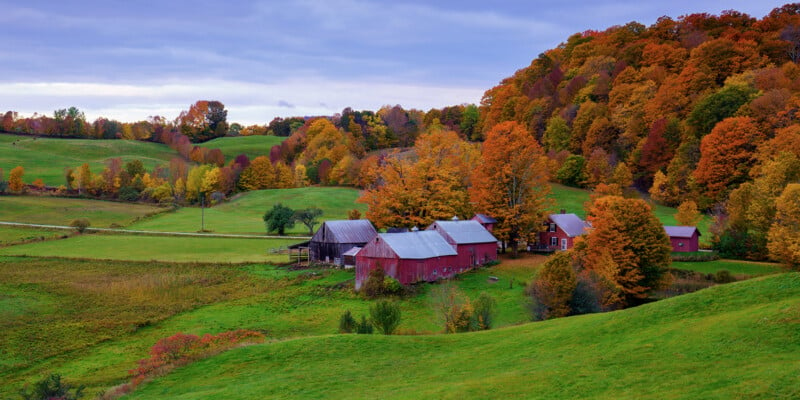
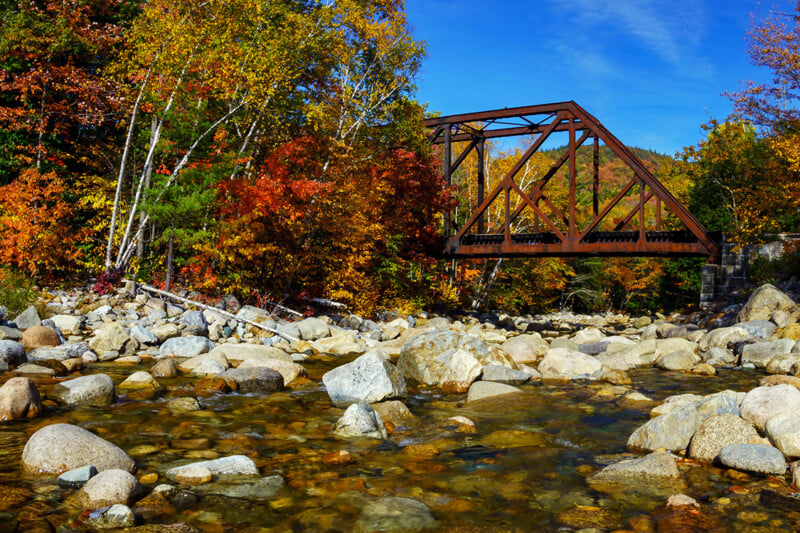
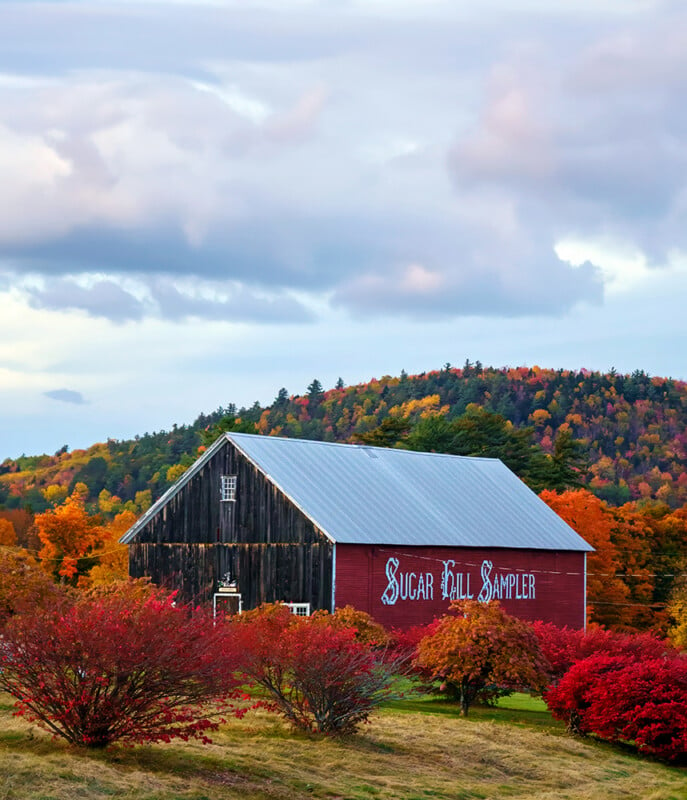
- Cultural architecture: Integrating historical structures like barns, covered bridges, and rural homes that provide a sense of place.
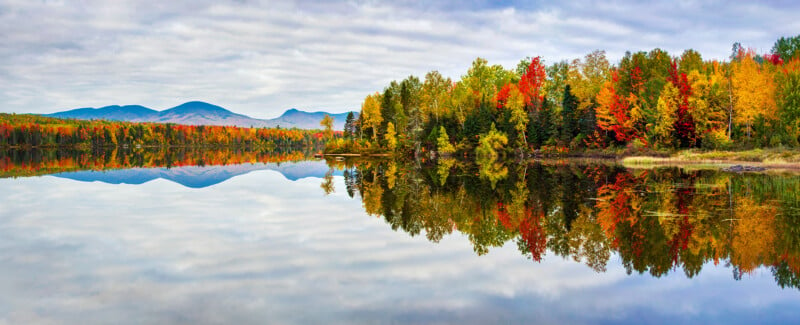
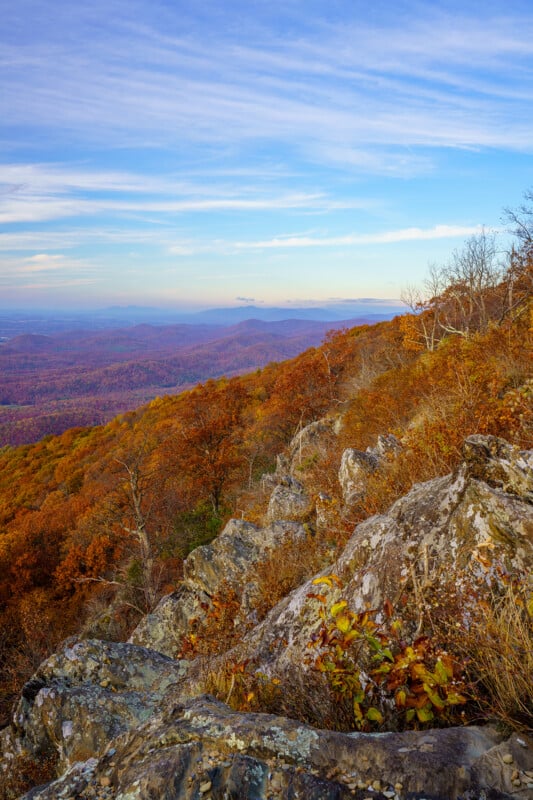
- Expansive vistas: Large-scale mountain or valley views that establish the scale of the changing foliage.
This multi-faceted approach prevents the common pitfall of "visual fatigue," where a photographer returns from a trip with hundreds of variations of the same mountain overlook. Instead, the objective is to build a body of work that reflects the season’s full environmental spectrum.
The Influence of Meteorological Conditions on Gear and Strategy
Successful autumn photography is intrinsically linked to a photographer’s ability to interpret weather patterns. Rather than letting the forecast dictate whether a day is "good" or "bad" for shooting, professional photographers use meteorological data to determine the specific genre of photography they should pursue.
Overcast days are widely regarded as ideal for intimate, small-scale work. Clouds act as a natural, massive softbox, diffusing light and eliminating the harsh, high-contrast shadows that occur during sunny conditions. Under these conditions, a photographer might prioritize macro photography, forest interior compositions, or waterfall visits, where the soft, even light preserves color detail in both foliage and moss.
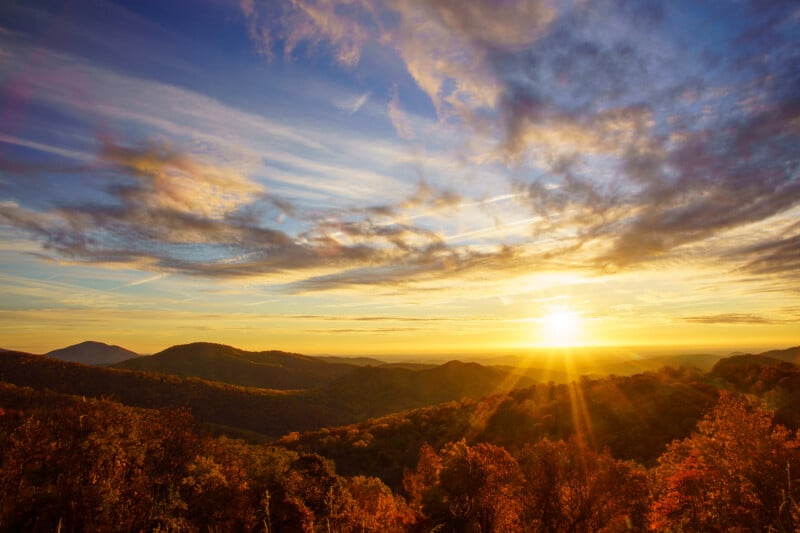
Conversely, high-pressure systems and clear skies are often better suited for grand landscape vistas. During the "golden hour"—the first and last few minutes of sunlight—the low-angle light enhances the saturation of oranges and reds. Furthermore, weather events, such as the period immediately following heavy rainfall, offer unique opportunities. Increased stream flow enhances the drama of waterfalls, while moisture increases the saturation of rock faces and forest foliage, creating high-contrast scenes that are less common in dry conditions.
Strategic Lens Selection as a Creative Catalyst
A common mistake among intermediate photographers is over-reliance on a single "all-purpose" zoom lens. While convenient, this often leads to a static way of seeing a scene. Physically changing lenses—from a wide-angle to a telephoto or macro lens—acts as a psychological reset. It forces the photographer to re-evaluate the landscape and look for different geometric patterns, compression effects, and focal points.
For instance, a wide-angle lens might capture the majesty of an entire forest canopy, but a 90mm or 100mm macro lens can isolate a single, decaying leaf resting on a rock, turning a piece of the forest floor into a high-art abstract. Similarly, a telephoto lens can be used to compress mountain ridges, creating a sense of density and layering that is impossible to replicate with a wide-angle perspective.
Beyond the Icon: Finding Originality in Popular Locations

In the age of digital saturation, popular locations like New England’s covered bridges or specific mountain overlooks face extreme tourist density. The challenge for the modern photographer is to capture these sites in a way that feels unique. This is where the "shot list" strategy proves its worth once more. After securing the expected, iconic photograph of a landmark, the photographer is then free to pivot.

This might involve:
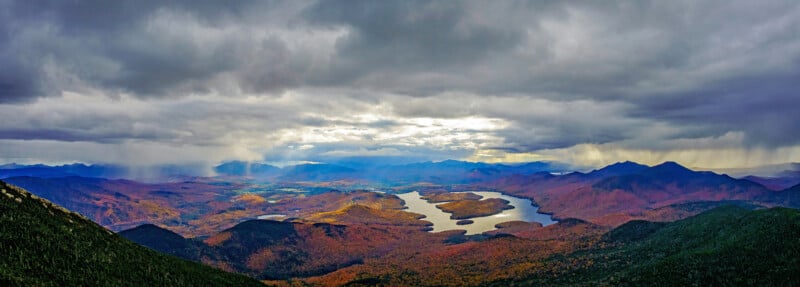
- Changing elevation: Finding a lower angle to incorporate foreground flowers or unique rocks.
- Introducing human elements: Capturing a hiker or a passerby to provide a sense of scale.
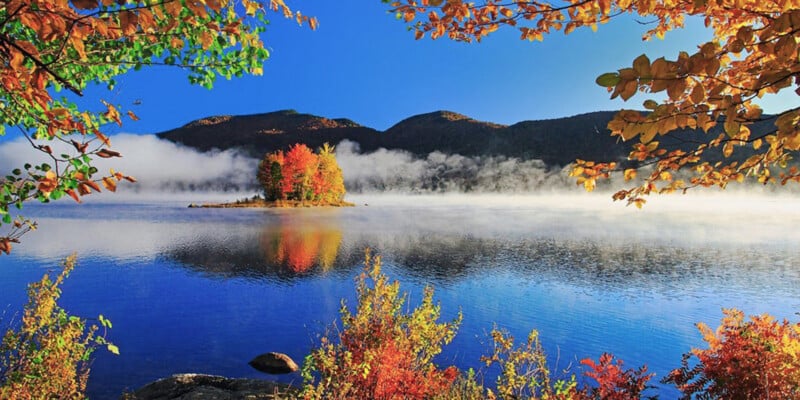
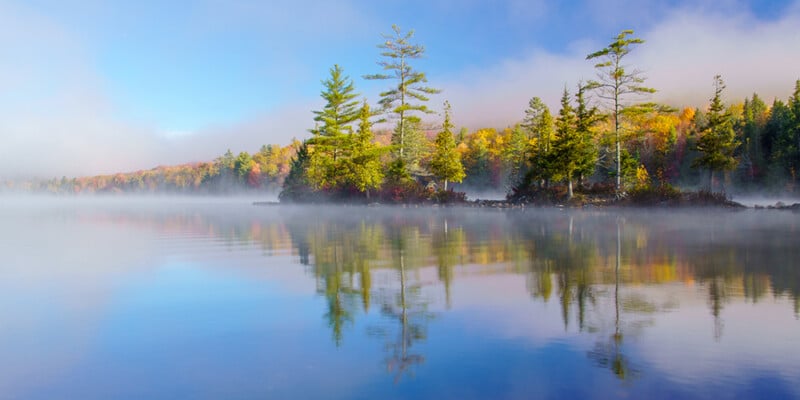
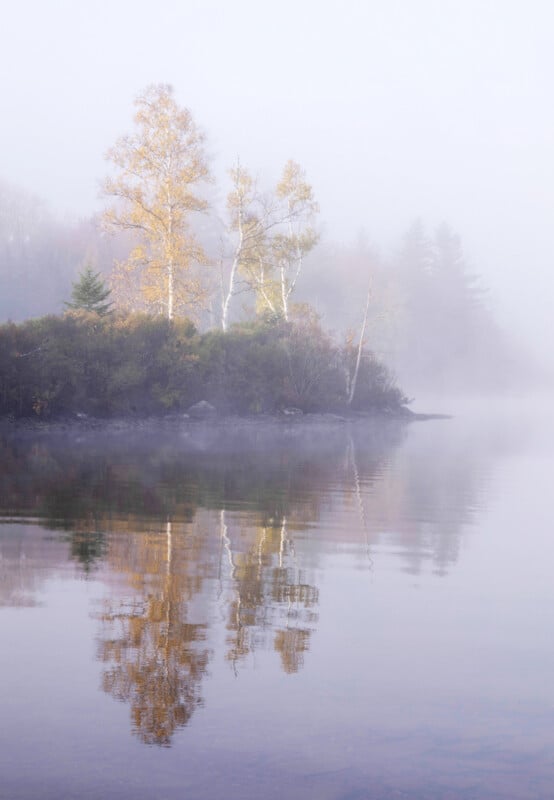
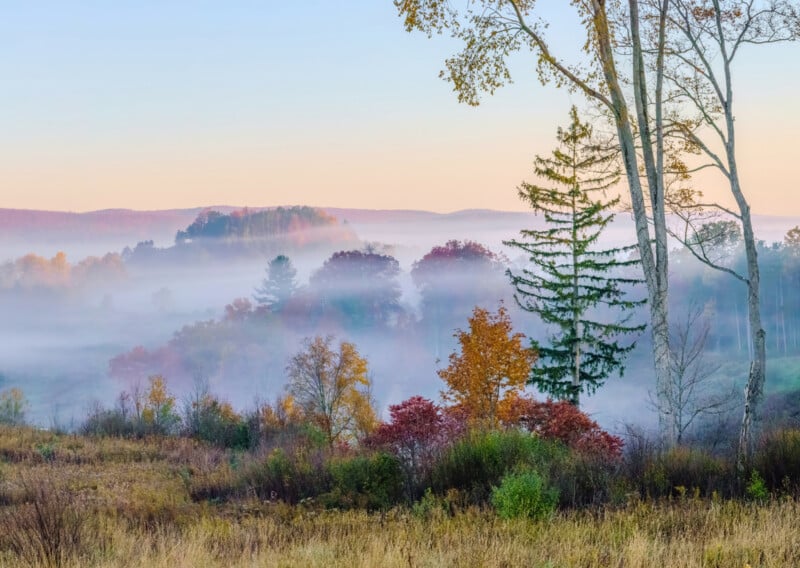
- Utilizing atmospheric depth: Waiting for the onset of morning fog, which can simplify a cluttered background and add a layer of mystery.
This intentional approach transforms a site from a passive backdrop into a dynamic subject. It shifts the focus from "recording a landmark" to "creating a scene."
The Importance of Time and Intuition

Professional-grade photography requires patience—often involving hours of waiting for the right shift in light or the movement of wildlife. The most significant lesson learned over two decades in the field is that a beautiful location does not guarantee a successful image. If a composition is not working—due to flat light, cluttered surroundings, or poor subject placement—it is often more productive to move on than to force a substandard result.
This decision-making process is critical during the short peak-foliage window. By having a pre-planned list of alternative subjects, a photographer can quickly pivot to a different type of work—such as moving from a landscape vista to a waterfall—without feeling that the day has been wasted.
Implications for Modern Landscape Photography
The shift toward a more deliberate, planning-heavy approach to nature photography reflects a broader trend in the field. As high-quality cameras become more accessible, the value of an image is increasingly determined by the photographer’s vision, preparation, and willingness to step off the beaten path.
For enthusiasts, the lesson is clear: the difference between a collection of snapshots and a professional-grade portfolio is not the cost of the equipment, but the depth of the preparation. By balancing the need for iconic imagery with a commitment to exploring the smaller, more intimate details of the environment, photographers can produce work that captures the essence of the season while maintaining a distinct, personal voice.

Ultimately, the fall foliage season is a finite resource. Through rigorous planning, tactical use of weather, and a willingness to diversify one’s perspective, photographers can ensure their work stands out in an increasingly crowded visual landscape. The goal is to document the fleeting beauty of the season while honoring the complexity of the natural world.