The United States possesses a diverse array of natural aquatic environments, ranging from alpine glacial lakes to subterranean springs and oceanic bays. Managing these resources requires a delicate balance between public recreation and environmental conservation. As travel patterns shift toward outdoor-centric tourism, federal, state, and local land managers are increasingly tasked with preserving the ecological integrity of these sites while accommodating a growing number of visitors seeking natural swimming experiences.
Yosemite National Park: Navigating Wilderness Stewardship
Yosemite National Park remains one of the few national parks in the United States that permits swimming in the vast majority of its waterways. The Merced River, a federally designated Wild and Scenic River, serves as the primary artery for aquatic recreation in the valley. While kayakers and rafters frequently utilize the river, swimmers often congregate in calmer stretches, such as the El Capitan Meadow.
However, park officials emphasize that recreational use must not compromise the fragile ecosystem. Environmental regulations strictly prohibit the use of soaps or chemical-based sunscreens in the water, and visitors are required to pack out all waste. The National Park Service (NPS) frequently updates safety protocols, particularly during the spring snowmelt, when water temperatures remain dangerously low and currents are unpredictable.
Florida’s Subterranean and Manatee Sanctuaries
Florida offers a distinct hydrological experience characterized by its limestone karst topography. Devil’s Den, located near Gainesville, is a subterranean spring contained within a 50-foot-deep sinkhole. The site serves as a vital historical and geological research point, housing 33-million-year-old fossil beds and ancient rock formations. Because it is a protected, private, and managed site, access is restricted to those equipped for snorkeling or scuba diving. The consistent 72-degree water temperature is a result of the spring’s deep source, and the steam emitted from the surface—often mistaken for mist—is caused by the thermal differential between the water and the ambient air.
In contrast, the Crystal River National Wildlife Refuge provides a critical habitat for the endangered West Indian manatee. Three Sisters Springs is subject to seasonal closures between November 15 and March 31. During this period, the U.S. Fish and Wildlife Service restricts human entry into the springs to prevent the harassment of manatees seeking refuge in the warm water. Analysis of the refuge’s impact shows that while tourism generates significant local revenue, strict adherence to the Marine Mammal Protection Act is essential to ensure the survival of the species.
The Alpine Waters of Lake Tahoe and Warren Falls
Lake Tahoe, straddling the California-Nevada border, represents a massive inland sea formed by tectonic faulting. As the second-deepest lake in the United States, its water clarity is world-renowned. Sand Harbor, located on the Nevada side, offers a high-traffic recreational area. Land managers here focus on the "Keep Tahoe Blue" initiative, a long-term strategy to combat invasive species and nutrient runoff that threaten the lake’s clarity.
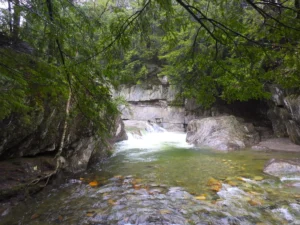
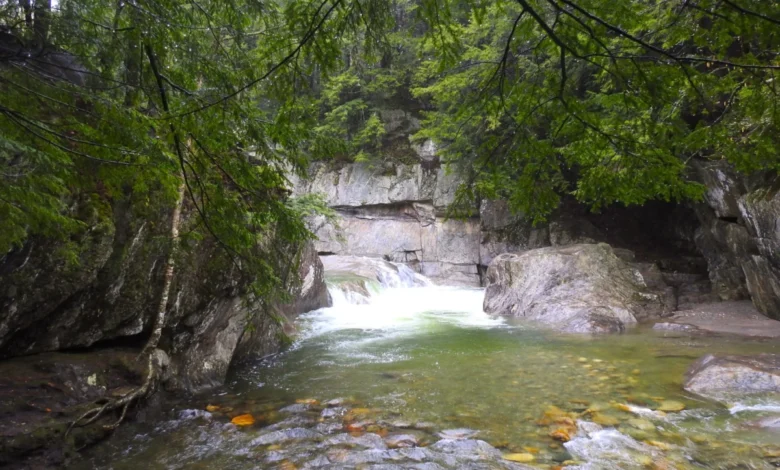
In the Green Mountain National Forest of Vermont, Warren Falls on the Mad River presents a different management challenge. These pools are popular for their emerald, glacier-fed waters. However, the site is prone to congestion, leading the U.S. Forest Service to implement traffic management and safety patrols. The falls are known for cliff jumping, a high-risk activity that has prompted ongoing discussions regarding safety signage and liability within the forest boundaries.
The Logistics of Iconic Destinations: Havasupai Falls
Havasupai Falls, located within the Grand Canyon, serves as a case study in tribal sovereignty and resource management. The falls are situated on the Havasupai Reservation, and access is controlled entirely by the Havasupai Tribe, rather than the National Park Service. The tribe manages a highly competitive permitting system, with entry fees and camping permits costing upwards of $150 per night.
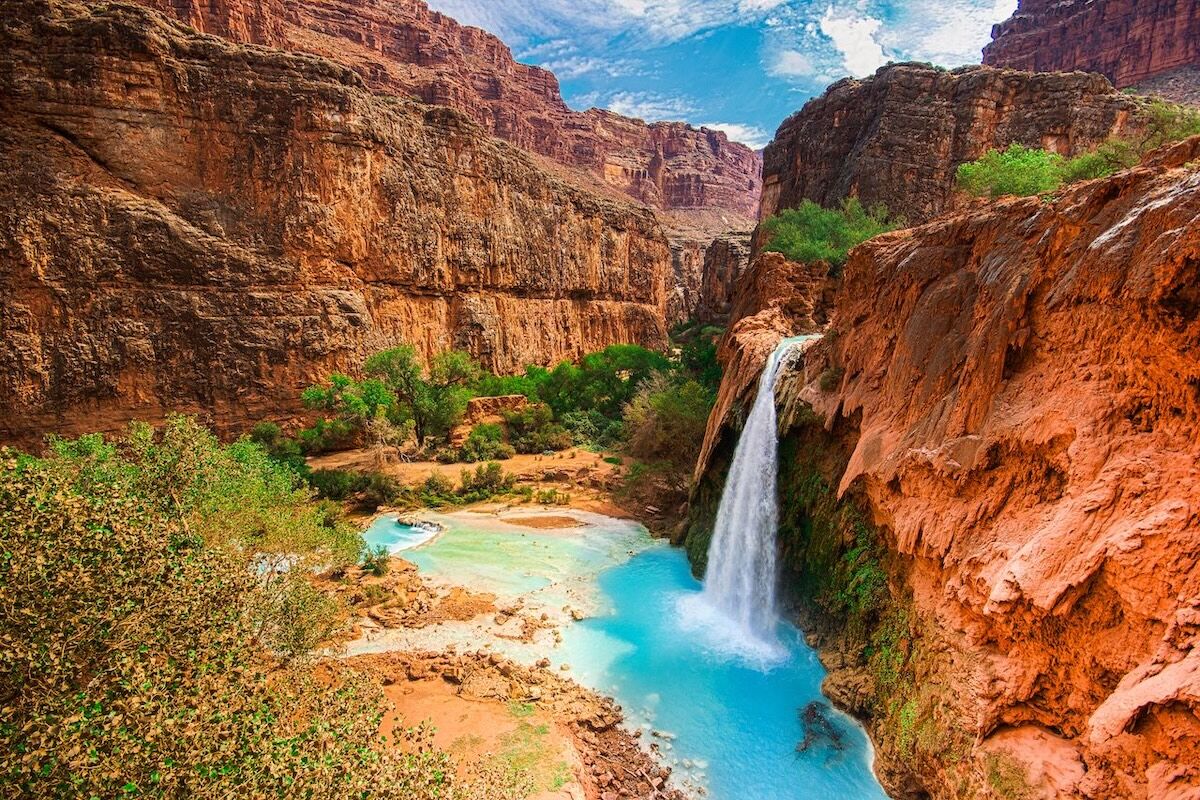
This model of tourism management highlights the tension between public demand and the physical capacity of the environment. The Havasupai Tribe mandates a minimum stay, which limits the number of day-trippers and reduces the cumulative impact on the travertine canyon walls. The permit lottery system, which typically begins in early February, is essential for maintaining the environmental and cultural standards of the Supai Village area.
Missouri’s Geological Wonders: Johnson’s Shut-Ins
Johnson’s Shut-Ins State Park in the Missouri Ozarks features a unique geological formation where the East Fork Black River is confined by igneous rock. The "shut-ins" create natural chutes and deep pools that have become a focal point for regional tourism. Following the 2005 failure of the Taum Sauk Reservoir, which caused catastrophic flooding, the park underwent a significant restoration process. Today, the park serves as an example of ecological resilience, with the Missouri Department of Natural Resources employing rigorous monitoring to protect the park’s biodiversity while maintaining open access for swimmers.
Maine’s Glacial Legacy: Sebago Lake
Sebago Lake in Maine represents one of the oldest state park systems in the country. Fed by glacial runoff, the lake’s water quality is maintained through strict watershed protection policies. Sebago Lake State Park provides a multi-use environment that supports not only summer swimming but also year-round outdoor activities. The maintenance of these beaches is a logistical undertaking, as the granite basin and sandy shores are subject to natural erosion, requiring periodic assessment by state environmental agencies.
Marine Conservation at Hanauma Bay
Hanauma Bay Nature Preserve in Hawaii stands as one of the most protected marine environments in the United States. Originally a volcanic crater, the bay was designated a protected marine life conservation area in 1967. The site has faced significant ecological pressure from over-tourism, prompting the City and County of Honolulu to implement strict daily visitor caps and mandatory educational orientation for all guests.
Recent chronological data regarding the bay indicates that closures, including the weekly Tuesday shuttering, have allowed for the partial recovery of the coral reef ecosystem. Visitors are strictly prohibited from touching or feeding marine life, including the green sea turtles and spinner dolphins that frequent the area. The $7.50 admission fee is reinvested into the ongoing research and conservation efforts of the Hawaii Division of Aquatic Resources.
Implications for Future Recreational Management
The increased popularity of these natural swimming destinations has far-reaching implications for public policy. The "Leave No Trace" principles are no longer just recommendations but are increasingly being enforced through fines and entry restrictions. As urban populations continue to seek relief in remote natural areas, the burden on infrastructure—such as waste management, trail maintenance, and search-and-rescue services—grows significantly.
Professional land managers argue that the future of these sites depends on "carrying capacity" studies, which calculate the maximum number of people a site can support without degrading its natural state. Sites like Havasupai Falls and Hanauma Bay have already adopted these models, effectively treating nature as a finite, premium resource.
For the average visitor, the takeaway is clear: the accessibility of these iconic swimming holes is contingent upon responsible behavior. Whether it is the cold, deep waters of Lake Tahoe or the fragile springs of Florida, the longevity of these experiences relies on the cooperation of the public. As environmental regulations become more stringent, the shift toward a more informed, conservation-minded tourism model will likely define the future of outdoor recreation in the United States.