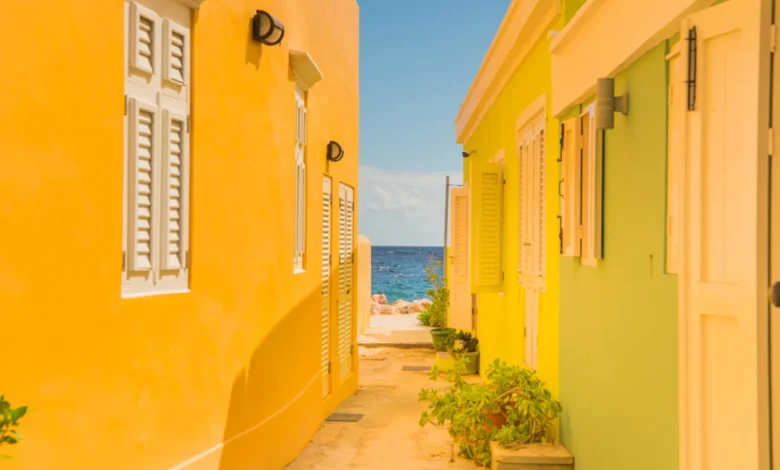
For travelers seeking to move beyond the traditional resort-centric experience, the island of Curaçao offers a complex cultural tapestry defined by its Dutch colonial heritage, Caribbean geography, and a burgeoning movement toward authentic, community-led tourism. Located in the Southern Caribbean, just 40 miles north of the Venezuelan coast, this constituent country of the Kingdom of the Netherlands has evolved from a historical shipping and oil-refining hub into a premier destination for those prioritizing local immersion over conventional tourist packages.
The transition toward "local-first" travel in Curaçao is not merely a trend but a reflection of the island’s economic strategy. As the tourism sector seeks to diversify, local authorities and small business owners are increasingly emphasizing the "Banda Abou" region—the western, less-developed side of the island—to mitigate the environmental and social pressures of over-tourism in Willemstad. By shifting the focus toward authentic interactions, visitors gain a deeper understanding of the island’s Papiamento-speaking population, a linguistic marker of the island’s unique syncretic culture.
A Chronology of Tourism Evolution in Curaçao
The history of tourism in Curaçao is inextricably linked to the island’s industrial timeline. Throughout the 20th century, the economy was dominated by the Isla refinery. However, following a series of shifts in the global energy market and the refinery’s subsequent decline in the early 2000s, the island began a strategic pivot toward tourism.
- 1997: The historic area of Willemstad, including the inner city and harbor, was inscribed as a UNESCO World Heritage site, cementing the island’s status as a cultural destination rather than just a beach getaway.
- 2010: Following the dissolution of the Netherlands Antilles, Curaçao became a constituent country within the Kingdom of the Netherlands, leading to increased autonomy in managing its tourism and economic policies.
- 2015–2020: The government of Curaçao, through the Curaçao Tourist Board, initiated a shift in branding, moving away from mass-market advertising toward boutique, high-value experiential tourism.
- 2023–2024: A renewed emphasis on sustainability and local engagement has seen the rise of "slow travel" initiatives, encouraging visitors to explore the island’s interior and smaller coastal communities.
Supporting Data on Visitor Behavior
Market research indicates that the modern traveler visiting Curaçao is statistically more likely to seek out non-traditional experiences. According to recent tourism exit surveys, approximately 68% of visitors to Curaçao now identify as "experiential travelers," a 15% increase compared to 2018 figures. These individuals spend, on average, 40% more of their daily budget at locally owned small-to-medium enterprises (SMEs) rather than international chain hotels.
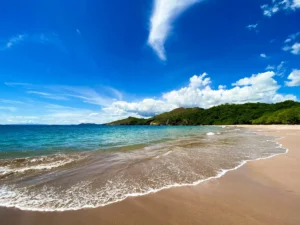
The geographic distribution of tourism remains a focal point for planners. While the eastern side of the island houses the bulk of the infrastructure, the Banda Abou region—home to over 20 distinct beaches—is the primary driver for repeat visitors. Kokomo Beach, for instance, has seen a 25% increase in foot traffic over the last three years, largely driven by digital word-of-mouth and the shift toward "beach clubs" that offer localized food and beverage menus.
The Geography of Authenticity: Beyond the Resort
The appeal of the western region lies in its rugged, natural landscape. Unlike the highly manicured resorts of the Caribbean’s northern islands, Curaçao’s western coast offers an aesthetic of preservation.
One of the most significant excursions for visitors is the trip to Klein Curaçao. This uninhabited island, located approximately 15 miles off the main coast, serves as a vital ecological site. The island is governed by strict conservation regulations to protect the nesting grounds of three species of sea turtles: the Green, Hawksbill, and Loggerhead. For visitors, this necessitates a respectful approach; there is no infrastructure on the island beyond a historic lighthouse and basic shelters. The implication of this tourism model is clear: travelers are guests in a protected environment, reinforcing the necessity of environmental stewardship.
Gastronomic Identity: The Papiamento Influence
Food remains the most accessible entry point into Curaçaoan culture. The culinary landscape is a direct descendant of the island’s multi-ethnic history, blending African, Dutch, Spanish, and Portuguese influences.
The traditional mid-day meal—the largest of the day—is a practice deeply rooted in the island’s colonial work patterns, where midday heat necessitated a heavy lunch followed by a period of rest. Institutions like Plasa Bieu (The Old Market) serve as the social epicenter of this practice. From an economic standpoint, the market functions as an incubator for local entrepreneurs. By housing six distinct open-kitchen vendors, the market ensures that revenue is recirculated within the local community, rather than being siphoned off by global hospitality conglomerates.
The proliferation of "batido" (smoothie) culture, characterized by shops like La Boheme and mobile vendors like the 100% Batidos truck, represents a democratization of the local palate. Using indigenous produce—most notably papaya and soursop—these vendors provide a bridge between traditional agricultural output and modern consumer demand for fresh, organic health food.
Official Perspectives and Economic Implications
Tourism analysts suggest that the "locals-first" model is not just culturally enriching but economically imperative. By encouraging visitors to dine at markets and visit lesser-known beaches, the island reduces the "leakage" of tourism revenue—a common problem where money spent by tourists flows back to foreign-owned corporations rather than staying in the local economy.
Local business owners have noted a shift in visitor expectations. In recent interviews, representatives from the small-business association in Willemstad highlighted that today’s travelers are increasingly asking for "insider" recommendations, specifically seeking to avoid the "tourist traps" identified by review aggregators. This shift places a higher value on the hospitality provided by local shop owners, who act as the primary ambassadors for the island’s culture.
Broader Impact and Future Outlook
The broader impact of this shift is a more resilient and authentic tourism product. By prioritizing the preservation of local institutions like Plasa Bieu and protecting the natural integrity of sites like Klein Curaçao, the island ensures that its primary draw—its distinct culture—remains intact for future generations.
However, this transition is not without challenges. The influx of tourists to smaller, localized areas requires careful management of natural resources, particularly water usage and waste management, which are perennial concerns for Caribbean island nations. The Curaçao government is currently evaluating infrastructure upgrades in the Banda Abou region to ensure that the growth in visitor numbers does not degrade the very features that attract travelers in the first place.
As travelers continue to seek meaning over mere recreation, the lessons learned in Curaçao serve as a template for other Caribbean nations. The path forward involves a delicate balance: promoting the island’s unique, diverse, and historical identity while maintaining the environmental and social stability required to sustain it. For the visitor, the reward is an experience that transcends the surface-level attractions of the Caribbean, offering instead a profound connection to a people and a place that remain fiercely, and beautifully, themselves.
By prioritizing local interaction, observing the rhythm of island life, and choosing to support community-led ventures, the modern traveler contributes to a sustainable future for the island, ensuring that Curaçao remains a destination defined by its people as much as its geography.