The Ultimate Guide to Inflatable Airplane Beds for Toddlers and the Evolution of the Fly Tot Plus

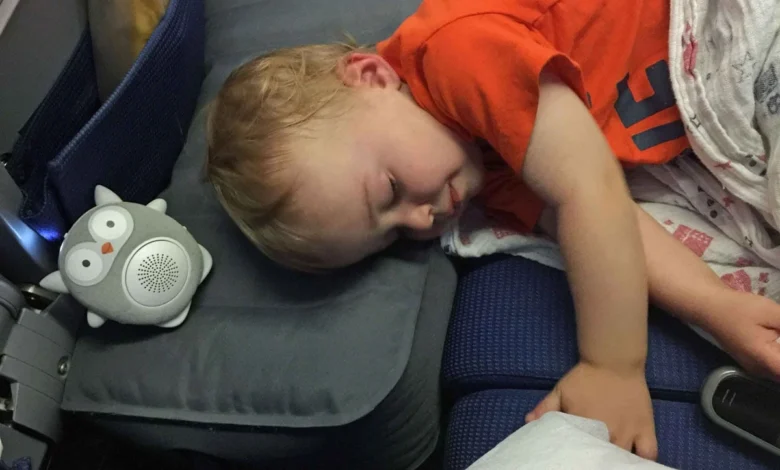
Traveling with a toddler on long-haul flights is widely regarded by parents and aviation experts alike as one of the most challenging aspects of modern family travel. The combination of confined seating, long durations, and the natural physical restlessness of a young child often leads to significant stress for families and cabin crews. To mitigate these challenges, a niche market for inflatable airplane seat extenders has emerged, with the Fly Tot brand serving as a prominent player in this space for nearly a decade.

The fundamental concept behind these devices is to transform a standard economy airplane seat into a flat surface, allowing children to sleep in a horizontal position rather than being restricted to an upright, seated posture. By filling the footwell gap between the seat and the back of the seat in front, these cushions effectively increase the usable surface area, facilitating rest for children and, by extension, reducing the burden on accompanying parents.
The Evolution of the Fly Tot: From Original to Plus
The Fly Tot first gained popularity among frequent-flying families as a durable, reliable solution for creating a "toddler bed" in the sky. As the product matured, the manufacturer introduced the "Fly Tot Plus," incorporating several engineering updates based on consumer feedback and the evolving requirements of commercial airlines.

One of the most notable design changes is the "two-width" geometry. This patented feature addresses the varying seat pitches and legroom dimensions found across different aircraft models and classes. By providing a wider side for larger footwells and a narrower side for tighter spaces, the updated model increases the likelihood of a secure fit across diverse cabin configurations.
Safety remains a primary concern for aviation regulators, and the Fly Tot Plus introduces a patented emergency safety release valve. This technical improvement ensures that, in the event of an unexpected change in cabin pressure, the cushion will automatically deflate, preventing potential obstructions or pressure-related issues. Furthermore, the transition to a single-valve system has streamlined the installation process, a critical factor for parents attempting to set up equipment in the cramped, high-pressure environment of an airplane cabin.
Technological Enhancements for Modern Travel
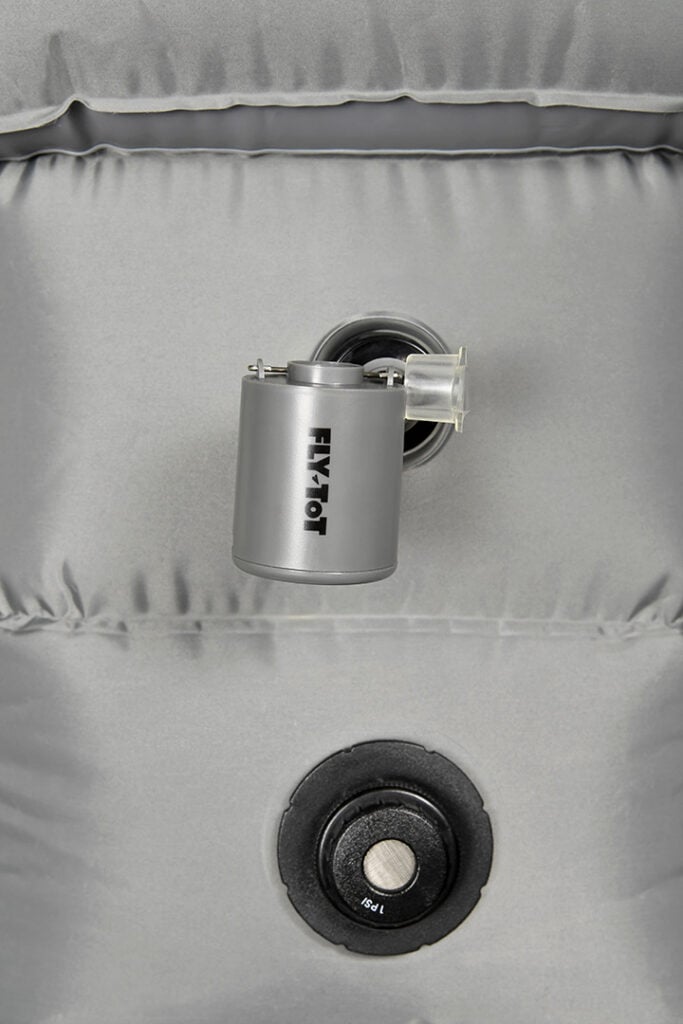
One of the most significant logistical hurdles for the original model was the inflation process, which often relied on manual pumping. The Fly Tot Plus kit now includes a compact, rechargeable electric "Tiny Pump." This device is designed to inflate the cushion in under one minute, a significant improvement over manual alternatives. The pump also includes five nozzle attachments, increasing its utility for other travel-related needs.
Additionally, the tapered design of the current model is specifically engineered to avoid interference with under-seat equipment, such as life vests or in-flight entertainment electronics, addressing common concerns raised by flight crews regarding equipment placement.

Chronology and Real-World Application
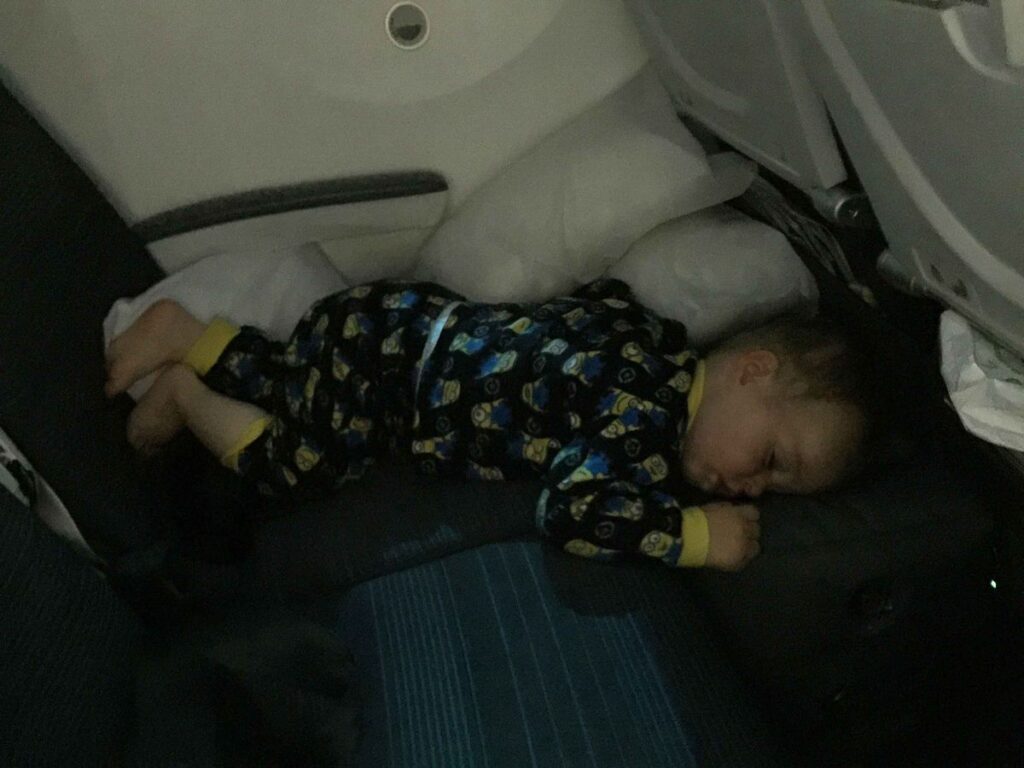
The history of the Fly Tot is rooted in the practical experiences of traveling families. Early adopters of the original model frequently reported that it enabled children as young as 14 months to sleep for several hours during red-eye flights. These early success stories were instrumental in building the brand’s reputation.
However, manufacturer guidance has evolved alongside the product. While the original version was used for a wide range of ages, the current Fly Tot Plus is explicitly marketed for children between the ages of 2 and 8. This shift reflects a move toward standardization and adherence to evolving safety protocols. Parents today are advised to prioritize manufacturer recommendations over anecdotal reports from the early years of the product’s release.

Regulatory Landscape and Airline Policies
The use of inflatable airplane beds is not universally regulated. Every commercial airline maintains its own internal policy regarding the use of "comfort devices" or "seat extenders." There is no global standard, meaning a device permitted on one carrier may be prohibited on another.
The industry standard for placement is strict: these devices must be used in window seats or middle seats within a center section to ensure they do not obstruct a passenger’s access to the aisle. Blocking an aisle is a violation of aviation safety regulations regarding emergency egress. As a result, the final authority on the use of the device almost always rests with the flight attendants on board. If a cabin crew member requests that a device be stowed, passengers are required to comply immediately.

Analysis of Impact and Implications
For families embarking on long-haul travel, the use of a seat extender can be transformative. The ability for a child to lie flat significantly improves sleep quality, which directly correlates to the child’s mood and health upon arrival at the destination. For parents, the primary implication is an increase in autonomy; with a child safely sleeping on their own designated seat, parents are no longer physically burdened, allowing for a more manageable in-flight experience.
However, the cost-benefit analysis of such a product depends heavily on travel frequency. For families flying once or twice a year, the investment in a high-end inflatable cushion may not be justified. Conversely, for "frequent flyer" families, the accumulation of hours spent in the air makes the device a functional necessity rather than a luxury.
Best Practices for Families
Based on industry standards and traveler experience, families planning to utilize an inflatable bed should adhere to a strict set of protocols:
- Pre-Flight Verification: Always contact the airline before purchasing to confirm that the specific brand and model of the cushion are permitted. Check official airline websites for "seat extender" or "comfort device" policies.
- Practice Sessions: Parents should familiarize themselves with the inflation, deflation, and positioning of the device at home. Understanding the valve mechanics prevents unnecessary delays during the boarding process.
- Respect Cabin Crew: When on board, the priority is the safety and comfort of all passengers. If a crew member deems the device unsuitable for the specific seat or flight conditions, it must be stowed without protest.
- Safety Compliance: The use of an inflatable cushion does not replace a child’s seat belt. Children must remain properly restrained at all times, especially during turbulence. If the seatbelt sign is illuminated, the device may need to be deflated or stowed depending on the specific airline’s directive.
Comparison with Alternative Solutions
The market for toddler travel gear has expanded to include various alternatives to the traditional footwell-filling cushion. Some competitors offer raised platforms that hook onto the seat back, creating a shelf-like bed. While these designs may preserve some floor space, they are subject to the same regulatory scrutiny and airline-specific bans as inflatable cushions.

The choice between a cushion-style bed and a platform-style bed often comes down to the specific seat configuration of the aircraft being flown. Families are encouraged to research the seat map of their specific flight to determine which style of bed is physically compatible with the available legroom.
Conclusion
The Fly Tot Plus represents the ongoing effort to solve the universal problem of traveling with young children. While it provides a clear solution for creating a comfortable sleep environment, its success is dependent on three factors: proper equipment maintenance, adherence to the specific policies of the operating airline, and the cooperation of the cabin crew. As air travel continues to evolve, the demand for comfort-enhancing solutions for families will likely persist, driving further innovation in this specialized segment of the travel accessory market.
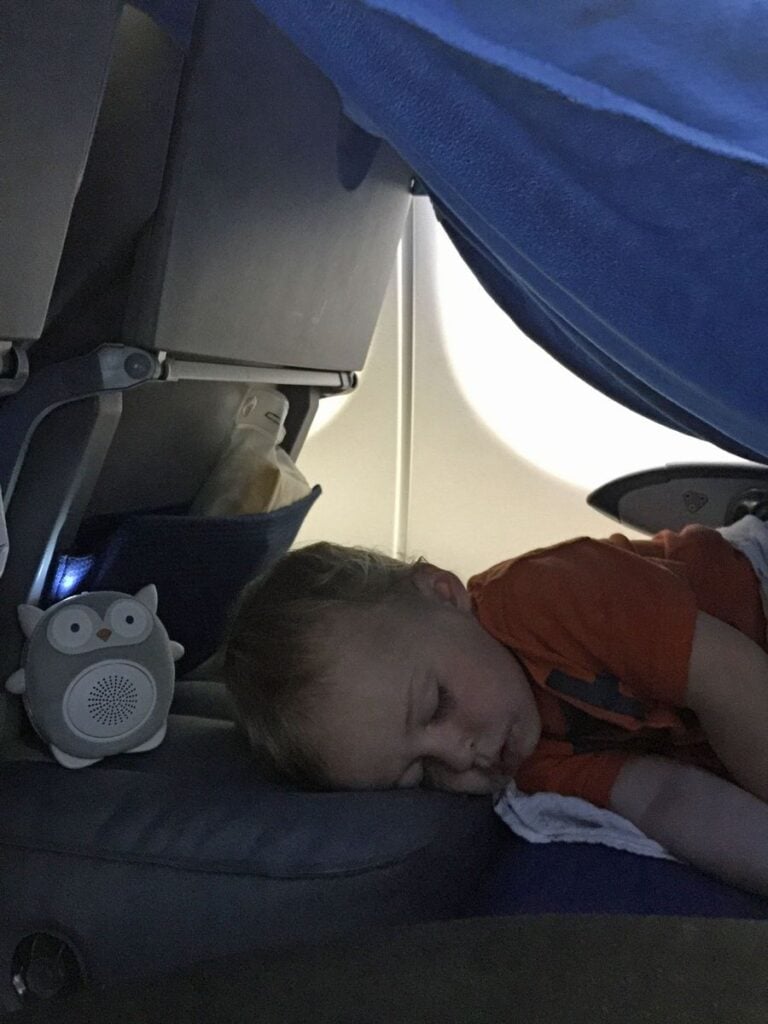
Families looking to invest in such gear should prioritize the latest versions of products—like the current Fly Tot Plus—to ensure they benefit from the most recent safety features, such as automatic emergency pressure relief and simplified inflation technology. Ultimately, a well-rested child is the most significant factor in the success of any long-distance family journey.