Fly Tot Review: A Comprehensive Analysis of Inflatable Airplane Cushions for Families Traveling with Children

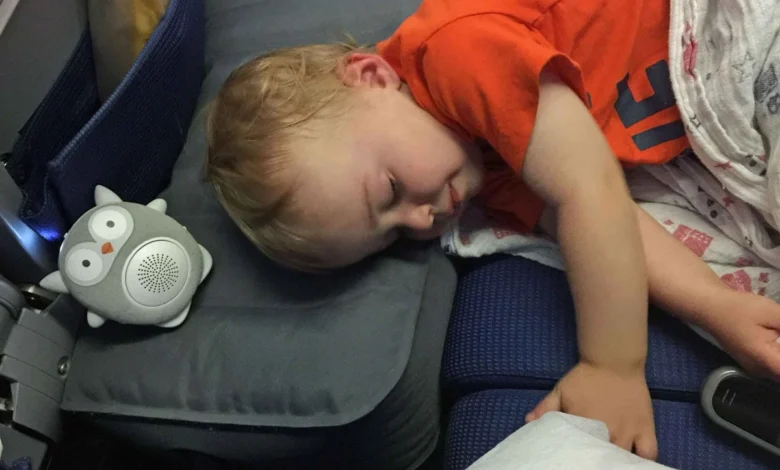
The challenge of ensuring rest for young children during long-haul flights has long been a primary concern for traveling families. As air travel demands increase, parents are increasingly turning to specialized gear to mitigate the physical discomfort associated with confined economy-class seating. Among the various solutions on the market, the Fly Tot inflatable airplane cushion has emerged as a significant piece of equipment for families attempting to create a more ergonomic environment for children between the ages of 2 and 8.

Evolution of the Product: From Original to Fly Tot Plus
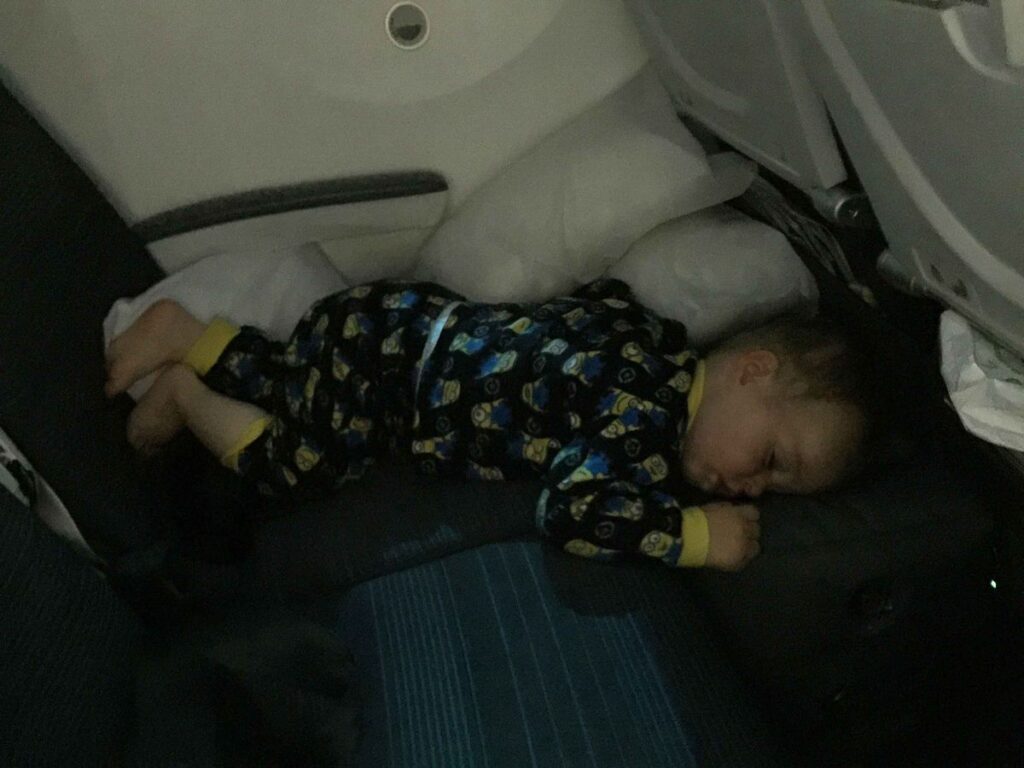
The Fly Tot system functions as an inflatable leg rest that fills the gap between the child’s seat and the seat in front, effectively extending the usable surface area. While the original version gained popularity nearly a decade ago, the company has since transitioned to the Fly Tot Plus. This updated iteration incorporates design modifications based on feedback regarding safety and usability.
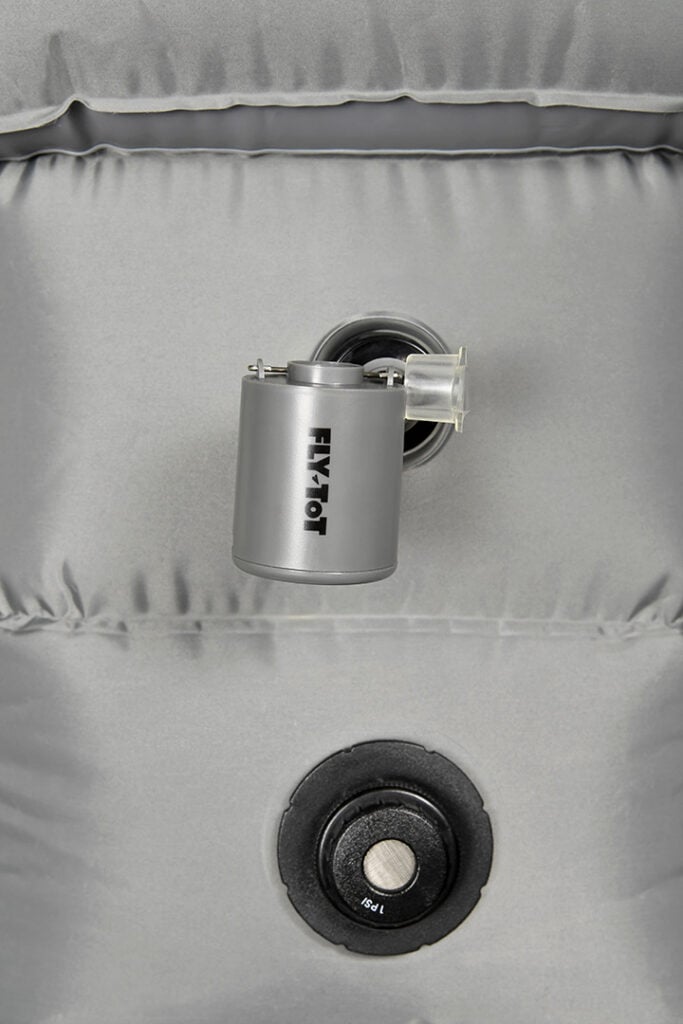
A primary technical enhancement in the Fly Tot Plus is the implementation of a patented two-width design. This allows the cushion to accommodate varying footwell dimensions across different aircraft models, including standard economy and premium economy configurations. Furthermore, the newer model introduces a patented emergency safety release valve, designed to automatically initiate deflation in the event of a sudden change in cabin pressure—a feature that addresses historical safety concerns regarding in-flight inflatable devices.

Technical Specifications and Operational Improvements
The transition from manual to automated processes is perhaps the most notable shift in the product’s lifecycle. The original version relied on manual inflation methods, which could be cumbersome in cramped cabin spaces. The Fly Tot Plus kit now includes a compact, rechargeable electric "Tiny Pump." This device is capable of inflating the cushion in under one minute, significantly reducing the setup time required during boarding and flight prep.

The product also features a tapered design to maintain accessibility to essential under-seat equipment, such as life vests or in-flight entertainment hardware. Despite these advancements, the manufacturer specifies that the device is not a child restraint system. It is explicitly noted that the product cannot replace standard airplane seat belts or approved child restraint systems (CRS) when safety protocols mandate their use.

Regulatory Context and Airline Policies
The use of inflatable seat extenders remains a nuanced issue within the aviation industry. There is no universal regulatory standard governing the use of these devices; therefore, policies vary significantly by airline. While some carriers permit the use of such cushions under specific conditions—typically limited to window seats or middle seats in the center section to avoid obstructing aisle access—others maintain strict prohibitions.
Industry experts emphasize that the final authority regarding the use of any seat-extending device rests with the cabin crew. Flight attendants are trained to prioritize safety, particularly regarding emergency egress. As a result, even if an airline’s general policy allows for the device, crew members may mandate its removal during taxi, takeoff, landing, or periods of turbulence. Travelers are advised to consult their specific airline’s current policy documentation, as these regulations are subject to change without notice and may differ between mainline carriers and budget airlines.

Strategic Implications for Family Travel
The integration of such cushions into a family’s travel strategy can have measurable effects on the passenger experience. Data regarding child fatigue on flights exceeding eight hours suggests that the ability to transition from a seated to a recumbent position can reduce behavioral distress and improve sleep duration. By providing a flat, stable surface, these cushions effectively increase the usable "real estate" of the economy seat.
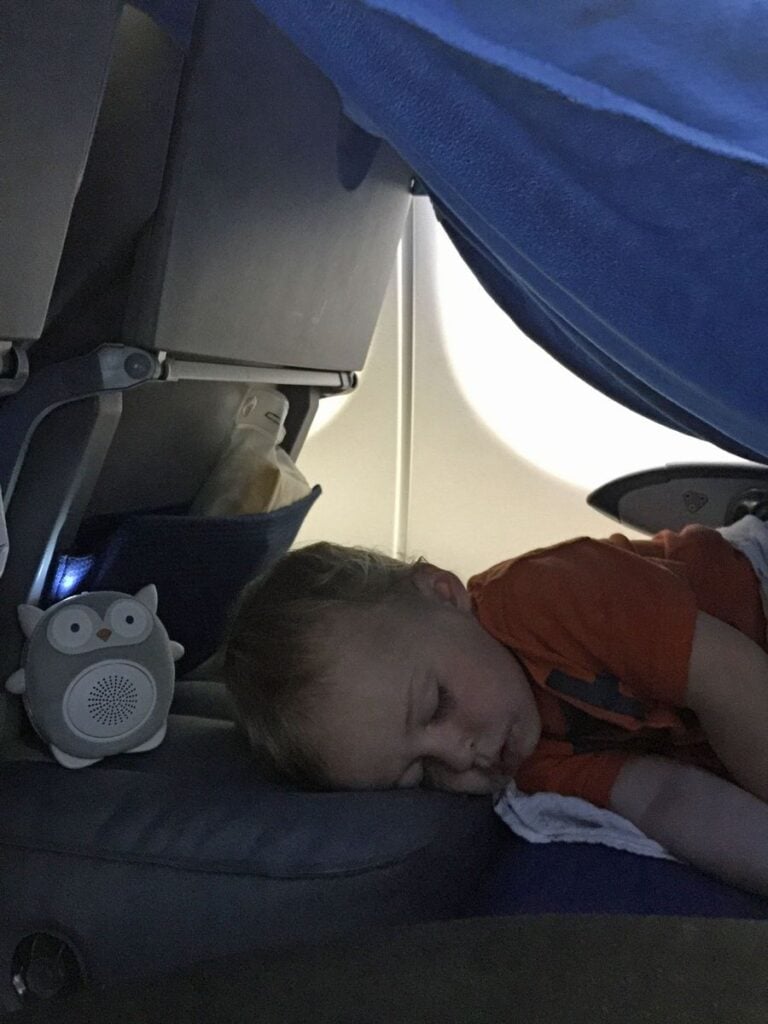
From an analytical perspective, the investment in such gear is most justifiable for families engaging in frequent long-haul international travel. For infrequent travelers, the cost-to-utility ratio may be less favorable. Furthermore, the logistical footprint of the device—even when deflated—requires consideration of carry-on baggage limitations. The Fly Tot Plus, which packs down to approximately 11 x 8 x 3 inches, represents a compromise between comfort features and portability.

Best Practices for In-Flight Implementation
For families opting to utilize an inflatable cushion, industry best practices involve a phased approach to implementation:

- Pre-Flight Preparation: Familiarization with the inflation and deflation valves is essential. Practicing the assembly at home ensures that the process remains efficient under the time constraints of a flight.
- Strategic Seat Selection: As noted, window seats are generally the most compatible, as they provide a natural barrier that prevents the cushion from impeding other passengers’ movement.
- Timing of Deployment: It is widely considered poor etiquette and potentially against safety protocol to inflate the device during boarding or taxi. Most successful implementations occur after the completion of the initial meal service, when the cabin has reached a state of relative quiet.
- Compliance with Safety Directives: Maintaining a cooperative relationship with the flight crew is paramount. If a crew member requests the stowing of the device, immediate compliance is required. The safety of the cabin environment is the responsibility of the airline, and the use of the cushion is a privilege granted at their discretion.
Market Landscape and Alternatives
The market for toddler airplane beds has expanded, with several competitors now offering varying designs. The "Flyaway Kids Bed," for instance, utilizes a different structural approach by creating a raised platform rather than filling the entire legroom space. Other alternatives, such as "Plane Pal," provide similar functions with variations in pump mechanisms and carrying storage.

The proliferation of these products indicates a sustained market demand for cabin comfort solutions for children. However, the presence of multiple designs underscores the lack of industry-wide standardization. Parents must navigate not only the cost of these products but also the compatibility of each specific design with the varying pitch and width dimensions of modern aircraft seats.

Conclusion
The Fly Tot Plus represents an evolution in travel-comfort technology, addressing several limitations identified in earlier generations of seat-extending cushions. Its design, characterized by the inclusion of an electric pump and an automatic safety release valve, reflects an industry trend toward greater convenience and safety integration.

Ultimately, the effectiveness of the device depends on a combination of factors: the specific airline’s policy, the child’s individual comfort, and the family’s ability to manage the logistics of the product. While no device can guarantee a seamless flight experience, the use of inflatable cushions can serve as an effective tool for managing the physical challenges of long-distance air travel with children. Prospective users should conduct thorough research into their airline’s specific guidelines and approach the use of such equipment with a primary focus on cabin safety and the instructions of the flight crew. As aviation continues to address the needs of a diverse passenger base, the role of such comfort-enhancing equipment will likely remain a topic of interest for both families and airline operators.