The Legendary Culinary Heritage of Nasi Lemak Tanglin: A Deep Dive Into Kuala Lumpur’s Most Iconic Breakfast Institution

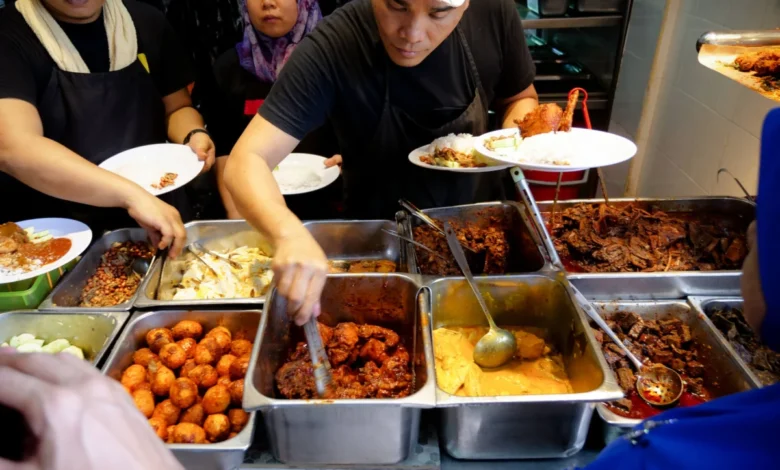
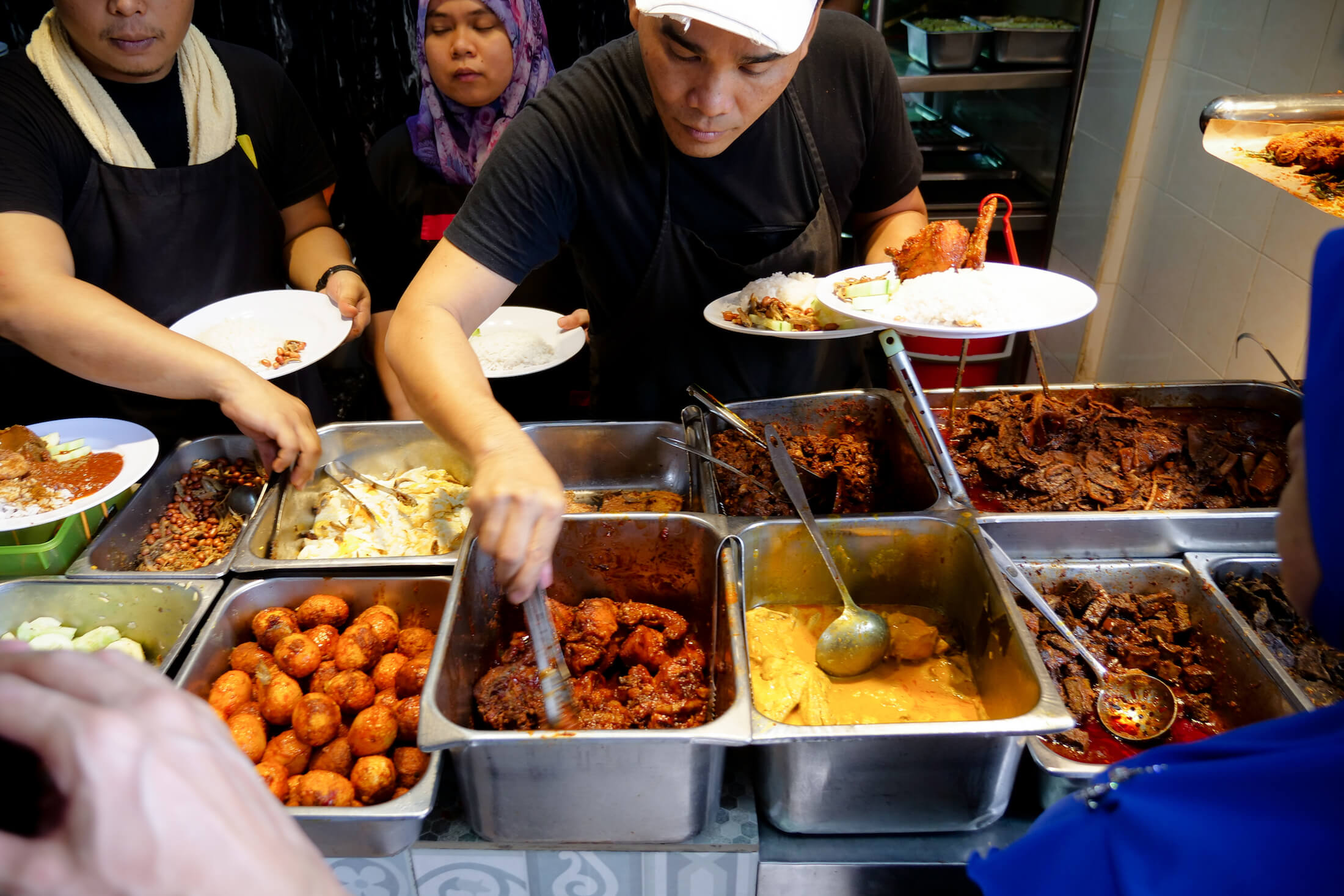
Operating continuously since its establishment in 1948, Nasi Lemak Tanglin stands as a testament to the enduring culinary traditions of Malaysia. Situated within the Kompleks Makan Tanglin food complex in Kuala Lumpur, this venerated institution has spent over seven decades serving what many culinary historians and local gourmands regard as the benchmark for Malaysia’s unofficial national dish. While the broader geopolitical footprint of nasi lemak—meaning "fat rice" in Malay—stretches from Southern Thailand down through the Malay Peninsula and into Singapore, the iteration produced at Tanglin commands a unique position in the nation’s gastronomic landscape.
The Genesis and Historical Evolution of Nasi Lemak Tanglin
Founded in the post-World War II era, Nasi Lemak Tanglin emerged during a period of significant social and economic rebuilding in British Malaya. Street food vendors and communal food stalls served as the backbone of urban nourishment for working-class populations. Originally operating out of humble pushcarts before securing a permanent home in the Kompleks Makan Tanglin, the stall maintained its operations through decades of rapid urbanization, economic shifts, and the modernization of Kuala Lumpur.
The historical resilience of the establishment lies in its steadfast commitment to traditional preparation methods. Unlike commercialized food chains that have standardized or mechanized their recipes, Nasi Lemak Tanglin has preserved the labor-intensive cooking techniques passed down through generations. This dedication to heritage has turned a simple working-class breakfast into a cultural touchstone, drawing an eclectic clientele that ranges from blue-collar workers and civil servants to international food critics and political figures.
Anatomy of a National Dish: Ingredients and Preparation

At its core, nasi lemak is deceptively simple, relying on a triad of foundational components: rice infused with coconut milk and aromatic pandan leaves, a fiery and complex chili paste known as sambal, and a collection of contrasting textures including salted fish, fried anchovies (ikan bilis), roasted peanuts, and fresh cucumber slices. However, the execution at Nasi Lemak Tanglin elevates these basic elements into a masterclass in flavor balancing.
The rice, cooked gently in freshly pressed coconut milk, absorbs the subtle, grassy fragrance of the pandan leaves, yielding a grain that is tender yet distinct. The accompanying sambal requires hours of careful reduction, blending dried chilies, shallots, garlic, and aromatics to achieve a profile that balances heat, sweetness, and a rounded, savory depth.
Beyond the foundational plate, patrons customize their meals by selecting from an extensive array of heavy curries and protein accompaniments. Among the most sought-after offerings are beef rendang, braised squid (sotong), and traditional offal preparations. Notably, regular patrons frequently request the inclusion of kolong—beef spleen and intestines—cooked in a rich, dark spice paste that yields a remarkably creamy texture. This is invariably paired with a perfectly fried egg, providing a rich yolk that coats the fragrant grains of rice when mixed thoroughly by hand, a dining method locals advocate for optimal flavor distribution.

Logistics and Daily Operations: The Race Against the Clock
Operating daily from 7:00 AM to 1:00 PM, Nasi Lemak Tanglin experiences an intense operational window that reflects its immense popularity. On typical weekdays, the parking infrastructure surrounding the Kompleks Makan Tanglin reaches full capacity by mid-morning, with visitors frequently required to circle multiple times to secure a space.
By 10:00 AM, the seating area—shielded by expansive awnings to protect against tropical downpours—is typically filled to capacity. The establishment operates on a strict "while supplies last" model. Despite preparing substantial quantities daily, the primary components regularly sell out well before the official closing time, often exhausting their inventory by 11:30 AM. This rapid turnover guarantees that all elements, from the fresh coconut rice to the simmering vats of curry, are freshly replenished or consumed within a tight morning window.

To enhance the dining experience, the atmosphere is often complemented by live musical performances, featuring regional genres such as "Pop Yeh Yeh"—a fusion of Malay pop and Western rock popular in Malaysia and Singapore during the 1960s. This integration of local arts and gastronomy creates a communal environment that transcends a standard transactional food service.
Economic Accessibility and Sustainable Practices
Priced exceptionally accessibly, a foundational plate of basic nasi lemak starts at approximately 2 Malaysian Ringgit (MYR), with additional protein portions, eggs, and curries ranging from 1 to 5 MYR. A comprehensive meal for a group of four typically totals around 35 MYR (approximately $8.50 USD), cementing the establishment’s role in providing affordable nourishment without compromising on quality.

Furthermore, the restaurant’s operational policies reflect broader environmental shifts within Malaysia’s food and beverage sector. While historical iterations of the dish were universally wrapped in traditional banana leaves, Nasi Lemak Tanglin utilizes reusable plates. This operational choice aligns with national initiatives aimed at curtailing single-use plastics and mitigating the environmental pressures associated with the commercial harvesting of banana leaves from protected jungle ecosystems. By balancing ecological responsibility with culinary tradition, the establishment models a sustainable approach to traditional food vending.
Socio-Cultural Implications and Tourism Impact
Nasi Lemak Tanglin functions as more than a commercial enterprise; it serves as a cultural archive and an ambassador of Malaysian culinary diplomacy. In recent decades, gastronomic tourism has emerged as a critical driver of the regional economy, with Kuala Lumpur positioning itself as a premier global hub for street food and heritage cuisine.

Food policy analysts note that institutions like Nasi Lemak Tanglin contribute significantly to intangible cultural heritage preservation. By maintaining traditional recipes in an era of culinary homogenization, such establishments provide vital data points for understanding the multicultural synthesis of Malay, Chinese, and Indian influences that define Malaysian cuisine.
The enduring success of Nasi Lemak Tanglin underscores a broader consumer trend toward authenticity and provenance in dining. As global travelers increasingly seek out unmediated cultural experiences through food, legacy institutions in Kuala Lumpur continue to draw international attention, reinforcing the city’s status as a world-class culinary destination. For visitors and locals alike, a morning spent navigating the queues at Kompleks Makan Tanglin remains an essential ritual in understanding the social fabric of modern Malaysia.
Related posts: