Nikon’s Patent Loss Against Viltrox in China Marks a Seismic Shift for Mirrorless Camera Ecosystems


The landscape of the global photography industry underwent a significant legal transformation this summer when the China National Intellectual Property Administration (CNIPA) issued a ruling that effectively dismantled Nikon’s patent protections for its proprietary Z-mount system. This decision, which followed a protracted legal battle initiated by Nikon in January 2026, has sent shockwaves through the camera manufacturing sector. By invalidating a core design patent held by the Japanese optical giant, the Chinese judicial authority has set a precedent that challenges the long-standing practice of "closed-system" manufacturing, potentially forcing industry leaders like Canon to reconsider their restrictive licensing policies.
The conflict centered on allegations by Nikon that Viltrox, a prominent Chinese lens manufacturer, had infringed upon intellectual property rights concerning the physical bayonet tabs, terminal pins, and electronic communication protocols of the Z-mount. Nikon sought both financial damages and a permanent injunction to halt the production of autofocus-enabled lenses for its mirrorless cameras. However, the CNIPA ruled that Nikon’s design lacked an "inventive step"—the Chinese legal equivalent to the concept of non-obviousness in patent law. The court determined that modifications to existing mount geometries, such as adjusting the length or arrangement of bayonet lugs, constitute routine engineering practices rather than the kind of technological breakthroughs that merit patent protection.
A Chronology of the Legal Conflict
The dispute did not arise in a vacuum, but rather as the culmination of years of rising tension between camera manufacturers and third-party lens producers.
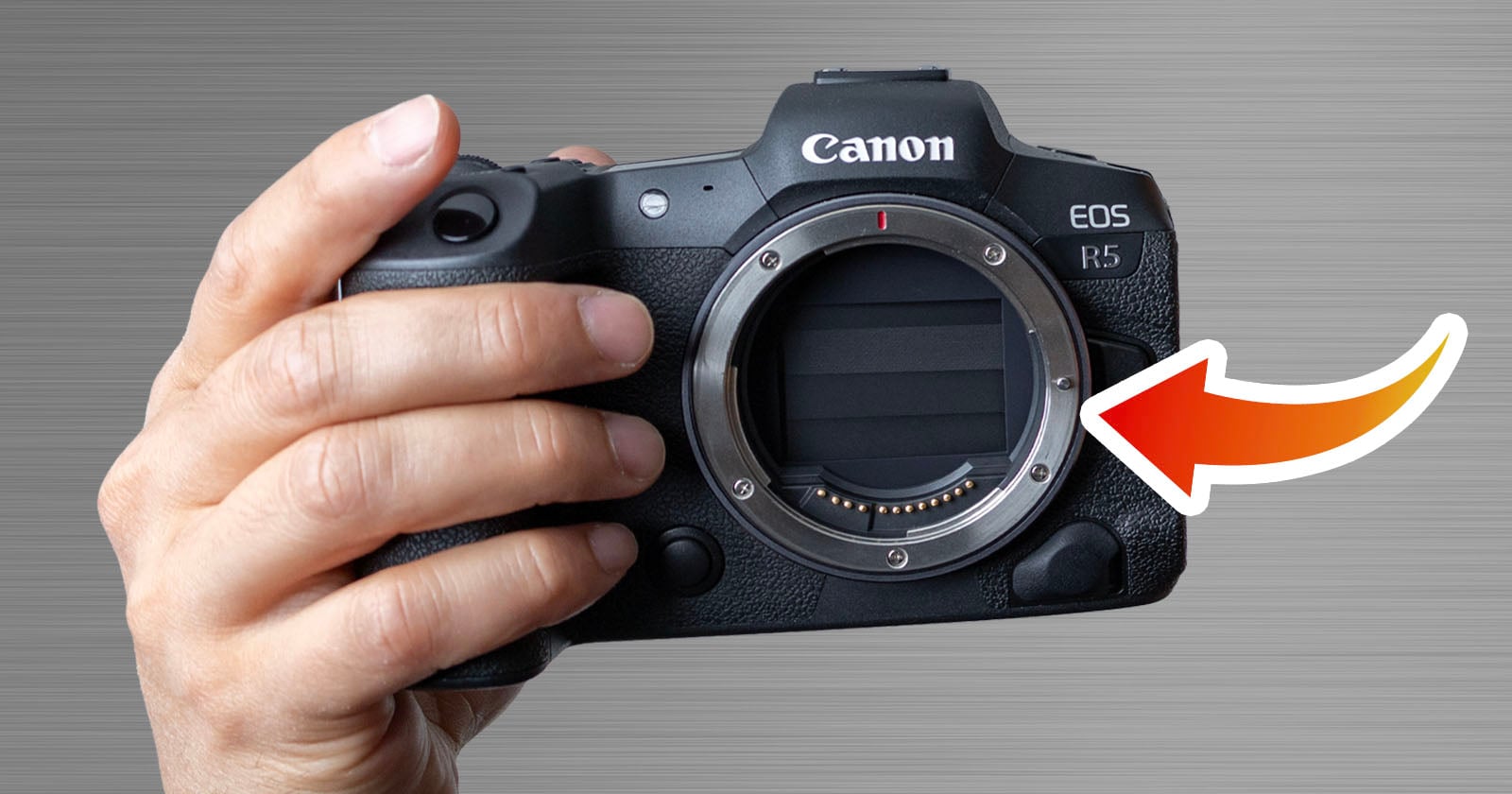
- August 2022: The friction began when Canon publicly moved to suppress the production of third-party autofocus lenses for its RF-mount, issuing cease-and-desist threats to manufacturers like Viltrox. This established Canon as the industry’s most stringent enforcer of proprietary mount exclusivity.
- January 2026: Nikon filed a formal lawsuit against Viltrox in China, escalating from private demands to public litigation. This was viewed by industry analysts as a litmus test for whether legacy camera brands could legally maintain absolute control over the secondary lens market.
- July 2026: The CNIPA ruled decisively in favor of Viltrox. Beyond rejecting Nikon’s claims for damages, the court took the extraordinary step of invalidating the core design patent underpinning the Z-mount’s physical interface.
- August–September 2026: In the wake of the ruling, the industry entered a period of recalibration. While Nikon declined to provide extensive public commentary, the legal community began assessing the ripple effects of the decision on other major players.
Technical and Legal Analysis: The Burden of Innovation
The core of the CNIPA’s reasoning lies in the distinction between engineering iteration and true innovation. In patent law, a utility or design patent must demonstrate that the invention is not merely a common-sense evolution of existing technology. Camera mounts have operated on similar physical principles for over half a century. Nikon’s Z-mount, while significantly larger than the legacy F-mount to accommodate larger sensors and wider apertures, utilizes the same fundamental mechanical principles of bayonet locking and electronic contact pins.
Legal experts consulted regarding this case suggest that the CNIPA viewed the physical dimensions and contact arrangements as "routine engineering choices." Because these design elements were derivative of prior art—essentially an evolution of existing SLR and mirrorless technology—they failed to meet the threshold for patentability. This ruling suggests that major camera manufacturers may have been overestimating the strength of their intellectual property portfolios when attempting to use them as exclusionary tools against third-party competitors.
Implications for the RF-Mount and Canon’s Strategy
The most immediate question following the Nikon loss is how this impacts Canon. For years, Canon has maintained the most restrictive environment for third-party optics, refusing to share the communication protocols required for full autofocus functionality. With the CNIPA precedent now established, the legal rationale Canon used to intimidate manufacturers in 2022 appears increasingly fragile.
Should a third-party manufacturer choose to resume the production of RF-mount autofocus lenses, Canon would be faced with a difficult choice: initiate a lawsuit that risks the same fate as Nikon’s, or move toward a more collaborative model. If Canon were to sue and lose in the Chinese market, it would likely see its own patents invalidated by the same administrative logic applied to Nikon. This creates a "mutually assured destruction" scenario for intellectual property claims in the region.

Furthermore, the Chinese market represents the second-largest consumer base for photographic equipment globally. Manufacturers cannot easily afford to be locked out of this territory or to see their legal protections eroded within it. Consequently, there is growing speculation that major manufacturers may pivot toward a licensed ecosystem—a strategy similar to the one employed by Sony. Under the Sony model, third-party companies are granted access to mount protocols in exchange for a licensing fee and, in some cases, limitations on performance (such as continuous shooting speed caps).
The Role of Industry Governance
It is worth noting that Nikon, Canon, and other major manufacturers are all members of the Camera & Imaging Products Association (CIPA). This organization acts as an industry forum for setting standards and maintaining the health of the Japanese camera sector. There is a strong, if implicit, incentive for these companies to work in concert to protect the profitability of the Japanese optical industry against the rapid rise of international third-party manufacturers.
If the "closed mount" strategy is effectively killed by the CNIPA ruling, we may see a unified shift toward a managed, open-standard ecosystem. Rather than risking further court losses, companies like Canon and Nikon might prefer to control the inevitable influx of third-party lenses through licensing agreements, which would allow them to generate revenue while maintaining some level of quality control and performance segmentation.
Future Outlook and Consumer Impact
For the average photographer, the implications are largely positive. The entrance of more third-party manufacturers into the mirrorless market typically leads to increased competition, lower prices, and a wider variety of specialized optics. However, the manufacturers themselves face a delicate balancing act. They must protect their brand equity and the research and development costs associated with their cameras while acknowledging that the legal landscape has shifted in favor of a more open market.
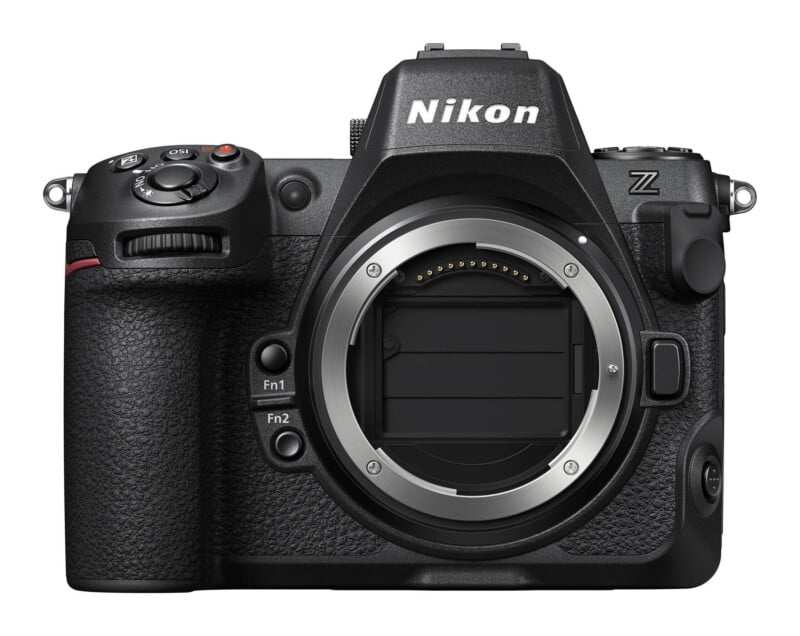
Nikon’s current stance—declining to comment on further details—suggests a period of internal reassessment. Meanwhile, Canon has maintained a formal silence, emphasizing its commitment to innovation and intellectual property rights without addressing the potential for a legal challenge.
Ultimately, the power dynamic in the photography industry has fundamentally changed. The reliance on patent law as a moat to keep competitors out of the mirrorless mount space is no longer the ironclad strategy it once was. Whether through software-based authentication protocols—which are notoriously easy for third-party firms to circumvent—or through a transition to a formal, paid licensing structure, the industry is entering a new era. The "boulder," as many industry observers have noted, is already rolling; the manufacturers must now decide whether to attempt to stop it, or to steer its direction toward a more sustainable business model.