We are long accustomed to the cadence of the modern professional life: business meetings over power breakfasts, fitness regimes doubling as networking opportunities, and the rise of padel as the preferred venue for high-stakes deal-making. In a city defined by relentless optimization, the search for the next frontier of professional social environments is constant. It was, perhaps, only a matter of time before the bathhouse—a space traditionally dedicated to silence, solitude, and physical restoration—was reimagined as the latest arena for quasi-board meetings and high-level social engagement.
New York is currently witnessing a renaissance of the communal bathing ritual. This is not the return of the utilitarian shvitz, but rather a sophisticated, design-forward reinterpretation of a practice that has anchored cultures globally for millennia, from the Japanese sentos and the Korean jjimjilbangs to the Turkish hammams and the ubiquitous Finnish saunas. In the current Manhattan landscape, these spaces are being crafted with the same architectural rigor, interior design sensibilities, and service standards typically reserved for luxury hotels, Michelin-starred restaurants, and exclusive private clubs.
A Chronology of Communal Restoration
The history of the public bathhouse is as old as civilization itself, serving as a social equalizer in Ancient Rome and a spiritual necessity in the Middle East. However, the American adoption of this culture has historically been disjointed. During the mid-20th century, the bathhouse in the United States shifted toward a more insular, functional purpose, often stripped of the communal, design-centric ethos that defined its European and Asian counterparts.

The turning point for the current "luxury" iteration began in the late 2010s, as the wellness industry shifted its focus from aesthetic beauty to functional longevity. By 2022, the convergence of post-pandemic social fatigue and the rise of the "longevity economy" sparked a surge in investment toward high-end thermal facilities. The arrival of brands like Bathhouse, QC Spa, and Othership signaled a departure from the "gym sauna" experience toward a comprehensive, curated environment that prioritizes sensory design—low lighting, natural stone, and intricate steam regulation—to foster a sense of detachment from the digital world.
Supporting Data and Market Trends
The market for thermal wellness is expanding at a significant rate. According to industry reports from the Global Wellness Institute, the global wellness tourism market is projected to reach $1.3 trillion by 2025, with thermal and mineral springs representing a substantial sub-sector. In New York City alone, the density of luxury wellness facilities has increased by nearly 30% since 2020.
This growth is driven by a demographic shift. Data indicates that high-net-worth individuals are increasingly allocating discretionary spending toward "restorative capital"—investments in physical health and recovery that serve as a hedge against the burnout associated with high-pressure careers. The bathhouse has effectively positioned itself as the "third space" of the 2020s: a location distinct from the office and the home, where the performance metrics of the outside world are temporarily suspended.
Architectural Influence and Design Philosophy
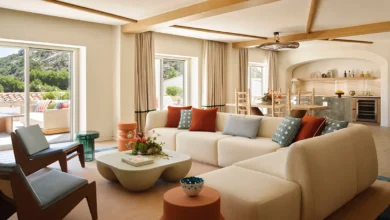
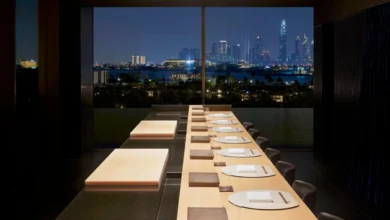
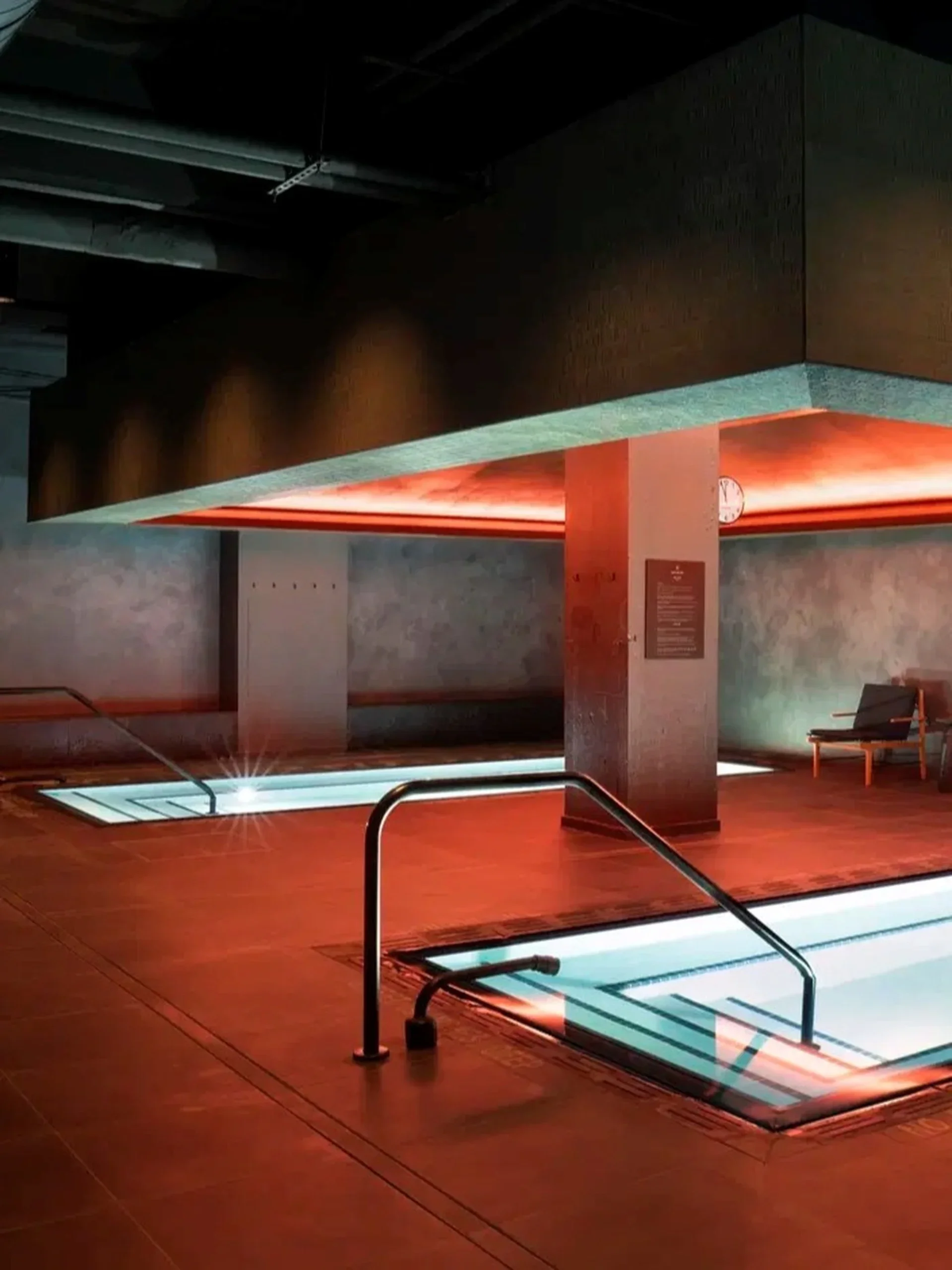
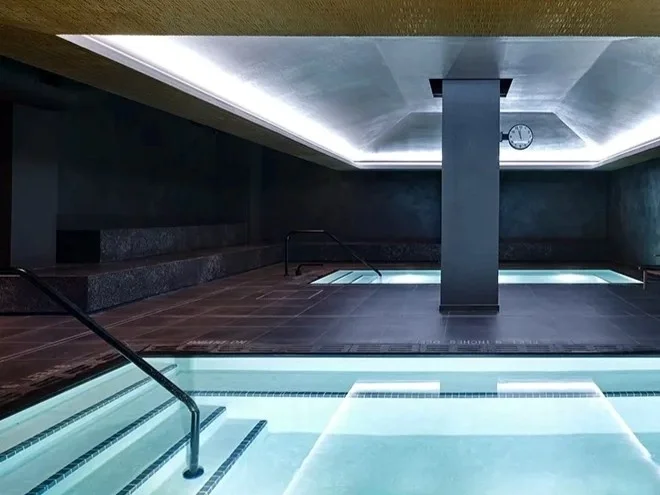
The aesthetic shift is palpable. The Rockwell Group, a leader in hospitality design, has been instrumental in shaping the "Bathhouse" aesthetic in New York. By utilizing raw materials—slate, concrete, and cedar—and integrating sophisticated lighting systems, these venues move away from the clinical feel of medical spas.
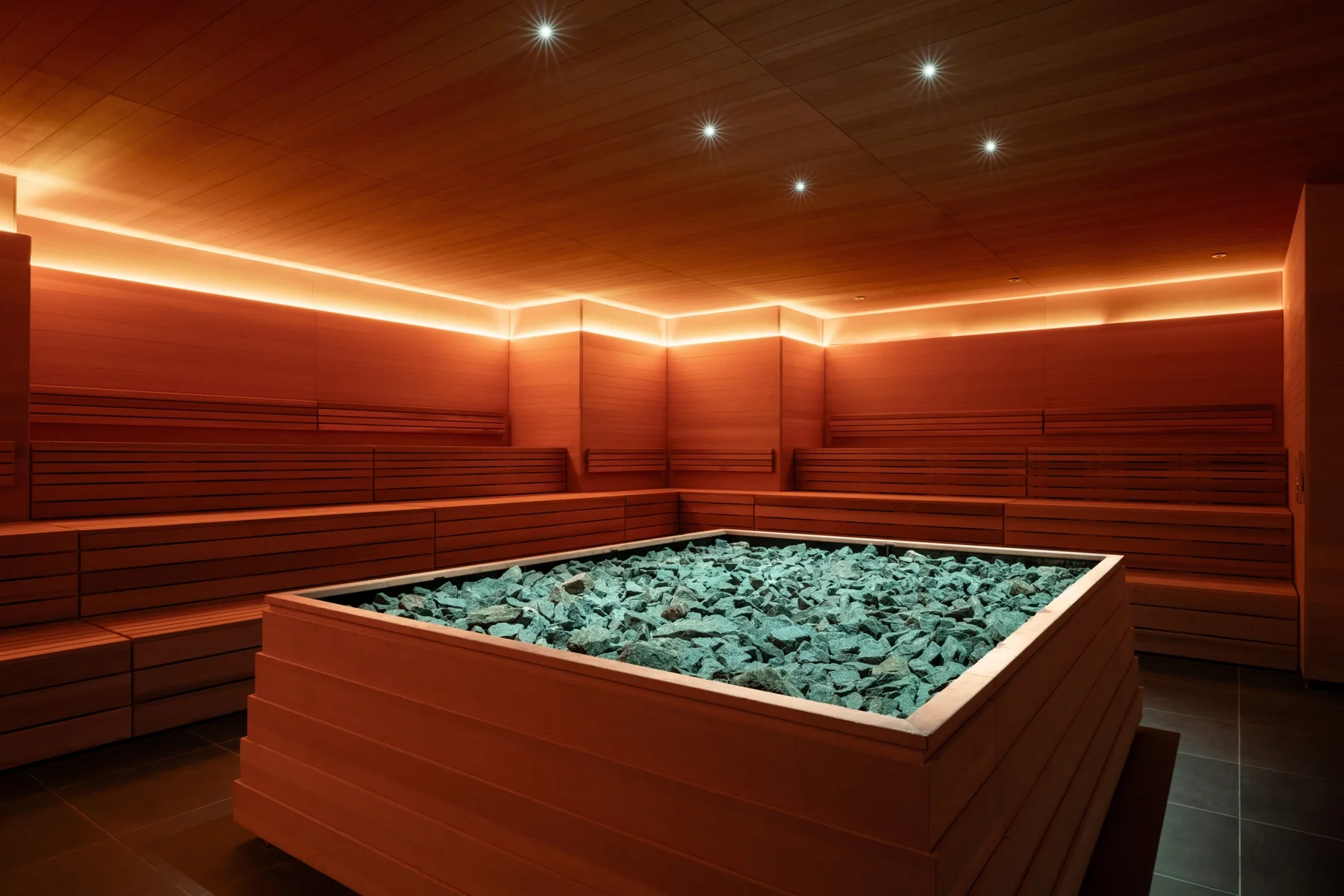
At Bathhouse Flatiron, for instance, the integration of traditional aufguss rituals—a theatrical process where a sauna master uses towels to distribute steam and essential oils—transforms a solitary sweat session into a communal, sensory experience. This design philosophy serves a dual purpose: it creates an atmosphere conducive to both deep relaxation and low-decibel professional conversation. The layout of these spaces, with their open-concept pools and communal steam rooms, encourages an environment where "unplugging" is the primary social contract.
The Dynamics of Modern Bathhouse Etiquette
As these venues become more integrated into the New York social fabric, the question of decorum has moved to the forefront. Priit Kallas, CEO of Iglucraft, an Estonian firm specializing in bespoke sauna construction, notes that the cross-cultural exchange of bathing traditions requires a certain level of cultural intelligence.
"In Estonia, the sauna is not a temple of silence; it is a place of dialogue," Kallas explains. "It is where community decisions were traditionally made. The transition for the American market is navigating the boundary between the ‘spa’ culture, which demands total silence, and the ‘bathhouse’ culture, which values the exchange of ideas in a relaxed state."
The rules of engagement, however, remain strictly enforced to preserve the sanctity of the environment. The "no phone" policy is the most critical pillar of the modern bathhouse. By removing the digital tether, these venues force a return to face-to-face interaction. For the professional, this creates a unique paradox: you are in a space where you are meant to stop being "useful," yet you are surrounded by peers who are capable of facilitating professional growth.
Fact-Based Analysis of Implications
The implications of this trend are twofold. First, from a sociological perspective, the rise of the luxury bathhouse represents a retreat into "analog" social spaces. As artificial intelligence and digital communication dominate the workspace, the physical, tactile, and sensory experience of a communal sauna provides a psychological respite that virtual spaces cannot replicate.
Second, from a business perspective, the bathhouse is becoming a tool for high-level networking. By removing the distraction of devices and the performative nature of the restaurant boardroom, individuals are finding that the vulnerability of the bathhouse environment—where social hierarchy is flattened by the shared experience of heat and cold—can actually facilitate more candid and authentic business relationships.
However, this transition is not without challenges. The integration of "networking" into a space of relaxation can potentially dilute the wellness benefits of the facility. If a bathhouse becomes merely an extension of the office, the psychological benefits of the "detachment" period are lost. Operators are therefore tasked with a delicate balancing act: providing enough social space to satisfy the networking demand, while maintaining the architectural and atmosphere-based boundaries that ensure the space remains a restorative sanctuary.
Navigating the Future of Thermal Wellness
As the industry matures, we can expect to see a greater emphasis on personalization and specialized programming. We are already seeing the introduction of guided breathwork sessions, performance saunas, and advanced hydrotherapy, such as the flotarium at AIRE Ancient Baths or the 90-person performance sauna at Othership.
For the uninitiated, the advice remains consistent: approach the space with curiosity rather than alarm. The transition from the high-octane environment of a Manhattan office to the quiet, steam-filled halls of a bathhouse requires a shift in mindset. As Kallas suggests, the key is observing the room. Whether it is the etiquette of whisking or the protocol of the cold plunge, the rules are fundamentally designed to ensure that the collective experience of the group remains undisturbed.
Ultimately, the bathhouse serves as a necessary counterbalance to the hyper-connected, hyper-productive nature of contemporary urban life. Whether it is used as a place to host a quiet, off-the-record conversation or simply as a venue to recalibrate after a volatile week in the markets, the modern bathhouse has secured its place as a fixture of the New York landscape. It is a space that asks for nothing, provides everything, and serves as a reminder that even in a city of relentless optimization, the most productive thing one can sometimes do is simply sit still.