Fly Tot Inflatable Airplane Bed Review: An Analysis of Travel Gear for Long-Haul Flying with Toddlers

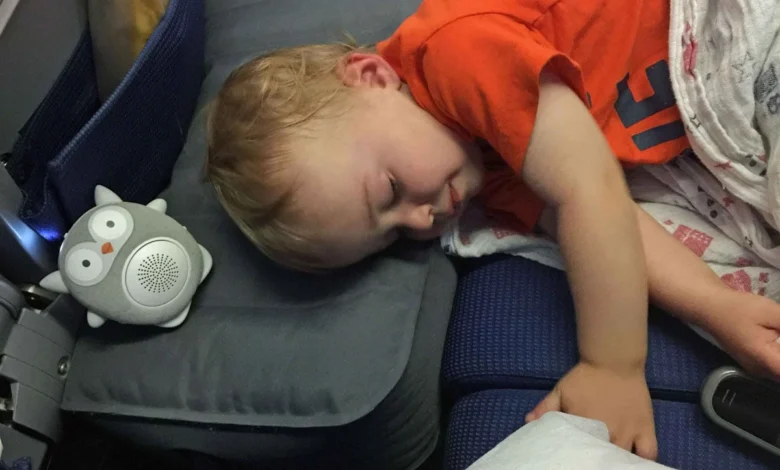
The challenge of ensuring adequate rest for young children during long-haul international flights has long been a primary concern for traveling families. With cabin configurations in economy class often offering limited legroom and restricted seating positions, parents frequently face the difficulty of managing overtired, restless toddlers in confined spaces. The Fly Tot, an inflatable cushion designed to bridge the gap between an airplane seat and the seat in front of it, has emerged as a significant piece of specialized travel equipment intended to transform standard economy seating into a makeshift bed for children.

Evolution and Design of the Fly Tot System
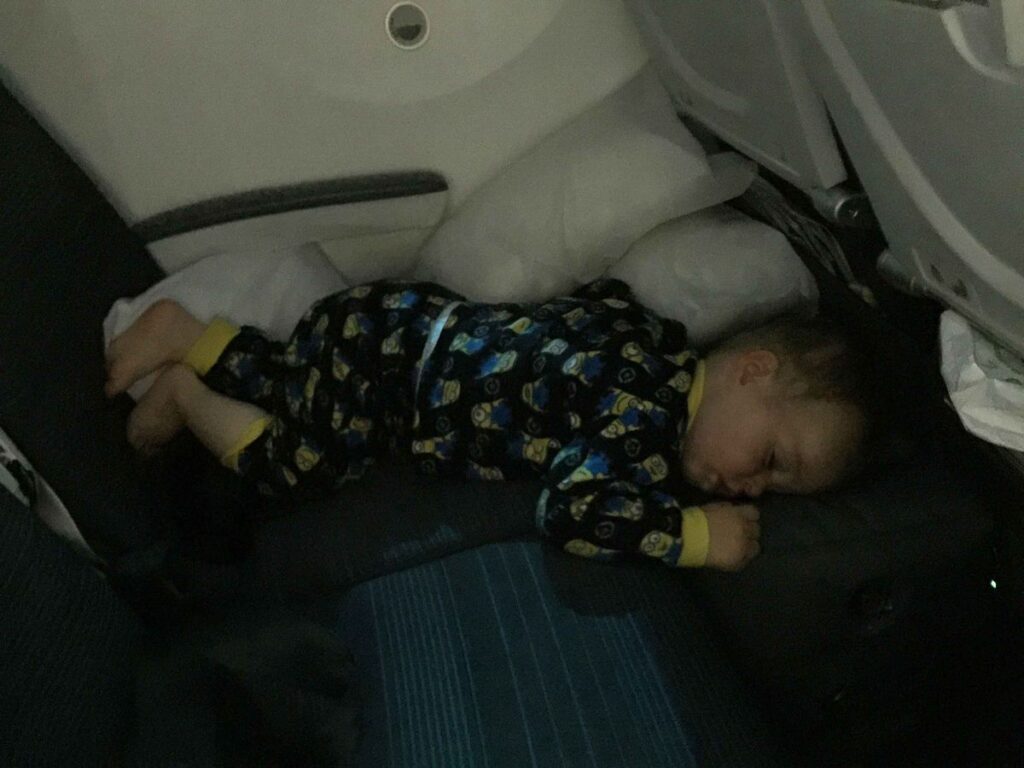
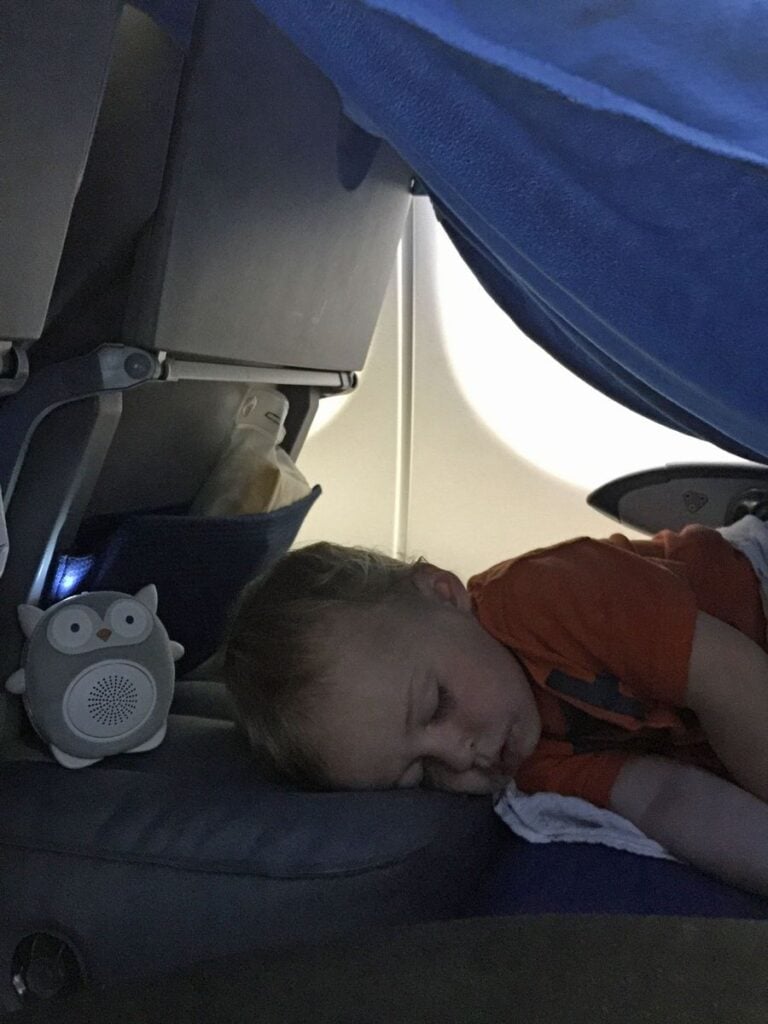
The Fly Tot system was developed to address the physical limitations of commercial aircraft seating. By filling the floor space between the passenger’s seat and the seatback ahead, the device creates a flat, extended surface. This modification allows children, typically between the ages of two and eight, to lie down rather than remaining confined to an upright position.
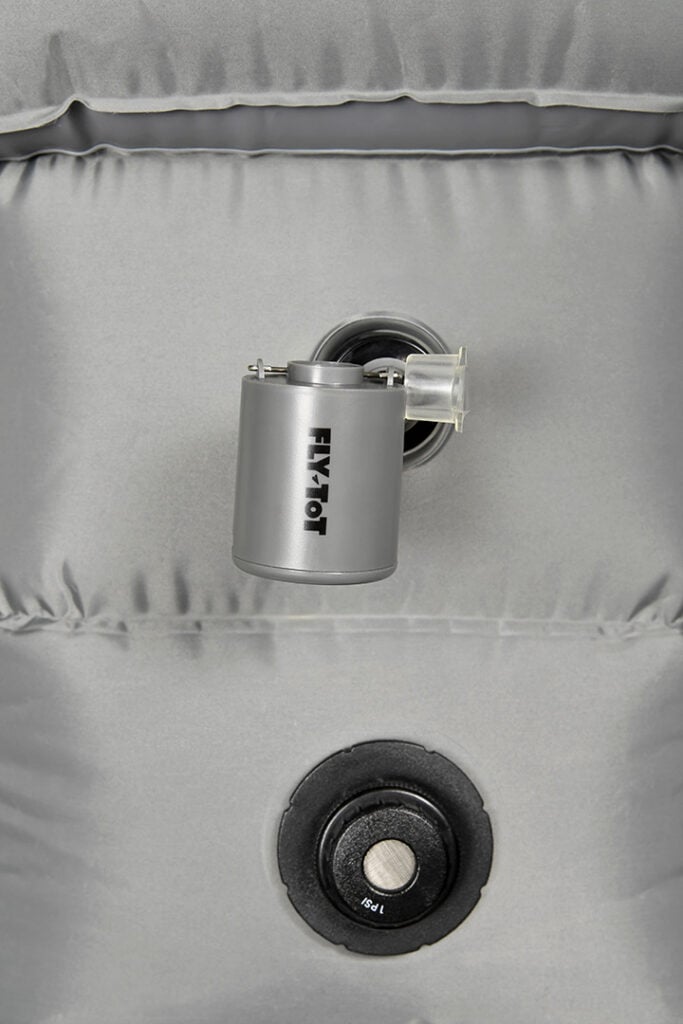
The product has undergone a series of design iterations since its inception. The current version, marketed as the Fly Tot Plus, incorporates several technical upgrades over the original model. Among these are a dual-width design intended to accommodate varying seat pitch and legroom configurations, and a patented emergency safety release valve. This valve is engineered to respond to sudden fluctuations in cabin pressure, automatically deflating the unit if necessary—a safety feature that was absent in earlier iterations. Furthermore, the inclusion of a rechargeable, high-speed electric pump, known as the "Tiny Pump," represents a departure from the larger manual bellows systems used in previous years, significantly reducing the physical volume of the gear for families navigating crowded airport terminals.

Chronology and Operational Context
The concept of utilizing inflatable seat extenders gained traction roughly a decade ago as families sought to replicate the comfort of business-class "lie-flat" seating within the economy cabin. For many, the primary catalyst for investing in such equipment is the logistical strain of red-eye flights. The standard practice of holding a toddler on one’s lap for 10 or more hours frequently leads to physical exhaustion for the parent and sleep deprivation for the child.

Early adopters of the original Fly Tot reported success in stabilizing sleep patterns, though the implementation was often subject to the discretion of individual flight crews. Over the years, as the popularity of these devices grew, airlines began to formalize their stance on seat extenders. While some carriers have integrated policies regarding their use, many others maintain a prohibition, citing safety concerns related to evacuation pathways and the potential obstruction of life vest access. Consequently, the operational reality for parents remains fragmented, requiring them to verify specific airline policies prior to departure.

Regulatory and Safety Considerations
The use of inflatable travel beds is not governed by a universal international standard. Safety regulators, including the Federal Aviation Administration (FAA) in the United States and the European Union Aviation Safety Agency (EASA), generally regulate child restraint systems (such as car seats) but provide less prescriptive guidance on comfort-based accessories like footrests and cushions.
Industry experts note that the primary concern for cabin crew is the integrity of the cabin during takeoff, landing, and emergency procedures. Because the Fly Tot and similar products are not certified child restraint systems (CRS), they cannot replace the safety belt. Airlines that allow these products typically require them to be stowed during critical phases of flight, such as taxiing, takeoff, and landing, or whenever the "fasten seatbelt" sign is illuminated. The burden of compliance lies with the guardian, who must ensure that the device does not prevent other passengers from accessing the aisle or emergency equipment.

Data-Driven Benefits for Family Travel
Statistical data on child sleep cycles suggests that consistent rest during transit directly correlates with reduced behavioral issues upon arrival. For toddlers who struggle with the confined, vertical orientation of an airplane seat, the ability to extend the legs or lie horizontally can improve sleep duration by an estimated 30 to 50 percent on flights exceeding eight hours.
Beyond sleep, the utility of the device extends to the management of "active play" time. By providing a contained area for toys, snacks, and coloring materials, the cushion acts as a platform that prevents items from falling into the difficult-to-reach areas of the aircraft floor. This minor environmental control can significantly reduce the level of parental stress associated with cabin cleanup and retrieval, which are common pain points during international travel.

Comparative Analysis of Travel Gear
The market for inflatable seat extenders is currently segmented into several distinct approaches. The Fly Tot utilizes a base-supported cushion design. In contrast, products like the Flyaway Kids Bed employ a system of straps and platforms that create a suspended sleeping area, which preserves the floor space beneath the seat. Other competitors, such as the Plane Pal, offer similar inflatable designs but vary in terms of inflation mechanisms, valve quality, and weight.

When evaluating these options, parents are encouraged to weigh factors such as weight, ease of inflation, and compatibility with specific airline policies. The Fly Tot’s current focus on a one-valve system and the compact electric pump offers a convenience advantage, particularly for solo parents or families traveling with multiple pieces of luggage. However, the requirement for a specific age range (two to eight years old) and the prohibition on use for infants under two remains a rigid constraint that users must respect.

Implications for the Future of Family Aviation
The ongoing adoption of inflatable travel beds signals a broader trend in family travel: the consumerization of comfort. As airlines continue to densify cabin configurations to maximize yield, the space allocated per passenger has effectively decreased. This macro-trend has created a secondary market for comfort-enabling devices, as parents seek to "buy back" the space lost to industry-wide seat pitch reductions.

While the Fly Tot and similar products provide a measurable improvement to the in-flight experience, their long-term viability depends on the harmonization of airline policies. If international carriers move toward a unified set of standards—either strictly banning all inflatable devices or creating a certification process for "safe" travel beds—the market will stabilize. In the current environment, however, travelers must navigate a patchwork of regulations.

Best Practices for Utilization
For families planning to integrate a Fly Tot or similar device into their travel routine, several operational best practices have emerged:

- Advance Verification: Always contact the airline directly at least 72 hours before the flight. Requesting information specifically about "inflatable seat extenders" rather than "beds" can lead to clearer responses from customer service agents.
- Strategic Seating: Booking window seats is highly recommended. These positions are the least likely to interfere with the ingress and egress of other passengers, increasing the likelihood that cabin crew will permit the device to remain inflated.
- The "Cruising Altitude" Protocol: Adherence to the unspoken rule of waiting until the seatbelt sign is turned off and meal service is concluded is essential. Deploying the device while the cabin is busy is a frequent cause of conflict with flight attendants.
- Flexibility: The most successful users are those who remain prepared to deflate and stow the item immediately if requested. Maintaining a polite, cooperative relationship with the cabin crew is the most effective way to ensure a smooth journey.
The integration of such tools into family travel represents an attempt to bridge the gap between the logistical reality of economy class and the developmental needs of young children. As long as long-haul travel remains a necessity for global mobility, the demand for comfort-based interventions like the Fly Tot is expected to persist, reflecting the ongoing efforts of parents to mitigate the stressors of modern air travel.