Asheville, nestled in the heart of the Blue Ridge Mountains, has transitioned from a niche destination for outdoor enthusiasts and art lovers into a premier location for family-oriented tourism. As the city continues to see growth in domestic travel, particularly among families with children under the age of five, local infrastructure and businesses have adapted to meet the specific needs of parents traveling with toddlers and infants. With a population exceeding 94,000 and an economy heavily reliant on tourism and hospitality, Asheville offers a unique blend of urban accessibility and mountain-town charm that necessitates careful planning for those traveling with young children.

Infrastructure and Transportation Logistics
For families arriving by air, the Asheville Regional Airport (AVL) serves as the primary gateway. While the airport provides convenient proximity—located just 15 minutes from the city center—it maintains a limited schedule of direct flights compared to larger regional hubs. Travelers frequently opt for connections through Charlotte Douglas International Airport (CLT) or Greenville-Spartanburg International Airport (GSP), both of which require a multi-hour drive to reach the city.

Public transit options within Asheville are provided by the Asheville Redefines Transit (ART) system. The S3 South 3 route serves as the essential connector between the airport and the downtown ART Station. However, data on rider demographics and frequency suggest that rental vehicles remain the most efficient mode of transport for families. The flexibility offered by a personal vehicle is vital for accessing the suburban neighborhoods of West Asheville and Montford, as well as the more remote natural attractions that define the region. Notably, major rental car agencies operating at the Asheville airport do not consistently guarantee the availability of child safety seats, necessitating that parents plan for these requirements in advance, either by bringing personal equipment or utilizing local concierge rental services.

Accommodations and Neighborhood Dynamics
The hospitality sector in Asheville has responded to the influx of family travelers by diversifying accommodation options. Downtown Asheville remains the epicenter for tourists, offering high-density hotel options that cater to the needs of young families, such as the Renaissance Asheville Downtown Hotel, which provides amenities like saltwater pools, cribs, and high-chair services.

However, a shift in lodging preferences has been observed, with a rising demand for vacation rentals in residential districts. Neighborhoods such as Montford, characterized by historic architecture and a more residential atmosphere, provide a quieter environment for families. According to local real estate and tourism reports, the trend toward short-term rentals has allowed families to secure properties with kitchens and multiple rooms, significantly easing the logistical burden of maintaining infant sleep schedules and meal routines while traveling.

Curated Experiences: Parks and Educational Centers
The city’s park system serves as a cornerstone for family entertainment, emphasizing accessibility and safety. The Tempie Avery Montford Community Center, for instance, features modern, shock-absorbent flooring, a critical safety standard for toddlers. Similarly, the Roy Pope Memorial Park has become a model for urban park design, featuring fully enclosed play areas that allow for parental supervision while mitigating the risks of busy street traffic.

Educational tourism also plays a significant role in the city’s appeal. The Asheville Art Museum and the Asheville Museum of Science (AMOS) have implemented dedicated children’s programming. These institutions provide climate-controlled environments that are essential during the variable weather conditions common in Western North Carolina. The integration of interactive, tactile exhibits at these locations supports early childhood development, positioning Asheville as more than just a destination for sightseeing, but as a site for family engagement.

Economic and Cultural Integration of Families
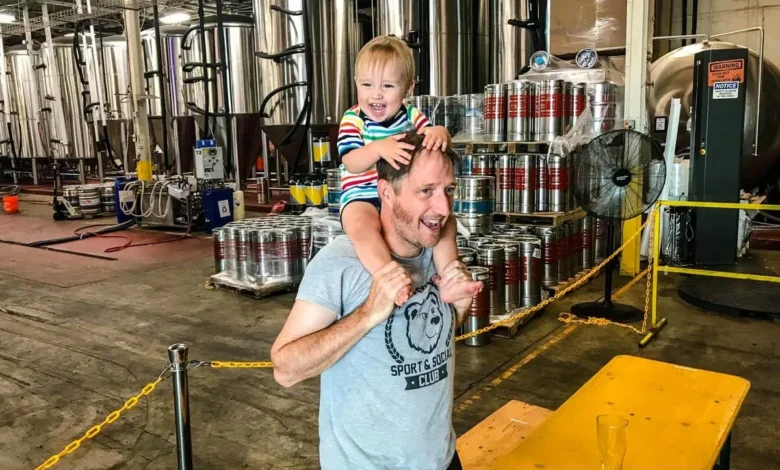
A notable characteristic of Asheville’s modern tourism economy is the inclusion of families in spaces traditionally reserved for adults. The city’s vibrant brewery culture, which is a major driver of local tax revenue, has evolved to become surprisingly family-centric. Establishments like New Belgium Brewing, which operates on a B Corp model, have designed their facilities with expansive, fenced-in outdoor spaces. This deliberate design choice allows for social interaction among adults while providing a secure space for children to play.

This integration is not accidental; it is part of a broader strategy by local business owners to foster a community-first atmosphere. By providing high chairs, changing tables, and, in some cases, dedicated play areas, these businesses encourage longer stays and repeat patronage from family units. Economic analysts note that this "family-friendly" shift has helped diversify the city’s tourism base, ensuring a steady flow of visitors outside of the traditional peak seasons for leaf-peeping or winter sports.

Outdoor Exploration and Environmental Stewardship
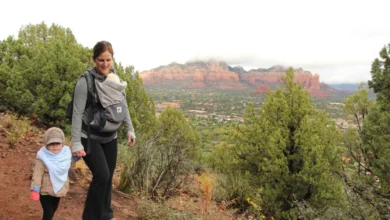
The proximity to the Blue Ridge Parkway offers unparalleled opportunities for nature exposure. The Craggy Pinnacle Trail is frequently cited as a high-value destination for families with infants, as it provides high-altitude views without the necessity of strenuous, multi-day hiking. For families with toddlers who possess limited stamina, areas like Bent Creek offer flat, accessible paths where children can interact with the environment in a low-stress setting.

The Western North Carolina (WNC) Nature Center serves as a critical bridge between environmental education and recreation. By showcasing native wildlife—including otters, bears, and various reptiles—the center serves an educational mission that aligns with the city’s broader goals of ecological preservation. The facility’s layout is specifically designed to be navigable with standard strollers, an important consideration for parents planning a full day of activity.

Challenges and Future Implications
Despite the growth in family-friendly infrastructure, challenges remain. The rising cost of urban real estate has placed pressure on the service industry, leading to concerns regarding the long-term sustainability of the local workforce. As more visitors flock to the area, the city must balance the needs of tourism with the quality of life for its residents.

Furthermore, the reliance on the automotive industry for transit remains a point of friction. As the city explores future infrastructure projects, local planning committees are increasingly considering pedestrian-friendly zones that could better accommodate families on foot. The current reliance on personal vehicles to reach key attractions like the Biltmore Estate—which remains the region’s largest tourist draw—highlights a need for improved shuttle connectivity or more comprehensive public transit solutions.

Conclusion and Strategic Advice
For the modern family, Asheville represents a balance between urban amenities and natural beauty. The city has successfully leveraged its cultural assets—from its robust craft beverage industry to its commitment to the arts—to create an environment that welcomes, rather than excludes, younger travelers.

To maximize a visit, experts suggest a "hub-and-spoke" approach: utilizing a central, well-equipped rental or hotel as a base, and taking advantage of the diverse, accessible, and increasingly family-oriented public and private spaces throughout the region. As Asheville continues to refine its identity as a family-friendly mountain destination, it remains a testament to the idea that travel with young children need not be a sacrifice of personal interests, but rather an opportunity for shared discovery. By planning for the unique constraints of toddler and infant travel—such as gear logistics, nap schedules, and the necessity of flexible, open spaces—families can successfully navigate the city’s complex landscape while contributing to the local economy and community development.