The Evolution of the African Walking Safari: Why Northern Hwange is Redefining Adventure Travel in 2026

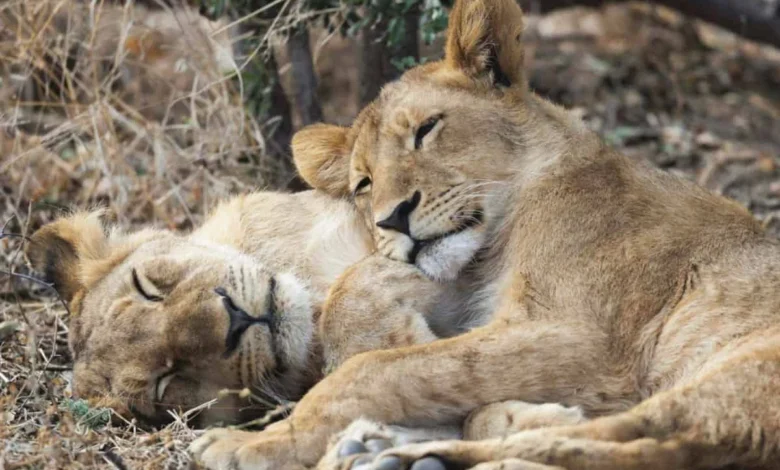
When global travelers conceptualize a walking trail, the expectations are universally standardized: a clearly mapped route, signage guiding every junction, and a closed loop designed to return hikers to their starting point after a scenic climb. It is a structured outdoor pastime built on paths forged by others. Yet, in the rugged interior of Zimbabwe, the conventional trail system is entirely inverted. Here, a walking safari is not an auxiliary excursion tacked onto a vehicle-based itinerary; it is the absolute core of the wilderness experience, replacing the engine entirely with the rhythm of footfalls on ancient earth.
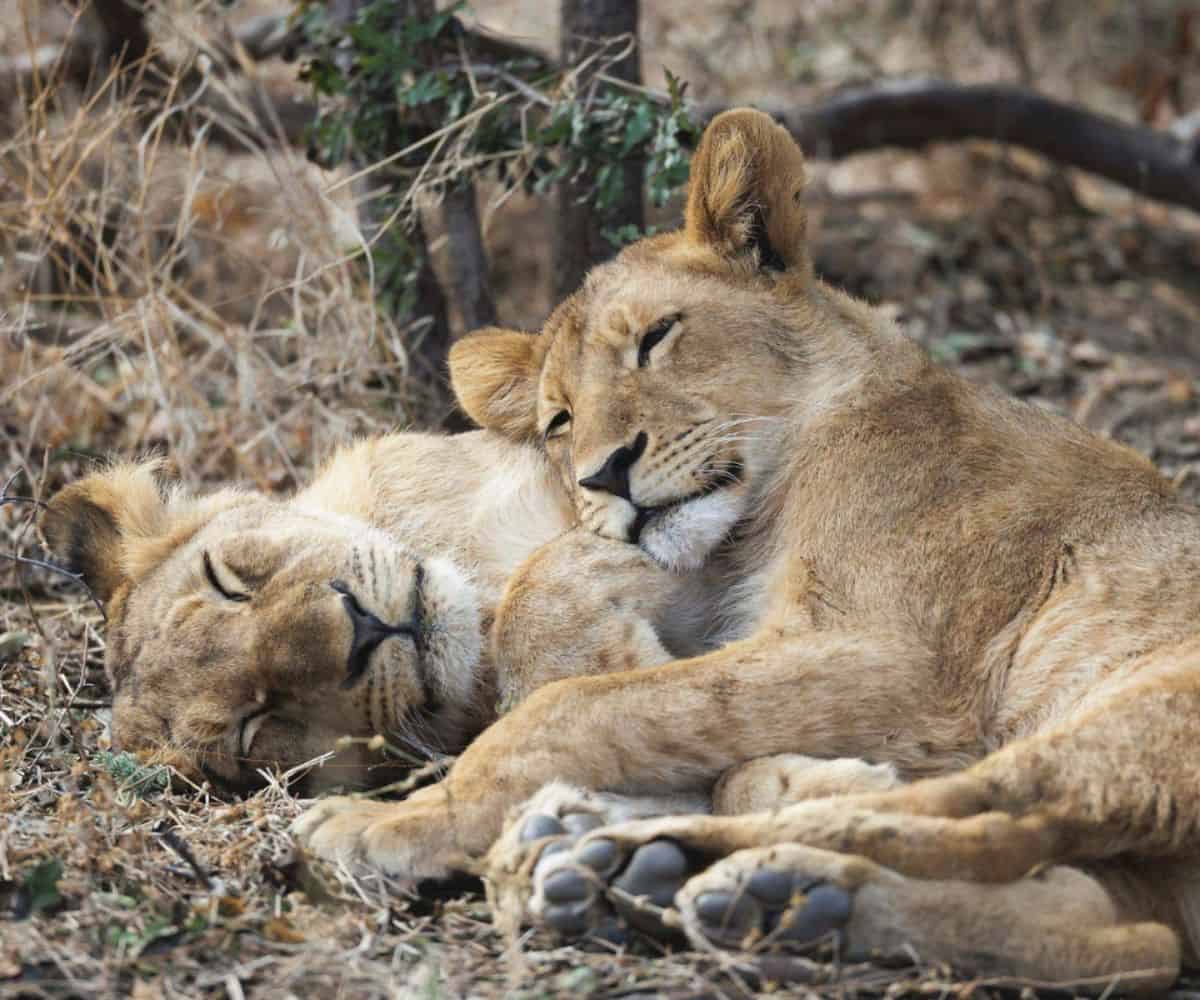
The distinction lies not merely in the method of locomotion, but in the philosophy of the journey. In Zimbabwe’s prime wilderness regions, particularly within the untamed landscapes of Northern Hwange National Park, the journey is defined by what happens between departure and arrival. There are no man-made footpaths, no cleared rights-of-way, and no predetermined itineraries set in stone. Instead, each daily expedition unfolds dynamically along ancient elephant thoroughfares, seasonal riverbeds, and immemorial game trails shaped by generations of wildlife. The route is fluid, responsive to fresh spoor, shifting winds, and the unpredictable movements of breeding herds.
The Historical Context of the Modern Walking Safari
While neighboring Zambia is historically recognized as the birthplace of the modern commercial walking safari—pioneered in the mid-20th century by conservationists like Norman Carr in the South Luangwa Valley—Zimbabwe has quietly cultivated its own distinct legacy. Over the decades, the country has refined the discipline into an elite art form. This preeminence is anchored not in boasting a higher density of game than other southern African nations, but in the rigorous, uncompromising standard of its professional guiding community.
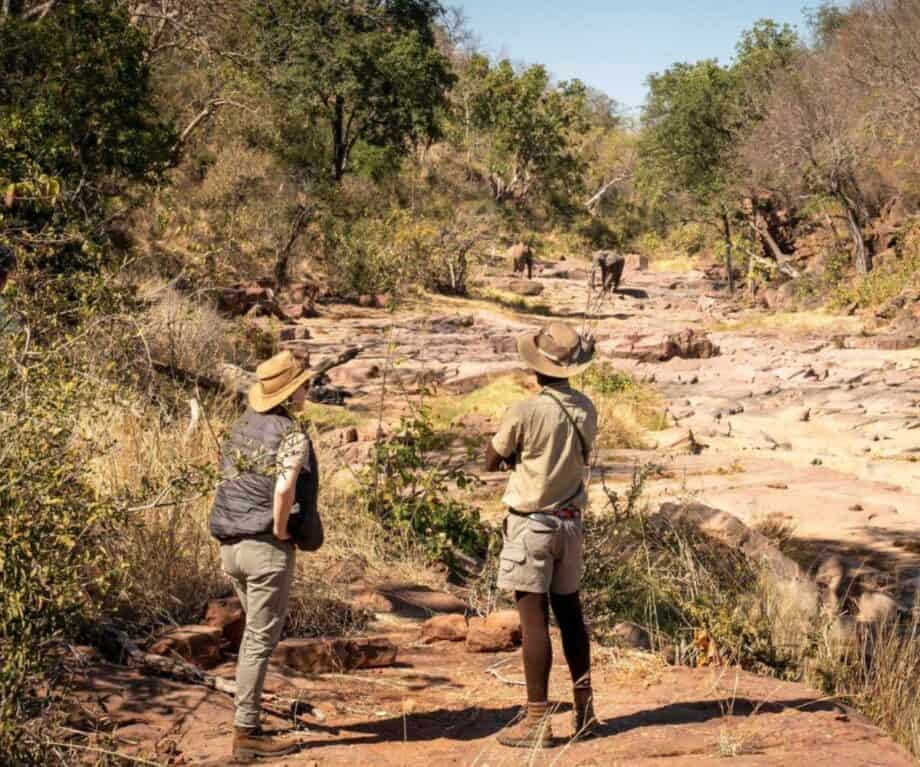
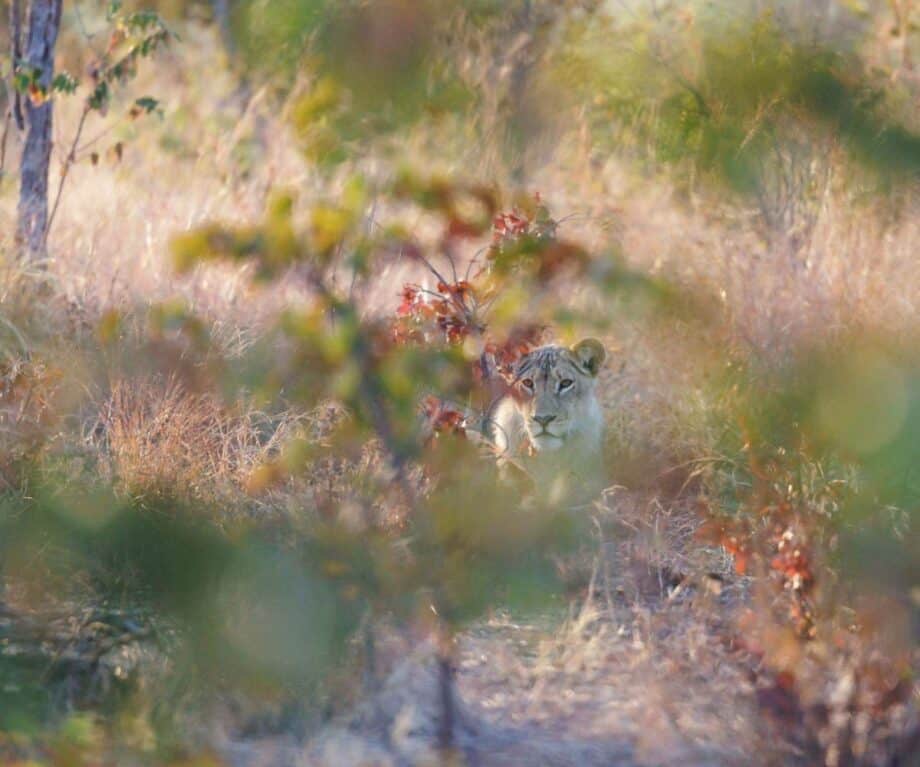
The Zimbabwe Professional Guides Association (ZPGA) administers what is widely acknowledged as the most demanding and rigorous professional guide licensing examination system on the African continent. Aspiring guides must dedicate years—often a decade or more—to an exhaustive apprenticeship. Trainees accumulate thousands of hours studying advanced ecology, complex animal behavior, indigenous tracking, stellar navigation, traditional bushcraft, and the delicate protocols of wilderness safety before they are ever permitted to lead paying guests on foot through territories inhabited by dangerous game such as lions, elephants, buffalo, and leopards.
This intense preparation manifests in the field as an exceptional level of interpretation. Where an amateur observer might notice only a broken branch or a patch of displaced sand, a Zimbabwean guide decodes a complex narrative. A snap of a twig becomes an acoustic map of passing fauna; an alarm call from a francolin transforms into an early warning system for a resting predator; fresh spoor left in the dust yields data regarding the sex, age, and recent trajectory of the animal that left it.
The Geographical Anatomy of Northern Hwange National Park
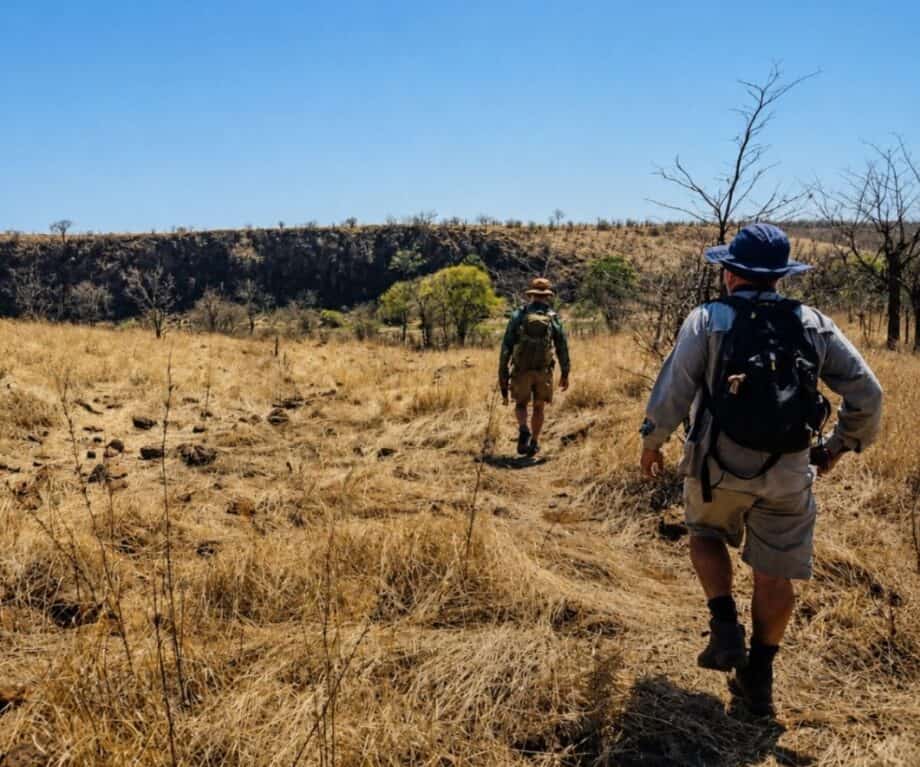
To understand why walking safaris in Zimbabwe achieve such profound depth, one must examine the geography that hosts them. Spanning over 14,600 square kilometers, Hwange National Park is Zimbabwe’s largest game reserve. While the southern and central sectors are dominated by expansive, arid Kalahari fossil sand plains and open grasslands, the northern tier presents a radically different topographical canvas.
Northern Hwange is characterized by dramatic sandstone hills, deeply incised rocky gorges, natural permanent springs, and the meandering course of the Deka River. This topography creates an ecological mosaic that is uniquely suited for exploration on foot. As walkers transition from open mopane woodlands to rugged escarpments and riparian corridors, the landscape shifts organically.
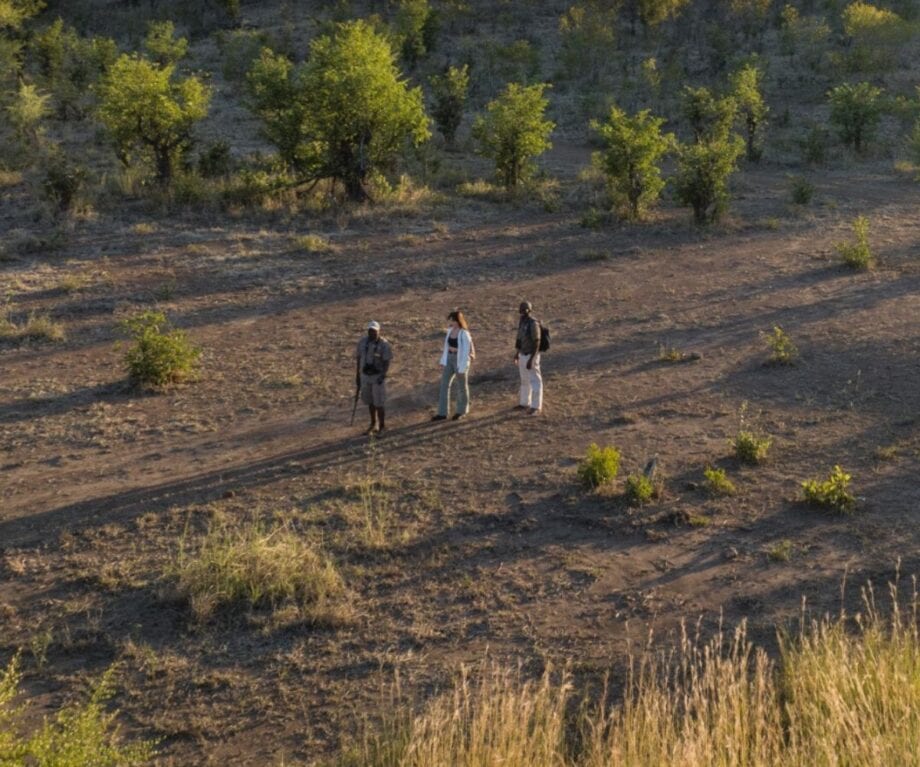
This terrain also carries layers of profound human history. Archaeological sites throughout the northern sector feature ancient Nambya stone-walled settlements, San hunter-gatherer rock art, and vast petrified forests that date back millions of years. These enduring artifacts remind modern travelers that human beings have been reading and interacting with this specific landscape for millennia. Consequently, a walking safari in Northern Hwange transcends traditional wildlife viewing, integrating natural history, geology, archaeology, and ecology into a seamless, unified narrative.
The Strategic Advantage of Private Concessions
A critical factor enabling the preservation and growth of authentic walking safaris in Northern Hwange is the strategic utilization of private concessions. Operating outside the high-density public tourism hubs, these exclusive-use zones afford specialized safari operators and their armed professional guides the autonomy required for true wilderness exploration.
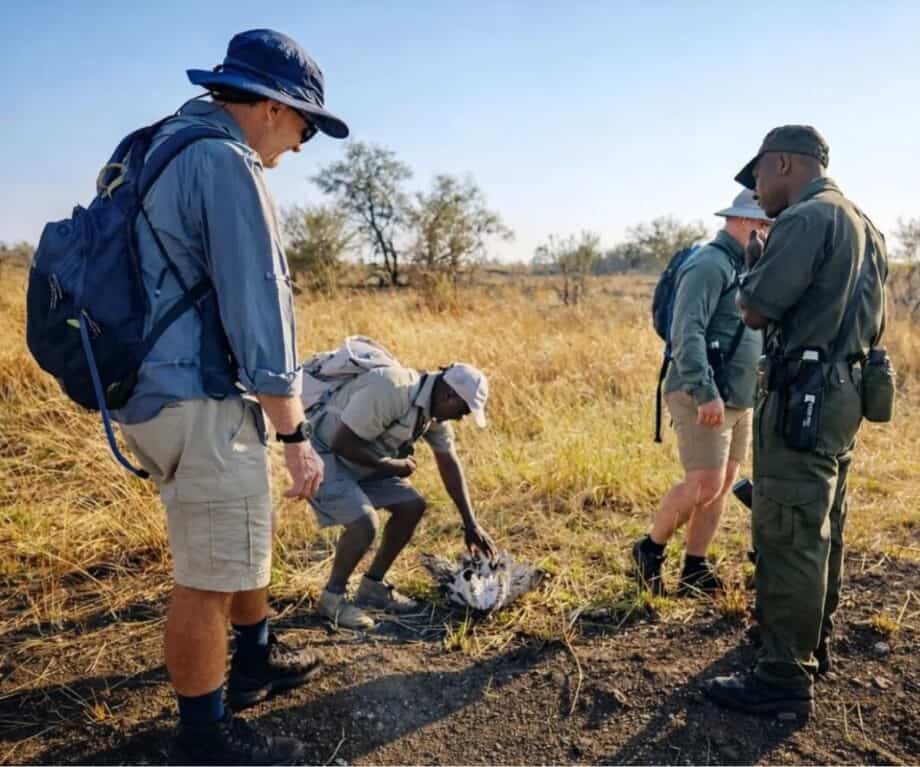
In a standard national park scenario, vehicular traffic is frequently bound to designated roads, and multiple vehicles often converge on high-profile wildlife sightings, creating logistical bottlenecks. Within private concessions, however, visitor caps are strictly enforced, and off-road driving or unhindered walking is permitted under controlled conditions. This regulatory framework eliminates vehicular congestion and allows guides to adapt their routes in real time. If a fresh pack of wild dog tracks crosses the path at dawn, the safari can pivot immediately to follow them. If an elephant herd lingers peacefully at a natural waterhole, the walking party can pause indefinitely, observing social dynamics without pressure or time constraints.
Industry data from regional tourism boards indicates a growing global demand for low-impact, high-immersion travel experiences. Modern travelers increasingly seek to decouple from hyper-connected, fast-paced itineraries in favor of slow, contemplative journeys that prioritize conservation integrity and deep engagement with nature. Private concessions in Zimbabwe cater precisely to this demographic shift, offering a level of exclusivity and solitude that is increasingly rare in contemporary global tourism.
Implications for Conservation and Eco-Tourism
The expansion of walking safari tourism in regions like Northern Hwange carries significant economic and ecological implications for Zimbabwe’s wildlife management framework. By generating sustainable revenue through high-value, low-volume tourism, private concessions provide vital financial support for anti-poaching units, habitat preservation, and community-based conservation initiatives.
Furthermore, walking safaris have a negligible carbon footprint compared to traditional vehicle-based game viewing. By relying entirely on human locomotion, these operations minimize mechanical wear and tear on sensitive habitats, reduce fossil fuel consumption, and eliminate noise pollution in pristine environments. Conservationists note that this minimalist approach fosters a heightened sense of stewardship among visitors, who return home not just as tourists, but as informed advocates for African biodiversity conservation.
The Paradigm Shift in Wildlife Observation
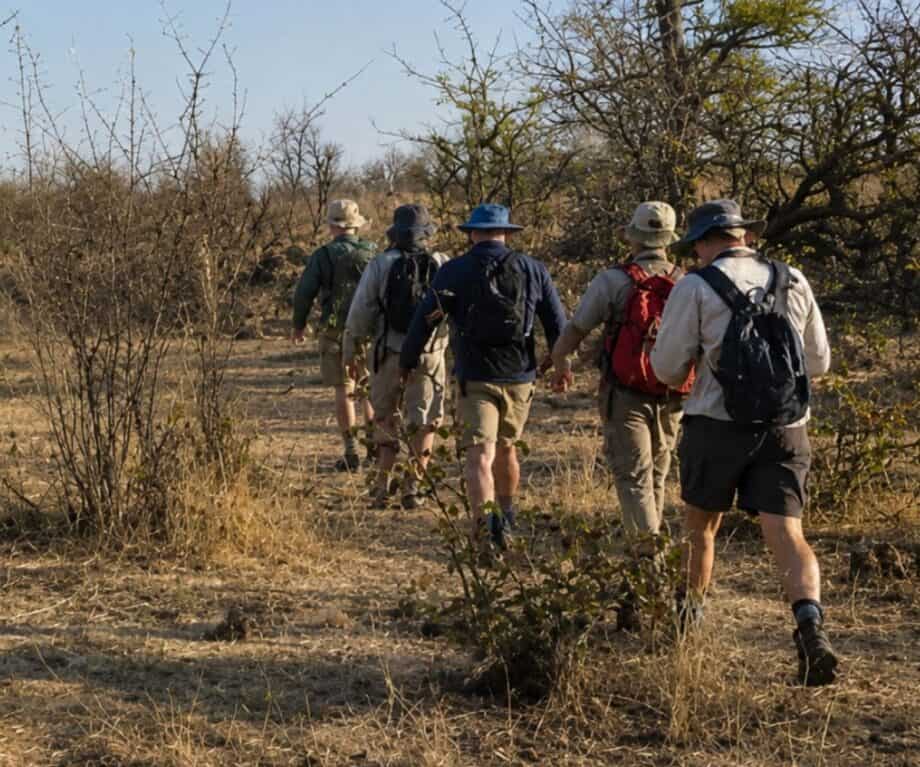
Ultimately, the enduring appeal of the Zimbabwean walking safari lies in its psychological impact on the traveler. By removing the protective metal chassis of a Land Cruiser and placing participants directly on the earth, the dynamic between human and beast fundamentally shifts. Vulnerability gives way to heightened awareness.
The senses recalibrate: the scent of wild sage after a morning mist, the searing heat of the mid-day sun, the distant roar of a lion echoing across a gorge, and the fine dust settling beneath one’s boots all merge to create an unforgettable immersion. By the conclusion of such a journey, the absence of a marked trail ceases to feel like an omission. Instead, it serves as a powerful reminder that the most rewarding paths in life are those that require us to look closely, listen intently, and retrace the ancient steps of the natural world.