Saba: How the Unspoiled Queen of the Caribbean Balances Preservation with Sustainable Tourism

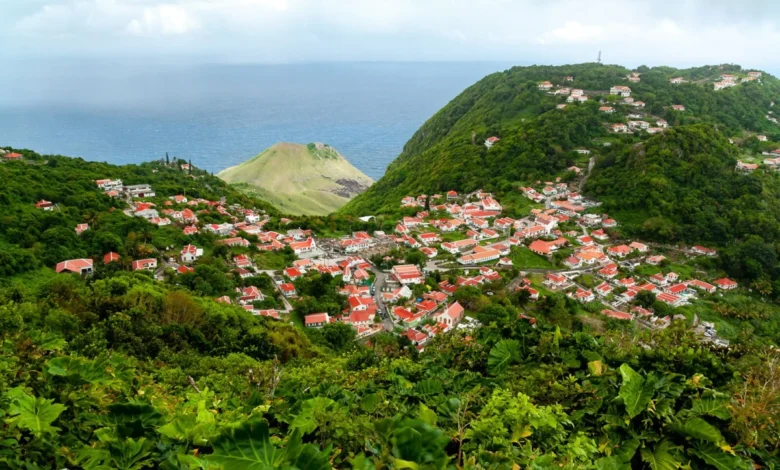
Saba, a five-square-mile volcanic island in the Caribbean Netherlands, stands as a distinct outlier in a region often defined by mass tourism, sprawling all-inclusive resorts, and heavy cruise ship traffic. With nearly one-third of its total landmass officially protected under a robust network of national parks, the island has maintained a delicate equilibrium between economic viability and environmental conservation. This strategic approach to land management has earned the island its enduring moniker, "The Unspoiled Queen of the Caribbean," a title that reflects both its rugged, untamed geography and its deliberate rejection of traditional, high-density development.
The Foundation of Conservation
The island’s ecological strategy is anchored by the Saba Conservation Foundation (SCF), which oversees three critical pillars of environmental protection: the Mount Scenery National Park, the Saba National Marine Park, and the Saba Bank National Park. These entities are not merely administrative labels; they represent a rigorous framework designed to limit human impact on the island’s sensitive ecosystems.
Tom Brokke, a Senior National Park Officer with the SCF, emphasizes that the island’s current state is the result of decades of intentional policy. "What makes Saba special is its natural beauty, the dramatic landscapes, and the fact that development has remained relatively small-scale and in character with the island," Brokke states. By favoring boutique hotels and locally owned enterprises over international chains, the island ensures that tourism revenue remains within the local economy while preventing the environmental degradation associated with large-scale construction. This model serves as a case study for sustainable tourism, proving that an island can remain economically active without compromising its core environmental assets.
A History Carved into Volcanic Rock
The logistical challenges of accessing and navigating Saba have historically acted as a natural barrier to over-tourism. The island’s only paved artery, known simply as "The Road," is a testament to the ingenuity and tenacity of its inhabitants. In the early 20th century, outside engineering firms famously declared that a road on such steep, volcanic terrain was impossible to build.
Undeterred, the Saban people began construction in 1938, teaching themselves the technical skills required to navigate the treacherous topography. Completed in 1963, the road remains a masterpiece of manual labor and local determination. It features sharp, hairpin turns and steep gradients that necessitate cautious driving and reliable, local transportation. This unique infrastructure prevents the influx of rental cars and large tour buses, maintaining a quiet, pedestrian-friendly atmosphere in the island’s main villages, such as Windwardside.
Exploring the Vertical Terrain
Saba’s topography is dominated by Mount Scenery, a potentially active volcano that serves as the highest point in the entire Kingdom of the Netherlands, reaching an elevation of 2,910 feet. The island’s biodiversity is organized into distinct vertical zones, ranging from dry coastal scrub to the humid, moss-draped cloud forest at the summit.
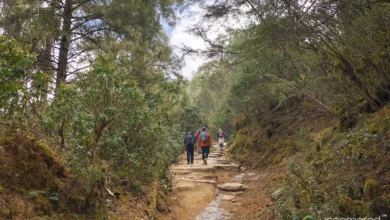
The island currently maintains a network of approximately 20 hiking trails, each designed to highlight different facets of this unique ecology. For those seeking a challenge, the climb to the summit of Mount Scenery offers an immersive experience in a high-altitude rainforest environment. For more moderate hikers, trails like the Mas’Cohones offer a glimpse into the dramatic shifts in flora that occur as one moves up the mountainside. Experts recommend that visitors prioritize appropriate footwear, as the tropical climate ensures that trails are frequently wet and the volcanic terrain is inherently uneven.
Beneath the Surface: The Marine Sanctuary
The commitment to preservation extends well beyond the coastline. Established in 1987, the Saba National Marine Park encompasses the entire coastal area surrounding the island, from the high-water mark down to a depth of 200 feet. This total protection zone has resulted in a thriving marine ecosystem that attracts researchers and divers from around the globe.
Marine biologists note that the lack of industrial runoff and strict adherence to anchoring regulations have allowed the coral reefs to maintain high levels of health compared to other Caribbean locations. Underwater, the volcanic nature of the island continues, with dramatic pinnacles and rock formations serving as habitats for diverse species, including sea turtles, nurse sharks, and vast schools of tropical fish. The success of the marine park is a primary driver of the island’s tourism sector, yet it remains managed with a focus on biological health rather than commercial volume.
Cultural Heritage and the "Island of Lace"
Beyond its natural features, Saba maintains a strong connection to its historical industries. In the 1870s, as the island’s men were frequently away at sea for extended periods, the women of Saba developed a sophisticated lace-making craft known as drawn threadwork. This skill became a vital economic lifeline, with lace being exported globally to North America and Europe.
While the introduction of electricity and modern manufacturing eventually diminished the economic necessity of the trade, the tradition has been kept alive by the "Lace Ladies." Figures like Peggy Barnes continue to lead workshops in Windwardside, ensuring that the techniques are passed down to younger generations. This commitment to cultural preservation is mirrored in other initiatives, such as the effort to revive traditional palm-plaiting—an art form that had largely vanished from the island until recent efforts to reintroduce it via international knowledge exchange. The Saba Heritage Center provides the necessary context for these traditions, serving as an archive for the island’s transition from a maritime community to a contemporary, tourism-oriented society.
Logistics of Sustainable Visitation
Reaching Saba remains a deliberate act, as there is no capacity for large cruise ships or direct long-haul flights. Travelers must first arrive in St. Maarten, from which they can take a 15-minute flight via Winair or a 90-minute ferry crossing. These transport options are limited by weather conditions and capacity, which naturally caps the number of visitors on the island at any given time.
The hospitality sector is equally constrained by the island’s code of conduct. Local ordinances mandate that buildings adhere to a specific architectural style—white walls, red shingled roofs, and green or red shutters with gingerbread trim. Properties like Juliana’s Hotel are indicative of this, offering modest, family-run accommodations that prioritize integration with the surrounding natural landscape.
The culinary scene reflects a similar commitment to local sourcing. Restaurants such as Tropics Cafe utilize ingredients grown on-island, while establishments like Brigadoon and The Hideaway emphasize the use of locally caught seafood, including the sustainable harvest of lobster from the protected Saba Bank.
Economic and Environmental Implications
The Saba model poses a significant question for the Caribbean tourism industry: Can growth be sustained through preservation rather than expansion? By limiting the number of visitors and ensuring that development is "in character," Saba has avoided the "tourist trap" phenomenon.
From an economic perspective, the island’s reliance on high-value, low-volume tourism creates a more stable, albeit smaller, revenue stream. The environmental implications are even more profound; by maintaining the integrity of its coral reefs and cloud forests, Saba preserves the very assets that draw visitors in the first place. As the region faces increasing threats from climate change and the degradation of natural habitats, Saba’s approach suggests that the most effective way to protect a destination is to ensure that the scale of human interaction remains secondary to the resilience of the ecosystem.
As of the current fiscal period, the island continues to monitor the impact of its tourism growth. The Saba Conservation Foundation remains the primary gatekeeper, ensuring that any new development or increase in visitor numbers is vetted against the long-term ecological goals of the territory. For the traveler, Saba offers an increasingly rare experience: a destination that feels genuinely remote, where the rhythm of life is dictated by the environment and the preservation of long-standing traditions rather than the demands of a globalized tourism market.