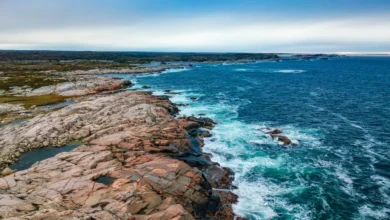
The Danish island of Samsø, situated approximately an hour’s ferry ride from Aarhus on the Danish mainland, stands as a pioneering blueprint for ecological transformation. Having previously earned global recognition as the world’s first territory to successfully transition from fossil fuels to 100 percent renewable energy, the island is now addressing a less visible historical wound: the depletion of its marine ecosystems caused by decades of industrial stone-fishing. Through the newly established underwater stone reef known as BARREEF, local residents, marine biologists, and climate experts are attempting to reverse a century of seabed degradation, adding a marine recovery chapter to an already renowned environmental success story.

From 1997 Contest to Energy Self-Sufficiency
The foundation of Samsø’s environmental identity was laid in 1997, when the island community of roughly 4,000 residents won a national competition launched by the Danish government to demonstrate how carbon emissions could be drastically reduced. Rather than relying on top-down mandates, the initiative was driven by community-wide collaboration. The Danish government provided financial backing for a single coordinator position, which was awarded to Søren Hermansen, a Samsø-born farmer later named an environmental hero by Time Magazine.
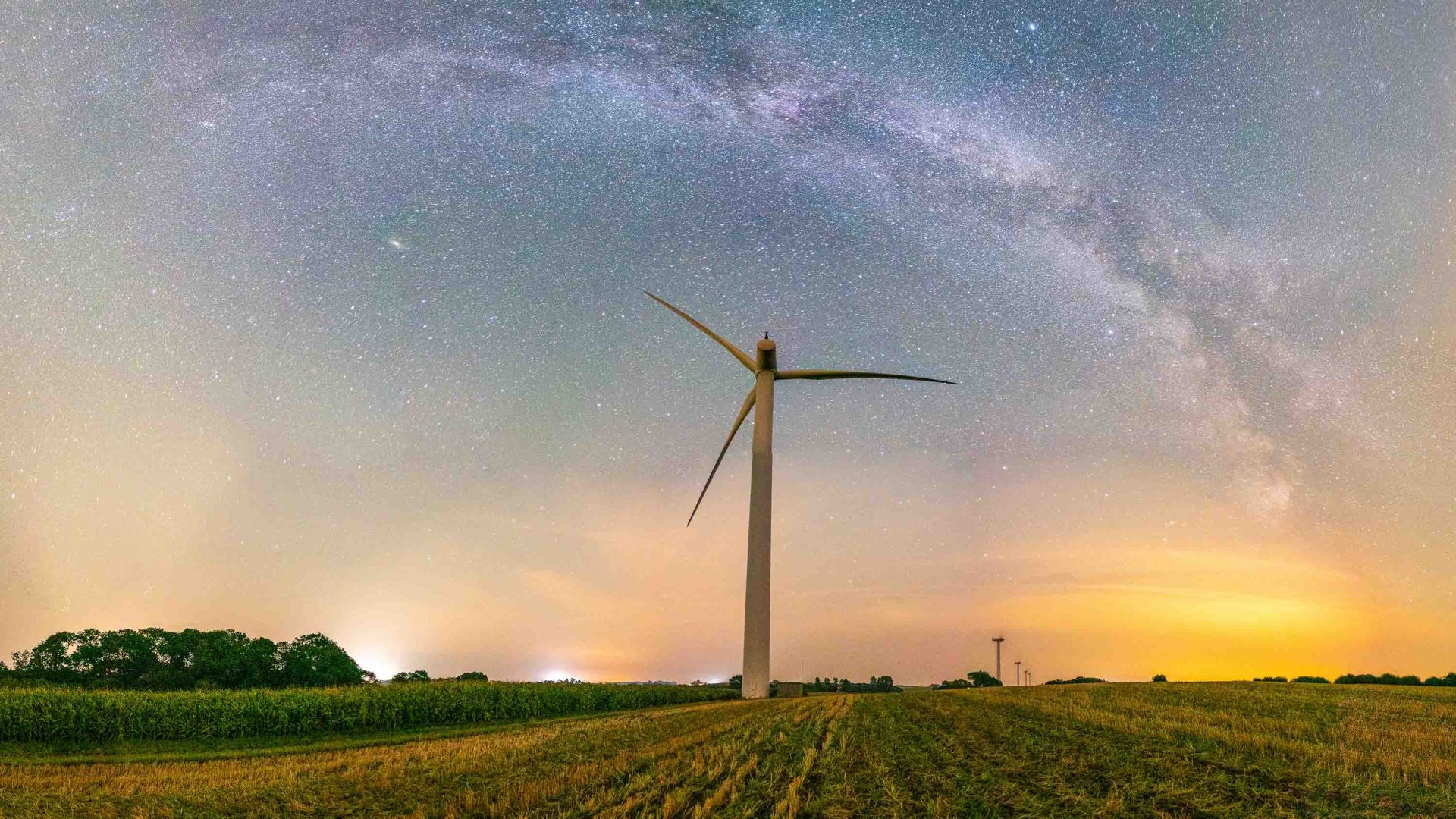
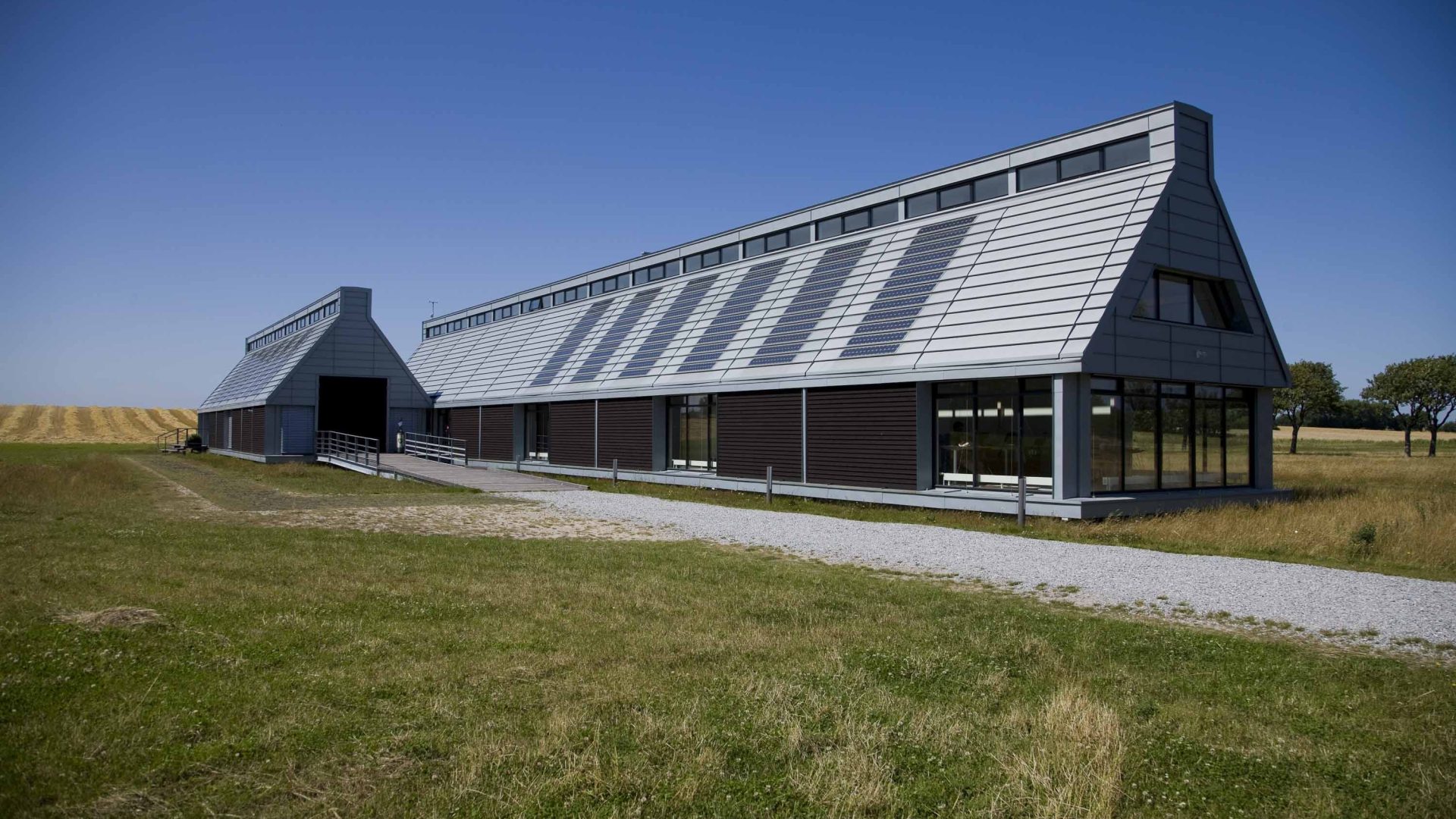
Anticipating resistance from generations-old farming families, Hermansen utilized a consensus-building approach that galvanized local ownership. Over subsequent years, the island’s energy grid was systematically overhauled. Funding pooled from the Samsø Municipality, local residents, and energy cooperatives enabled the construction of 21 wind turbines—10 offshore and 11 on land. The transition was further bolstered by the implementation of approximately 50 photovoltaic solar plants and biomass heating facilities powered by straw purchased directly from local agricultural producers.
Today, Samsø is effectively carbon-negative, generating an energy surplus that is exported to the Danish mainland. This surplus provides a financial return to the resident investors while establishing the island as a global reference point for decentralized clean energy systems. The establishment of the Samsø Energy Academy further cemented the island’s status as an international education and research hub for sustainable development.
The Human and Economic Ripple Effects
The ecological turnaround has fundamentally reshaped the social and economic fabric of Samsø. Historically affected by an aging demographic and outward migration, the island has experienced a demographic invigoration as younger residents choose to remain or return, drawn by green-collar employment and research opportunities.
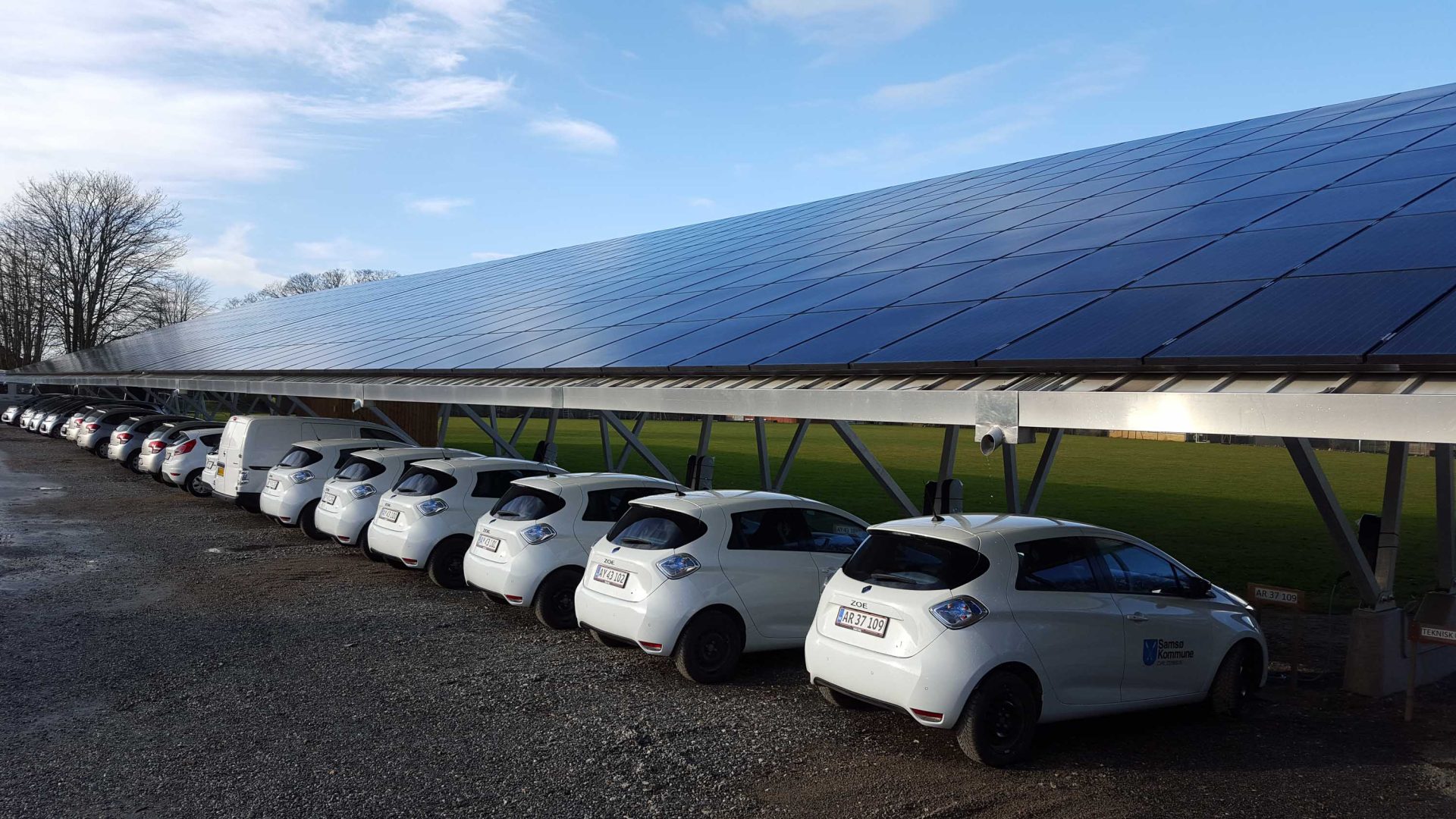
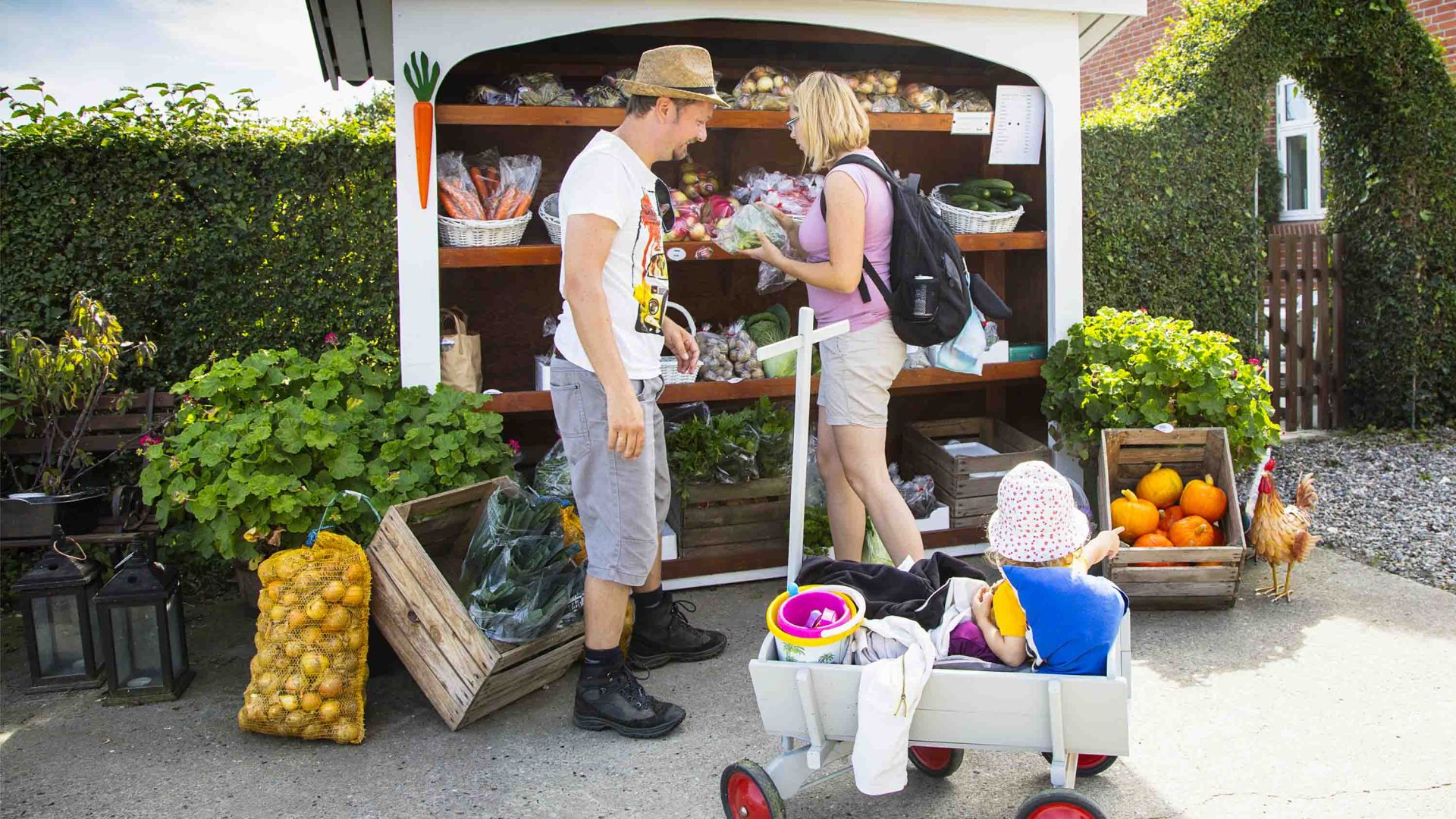
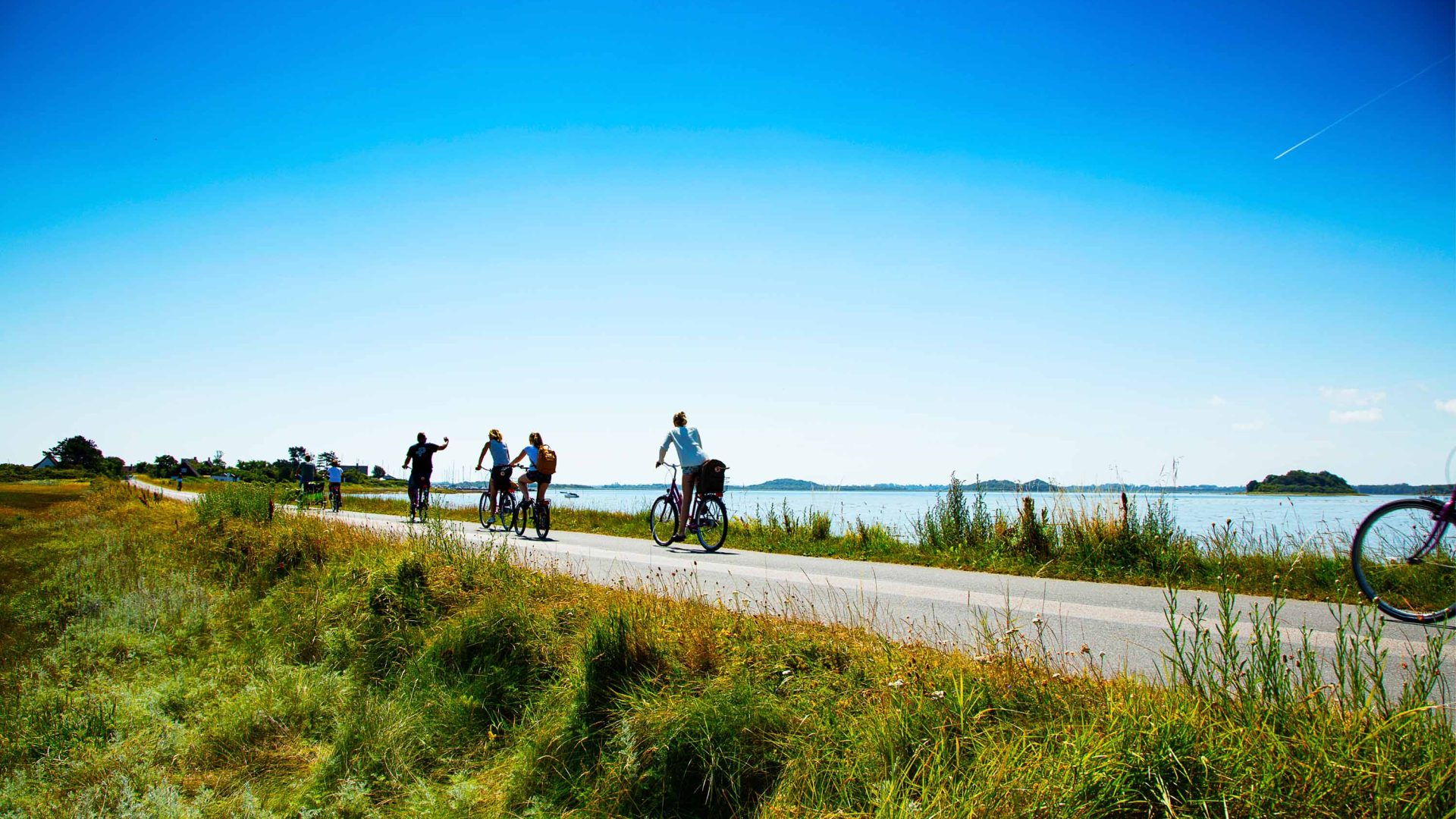
The local economy has similarly pivoted toward sustainability. Cafés, grocery stores, and farm shops increasingly stock exclusively local goods, minimizing food-mile-generated carbon emissions. Agricultural producers have diversified their operations, shifting from traditional high-intensity farming to value-added artisanal production, such as locally made jams, juices, and spirits. Furthermore, the island features extensive car-free zones and renewable-powered municipal vehicle fleets, reinforcing a low-impact lifestyle that attracts ecotourists, researchers, and policymakers from around the globe.
Reversing the Legacy of Stone-Fishing
While Samsø’s terrestrial achievements in renewable energy have been extensively documented in scholarly literature, its marine environment suffered from a different kind of exploitation throughout the 20th century. Between 1900 and 2000, approximately 9.15 million tons (8.3 million cubic meters)—equivalent to roughly eight Empire State Buildings—of stone were dredged from Danish seabeds for construction and maritime infrastructure projects.
This practice, known as stone-fishing, systematically stripped the shallow coastal waters of natural hard structures. For generations of local residents, the ecological decline was stark. Michael Kristensen, a Samsø native, recalls being able to fish directly from the beach during his childhood, only to watch marine habitats degrade significantly as he aged due to the removal of the seabed rocks that provided shelter and breeding grounds for aquatic life.
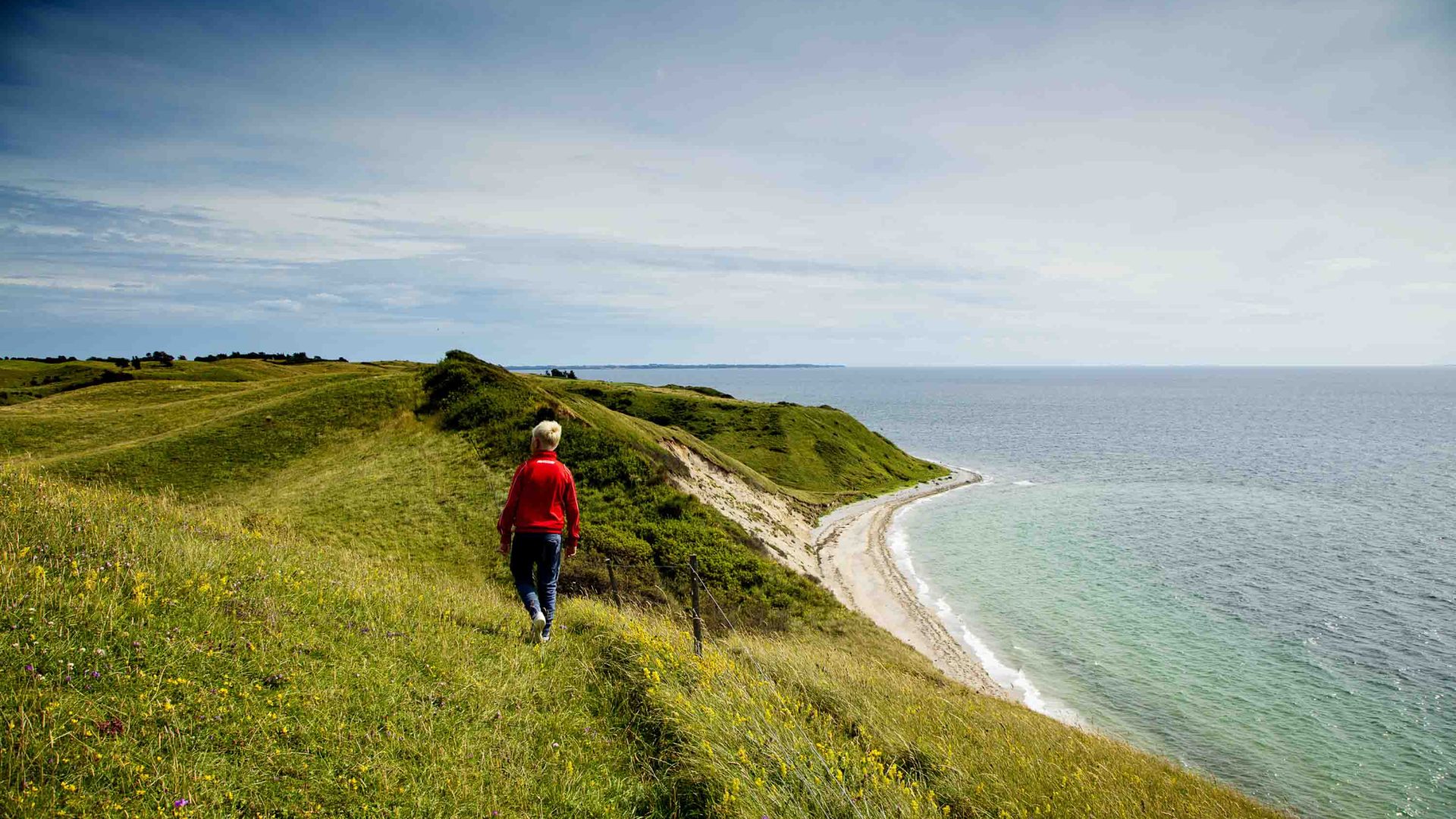
Although Denmark banned stone-fishing in 2010 as part of its broader legislative commitments toward national carbon neutrality by 2050, the structural damage to the marine ecosystem persisted. Recognizing that rocky underwater formations are critical havens for biodiversity—functioning similarly to coral reefs in their ability to support fish, crustaceans, and macroalgae—local stakeholders began exploring ways to restore the damaged coastal bed.
The Birth of BARREEF
The creation of BARREEF off Samsø’s southeastern coast near the harbor village of Ballen represents a multi-pronged environmental strategy. Initiated through a collaborative effort involving local residents, municipal authorities, and marine scientists, the project sought to achieve three primary objectives: mitigating coastal erosion along a storm-vulnerable stretch of gravel road, reinstating complex marine habitats, and fostering the growth of vital seagrass meadows between the reef and the shoreline.
The construction utilized 6,000 tonnes of granite waste procured from Norwegian quarries. Cécilie Erichsen Kudsk, a marine biologist from DTU Aqua (the National Institute of Aquatic Resources), notes that submerged hard structures play a critical role in ecological recovery, providing surfaces upon which organisms can anchor and colonize. In addition to habitat creation, such rock reefs contribute to carbon sequestration by capturing bicarbonate ions from the water and binding them with calcium to form durable skeletal structures, thereby locking carbon away over geological timescales.
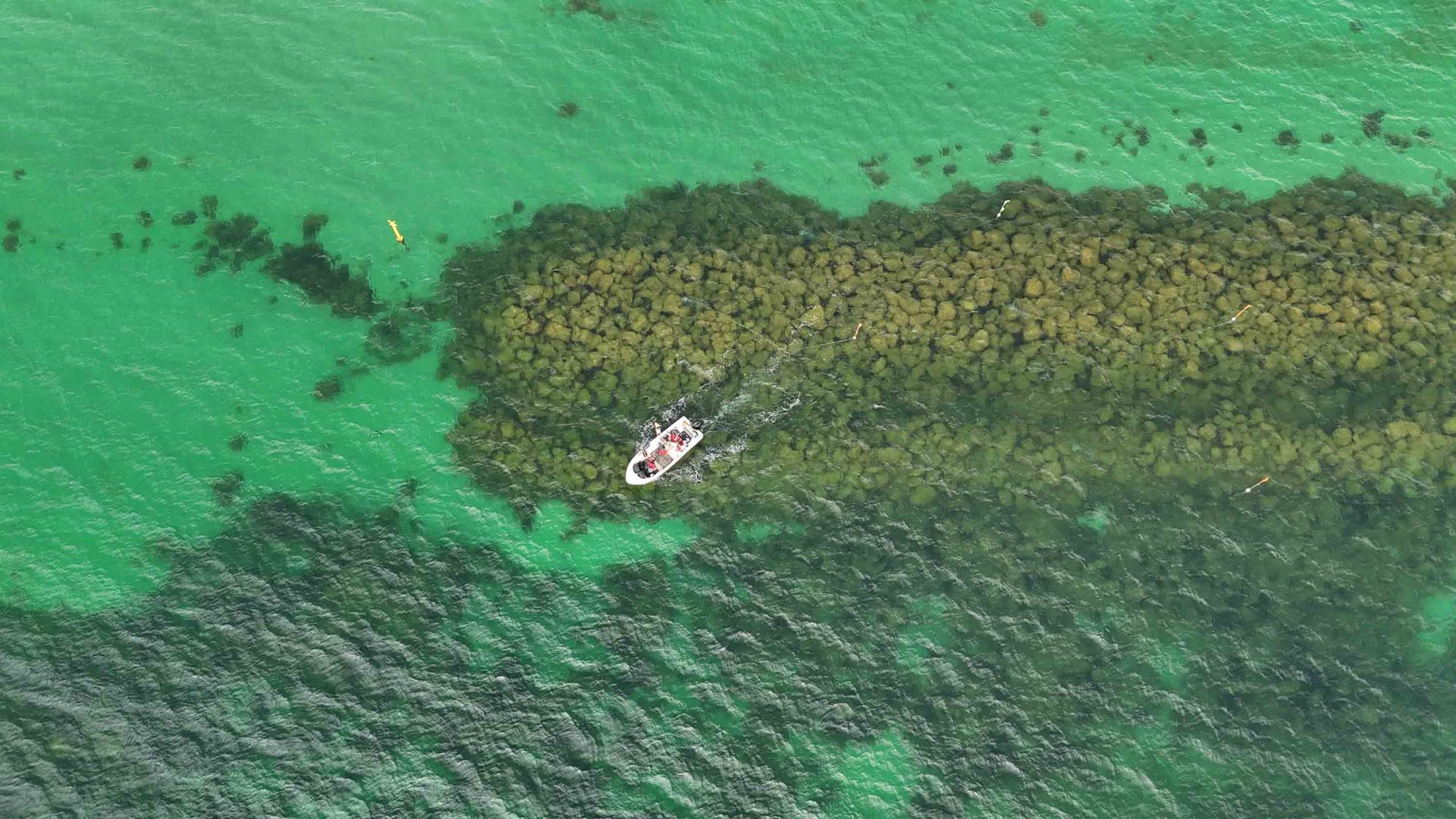
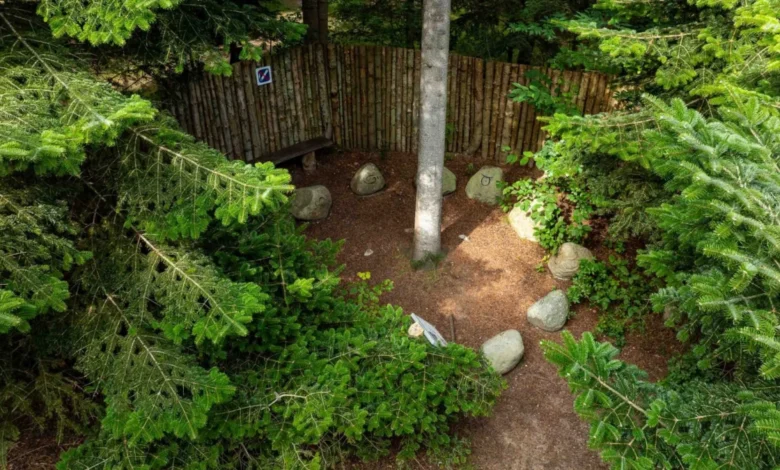
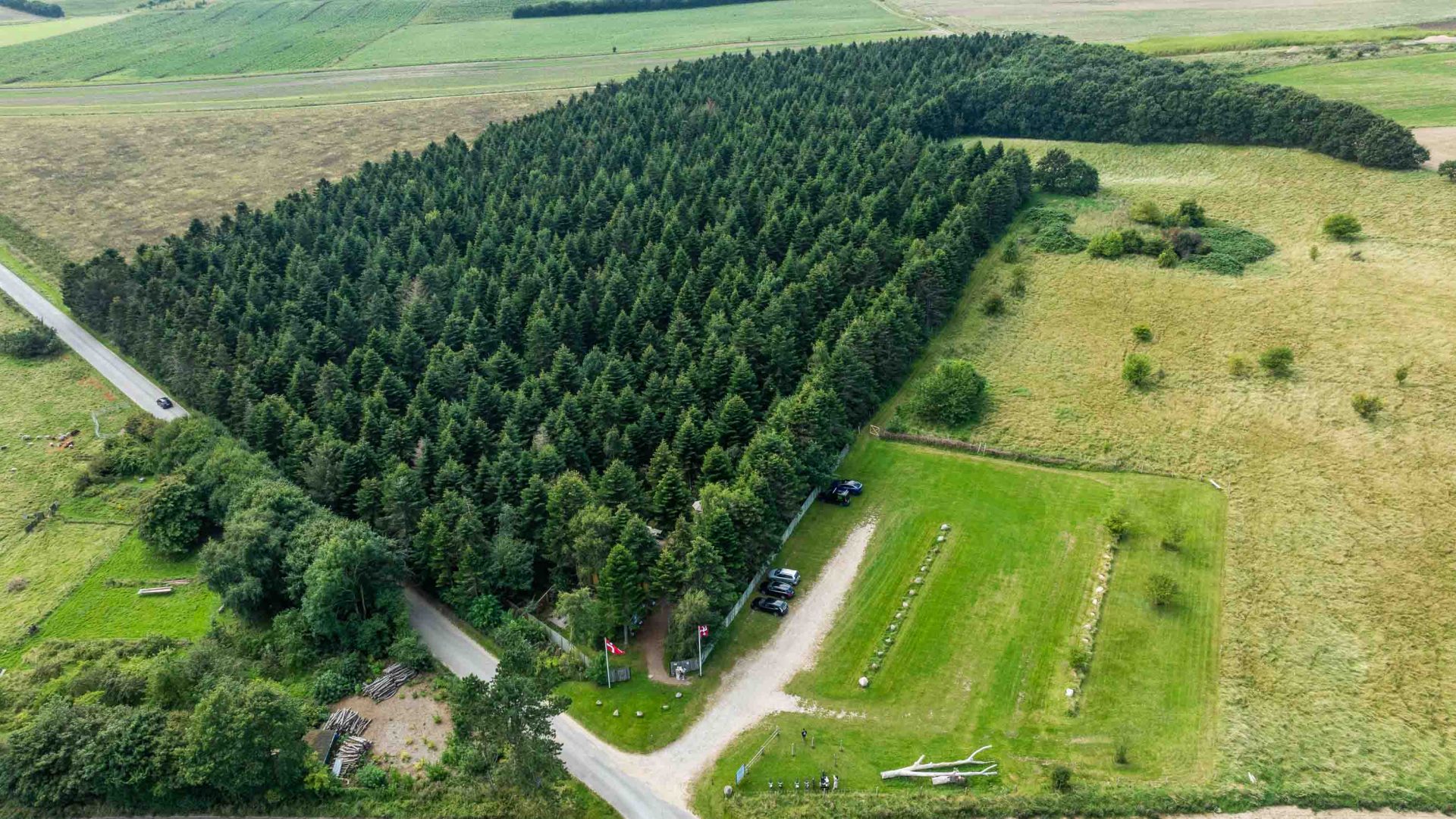
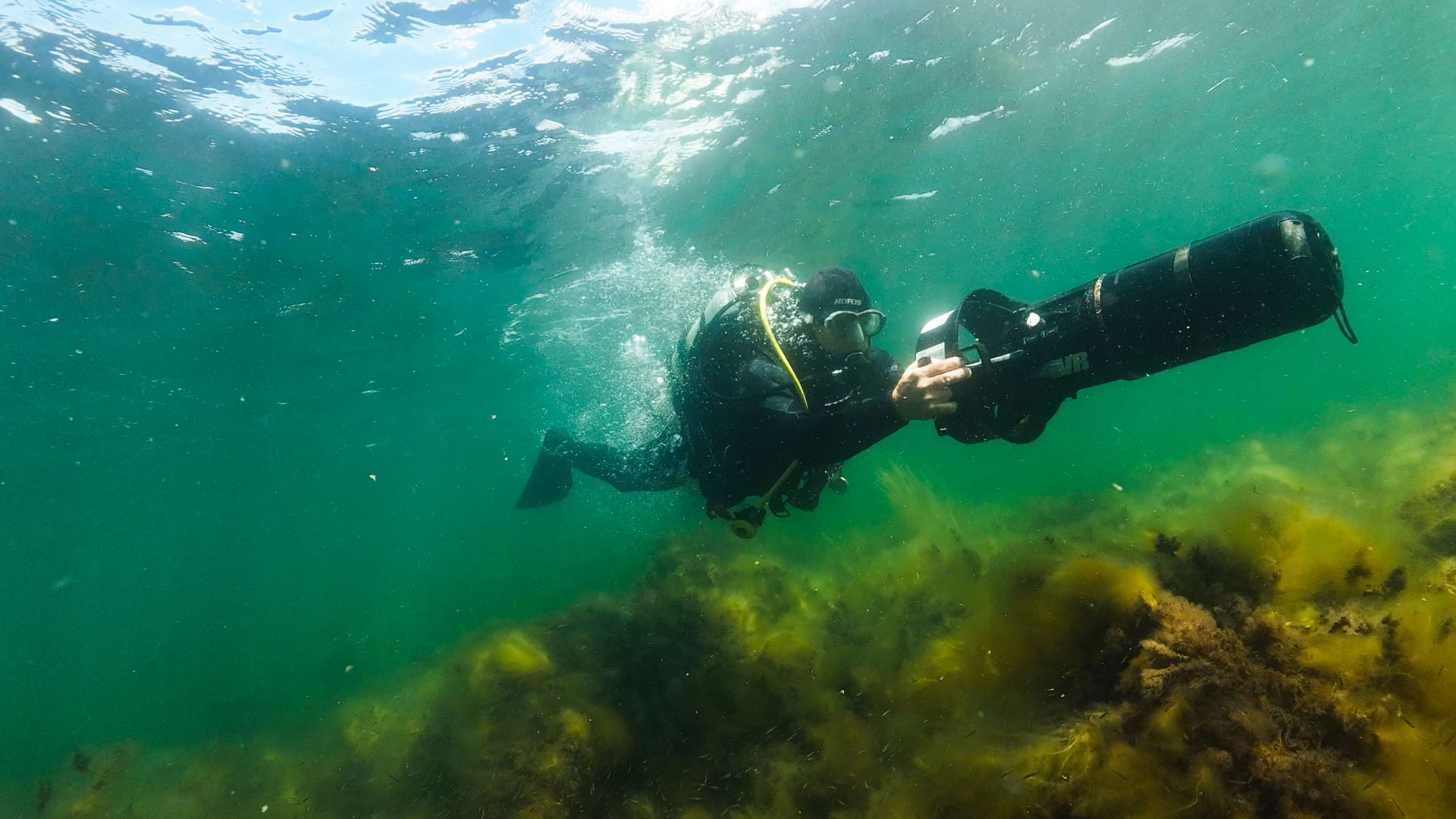
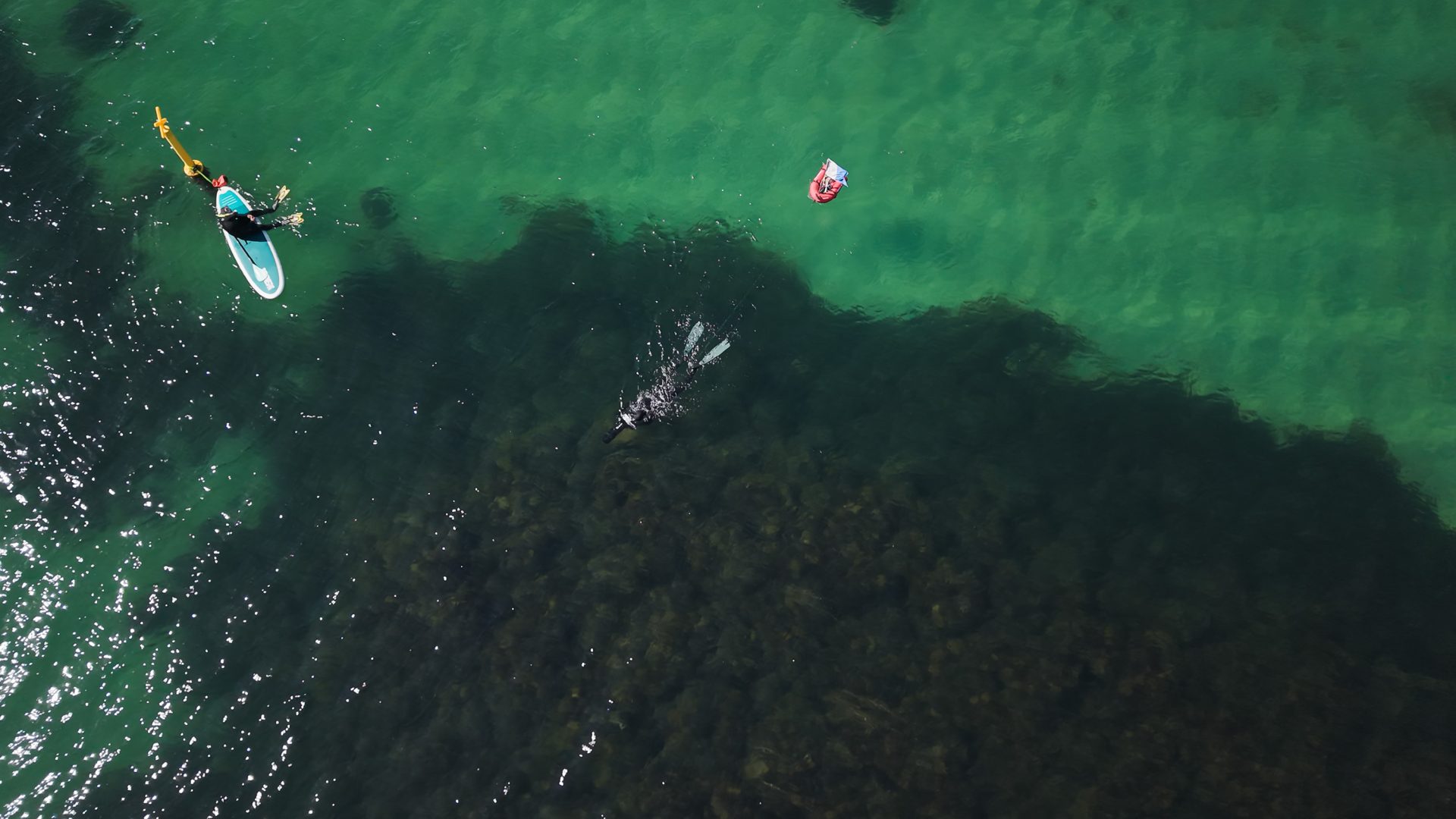
Initial monitoring of BARREEF via underwater cameras has already yielded promising results. Early colonization includes the growth of macroalgae and the return of native fish species, such as goby and wrasse. Unlike the island’s famous tourist attractions, such as the Guinness-certified Samsø Labyrinten—a 15-acre tree maze that absorbs between 1,000 and 1,250 metric tons of CO2 annually—BARREEF was designed strictly as a conservation and ecological restoration site, with navigation and sailing prohibited in its immediate vicinity to allow the marine ecosystem to recover undisturbed.
Broader Implications for Global Coastal Management
As nations grapple with the dual crises of climate change and biodiversity loss, Samsø’s holistic model offers critical insights for municipal and national policymakers. The island demonstrates that large-scale environmental transitions—whether shifting an entire energy grid or restoring a degraded seabed—are most successful when they combine legally binding long-term targets with robust community engagement and local economic incentives.
The integration of terrestrial carbon sinks, decentralized renewable energy production, and sub-surface marine restoration positions Samsø not merely as a historical anomaly of green policy, but as a scalable template for island and coastal communities worldwide. By bridging the gap between historical ecological exploitation and modern scientific intervention, Samsø continues to chart a course where human habitation and ecological regeneration mutually reinforce one another.