On November 29, 2023, the Arctic research community and the remote settlement of Siorapaluk, Greenland, were shaken by the sudden disappearance of Japanese scientist and explorer Tetsuhide Yamazaki. What began as a routine excursion into the polar night quickly escalated into a search-and-rescue operation that would ultimately yield more questions than answers. Yamazaki, a seasoned veteran of the Arctic with over three decades of experience in the region, vanished during the dark, sunless months of the Greenlandic winter, leaving behind only his ice-testing pole—a tooq—and a disturbing scene at the edge of the sea ice.
The initial reports following the incident suggested a tragic but straightforward outcome: a fatal accident involving the unstable, early-season ice common to the region in late November. However, subsequent investigations, aided by the deep traditional knowledge of local Inughuit hunters, have suggested a far more complex and harrowing sequence of events, casting doubt on the theory of a simple drowning and raising concerns regarding the predatory nature of the local marine wildlife.
A Chronology of the Final Hours
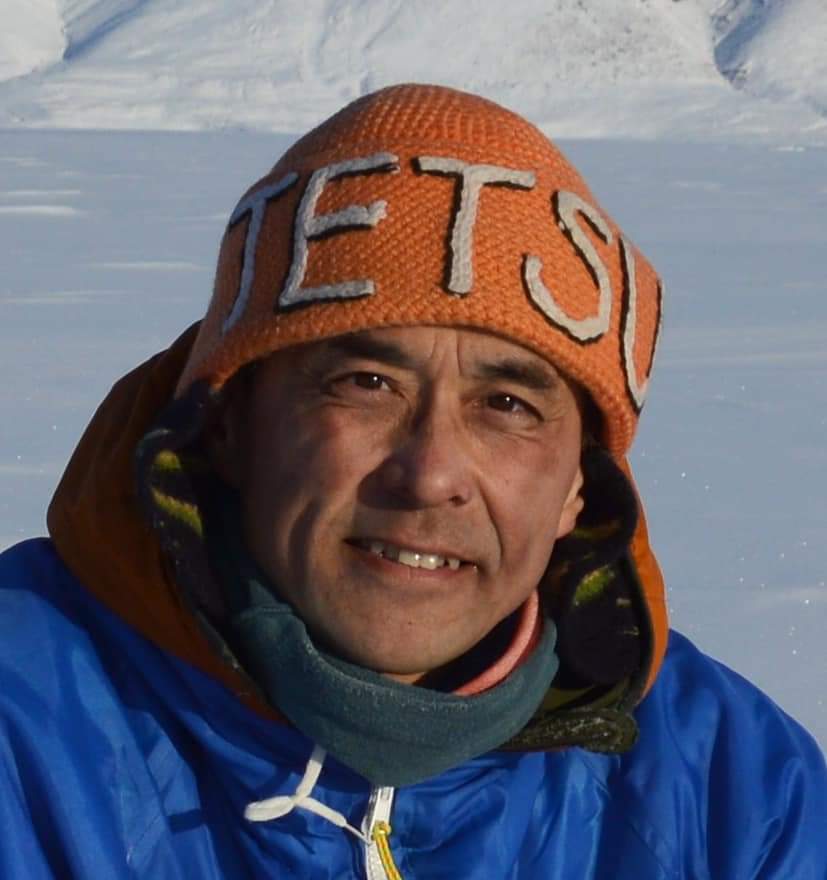
Tetsuhide Yamazaki was a fixture in Siorapaluk, having established deep roots in the community through his environmental observations and decades of collaboration with local hunters. His familiarity with the terrain, the behavior of sea ice, and the inherent dangers of the polar night was extensive.
According to eyewitness accounts and reconstructions provided by local hunters, the chronology of the day was as follows:
- 09:00 AM: Yamazaki departed from his residence in Siorapaluk, heading toward the local waste disposal area with his small sled.
- 09:30 AM – 10:00 AM: He proceeded toward the sea ice. At this time, the ice was measured to be approximately 15 to 20 centimeters thick. While this thickness is generally considered sufficient to support the weight of a lone human, the ice was fractured and inconsistent, presenting a high risk of localized failure.
- 10:15 AM: A local resident reportedly encountered Yamazaki and advised him against proceeding further due to the precarious nature of the ice. Yamazaki, despite his expertise, chose to continue.
- 10:30 AM – 11:30 AM: Yamazaki was observed testing the ice with his tooq. His movements were methodical and deliberate, indicating that he was aware of the risks.
- Afternoon: When Yamazaki failed to return as scheduled, community members initiated a search. The discovery of his tracks, the abandoned tooq, and a hole in the ice led the initial search party to conclude he had fallen through.
Forensic Evidence and Local Knowledge
While the initial assumption of a drowning accident was widely accepted by authorities, the local community—specifically the experienced hunters known as pineartorsuit—conducted a closer examination of the scene that fundamentally shifted the narrative.
The searchers identified distinct, deep scratches along the edge of the hole in the ice. In the context of a standard fall, such markings would not typically exist. The hunters concluded that these were manual gouges, likely made by someone struggling to maintain a grip on the ice. The evidence suggested that Yamazaki had not merely slipped into the water; he had been subjected to a physical struggle, potentially against a force pulling him from beneath the surface.
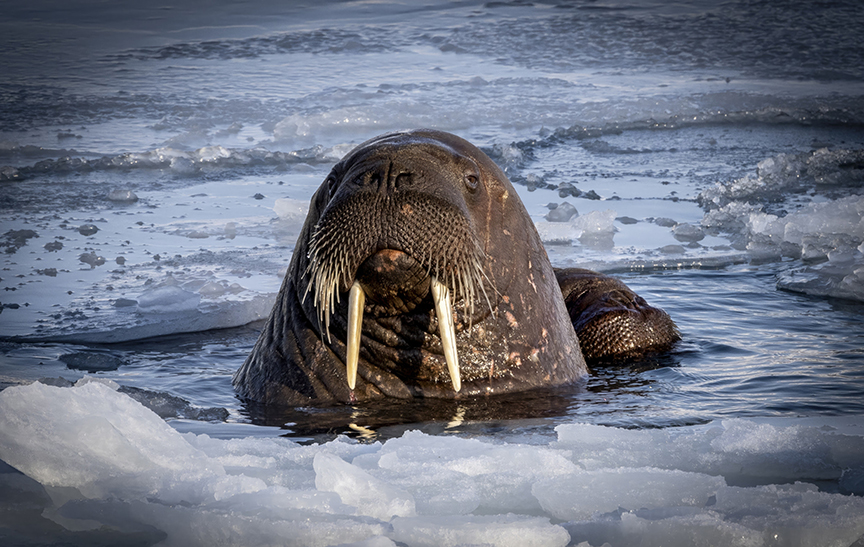
The proximity of a known walrus breathing hole, located approximately 500 meters from the shoreline, became a critical point of interest. In the Arctic, the Atlantic walrus (Odobenus rosmarus) is recognized as a powerful, occasionally aggressive animal, especially when protecting its territory or breathing access. While it is rare for walruses to hunt humans, they possess the strength to break through significant ice thicknesses—up to 20 centimeters—and have been known to exhibit defensive behavior when startled or threatened.
The hunters reconstructed the attack based on the animal’s known behavior: a walrus, sensitive to vibrations on the ice, may have tracked Yamazaki’s movements. When he turned away from the breathing hole, exposing his back, the animal likely surfaced with sufficient force to bridge the gap between the water and the ice, pulling the explorer into the frigid depths.
The Role of Environmental Variables
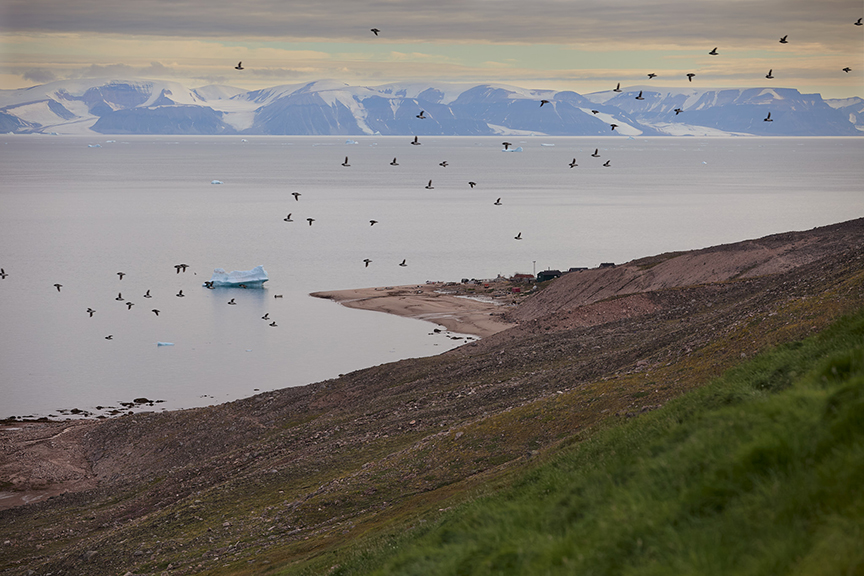
The incident highlights the volatile nature of the Arctic environment, particularly during the onset of the polar night. The absence of daylight does not preclude activity in Siorapaluk; the residents are highly adapted to navigating the darkness. However, the reliance on artificial light sources, such as the feeble beam of a flashlight, severely limits one’s ability to detect threats, whether they be geological or biological.
Data regarding sea ice stability in Northwest Greenland during late November shows that the period is one of the most hazardous for local travel. Climate change has exacerbated this instability, leading to thinner, less predictable ice shelves. For researchers like Yamazaki, whose work involves the intersection of environmental science and survival, the margins for error are razor-thin. The "tooq" is a vital tool for survival, yet it provides no defense against unforeseen biological threats emerging from the water.
Broader Context and Legacy
The disappearance of Tetsuhide Yamazaki is not just a localized tragedy; it represents the end of an era for the Japanese scientific community in Greenland. Yamazaki’s presence in Siorapaluk was part of a lineage of Japanese explorers, most notably the late Ikuo Oshima, who fostered a unique cultural exchange between Japan and the Inughuit people.
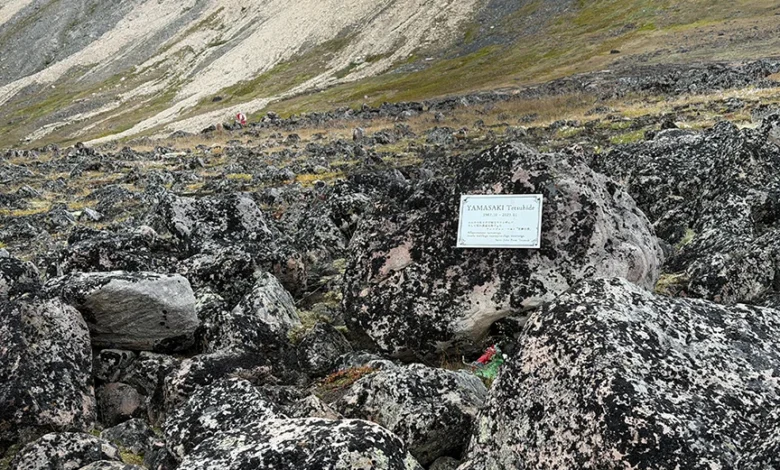
This deep-seated connection is best exemplified by the birth of Saki, the daughter of a local family, who was named in honor of the missing scientist. Her story, and that of Saki Daorana, serve as a testament to the enduring, if bittersweet, bond between the two cultures. A plaque now stands near the church and heliport in Siorapaluk, marking the spot where the community remembers a man who spent his life trying to understand the Arctic, only to be claimed by one of its most profound mysteries.
Implications for Arctic Research and Safety
The incident has prompted discussions among polar researchers regarding safety protocols for field operations in the polar night. The consensus among those familiar with the Siorapaluk incident is that traditional field safety guidelines—which emphasize ice testing and thermal protection—must be expanded to account for the increasing frequency of wildlife-human encounters as animal habitats shift due to climate change.
Furthermore, the case of Yamazaki serves as a sobering reminder of the limits of human expertise in the face of an unpredictable environment. Even an explorer with over three decades of experience, equipped with the necessary tools and a deep understanding of the local landscape, can be blindsided by the complexities of the Arctic. As research into climate change and polar ecology continues, the safety of the scientists conducting this vital work remains a paramount concern.
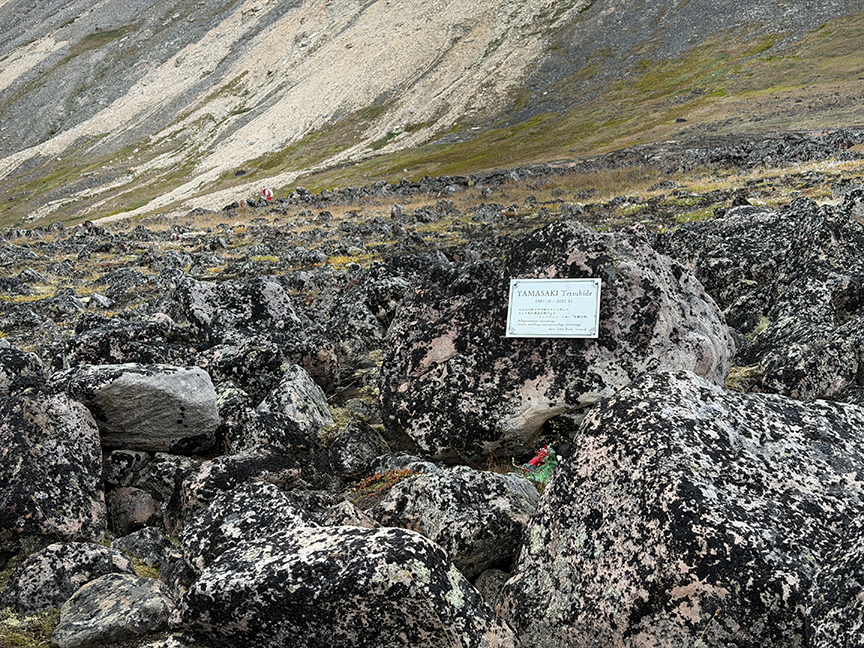
The mystery of November 29, 2023, remains open in the hearts and minds of the people of Siorapaluk. While the official explanation remains tied to the instability of the ice, the local narrative—one of a struggle against the unseen—persists as a haunting reminder of the dangers that lie beneath the surface of the frozen North. For those who remain, the memory of Yamazaki is now woven into the fabric of the village, a permanent, quiet acknowledgement of the cost of exploration in one of the world’s most inhospitable environments.