Cinematic Destinations: How Film and Television are Redefining Luxury Travel Experiences

Certain destinations possess an almost mythical allure, their landscapes forever etched into our collective consciousness by the silver screen. These are places where iconic cinematic moments transcend the confines of a film, shaping not only our memory of a movie but also our very dreams of travel. Increasingly, discerning travelers are seeking more than just picturesque hotels or pristine beaches; they are yearning for destinations that offer an immersive experience, a tangible connection to the stories that have captured their imaginations. This phenomenon, often termed "set-jetting," is not merely a fleeting trend but a significant evolution in luxury travel, driven by a desire for narrative depth and emotional resonance.

The appeal lies in the ability of these locations to transport visitors into a world that feels both familiar and aspirational. It’s about stepping out of the everyday and into a scene, a feeling, an era immortalized in film. This pursuit of experiential travel, where destinations become characters in a larger narrative, is transforming how we perceive and engage with luxury tourism.
Sardinia’s Costa Smeralda: A Legacy of Bond-Era Glamour
Along Sardinia’s dazzling northern coastline, the Costa Smeralda region continues to exude an unmistakable aura of classic James Bond-era glamour. The Hotel Cala di Volpe, in particular, stands as a testament to enduring elegance, having served as an unforgettable backdrop for pivotal scenes in the 1970s Bond films. Its sweeping terraces, views dotted with luxurious yachts, and old-world Mediterranean sophistication remain largely unchanged, preserving a timeless charm that defies fleeting trends. The architecture itself feels inherently cinematic, the marina buzzes with a quiet opulence, and the evenings unfold with a sophisticated grace that has remained untouched by the passage of time.
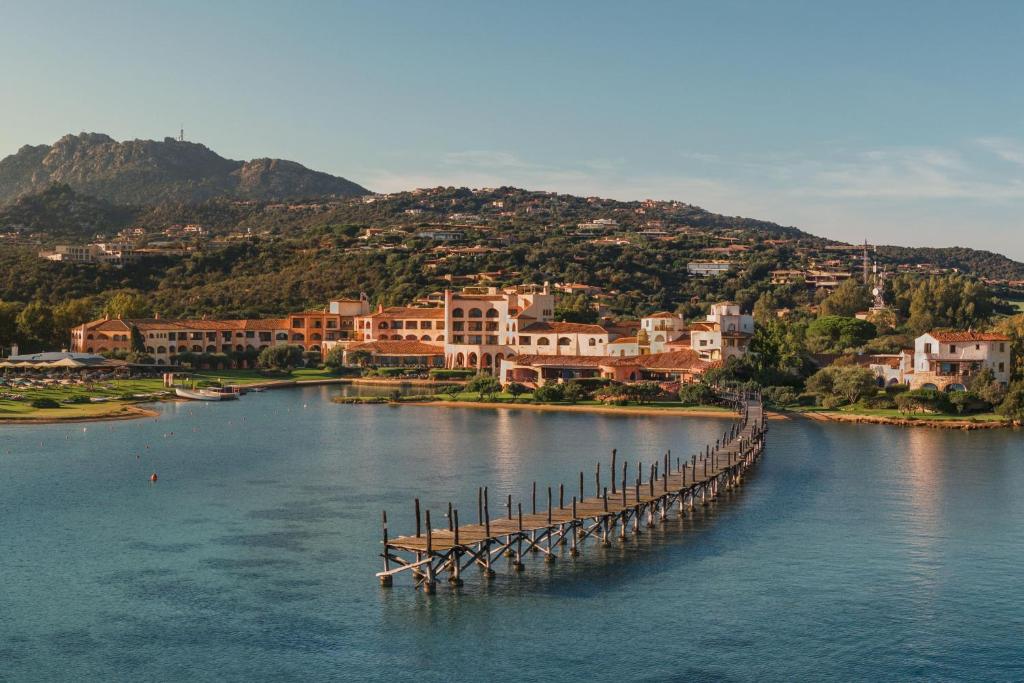
The Costa Smeralda has long understood luxury not as a mere display of wealth, but as a cultivated lifestyle. This philosophy, deeply embedded in the region’s ethos, continues to define its allure decades later. This enduring appeal is reflected in its consistent popularity among a discerning clientele seeking authenticity and refined indulgence. Data from tourism boards in Sardinia indicate that the Costa Smeralda consistently ranks among the most sought-after luxury destinations in Italy, with a significant portion of visitors citing its iconic status and cinematic heritage as key motivators for their travel. The region’s ability to maintain its allure, even as travel trends evolve, underscores the power of its narrative legacy.
The Swiss Alps: A Sanctuary of Cinematic Serenity
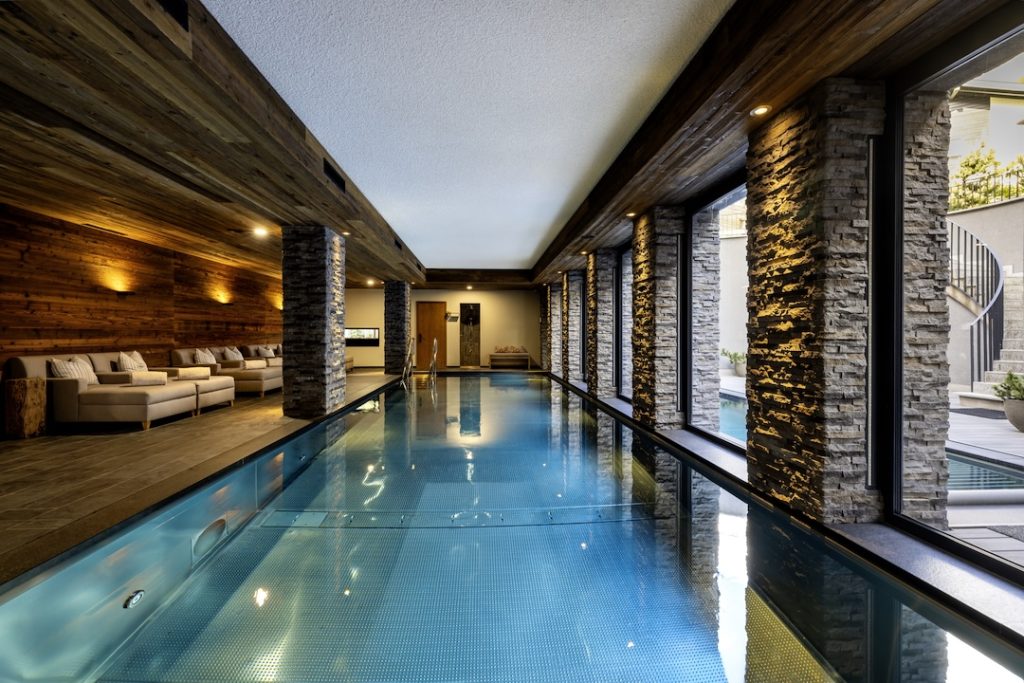
Further north, in the heart of the Swiss Alps, the mountain village of Saas-Fee offers a starkly different yet equally cinematic experience. Made famous by scenes filmed for the James Bond movie "On Her Majesty’s Secret Service," Saas-Fee presents a world away from Sardinia’s sun-drenched shores. Here, towering peaks frame a landscape of serene glaciers, snow settles gently upon traditional chalets, and the atmosphere feels suspended in time. This sense of quiet escapism is meticulously woven into the fabric of accommodations like The Capra, a hotel that masterfully balances alpine authenticity with deeply considered luxury. The hotel’s intimate scale and calming interiors are designed to harmonize with the breathtaking natural landscape visible through its windows, offering guests a profound sense of peace and immersion.
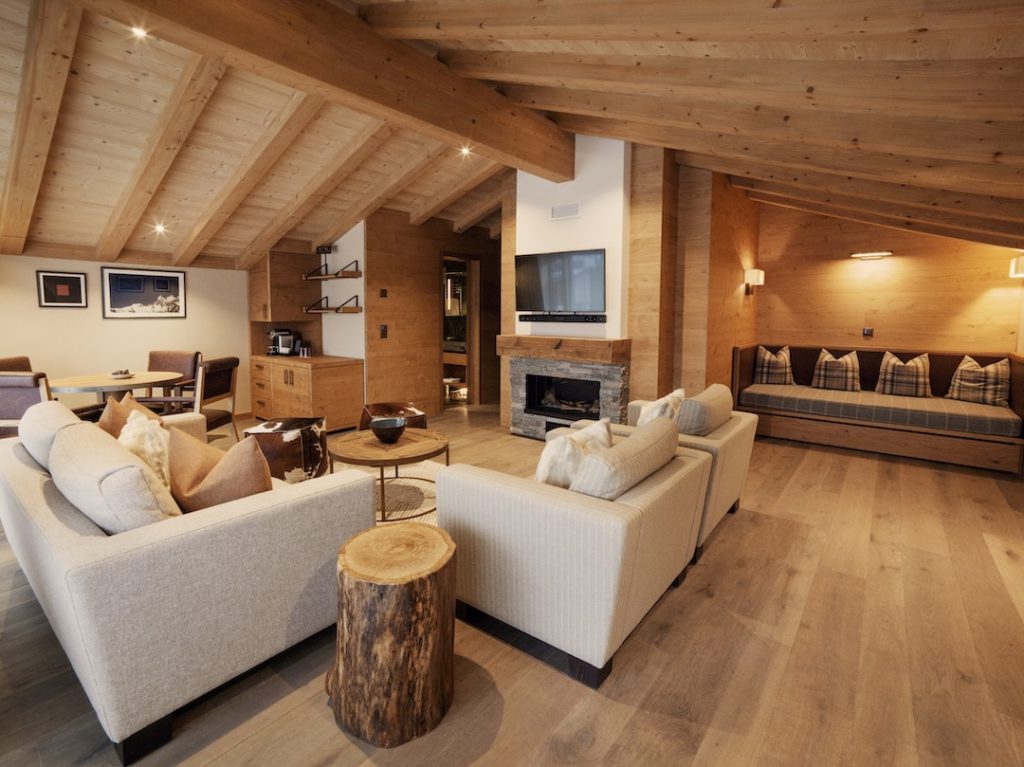
The Capra’s commitment to enhancing this connection is evident in its newly launched program of niche retreats and experiences, curated to foster a deeper engagement with the destination. This initiative reflects a broader trend in modern luxury travel, where guests increasingly seek meaning and immersion alongside traditional indulgence. These programs often include activities such as guided glacier hikes, traditional cheese-making workshops, and stargazing sessions, all designed to connect guests with the unique cultural and natural heritage of the region. Such offerings not only enrich the guest experience but also contribute to the sustainable tourism efforts of these pristine environments, ensuring their preservation for future generations. The success of such curated experiences is often measured by repeat visitor rates and positive guest feedback, which consistently highlight the value of authentic cultural immersion.
Mykonos: From Glamorous Playground to Refined Escape
The influence of modern television and streaming culture is undeniable, with destinations now capturing travelers’ imaginations through contemporary narratives. Mykonos, for instance, has experienced a resurgence in its reputation as a premier European summer playground, partly due to its prominent appearance in the hit series "Emily in Paris." While the island is renowned for its vibrant beach clubs and iconic whitewashed alleyways, a more subtle and refined side is emerging, one that emphasizes design, atmosphere, and a slower pace of luxury.
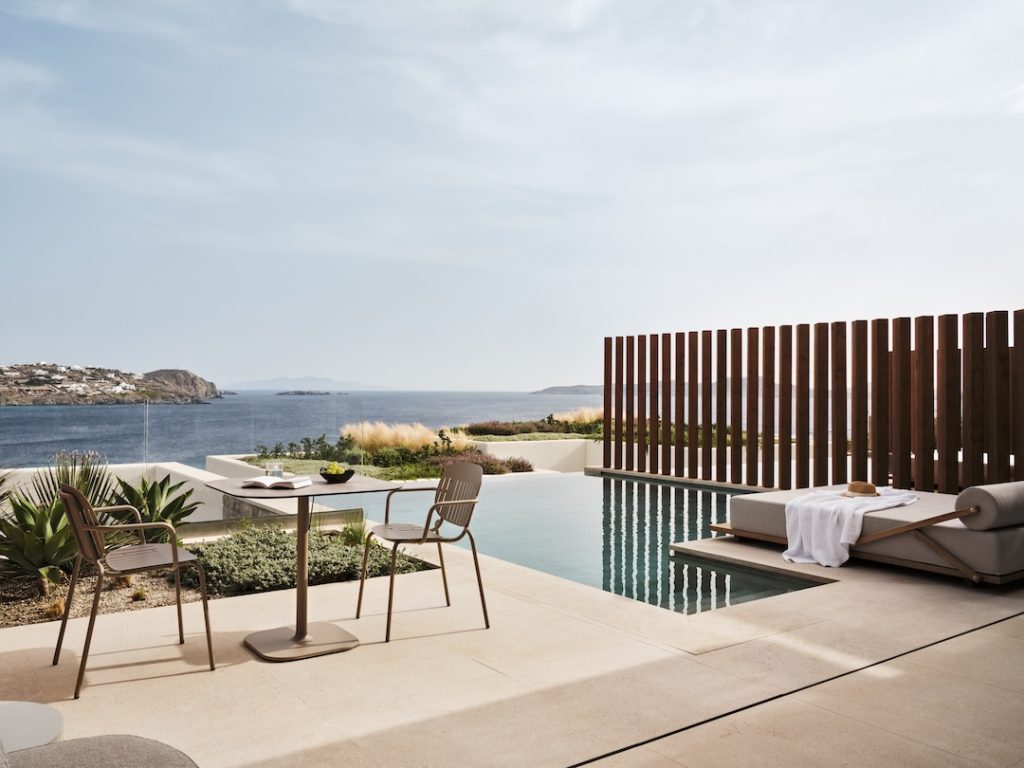
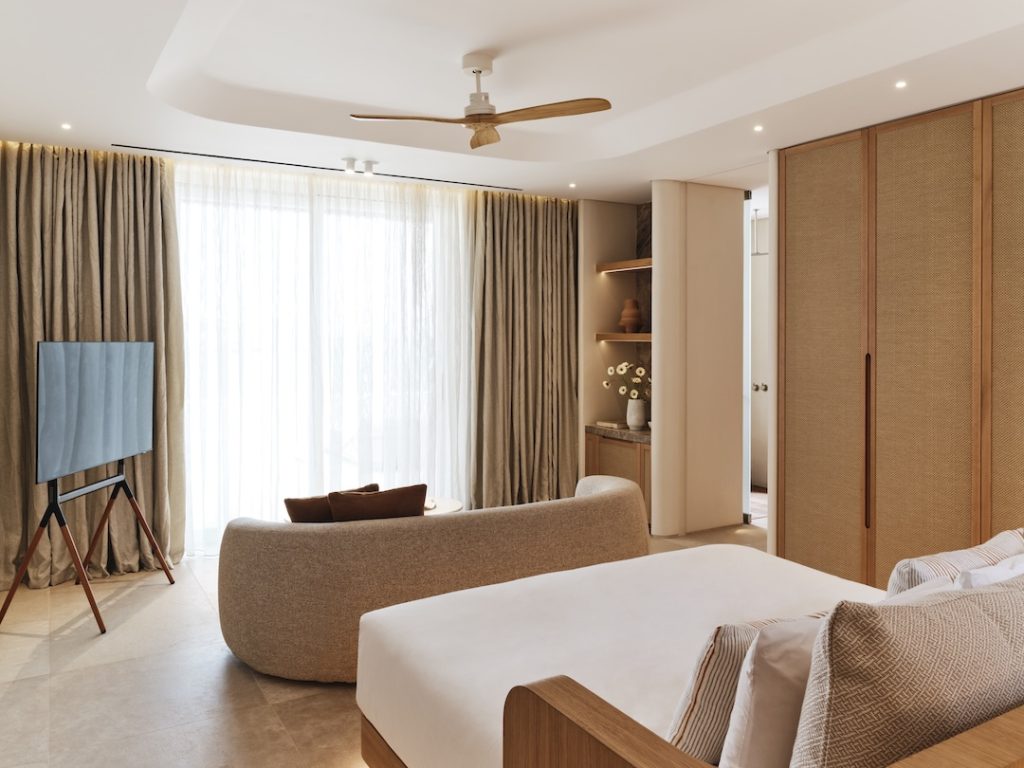
At BILL&COO Mykonos, this balance is artfully achieved. Perched above the Aegean Sea, offering sweeping ocean vistas and an atmosphere of understated calm, the hotel embodies the polished glamour for which Mykonos is synonymous. Yet, it also provides tranquil havens away from the island’s high-energy pulse. Days here flow effortlessly from quiet mornings overlooking the water to sun-drenched lunches and evenings that possess their own cinematic quality.
This summer, BILL&COO is introducing a new culinary direction under Executive Chef Aggelos Bakopoulos. This initiative focuses on an immersive approach to luxury dining, highlighting exceptional Greek ingredients, the nuanced flavors of fire-led cooking, and a warm, intuitive style of hospitality that is both refined and deeply personal. This culinary evolution aligns with a growing demand for authentic gastronomic experiences that go beyond mere sustenance, offering guests a deeper connection to the local terroir and culture. The resort’s commitment to culinary innovation and personalized service is a strategic response to the discerning tastes of today’s luxury traveler, who seeks experiences that are both memorable and meaningful. The successful integration of such elements can significantly boost a destination’s appeal and economic viability, creating a virtuous cycle of tourism and cultural preservation.

The French Riviera: Riviera Allure and The White Lotus Effect
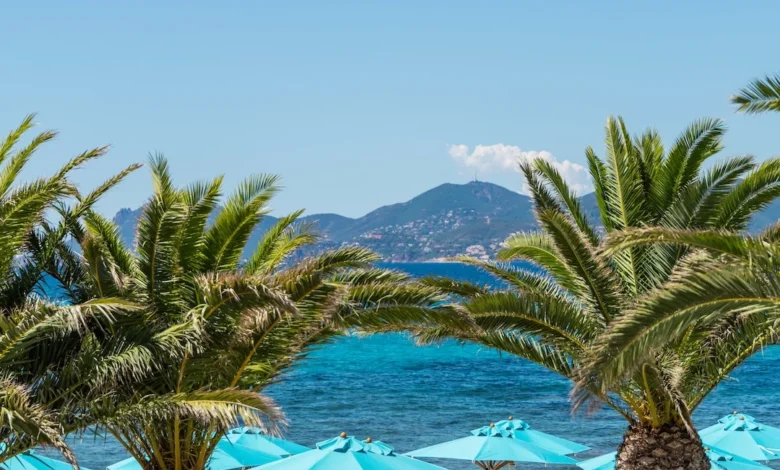
On the glamorous French Riviera, the critically acclaimed series "The White Lotus" has cast a renewed spotlight on a world of Riviera glamour characterized by intrigue, indulgence, and carefully orchestrated luxury. Destinations like Nammos Cannes, situated against the iconic backdrop of Palm Beach, embody this atmosphere. Here, the golden hour transitions seamlessly into evenings that evolve from relaxed elegance to something far more vibrant. Nammos Cannes, having reopened on May 8th for its third season, continues to solidify its position as a definitive summer address on the Riviera—a place where travel, culture, and spectacle converge effortlessly.
The impact of "The White Lotus" on tourism in its filming locations has been well-documented. While the show is fictional, its portrayal of luxurious settings often inspires viewers to seek out similar real-world experiences. The Riviera, with its inherent charm and historical association with glamour, is a natural beneficiary of this trend. The influx of visitors drawn by the show’s aesthetic can lead to increased economic activity for local businesses, from high-end hotels and restaurants to boutique shops and transportation services. However, it also necessitates careful management to ensure that the destination’s infrastructure and environment can sustainably accommodate the increased demand, preserving the very qualities that made it attractive in the first place.
The Enduring Power of Cinematic Tourism
Ultimately, the profound influence of film and television on travel stems from their ability to offer more than just wanderlust; they provide emotional worlds that we long to inhabit. Whether it is the enduring sophistication of Bond-era Sardinia, the dramatic stillness of the Swiss Alps, the polished glamour of Mykonos, or the Riviera allure of Cannes, these destinations invite travelers to become active participants in the narrative, if only for a fleeting period.
This form of travel taps into a fundamental human desire for escapism and storytelling. By visiting locations seen on screen, individuals can vicariously experience the lifestyles and adventures depicted, forging a deeper, more personal connection with both the film and the destination. This trend has spurred the development of specialized tour operators and curated travel packages designed to cater to film enthusiasts, offering immersive experiences that go beyond typical sightseeing.
The implications of this trend are far-reaching. For destinations, it presents an opportunity to leverage their cultural assets and attract a lucrative segment of the tourism market. However, it also necessitates a delicate balance between preserving the authenticity of the location and meeting the expectations of visitors seeking a cinematic experience. Sustainable tourism practices are paramount to ensure that the allure of these film-inspired destinations is maintained for generations to come, preventing over-tourism and environmental degradation. As streaming services continue to produce visually stunning content set in captivating locales, the power of cinematic destinations to shape our travel dreams is poised to grow, making these curated narratives an increasingly vital component of the global luxury travel landscape.