The Evolution of Lake Como: How a Historic Italian Enclave is Redefining Luxury for a New Generation

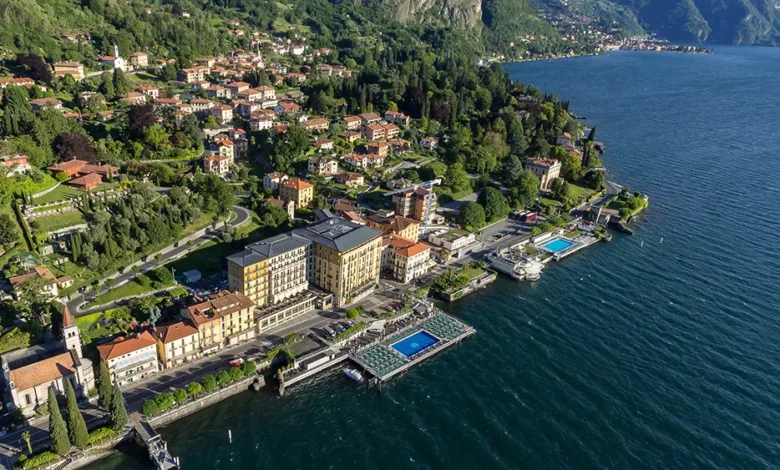
On the western shore of Lake Como, the sudden appearance of neon-pink inflatables drifting across the serene, earth-toned waters served as a visual manifesto for a changing era. For decades, this glacial lake, tucked into the foothills of the Italian Alps, was synonymous with the reserved, quiet luxury of the aristocracy—a place of private gardens, discreet villas, and a measured pace of life. However, the installation of sculptural Jelly Floats by Dutch designer Sabine Marcelis at the newly opened Edition Lake Como signaled a seismic shift in the region’s cultural landscape. When the hotel officially opened its doors in 2025, the debut—marked by high-profile guests and a pulsating soundtrack—confirmed that Lake Como is no longer just a retreat for retirees; it is rapidly transforming into a playground for the global youth elite.
This transformation is not merely aesthetic; it is a fundamental restructuring of the hospitality economy. As the region pivots to accommodate Gen Z and Millennial travelers with significant disposable income, the traditional, formal luxury of the past is being supplanted by a contemporary, "edgy" style of hospitality that prioritizes wellness, social media-friendly design, and an approachable, albeit exclusive, atmosphere.
A Chronology of Change: From Aristocratic Haven to Modern Hotspot
Lake Como’s prestige is centuries old, having served as the summer sanctuary for European nobility, literary giants like Stendhal, and, in more recent years, icons of global industry and entertainment. The 20th century saw the arrival of figures like Gianni Versace and Sylvester Stallone, who cemented the lake’s status as an address for the ultra-wealthy. Yet, for a long period, the hospitality model remained static, anchored by historic properties like the Villa d’Este and the Grand Hotel Tremezzo.
The last five years, however, have marked an accelerated timeline of modernization:
- 2020–2022: A surge in interest during the post-pandemic travel boom, fueled by social media trends that highlighted the "old-money aesthetic" of the lake.
- 2023: Significant capital investment begins flowing into the region, with major international hotel groups acquiring historic estates for conversion.
- 2025: The opening of the Edition Lake Como sets the tone for a new generation of high-design hospitality.
- 2026–2028: A planned wave of luxury openings, including Raffles, the Ritz-Carlton, and Six Senses, signaling a total shift in the market demographic.
The Data Behind the Demand
The "fizzled-out" narrative often associated with historic destinations does not apply to Lake Como. According to official data from the Italian National Tourism Agency (ENIT), the wider Como area recorded more than 6.8 million overnight stays in 2025, representing a robust 10 percent increase over the previous year. Projections for 2026 suggest the region is on track to surpass 7 million visitors.

These numbers, however, tell only half the story. The demographic profile of the visitor has shifted downward in age, with the average traveler now appearing to be in their 30s and 40s. These visitors, while possessing significant wealth, operate with a different set of values than their predecessors. They are less interested in the stifling formality of mid-century grand hotels and more inclined toward "experience-based" luxury. This includes bespoke wellness retreats, high-end outdoor adventures, and culinary programs that emphasize innovation alongside tradition.
The Institutional Response: Adapting to the New Guard
The legacy institutions of Lake Como are not standing idly by. Recognizing that the "old-money" model must evolve to remain relevant, historic properties are aggressively pursuing modernization. Villa d’Este, a cornerstone of the lake’s heritage, recently implemented significant sustainability upgrades and revamped its legendary golf course. By introducing open play days and specialized instruction, the club is attempting to lower the barrier to entry for a younger generation of players who wish to align themselves with the club’s prestige without the historical baggage of exclusionary membership policies.
Giuseppe Fontana, president of the board of directors of Villa d’Este S.p.A., noted that these initiatives serve as a "contemporary entry point" into a landscape rooted in a century of tradition. The goal is to allow young, affluent players to feel that they are contributors to the club’s future rather than mere observers of its past.
The Corporate Influx: A New Wave of Luxury
The architectural and service landscape of the lake is undergoing a radical overhaul as international brands compete for dominance. The influx of global capital is turning former 19th-century estates into hyper-luxury, branded sanctuaries. The forthcoming opening of the Raffles Lake Como in 2027, situated in the former Grand Hotel Imperiale, represents a multimillion-dollar commitment to art nouveau preservation fused with modern service standards. Similarly, the Ritz-Carlton is set to occupy the massive, 177,000-square-foot Hotel Grande Bretagne in Bellagio.
These developments, alongside the Corinthia in Menaggio (2028) and the wellness-focused Six Senses at the former Grand Hotel Cadenabbia, represent an unprecedented density of high-end brands. This creates a "luxury arms race" on the lake. Where one hotel offers a cutting-edge lido designed by world-renowned architects, another counters with a three-Michelin-starred culinary program. This competitive environment is effectively pushing the boundaries of what is possible in lakeside hospitality, forcing even the most established players to constantly innovate to avoid obsolescence.
Socio-Economic Implications: The Cost of Progress
While the influx of capital and the diversification of the visitor base have brought newfound energy to the region, the evolution is not without tension. Daniel Stoico, co-founder of the Congusto Institute in Milan, points out that while the image of the lake is becoming "younger," the destination is by no means becoming more accessible. The new wave of luxury is explicitly aimed at international travelers with extreme wealth, which risks alienating local communities and long-term residents.

There is a growing concern regarding the "Instagrammification" of the region. As social media influencers and content creators flock to the lake’s shores, the local culture faces the threat of being reduced to a backdrop for digital consumption. The risk is that the authentic, lived-in character of Como—the very thing that attracted the wealthy in the first place—could be eroded by the sheer volume of high-intensity, short-term tourism.
Broader Analysis: Is the "Quintessential" Experience Still Possible?
The question remains whether Lake Como can retain its identity as a repository of timeless Italian lifestyle while serving as a hub for the global elite. Francesco Capece, co-owner of the acclaimed Milanese restaurant Confine, notes that Lake Como holds a "unique position" in the Italian consciousness. It is still viewed as a pinnacle of prestige, particularly among younger, affluent Italians. However, he distinguishes between "admiring the lake" as a status symbol and the act of actually spending holidays there, noting that the barrier to entry is higher than ever.
The challenges faced by Lake Como are mirrored in other historic European destinations, such as St. Moritz or Austria’s Bad Gastein, both of which have had to grapple with the tension between preservation and the demands of modern tourism. For Lake Como, the next decade will be critical. The region is currently in a state of rapid, high-stakes development. If it can successfully balance the requirements of global, tech-savvy, high-net-worth travelers with the need to protect its local character and ecological integrity, it may set the standard for how historic European regions navigate the 21st century.
If it fails, however, it risks becoming a theme park of its own history—a beautiful, well-marketed, but hollowed-out version of the legendary lake that once captivated the world’s elite through simple elegance rather than modern excess. For now, the neon-pink inflatables and the booming sound systems are a reminder that the lake is in flux; the challenge is ensuring that this change adds to, rather than subtracts from, the spirit of the place.