The Essential Guide to Selecting the Best Baby Beach Tents for Optimal UV Protection and Infant Safety

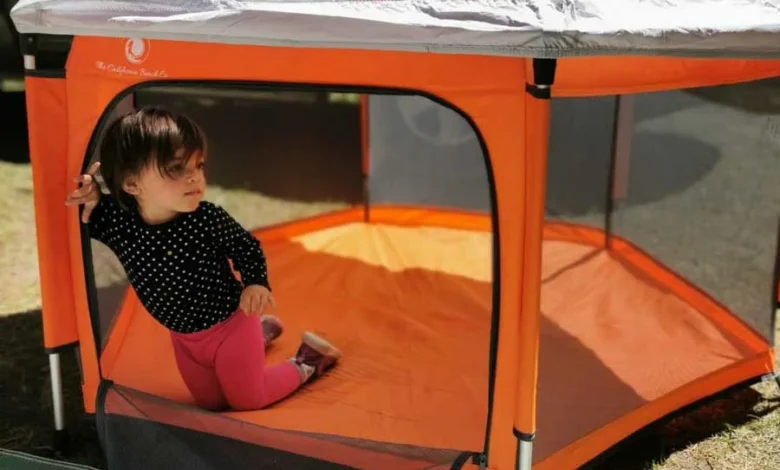
The integration of specialized sun-protection gear has become a standard practice for families navigating the challenges of outdoor recreation with infants. As pediatric dermatologists and public health organizations continue to emphasize the dangers of ultraviolet (UV) radiation on underdeveloped skin, the market for baby beach tents has evolved from niche camping equipment to an essential category of child safety products. Recent industry data indicates a growing consumer preference for portable, high-UPF (Ultraviolet Protection Factor) shelters that balance portability with comprehensive environmental protection.

The Science of Sun Exposure and Infant Health
The physiological vulnerability of infants to solar radiation is a significant public health concern. According to the American Academy of Dermatology (AAD), infants under six months of age have significantly less melanin, the pigment that provides some level of natural protection against the sun’s rays. Consequently, their skin is highly susceptible to severe sunburn and long-term cellular damage.

The Skin Cancer Foundation suggests that the cumulative damage from childhood sun exposure is a primary risk factor for the development of melanoma and other skin cancers in later life. Because infants are often too young to safely utilize broad-spectrum chemical or mineral sunscreens—which may cause irritation or lack the necessary testing for newborns—medical professionals prioritize physical barriers. This shift in pediatric recommendations has driven the adoption of UPF 50+ rated fabrics, which are engineered to block approximately 98% of both UVA and UVB rays.

Evolution of Beach Shelter Technology
Historically, families relied on heavy, cumbersome beach umbrellas that offered limited shade and provided little to no protection against reflected light from the sand or lateral UV exposure. The mid-2010s saw a shift in manufacturing toward the "pop-up" design, which utilizes spring-steel frames to allow for near-instant deployment.

The current landscape of baby beach tents features several distinct design tiers:

- The Instant-Pop-Up Shelter: Designed for rapid assembly, these models prioritize convenience. They typically feature a circular fold-down mechanism that collapses into a flat disc, fitting easily into standard airline luggage or stroller storage compartments.
- The Integrated Splash Pool: A significant innovation in the category is the inclusion of a shallow, waterproof base. This allows parents to add a small volume of water, creating a sensory-friendly cooling zone for infants while keeping them protected under the canopy.
- The Full-Ventilation Cabana: Recognizing that heat exhaustion is as significant a risk as sunburn, manufacturers have integrated 360-degree mesh windows and rear vents to facilitate airflow, preventing the greenhouse effect often found in enclosed nylon tents.
Comparative Analysis of Leading Market Options
The industry has seen a rise in standardized features across top-tier products, such as the WolfWise AquaBreeze A10, the WhiteFang Pop-Up, and the Babymoov Aquani series.

- WolfWise AquaBreeze A10: Widely recognized for its stability, this model utilizes a combination of sandbag anchors and metal stakes. It is designed to withstand moderate coastal winds, a common failure point for cheaper, lightweight alternatives.
- WhiteFang Pop-Up: Positioned as a high-value, budget-conscious choice, it offers essential UPF 50+ protection and a modular floor design, which is advantageous for families who require a private space for diaper changes or breastfeeding in crowded public areas.
- Monobeach Baby Tent: This model represents the "pool-tent" hybrid segment. By separating the infant from the direct tide while allowing them to interact with water, it addresses the need for supervised water play without the logistical challenges of open-ocean exposure.
- Babymoov Aquani: Often categorized as a premium option, this tent distinguishes itself through the inclusion of a removable mattress, allowing the shelter to function as a portable playpen or nap station during extended outings.
Key Factors for Consumer Selection
When assessing the safety and efficacy of these products, experts and safety advocates highlight ten critical criteria. These benchmarks ensure that the purchase provides more than just a visual barrier, but a functional safety tool:

- Fabric Integrity: The UPF 50+ rating is the industry standard. Consumers should verify that the certification applies to the entire canopy, not just the roof panels.
- Structural Stability: The presence of integrated sand pockets is essential. Unlike stakes, which may not hold in loose, dry sand, sandbags provide consistent weight distribution.
- Airflow Dynamics: Proper ventilation prevents the buildup of internal heat. Models with at least three points of ventilation are recommended for high-temperature environments.
- Foldability and Portability: Ease of collapse is often the primary complaint among users. Testing the "twist-and-fold" mechanism before a trip is a standard recommendation to avoid mechanical frustration on the beach.
- Multi-Purpose Utility: Families are increasingly opting for products that transition from the beach to the backyard or camping sites, maximizing the return on investment for the gear.
- Footprint and Capacity: While infant-specific tents are compact, families with multiple children may require "family-size" cabanas that offer a larger footprint, albeit at the cost of increased weight and setup complexity.
- Floor Material: The floor should be constructed of moisture-resistant, non-toxic materials that can be easily wiped clean of sand and organic debris.
- Mesh Quality: High-density mesh is necessary not only for airflow but to keep insects away, which is particularly vital during late-afternoon hours.
- Assembly Speed: In the context of managing a young child, the ability to deploy the shelter in under 30 seconds is considered a high-performance metric.
- Visibility: The design should allow for an unobstructed view of the infant from the outside, ensuring the parent can monitor the child at all times while they are inside the shelter.
Broader Implications for Outdoor Safety
The normalization of high-tech baby shelters reflects a broader trend toward "informed outdoor parenting." As travel habits evolve to include more nature-based excursions, the demand for gear that mimics the safety standards of a home environment is rising.

However, industry experts remind consumers that a tent is not a substitute for active supervision. The "safety-first" approach remains a multi-layered strategy: using shade structures, dressing infants in UV-protective clothing, utilizing wide-brimmed hats, and maintaining hydration. Furthermore, the reliance on these products does not negate the need for consultation with a pediatrician regarding the application of sunscreen on infants under six months of age, as their skin barrier is still developing.

Conclusion and Future Outlook
The baby beach tent market continues to mature, with a noticeable shift toward materials that are both lightweight and highly durable. As supply chain standards improve, features that were once considered premium—such as zip-up mosquito netting and reinforced corner anchors—are becoming standard across the industry.

For the modern parent, the selection of a beach tent is a balancing act between the desire for convenience and the imperative of child safety. By focusing on products that offer certified UV protection, robust ventilation, and intuitive assembly, families can successfully mitigate the risks of sun exposure while fostering a positive, early relationship with the outdoors. As technology progresses, it is likely that future iterations will integrate even more advanced heat-reflective materials and perhaps even solar-powered integrated fans, further enhancing the comfort and safety of these essential mobile shelters.