Exploring the Ancient Labyrinth of Fes: A Comprehensive Guide to Morocco’s Cultural Capital

The historic city of Fes, Morocco, continues to captivate international travelers and cultural historians alike, serving as a living museum of medieval Islamic architecture, traditional craftsmanship, and enduring social structures. As tourism infrastructure evolves to balance heritage preservation with visitor accessibility, Fes—frequently spelled Fez—remains an essential destination for those seeking a deeper understanding of North African history.
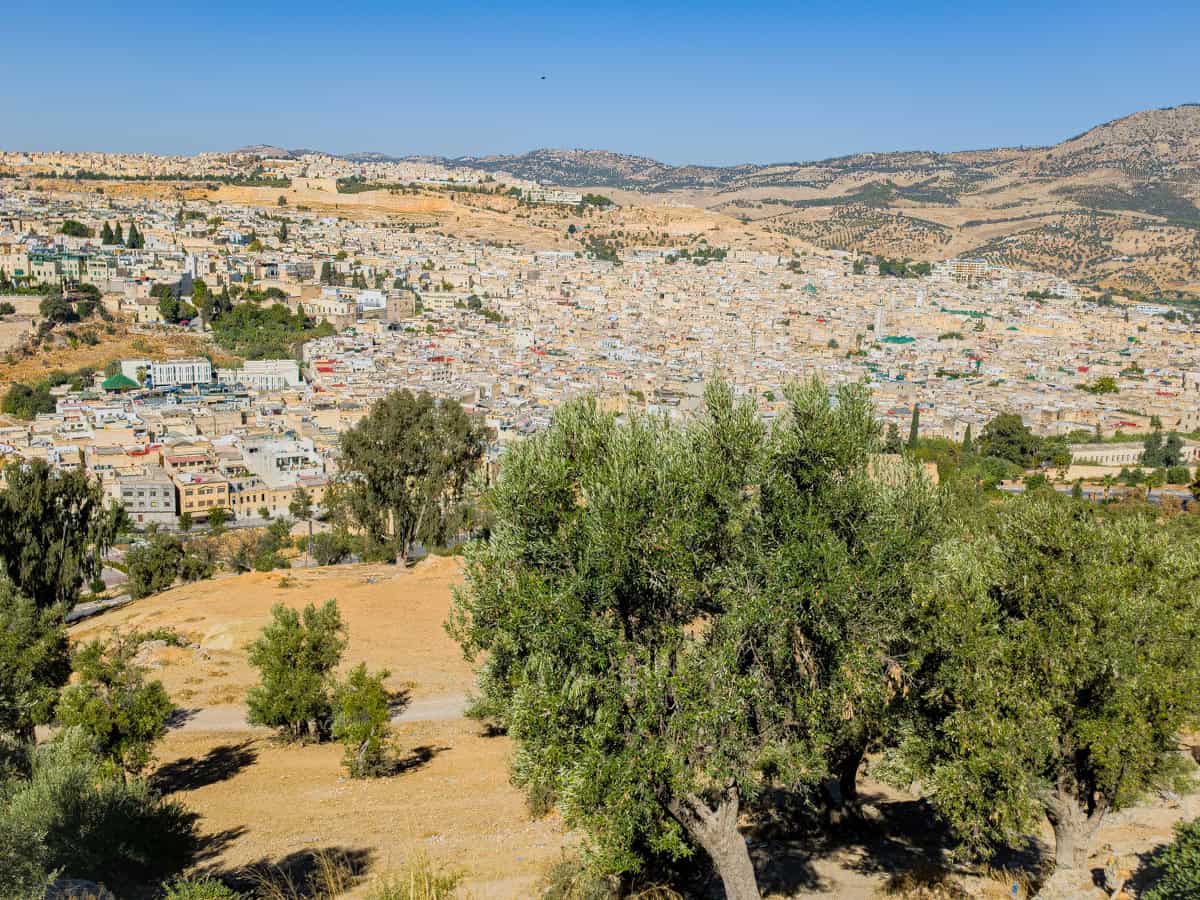
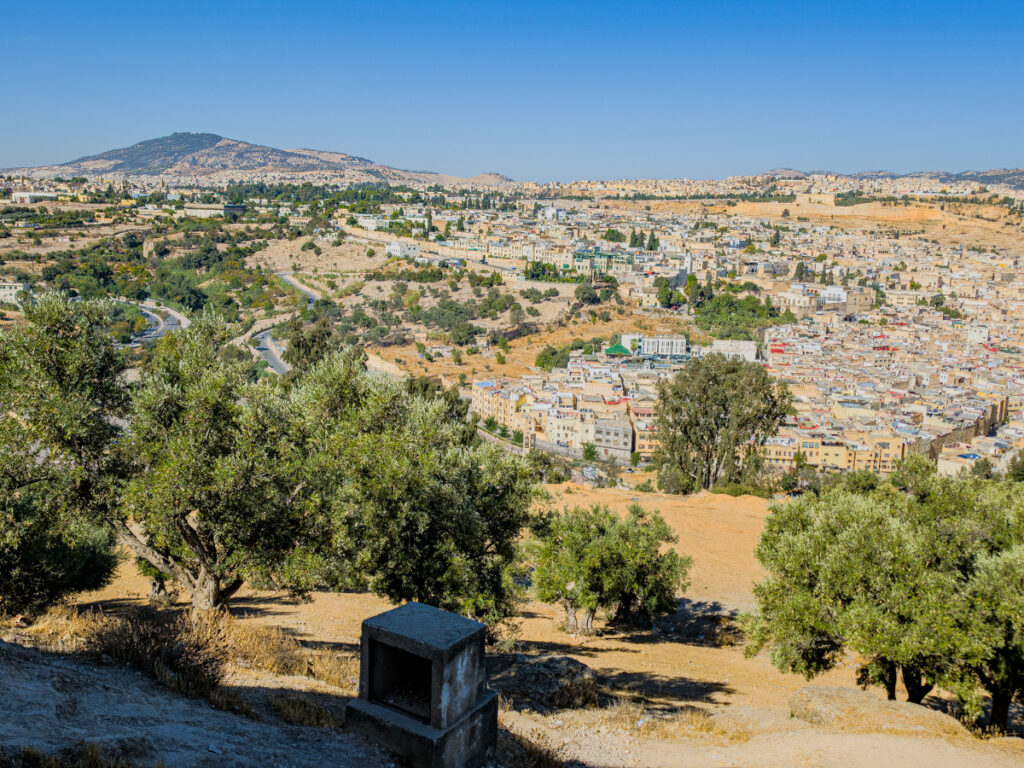
Positioned strategically following overland routes from the Sahara Desert, the ancient medina of Fes offers a stark contrast to modern urban centers. Characterized by its sprawling, car-free urban fabric, the city presents unique logistical challenges and profound cultural rewards for visitors navigating its labyrinthine alleys.
Historical Context and Urban Architecture
Founded in the late 8th century, specifically between 789 and 808 AD under the Idrisid dynasty, Fes quickly established itself as a major religious, intellectual, and political center of the Islamic world. The city’s primary historic district, Fes el-Bali, is recognized globally as one of the world’s largest contiguous car-free urban areas and has held UNESCO World Heritage status since 1981.
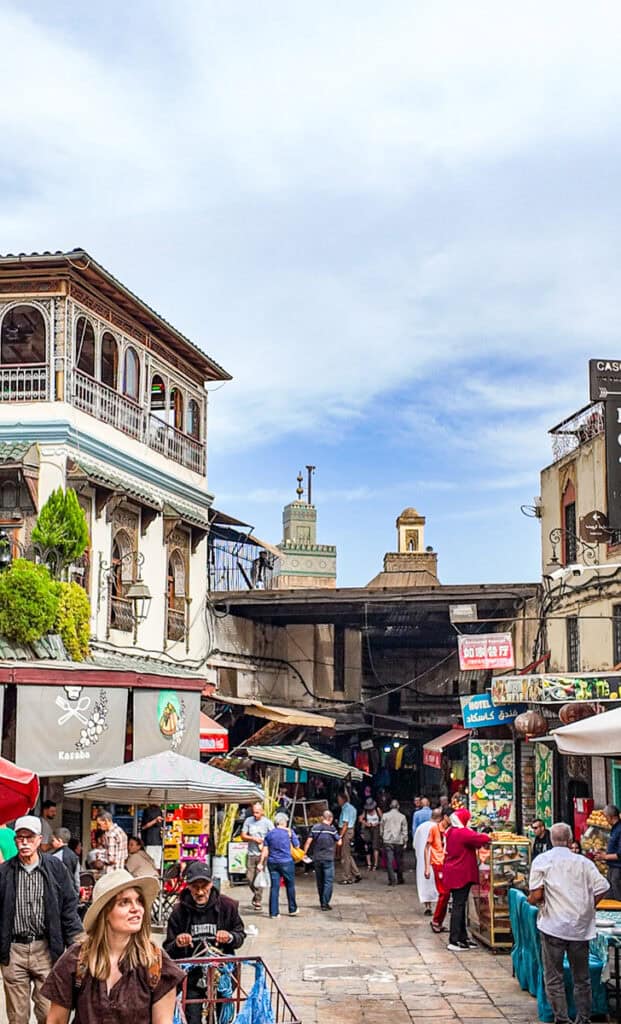
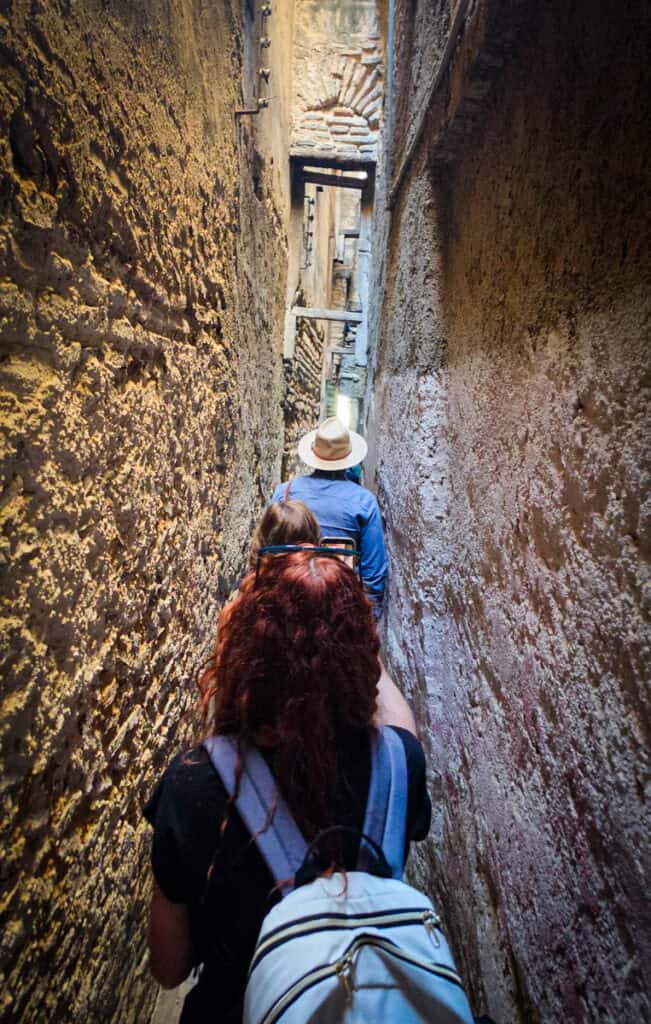
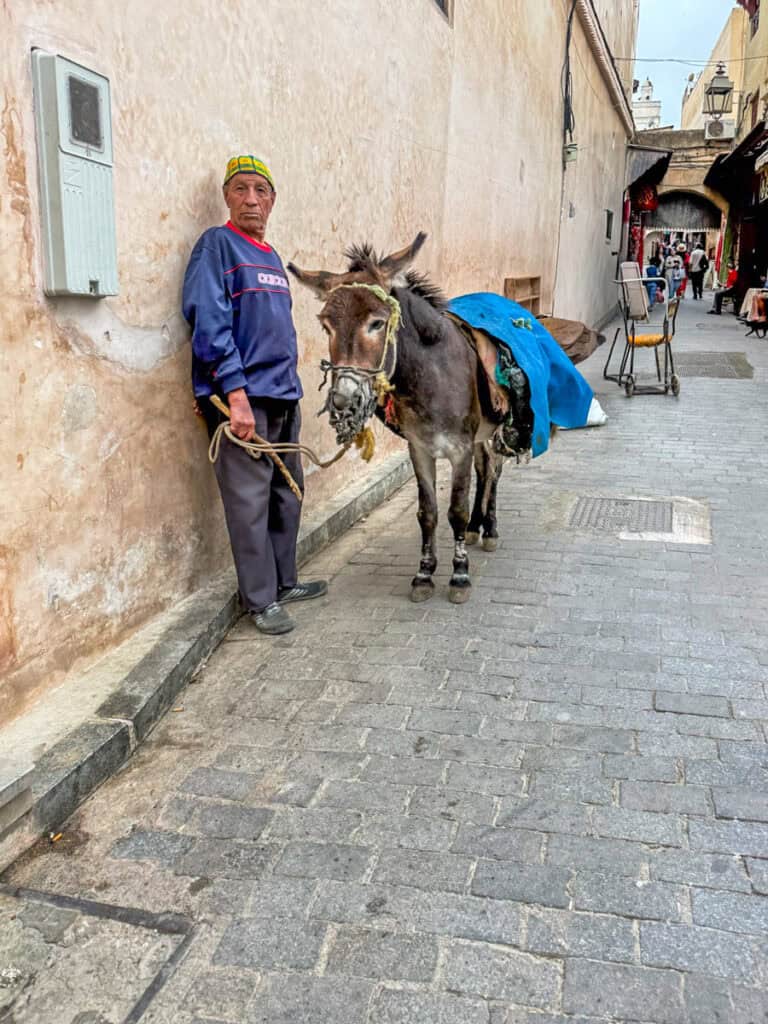
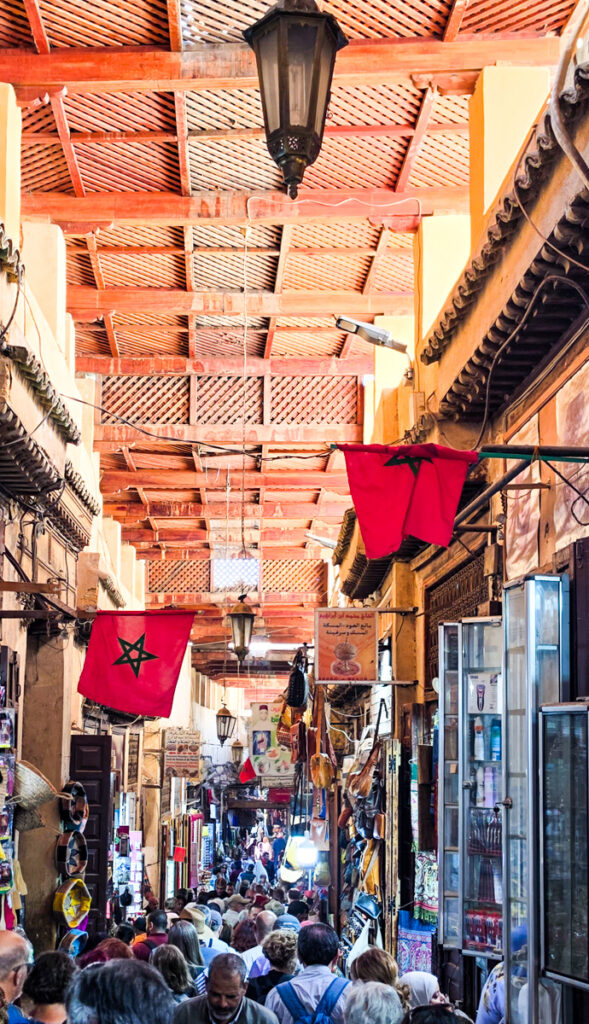
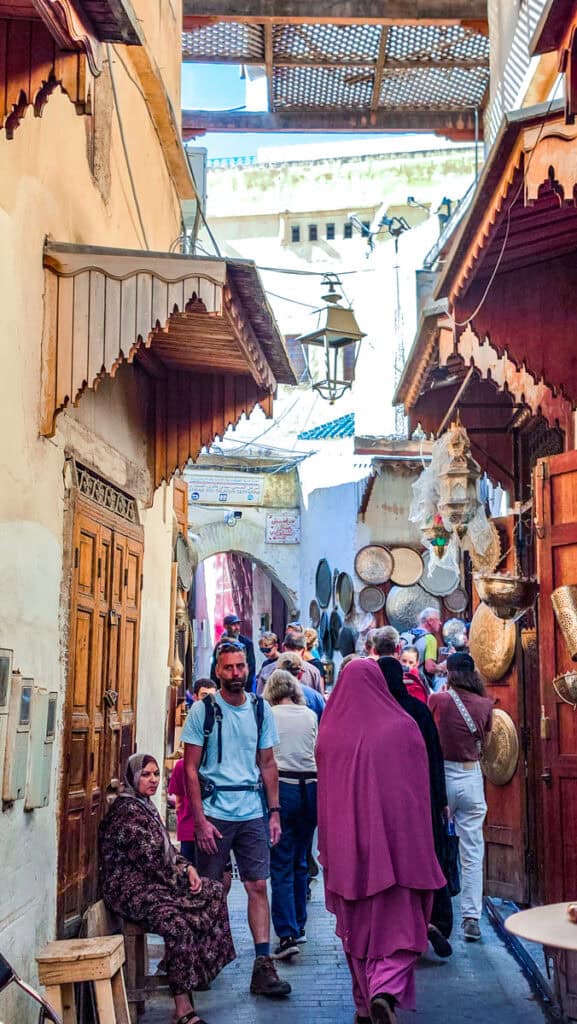
The urban morphology of Fes el-Bali is defined by its defensive layout—narrow, winding alleyways enclosed by towering earthen walls designed to regulate movement and provide security against historical incursions. Unlike the comparatively open grid and centralized layout of Marrakech, the architecture of Fes requires deliberate navigation, often confounding modern digital mapping tools and necessitating local guidance or traditional navigational landmarks.
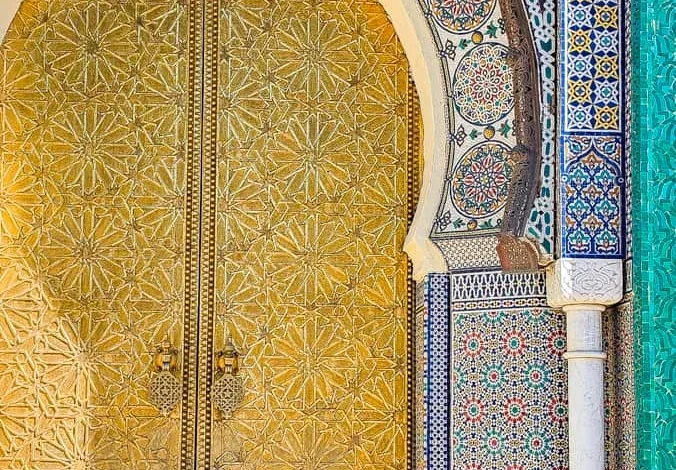
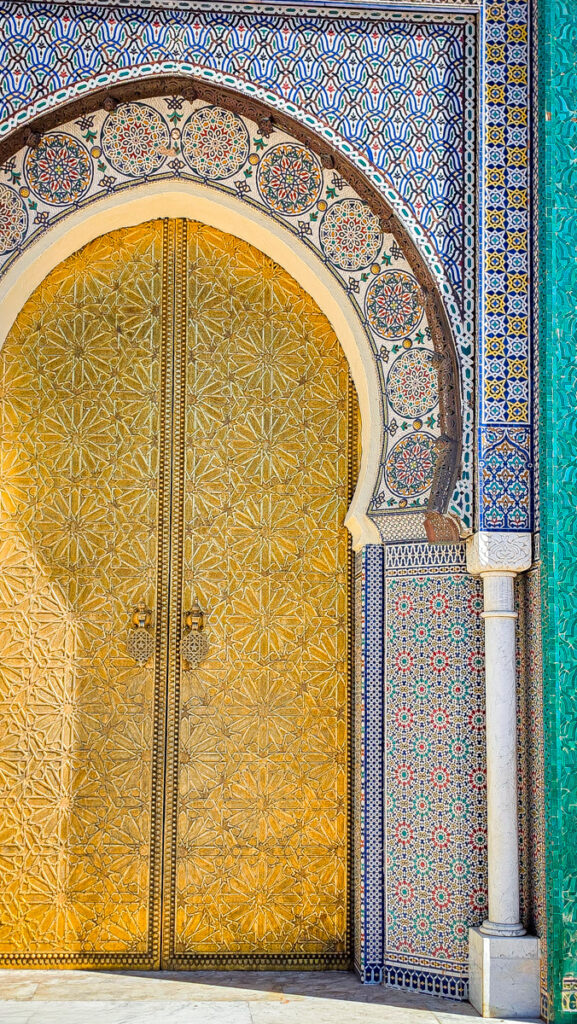
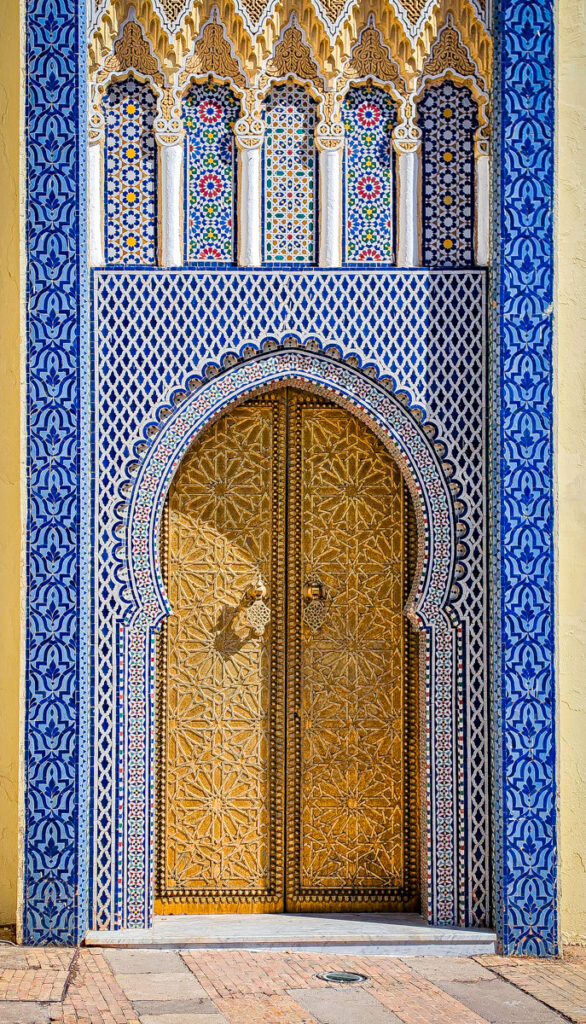
At the heart of this architectural complex stands the University of Al-Qarawiyyin. Founded in 859 AD by Fatima al-Fihri, historical records and international bodies such as UNESCO designate it as the oldest continuously operating institution of higher learning in the world. While non-Muslim visitors are restricted from entering the active mosque interior, the surrounding public access points reveal intricate zellige tilework, carved plaster, and monumental cedar woodwork representative of the Marinid and Saadian artistic golden ages.
Traditional Industry and Economic Preservation
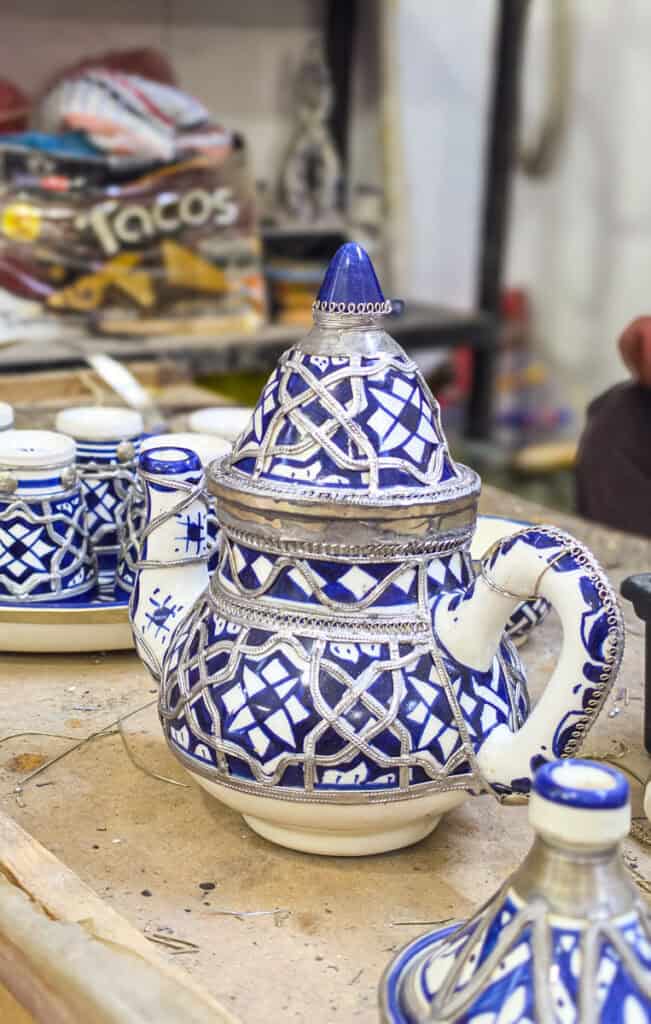
Beyond its scholastic heritage, Fes remains a vital hub for traditional Moroccan artisanship. Key economic activities centered within the medina include ceramics production, mosaic tile cutting, metalworking, and leather tanning.
The Chouara Tannery Operations
Among the city’s most prominent industrial landmarks is the Chouara Tannery, operating near the Saffarin Madrasa since the medieval period. The facility utilizes natural methods that have persisted for centuries. Hides from cattle, sheep, goats, and camels are treated in circular stone vats containing a mixture of water, quicklime, salt, and organic agents such as pigeon guano to soften the material. Subsequent dying processes rely on natural pigments—including poppy for red, indigo for blue, and henna for orange—applied entirely by manual labor.
While the historic site draws significant tourism, it also highlights the ongoing tension between preserving traditional artisanal labor and managing urban environmental standards. Local authorities and trade cooperatives continue to evaluate sustainable modernization practices to protect both the heritage value and the welfare of local artisans.
Ceramic and Mosaic Craftsmanship
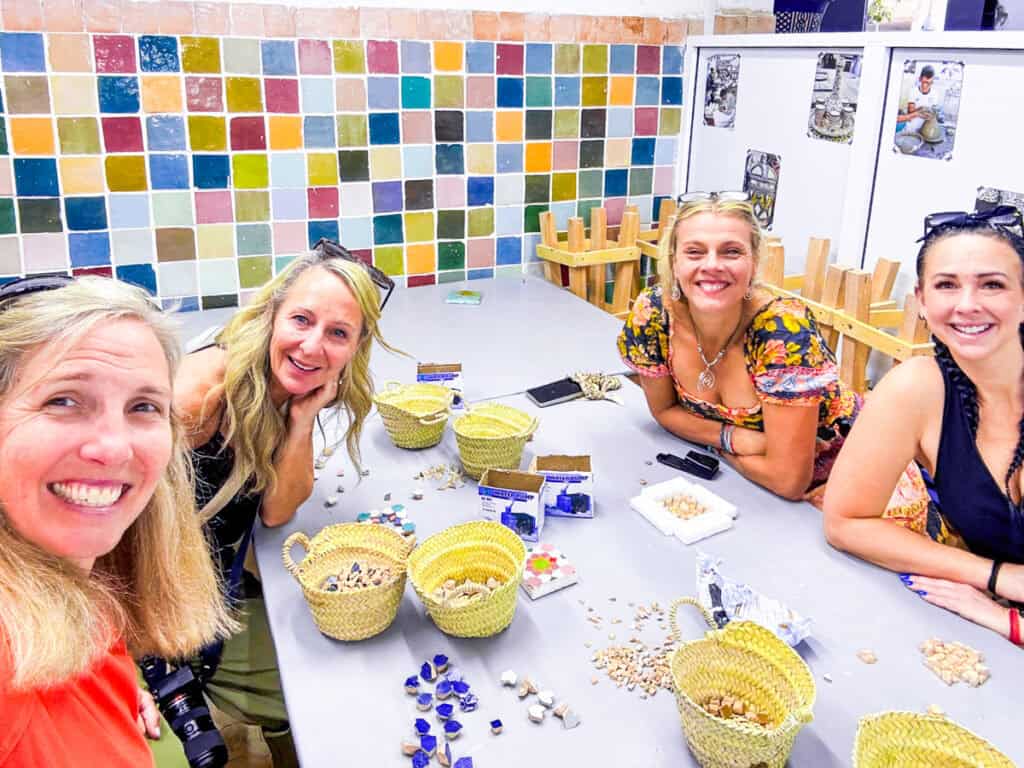
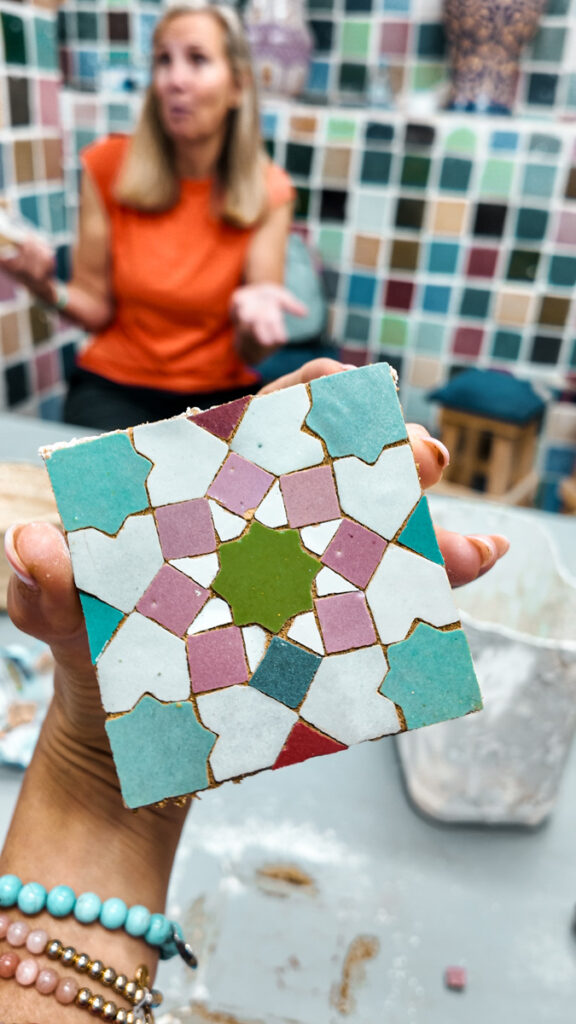
The production of ceramics and zellige mosaics represents another cornerstone of the local economy. Workshops located on the periphery of the medina, such as Mosaique et Poterie de Fes, demonstrate the labor-intensive process of hand-throwing clay, kiln-firing, and meticulously chipping glazed tiles into geometric configurations. Economists note that while mass-produced goods present economic competition, authentic artisan workshops maintain a distinct market advantage through adherence to lead-free glazing standards and certified heritage production methods.
Logistical Framework and Tourism Management
Visiting Fes effectively requires careful planning regarding transportation, accommodation, and daily itineraries. Tourism boards and local operators generally recommend a minimum duration of two full days to adequately experience the historic core, with a third day allocated for specialized culinary or artisan workshops.
Accommodation and Mobility
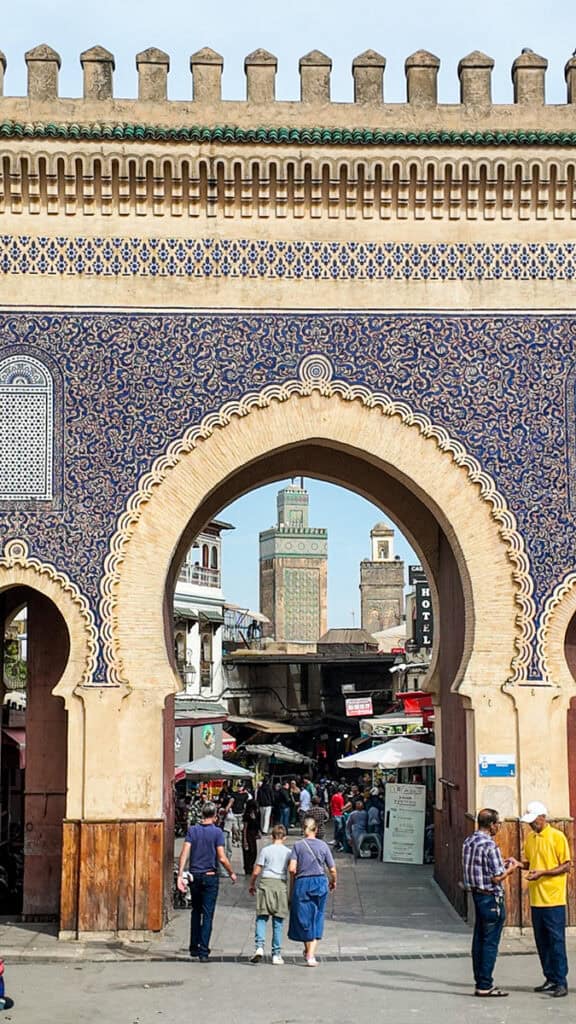
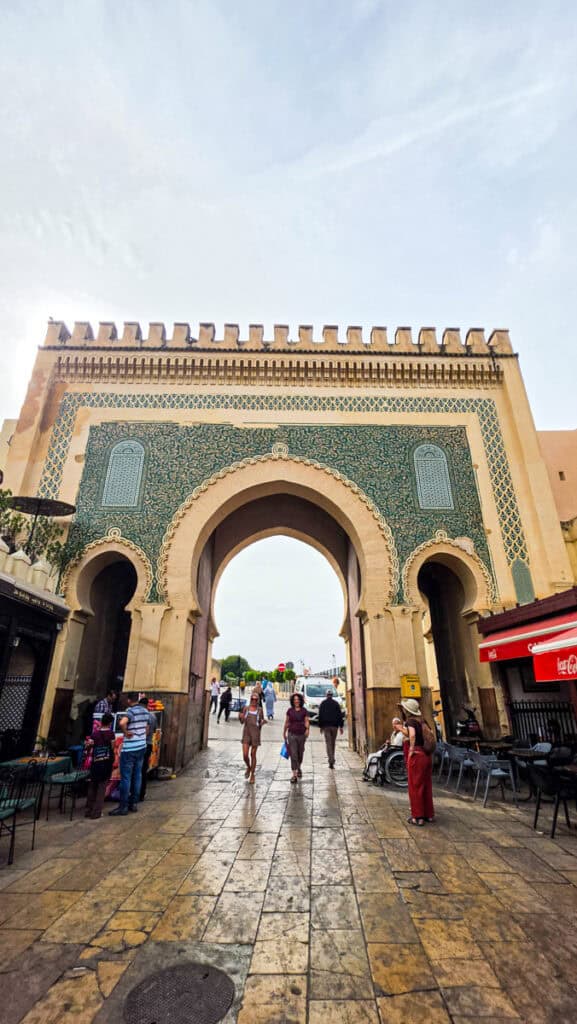
A notable logistical consideration for travelers is the structural layout of riads—traditional courtyard houses converted into boutique guesthouses. Because vehicular access is impossible within the interior of Fes el-Bali, many visitors opt for accommodations situated immediately outside the medina walls, such as the historic district near Bab Bou Jeloud. This perimeter positioning facilitates efficient transport logistics, enabling seamless connections for regional transit to destinations such as Casablanca, Chefchaouen, or the Sahara Desert.
Culinary Infrastructure and Dietary Adaptations
The culinary landscape of Fes is heavily anchored in traditional Moroccan gastronomy, featuring slow-cooked tagines, couscous preparations, and diverse regional salads composed of cooked vegetables. In response to international tourism demands, local dining establishments and riads have increasingly adapted to specialized dietary requirements, including gluten-free protocols, provided advance notice is given.
Furthermore, regulations regarding the sale and consumption of alcohol remain strictly regulated across the city. Alcohol is generally restricted to licensed international hotels, select upscale restaurants, and specific riads possessing municipal permits, contrasting with the more widespread availability found in other Moroccan metropolitan regions.
Comparative Analysis: Fes versus Marrakech
Industry analysts frequently compare Fes with Marrakech when evaluating North African travel itineraries. While both cities offer rich cultural immersion, their operational dynamics differ significantly:

- Marrakech: Characterized by open-air markets, expansive public squares such as Jemaa el-Fnaa, and a high-energy commercial environment that facilitates intuitive navigation. It serves as a primary hub for modern entertainment, nightlife, and contemporary arts.
- Fes: Defined by a more introspective, historically preserved atmosphere. Its narrow, uncommercialized residential lanes emphasize historical continuity, scholarly heritage, and traditional manufacturing trades over high-volume retail commerce.
Industry stakeholders advise that travelers with limited schedules prioritize Marrakech for dynamic commercial energy and ease of transit, while recommending Fes for those pursuing architectural depth, historical authenticity, and artisanal education.
Broader Implications and Future Outlook
The continued preservation of Fes presents a complex administrative challenge for municipal leaders, conservationists, and the Moroccan Ministry of Tourism. Balancing the economic imperatives of international tourism with the structural preservation of fragile 9th-century infrastructure requires continuous investment in urban restoration projects, waste management systems, and artisan support programs.
As global travel trends shift toward experiential and educational tourism, Fes is well-positioned to attract visitors seeking authentic cultural engagement. However, sustainable growth will depend on effective visitor management strategies, the regulation of unofficial guide networks to protect consumer interests, and the ongoing structural maintenance of architectural landmarks that define the historical identity of the region.