The Ultimate Traveler’s Handbook: Navigating eSIM Data Plans for Seamless Connectivity Across Europe


For decades, international travelers venturing across the Atlantic have faced a tedious ritual upon landing in Europe: hunting down a local brick-and-mortar storefront to purchase a physical SIM card. This often involved dealing with language barriers, swapping tiny plastic chips using specialized metal ejector tools, and securely storing domestic SIM cards to prevent loss. However, the telecommunications landscape has undergone a radical transformation with the widespread adoption of embedded electronic SIM (eSIM) technology. Modern smartphones now feature digital capabilities that allow globe-trotting tourists to connect to European mobile carriers instantaneously, eliminating physical hardware entirely. As digital travel solutions mature, understanding the nuances, cost structures, and technical requirements of European eSIM plans has become essential for a frictionless journey.

The Evolution of International Mobile Connectivity
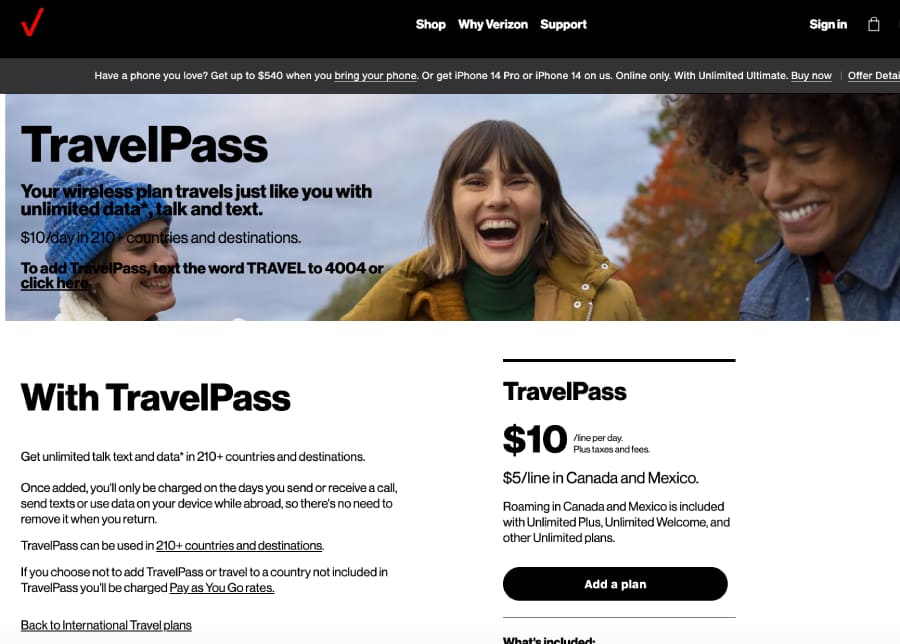
Historically, travelers relied heavily on their domestic telecom providers in North America, Europe, or Australia for international roaming. While convenient on paper, traditional carrier roaming packages have long been notorious for exorbitant pricing models and frustrating limitations. Major United States carriers, for instance, have traditionally charged daily roaming fees averaging around ten dollars per day, or alternatively offered rigid monthly data allotments that trigger steep overage penalties once exhausted. Furthermore, budget-conscious travelers frequently encounter throttled data speeds—often plummeting to sluggish 2G networks—after consuming a nominal daily or monthly threshold. These legacy restrictions frequently render essential travel applications, such as real-time navigation, digital transit ticketing, and ride-sharing services, practically unusable without incurring substantial extra costs.

In contrast, the introduction of regional prepaid eSIM data plans has revolutionized the market by slashing connectivity expenses significantly. Independent data providers and major European telecom networks now offer digital packages that cost a fraction of traditional carrier roaming fees, typically translating to just two to five dollars per day. This dramatic cost reduction stems from increased market competition and the elimination of manufacturing and distribution overhead associated with physical SIM cards and plastic packaging.
Understanding eSIM Technology and Device Compatibility

An eSIM is functionally identical to a traditional physical SIM card, but it is permanently embedded directly into a smartphone’s internal hardware by the manufacturer. Instead of physically inserting a chip, users activate a digital profile by scanning a Quick Response (QR code) provided via email or by installing a dedicated mobile application. This technological leap brings distinct operational advantages, particularly the ability to maintain dual-SIM functionality. Travelers can simultaneously keep their domestic phone number active for critical two-factor authentication texts and banking security alerts while routing high-speed mobile data exclusively through the cost-effective European eSIM.
Device compatibility has expanded rapidly since major manufacturers began integrating the technology into flagship hardware. Essentially all Apple iPhone models manufactured since 2019 support eSIM functionality. Notably, Apple signaled a permanent industry shift when it released the iPhone 14 series in the United States entirely without a physical SIM card tray, relying exclusively on dual eSIM capabilities. Similarly, contemporary Android devices, including Google Pixel iterations and Samsung Galaxy flagships released over the last four years, offer robust built-in eSIM support. Industry analysts note that checking device unlock status prior to departure remains a vital prerequisite, as carrier-locked phones will reject third-party digital data profiles regardless of hardware compatibility.
Comparative Breakdown of Top European eSIM Providers
Navigating the crowded marketplace of European eSIM providers requires careful consideration of data caps, validity periods, voice calling inclusion, and regional coverage limitations. Several prominent providers currently dominate the sector, catering to diverse travel styles and duration lengths.

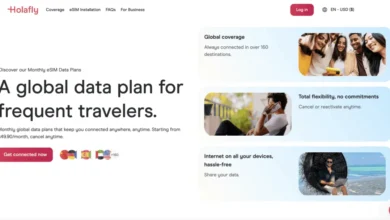
Holafly stands out as a preferred option for heavy data consumers, offering unlimited data plans across a flexible duration range spanning from one to ninety days. Headquartered in Europe, Holafly provisions digital profiles that connect users to Tier-1 local networks, ensuring high-speed connectivity without the anxiety of monitoring gigabyte consumption. While daily rates decrease incrementally for longer commitments, the primary convenience lies in the complete absence of data exhaustion caps.
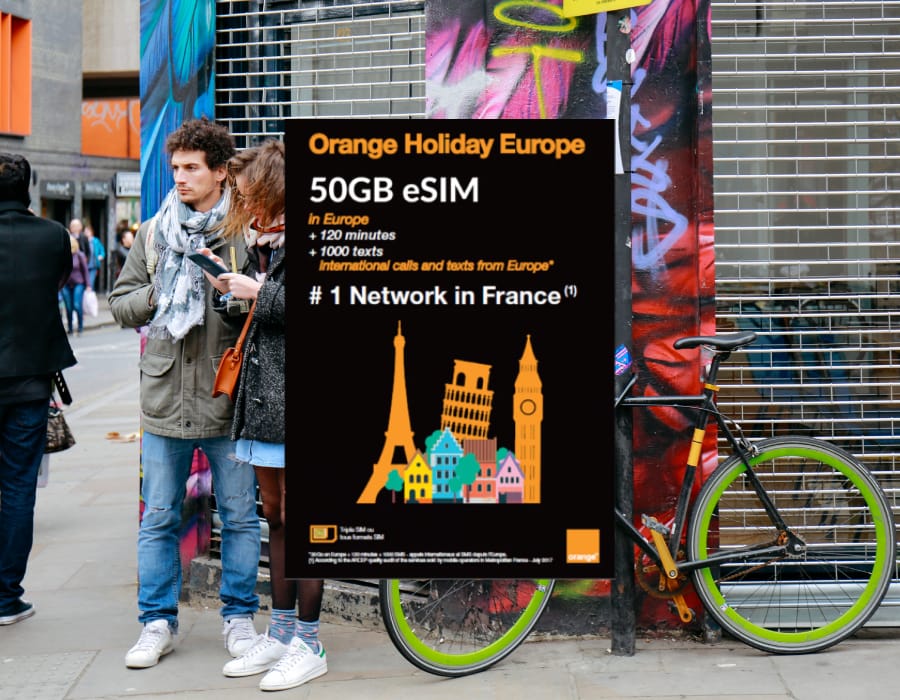
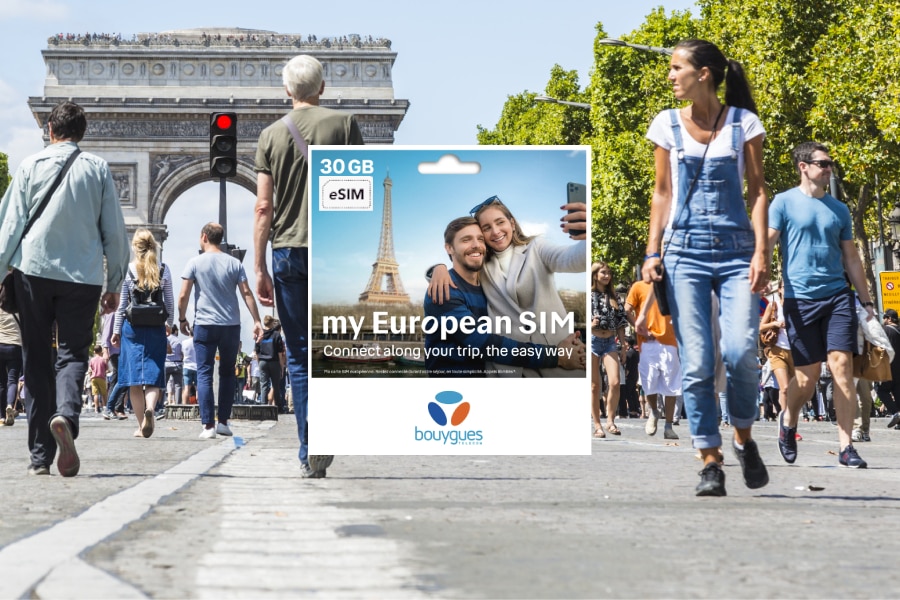
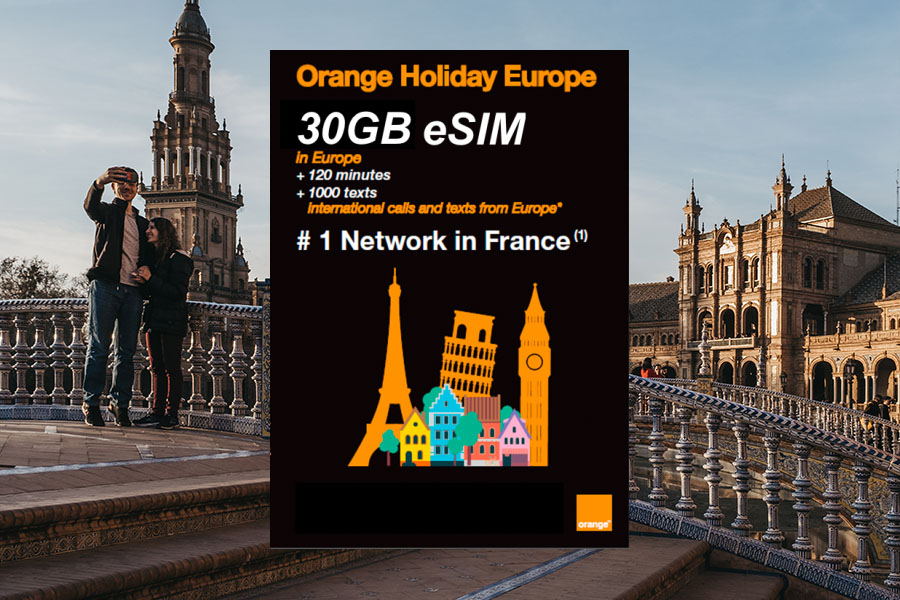
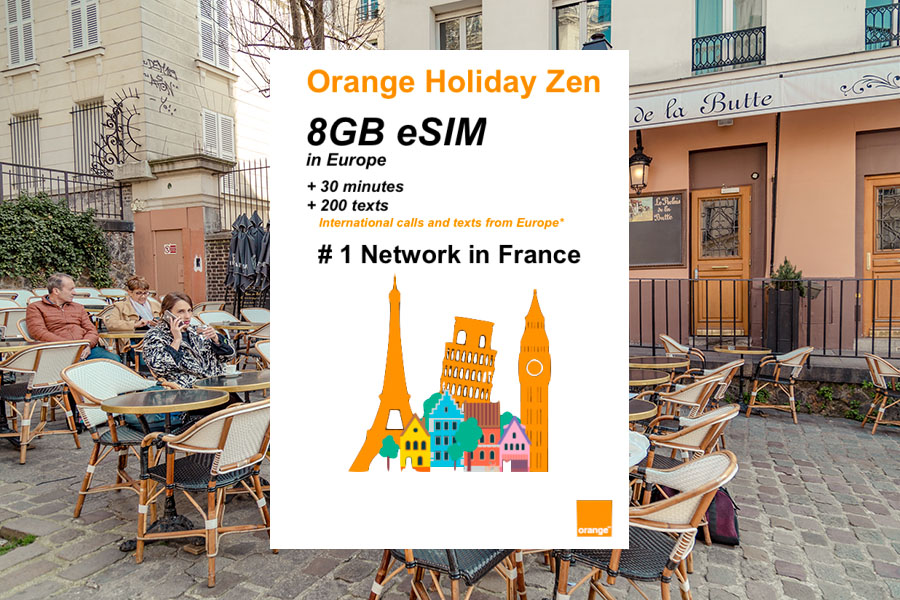
SimOptions functions as an authorized digital retailer bridging major European telecom giants directly with international travelers. Among its most popular offerings are prepaid packages curated by Orange, Bouygues Telecom, and O2. The Orange Holiday Europe eSIM, for instance, provides substantial data allowances—ranging traditionally from thirty to fifty gigabytes—valid for a designated active window. Crucially, unlike data-only competitors, prominent Orange and Bouygues plans provision a legitimate French phone number accompanied by allowances for international voice calling and text messaging across the European Union. This voice capability proves exceptionally valuable for travelers needing to make traditional phone reservations at hotels, restaurants, or local excursion agencies.
Conversely, budget-oriented international eSIM options, such as the Smart Comfort X plan, cater to light data users seeking economical connectivity. These alternative packages rely on a patchwork of local partner networks across different countries—such as O2 in Germany and WIND in Italy—delivering lower data thresholds at reduced price points, though typically omitting traditional voice and text allotments.
Regulatory Frameworks and Geographical Caveats

A significant regulatory advantage for travelers visiting the European Union stems from the historic abolition of intra-EU mobile roaming fees. Consequently, purchasing an eSIM card tied to a French telecom operator, such as Orange or Bouygues, grants seamless, high-speed data access across all member states without incurring roaming surcharges. A traveler can touch down in Paris, take a high-speed rail to Rome, and continue onward to Berlin while utilizing the exact same data profile continuously.
However, travelers must remain mindful of geographical anomalies regarding non-EU member states. Switzerland and the United Kingdom occupy unique positions post-Brexit and outside formal EU telecommunications agreements. While major network operators like Orange maintain direct agreements ensuring seamless coverage within Switzerland and the UK, certain third-party budget eSIM providers explicitly exclude Swiss territory or impose additional surcharges. Industry experts strongly recommend reviewing the precise coverage list of any prospective data plan before purchase to prevent unexpected connectivity blackouts when crossing alpine borders.
Practical Implementation and Best Practices for Travelers
Maximizing the efficiency of a European eSIM plan involves adhering to established logistical protocols. Industry veterans recommend purchasing and downloading the eSIM profile prior to departure, utilizing home Wi-Fi networks to complete the initial setup phase. However, travelers are explicitly cautioned against fully activating the service countdown timer prematurely. Because validity periods—typically lasting fourteen to thirty days—begin ticking the exact moment the eSIM connects to a cellular tower abroad, activating the profile days in advance at home wastes valuable service time.
To optimize data consumption and battery life during an extended European excursion, travelers should adopt several prudent device management strategies. Setting up offline downloadable maps via applications like Google Maps drastically reduces continuous background data usage while preserving accurate GPS tracking in airplane mode. Furthermore, relying on messaging platforms like WhatsApp facilitates effortless communication with European lodging hosts and local businesses without requiring expensive international voice minute packages. Finally, carrying a reliable portable external battery charger ensures uninterrupted navigation and photography throughout long days exploring historic urban centers.
Implications for the Global Telecommunications Market
The widespread commercial adoption of eSIM technology marks a definitive turning point in global roaming economics. By stripping away the logistical friction and high costs historically associated with international communication, digital SIM profiles have empowered independent travelers to remain dynamically connected without relying on legacy carrier monopolies. As telecommunications infrastructure continues to evolve toward a fully software-driven ecosystem, physical SIM cards are projected to become increasingly obsolete, cementing eSIM integration as the universal standard for modern global mobility.