Laguna Beach Family Vacation Guide: A Comprehensive Look at Southern California’s Premier Coastal Destination for Families

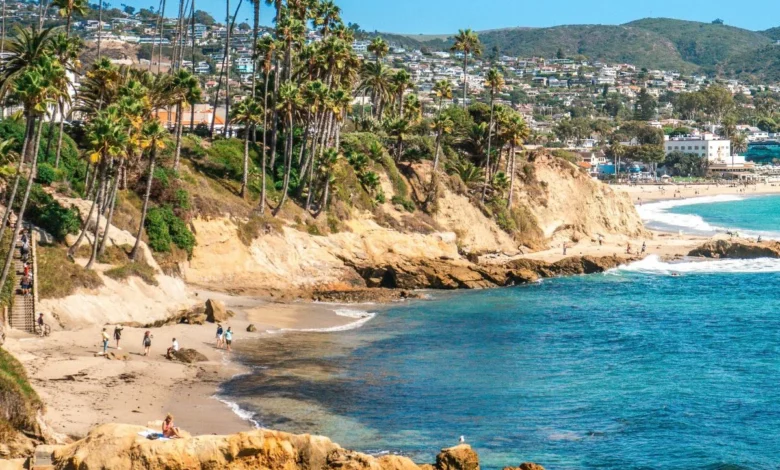
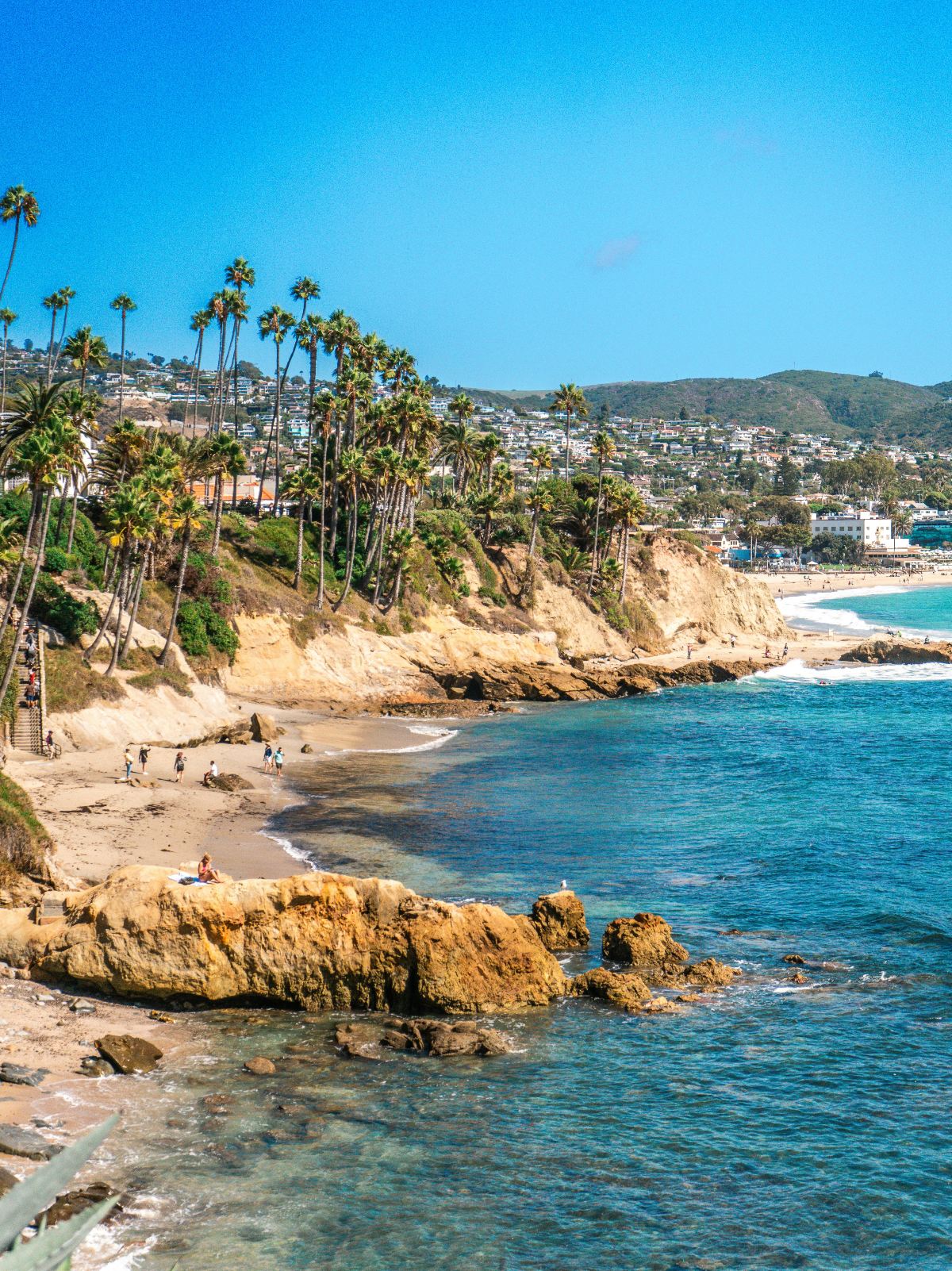
Laguna Beach stands as a centerpiece of the California coastal experience, uniquely positioned halfway between the metropolitan hubs of Los Angeles and San Diego. Characterized by seven miles of undulating coastline, the city is renowned for its series of more than 30 hidden coves, weathered sandstone cliffs, and sage-covered canyons that offer a stark contrast to the urban sprawl of neighboring Orange County. This coastal enclave, historically established as an artist colony, has evolved into a sophisticated destination that balances high-end luxury with a deep commitment to environmental preservation and community-driven culture. For families, the destination provides a versatile itinerary that can pivot between high-energy outdoor adventures and restorative leisure, supported by a robust infrastructure of walkable downtown districts, art galleries, and diverse accommodation options ranging from boutique hotels to five-star resorts.
Historical Context and the Evolution of the Artist Colony
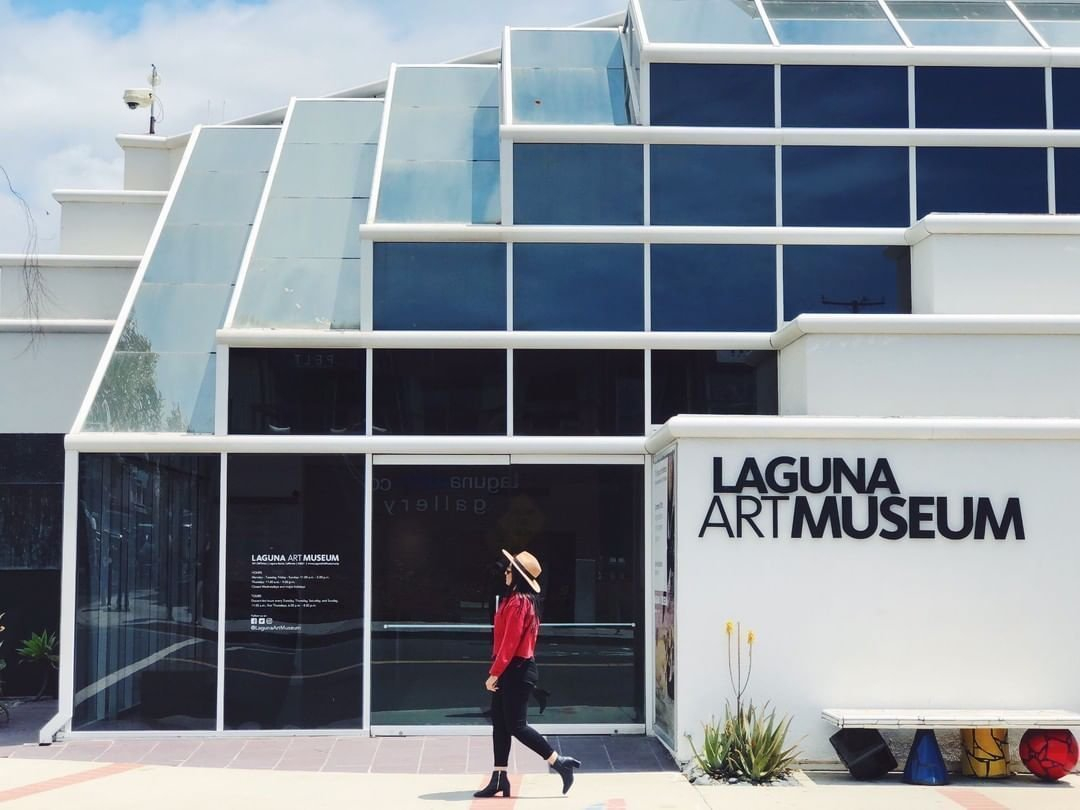
The identity of Laguna Beach is inextricably linked to its roots in the early 20th century. While the area was originally home to the Tongva people, the modern city began to take shape in the late 1800s. By the early 1900s, the dramatic light and rugged scenery began attracting en plein air painters, leading to the formation of the Laguna Beach Art Association in 1918. This group eventually established what is now the Laguna Art Museum, which serves as a cultural anchor for the city.
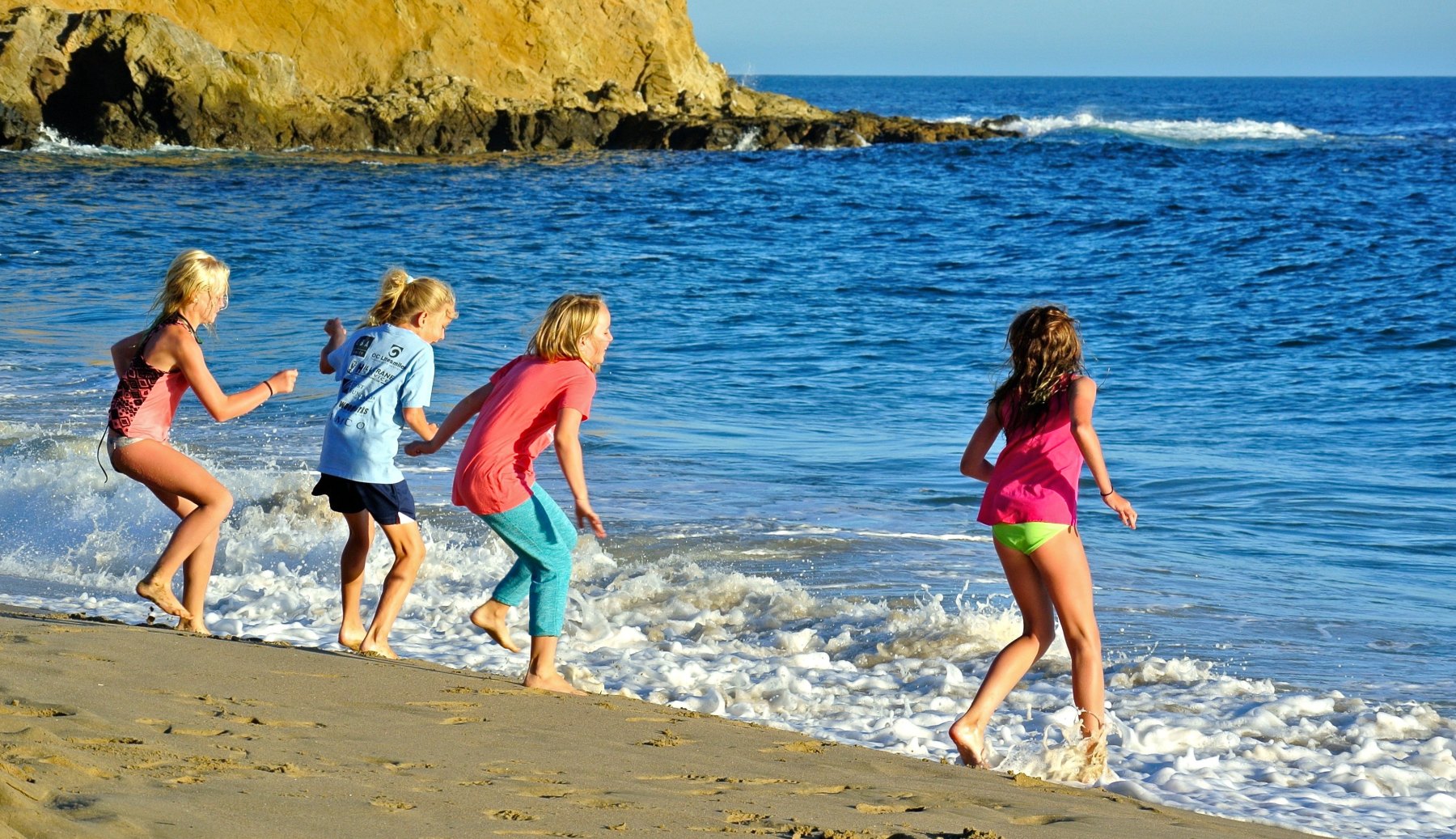
The mid-century period saw the formalization of Laguna’s most famous cultural exports. The Pageant of the Masters, which debuted in 1933 during the Great Depression to draw tourists to the area, remains a cornerstone of the summer season. This "living pictures" production, where volunteers are transformed into famous works of art using intricate costumes and lighting, reflects the city’s enduring dedication to the arts. This historical foundation ensures that even a family beach vacation in Laguna is imbued with a sense of cultural heritage that is rare among typical seaside resorts.
Outdoor Adventure and Marine Education
The geographical diversity of Laguna Beach allows for a wide spectrum of maritime and terrestrial activities. For families looking to engage with the Pacific Ocean, the local industry is led by long-standing outfitters such as La Vida Laguna. For over two decades, this organization has specialized in small-group instruction, particularly at Thalia Street Beach, which is favored by beginners due to its consistent, manageable swell.
Kayaking and paddleboarding tours offer a different perspective of the coastline, allowing visitors to navigate the "Seven Coves" area. These excursions often result in sightings of California’s state fish, the bright orange Garibaldi, as well as harbor seals and bottlenose dolphins. The city’s commitment to being a Marine Protected Area (MPA) means that the tide pools at Main Beach and Treasure Island are teeming with life, providing a natural laboratory for children to observe sea anemones, hermit crabs, and sea stars in a protected environment.
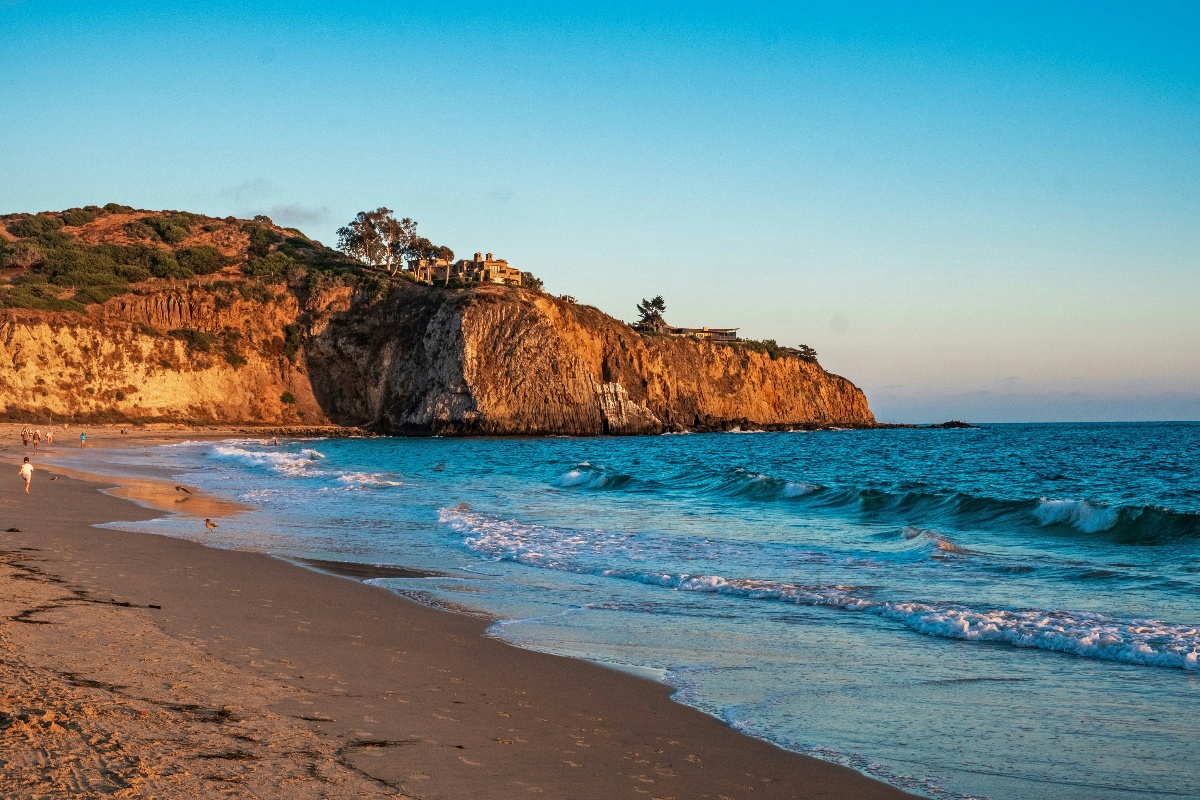
Further inland, the 3,907-acre Crystal Cove State Park offers a reprieve from the shoreline. The park’s El Moro Canyon features a network of trails, including the popular El Moro Canyon Loop, which ascends roughly 800 feet to provide panoramic views of the Pacific. This area is a critical habitat for coastal sage scrub and provides a glimpse into what the California coast looked like before the post-war development boom.
Marine Mammal Conservation and Whale Watching
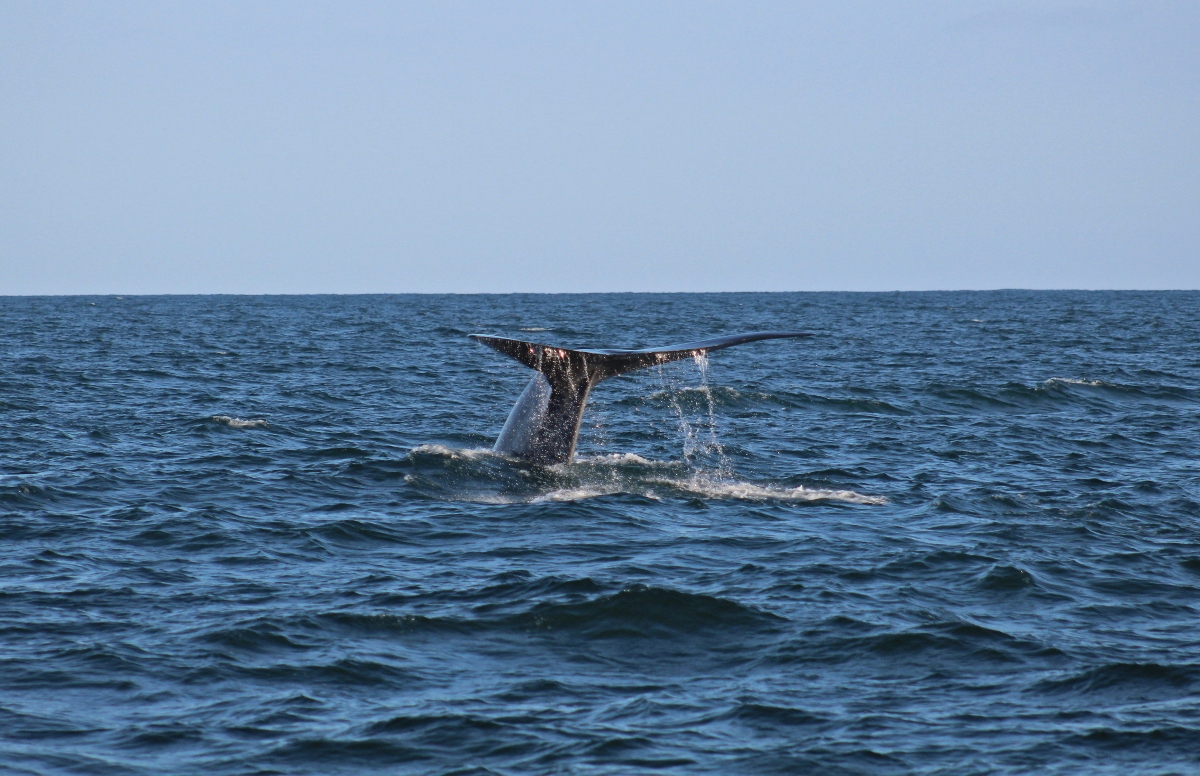
A significant draw for families is the region’s status as a premier whale-watching destination. The nutrient-rich waters of the Southern California Bight serve as a migratory corridor and feeding ground for several species. From December through April, the coastline witnesses the migration of gray whales traveling from Alaska to the lagoons of Baja California. The summer and fall months shift the focus to blue whales—the largest animals on earth—and humpback whales, which are frequently seen breaching and lunge-feeding.
Neighboring Dana Point, located just south of Laguna Beach, was recently designated as the first "Whale Heritage Site" in the Americas by the World Cetacean Alliance. This proximity allows Laguna visitors easy access to high-quality tours, such as those operated by Captain Dave’s Dolphin and Whale Watching Safari. These tours emphasize education and conservation, often utilizing research-grade vessels to minimize impact on the animals.
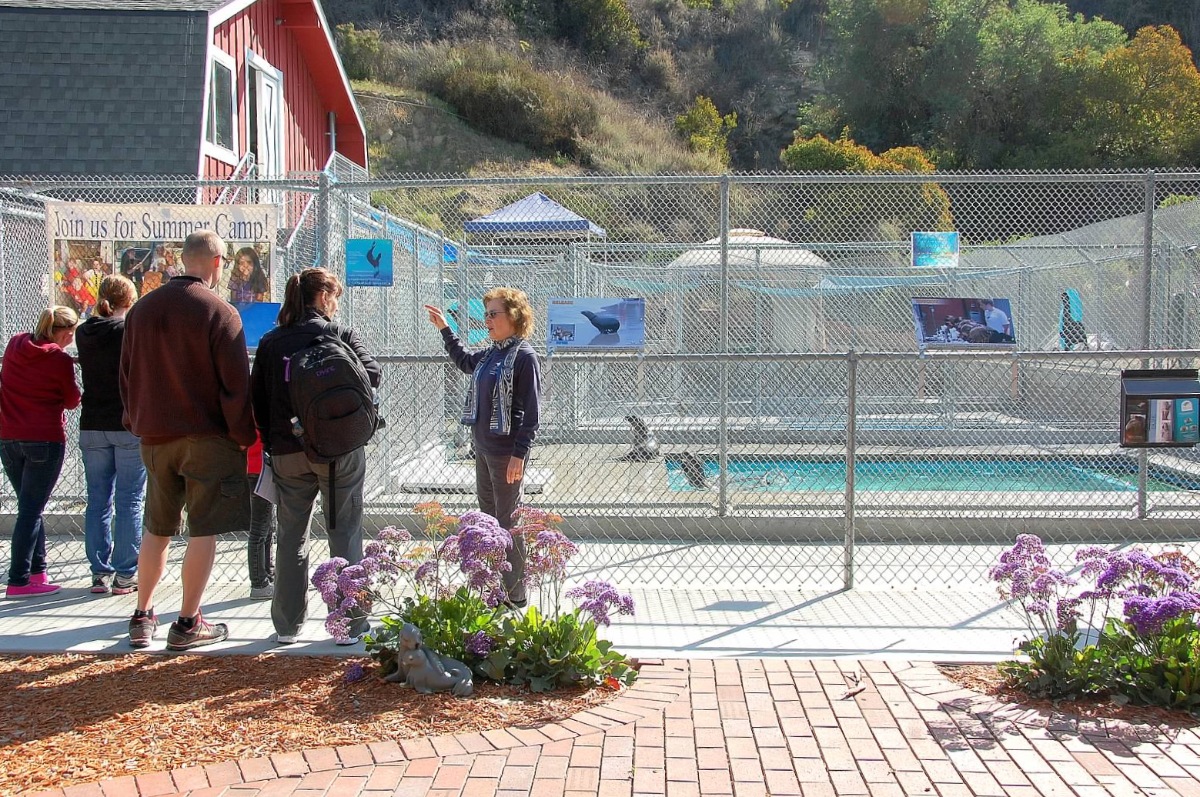
Complementing the offshore experience is the Pacific Marine Mammal Center (PMMC) in Laguna Canyon. As the only facility in Orange County licensed to rescue and rehabilitate marine mammals, the PMMC plays a vital role in local ecology. The center recently underwent an expansion to enhance its medical facilities and educational outreach. Docent-led tours provide families with a behind-the-scenes look at the rehabilitation of California sea lions and elephant seals, fostering a sense of environmental stewardship in younger visitors.
The Laguna Beach Arts Scene
The city’s reputation as an arts destination is supported by nearly 50 art galleries concentrated in the walkable downtown and along the Pacific Coast Highway. The Laguna Art Museum remains a primary attraction, housing a permanent collection of more than 3,500 works that focus exclusively on the history of California art.
During the summer months, the arts scene expands with the Sawdust Art Festival. Unlike traditional galleries, the Sawdust Festival is designed to be immersive and accessible. It features the work of approximately 180 local residents and offers hands-on workshops in pottery, glassblowing, and jewelry making. This focus on "maker culture" allows children and parents to engage with the creative process directly, rather than as passive observers.
Logistics and Sustainable Urban Mobility
One of the most practical features for families visiting Laguna Beach is the city’s free trolley system. Operating year-round with expanded service during the summer, the trolley provides a sustainable solution to the parking challenges inherent in a town built between mountains and the sea. The system includes coastal routes that connect the major resorts to the downtown area and canyon routes that service the arts festivals and the PMMC.
The city has integrated technology into this vintage-style service through the Laguna Beach Trolley Tracker app. This allows visitors to monitor the location of vehicles in real-time, significantly reducing wait times and making the town’s various "hidden" beaches more accessible to those without private transportation.
Gastronomy: From Historic Inns to Modern Italian
The culinary landscape of Laguna Beach reflects its transition from a quiet surf town to a high-end destination. For many visitors, the experience is anchored by historic establishments like the Orange Inn. Founded in 1931, the inn originally served travelers on the trek between Los Angeles and San Diego. Today, it remains a local landmark famous for its date shakes and orange cranberry muffins.
Casual dining is a staple of the local culture, with spots like Zinc Café & Bar and Urth Caffe offering outdoor seating and menus focused on fresh, local ingredients. These establishments cater to the "active lifestyle" demographic, providing picnic-ready options for beach days. For a more formal family dinner, the recent addition of Piatti has been well-received. Specializing in Italian cuisine with a focus on regional pizzas and pastas, it provides a high-quality dining experience that remains welcoming to families with children.
Luxury and Boutique Accommodations
Laguna Beach offers a tiered approach to lodging, with three properties standing out for their specific appeal to family travelers:
- Montage Laguna Beach: Occupying 30 acres of beachfront bluffs, the Montage is the city’s flagship luxury resort. It features a 20,000-square-foot spa and the "Paintbox" kids’ club, which provides age-appropriate activities ranging from tide pool exploration to art classes. The resort’s mosaic-tiled pool is one of the most photographed locations in Southern California.
- The Ranch at Laguna Beach: Situated in the Aliso and Wood Canyons, this property offers a different aesthetic. It focuses on "canyon quiet" and sustainability. The Ranch features a nine-hole golf course, a sand volleyball court, and unique programming such as the "Birds of Prey" educational series. It is often preferred by families seeking a more secluded, nature-oriented experience.
- Surf & Sand Resort: For families who want to be as close to the water as possible, the Surf & Sand Resort is built directly on the shoreline. Following a comprehensive renovation in 2023, the resort offers contemporary rooms with balconies that sit over the sand. Its restaurant, Splashes, is noted for its proximity to the surf, where waves frequently crash against the sea wall below the dining deck.
Economic Impact and Environmental Stewardship
The success of Laguna Beach as a family destination has significant economic implications. Tourism is the city’s primary economic driver, supporting thousands of local jobs and generating millions in transient occupancy tax (TOT) revenue, which is reinvested into beach maintenance and public safety.
However, this popularity necessitates a delicate balance. The city government and local non-profits are heavily invested in "Sustainable Tourism." This includes strict enforcement of the Marine Protected Area regulations, plastic-free initiatives, and the promotion of the trolley system to reduce the carbon footprint of visitors. The goal is to ensure that the natural beauty that first attracted en plein air painters over a century ago remains intact for future generations of families.
In conclusion, Laguna Beach represents a sophisticated intersection of natural beauty, artistic heritage, and modern luxury. By offering a diverse array of activities that cater to both the desire for adventure and the need for relaxation, it maintains its status as the quintessential California family beach vacation. Whether through the lens of a telescope on a whale-watching boat or a paintbrush at a local festival, the Laguna Beach experience is one of deep engagement with the coastal environment.