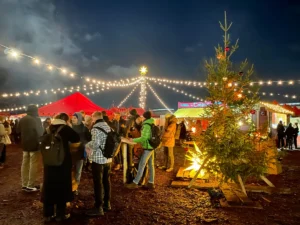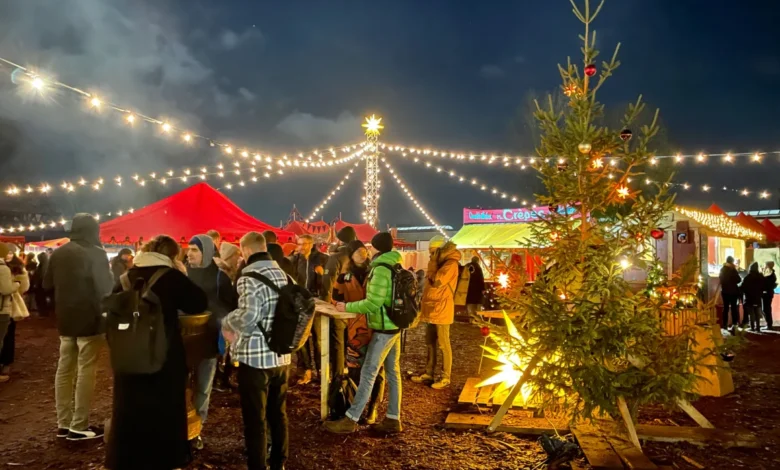
Berlin, a city defined by its fragmented history and lack of a singular center, offers a unique approach to the traditional German Christmas market. Unlike Munich or Nuremberg, which anchor their holiday festivities around a historic main square, Berlin hosts an expansive, decentralized network of over 70 distinct markets scattered across its various districts. As the Advent season approaches, these locations—ranging from grand, historic squares to intimate, neighborhood-focused courtyards—become the primary social hubs for both residents and visitors, effectively serving as the city’s communal living rooms during the darkest months of the year.
The historical evolution of the Berlin Christmas market is a study in cultural adaptation. While the concept of the Weihnachtsmarkt is deeply rooted in German tradition, Berlin’s iterations have evolved to mirror the city’s diverse and modern character. Throughout the late 20th and early 21st centuries, the city moved away from the standardized, commercialized markets that often dominate smaller tourist hubs, instead embracing a model that prioritizes local craftsmanship, regional gastronomy, and niche-themed experiences.
The Seasonal Chronology and Market Dynamics
The operational calendar for Berlin’s holiday markets typically commences in late November, coinciding with the start of the Advent season. For the 2024–2025 cycle, the majority of the city’s markets opened on November 25, 2024, with most scheduled to remain active until the final days of December or the first week of January.

The strategic importance of these markets lies in their ability to foster community engagement during a period when daylight hours are severely restricted. In Berlin, the sun frequently sets before 4:00 PM throughout December, creating an early twilight that enhances the aesthetic appeal of the illuminated markets. The integration of artificial light, combined with the sensory experience of Glühwein (spiced mulled wine) and Gebrannte Mandeln (roasted almonds), provides a structured space for social cohesion. Data from local tourism boards suggests that these markets act as significant economic drivers, with millions of visitors circulating through the city’s various districts, stimulating local small businesses and artisan vendors who rely on the short, intense burst of holiday trade.
Landmark Markets and Regional Profiles
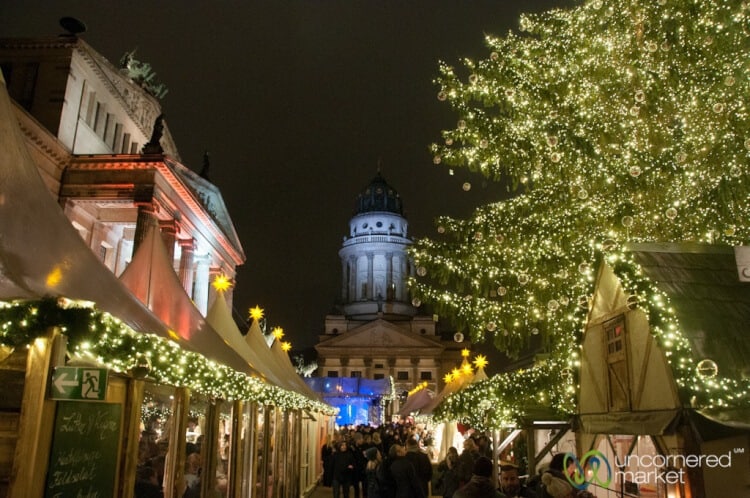
The diversity of Berlin’s market scene is best understood through its most prominent examples. The WeihnachtsZauber Gendarmenmarkt is widely regarded as the city’s premier traditional market. Set against the architectural backdrop of the Konzerthaus and the French and German Cathedrals, it maintains a reputation for high-quality craftsmanship and a curated selection of culinary offerings. Unlike many open-access public spaces, this market often implements a modest entrance fee, a decision supported by organizers as a means to maintain the site’s aesthetic integrity and control visitor density.

In contrast, the Schloss Charlottenburg Christmas Market offers a more classical, aristocratic atmosphere. Situated in the forecourt of a 300-year-old Baroque palace, the market features traditional Christmas pyramids and intricate lighting displays that cater to a more formal, fairytale-oriented visitor experience.
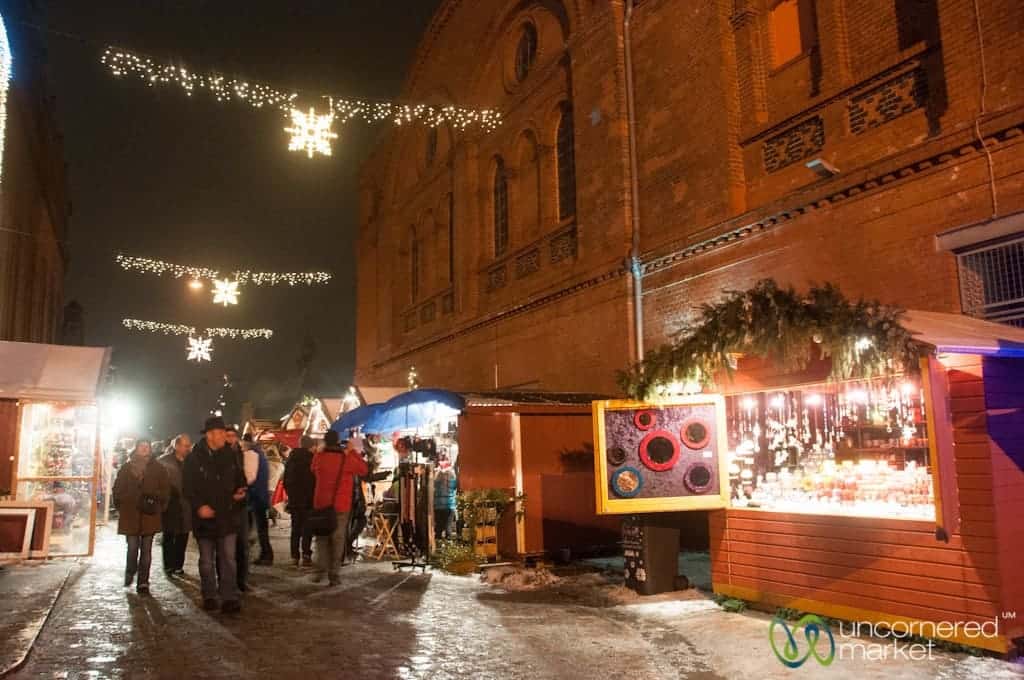
For those seeking a departure from the conventional, the Lucia Christmas Market at the Kulturbrauerei provides a Nordic-Scandinavian perspective. Located within the historic brick courtyards of a former 19th-century industrial complex in Prenzlauer Berg, this market focuses on Northern European traditions. Visitors here encounter distinct varieties of Glögg (Scandinavian mulled wine), reindeer meat specialties, and a design aesthetic that diverges sharply from the standard Bavarian-influenced market styles found elsewhere in the city.

Medieval and Alternative Market Subcultures
The city’s penchant for the "offbeat" is nowhere more evident than in the Medieval Historical Christmas Market at the RAW Cultural Center in Friedrichshain. This market functions as a living history exhibit, incorporating elements like axe throwing, archery, and manual, hand-cranked carousels. The reliance on fire pits for heat and the service of mead in heavy ceramic mugs create a rugged, authentic atmosphere that appeals to a demographic seeking a more immersive, experiential version of history.
Beyond the city limits, the Potsdam Christmas Market, located just a short transit ride from central Berlin, offers an extensive, multi-block experience that includes the historic streets surrounding the UNESCO-protected Sanssouci Palace. The presence of international influences, such as the Polish Christmas Market at the Kutschstallhof, highlights the cross-border cultural exchange that characterizes the Berlin-Brandenburg metropolitan region.

Socio-Economic Impact and Local Integration
A critical aspect of the Berlin market scene is the prevalence of neighborhood-specific events that operate for shorter durations, often just a single weekend. The Alt-Rixdorfer Christmas Market in Neukölln serves as an exemplar of community-led planning. Rather than focusing on mass tourism, this market is organized by local charities, schools, and civic organizations. The proceeds from these stalls are frequently reinvested into the community, underscoring the role of these markets as vital instruments for local social funding.
Similarly, the Heissa Holzmarkt on the banks of the Spree River represents a modern evolution of the urban village concept. By utilizing an existing, year-round creative space, the market blends industrial aesthetics with holiday tradition, featuring silent discos, bonfires, and international culinary options that reflect the multicultural fabric of modern Berlin.
Planning and Logistical Considerations
For visitors and residents alike, navigating the city’s 70-plus markets requires a degree of strategic planning. Official municipal resources, such as the VisitBerlin portal, provide updated schedules and logistical guidance. Because many of the smaller, neighborhood-based markets have limited operating days, consultation of official digital calendars is essential to avoid disappointment.
From a regulatory standpoint, the city of Berlin maintains a strict framework regarding safety, waste management, and the licensing of vendors. The recent trend toward sustainability—such as the use of reusable ceramic mugs (pfand system) and the emphasis on regional, organic food sourcing—reflects broader European environmental mandates. This shift has not only improved the quality of the consumer experience but has also aligned the festive season with the city’s ongoing commitment to ecological responsibility.

The Broader Implications of Berlin’s Holiday Culture
The resilience of the Berlin Christmas market phenomenon, even in the face of shifting economic climates and urban development, speaks to a fundamental human requirement for communal gathering. By refusing to standardize its holiday offerings, Berlin has managed to preserve a sense of locality in an increasingly globalized tourism market.
While the commercial aspects of the season are undeniable, the primary function of these markets remains rooted in the concept of Gemütlichkeit—a sense of warmth, friendliness, and belonging. As the city looks toward future holiday seasons, the decentralized model of the Berlin Christmas market remains its greatest strength, ensuring that the spirit of the season is not contained within a single tourist-heavy square, but is instead woven into the fabric of every neighborhood, from the historic centers of the west to the creative hubs of the east. This distribution of festivities ensures that regardless of where one stays or how one chooses to celebrate, the traditions of the German holiday season remain accessible, authentic, and inherently linked to the unique identity of Berlin.