There’s never a bad time to visit most of the world’s most amazing islands, but 2026 is an especially good year to visit the selections below. These destinations offer unique experiences, from celestial events to evolving conservation efforts and cultural celebrations, making them prime candidates for discerning travelers seeking more than just a typical beach vacation. Each island presents a compelling reason to plan an adventure, combining natural beauty with significant upcoming events and changes.
Mallorca, Spain: A Celestial Spectacle Returns
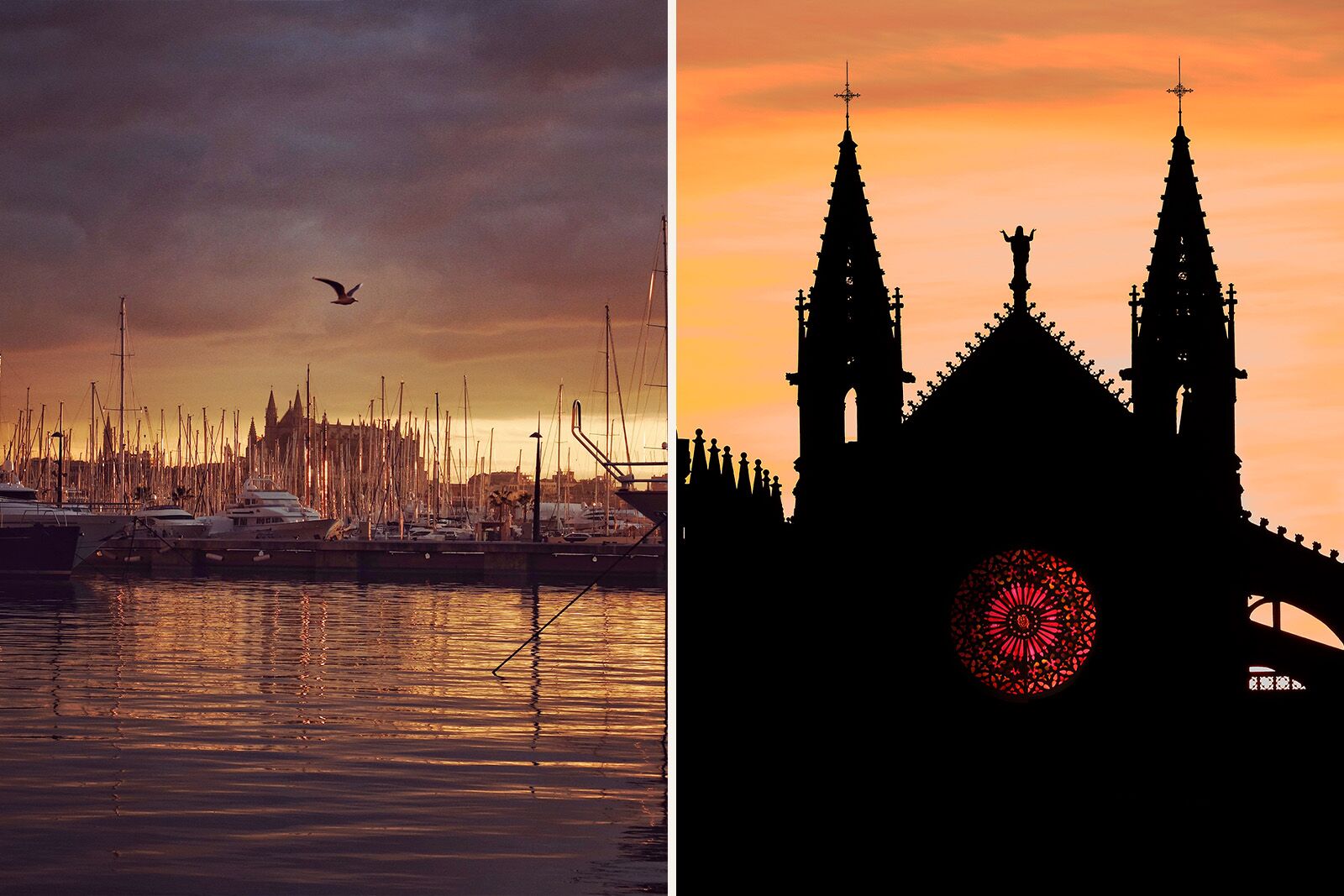
Mallorca, the largest of Spain’s Balearic Islands, is poised to become a focal point for astronomical enthusiasts and vacationers alike in 2026. On August 12th, the island will witness a total solar eclipse, a phenomenon not seen from its shores in over a century. The eclipse is predicted to begin at 8:31 PM local time, with totality occurring when the sun is just two degrees above the western horizon. This low elevation promises a breathtaking view of the sun’s corona silhouetted against the Mediterranean Sea before the celestial body dips below the water.
This rare event is particularly significant as it marks the first total solar eclipse visible from Spain since August 30, 1905. While other locations, such as Iceland, are also favorably positioned for viewing, Mallorca offers a distinct advantage due to its Mediterranean climate. Historically, August cloud cover on the western coast of the Balearics averages around 25 percent, providing meteorologists and astronomers with a higher probability of clear skies for optimal viewing. This reliability has led experts to consider Mallorca one of the most dependable land-based viewing sites on Earth for this specific eclipse.
For the best experience, visitors are advised to secure a west-facing viewpoint with an unobstructed sightline to the sea or distant horizon. Prime locations include the western coastal areas around Andratx, Estellencs, Banyalbufar, Deià, and Sóller, as well as any cliff top, beach, or boat offering an unimpeded view of the sunset. It is recommended to arrive at viewing spots well before 7:30 PM, equipped with certified eclipse glasses, water, and appropriate layers for the evening.
Tonga: A Unique Opportunity for Whale Encounters
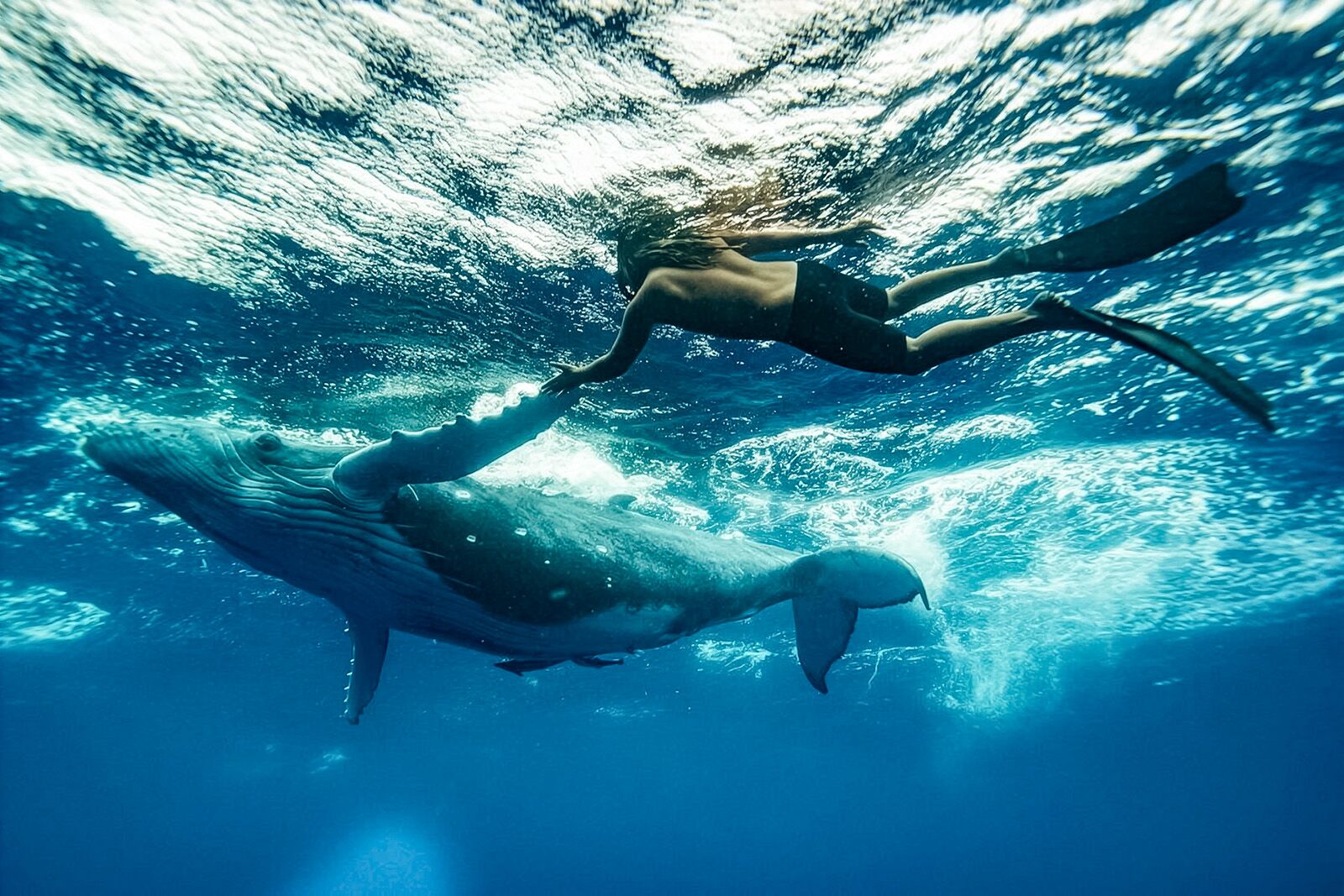
Tonga, an archipelago nation in the South Pacific, continues to offer one of the world’s most profound wildlife experiences: swimming in the open ocean alongside humpback whales. In 2026, this extraordinary encounter remains accessible, though it is increasingly subject to stringent regulations aimed at protecting both the marine life and human visitors.

The whale swimming season in Tonga typically runs from July 1st to October 30th. Encounters are carefully managed, with strict limits on time spent in the water and small, guided groups of no more than four participants. The experience is designed to be intimate and respectful, emphasizing the natural behavior of these majestic creatures. Boats maintain a distance of at least 300 meters from the whales and approach only at slow speeds to deploy swimmers. This approach fosters a sense of genuine wildness, contrasting with more commercialized or crowded marine tourism operations.
However, conservationists and Tongan authorities have been advocating for even tighter regulations in recent years. Growing concerns about the impact of tourism on whale populations and the need for consistent operator behavior have led to discussions about further restrictions. The trajectory suggests a move towards fewer boats, fewer swimmers, and potentially more limited access to in-water encounters. While these measures are crucial for the long-term health of whale populations, they underscore the critical nature of 2026 as a potential window for this immersive experience. Future regulations might shift the focus primarily to observation-only boat trips, aligning with practices in many other global destinations.
Svalbard: An Arctic Frontier Facing Change
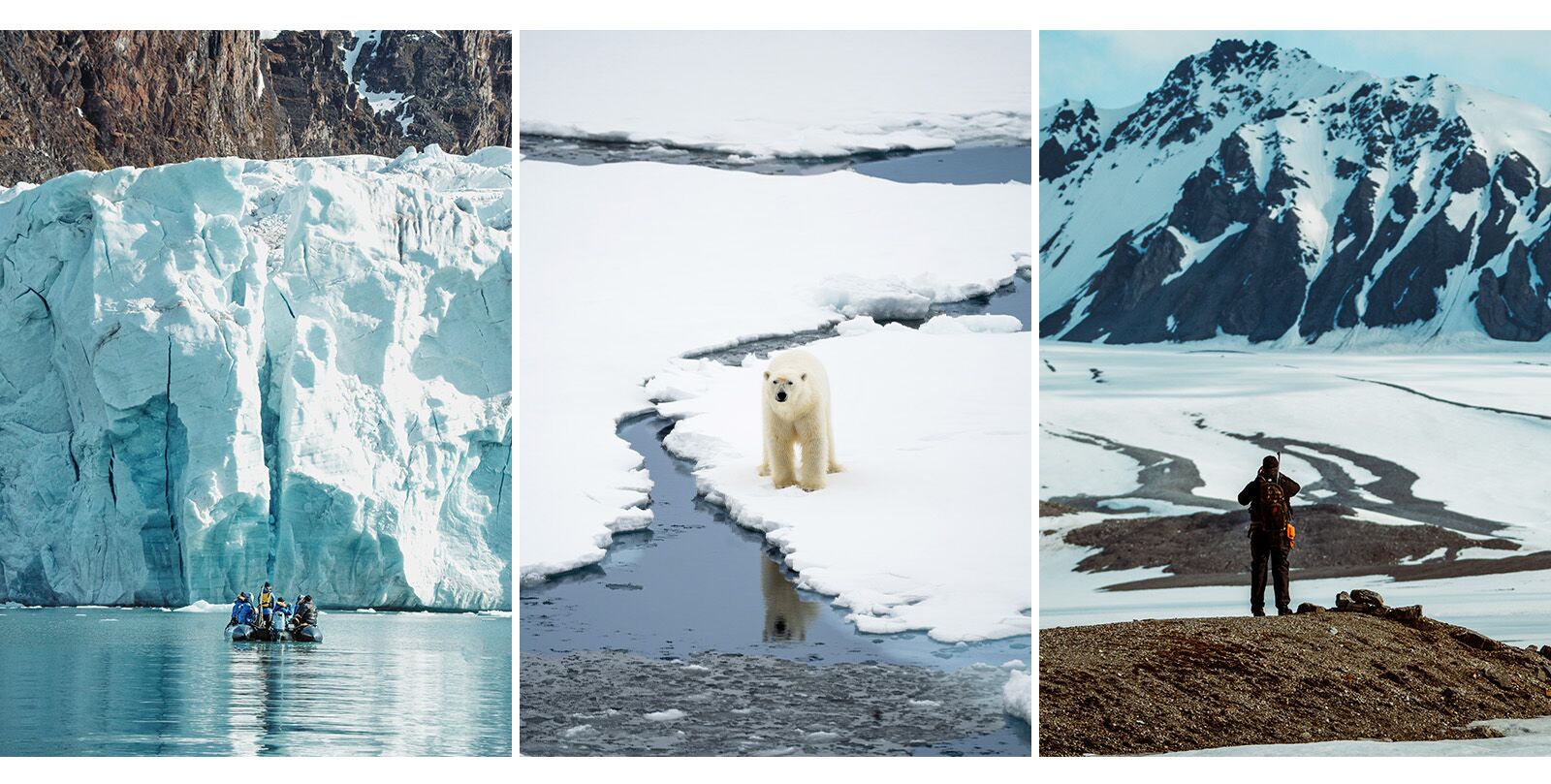
Svalbard, a Norwegian archipelago located in the Arctic Ocean, is a destination that embodies the essence of the polar wilderness. However, this fragile environment is undergoing rapid transformation due to climate change. Svalbard is warming at a rate six to seven times faster than the global average, leading to retreating glaciers, thawing permafrost, and shifts in polar bear habitats.
The changing climate presents a compelling argument for visiting Svalbard sooner rather than later. Beyond the environmental imperative, regulatory changes are also reshaping the tourism landscape. In recent years, access to the islands has become more controlled. As of 2025, visitors can only go ashore at 43 designated sites across the vast archipelago, with new limitations on activities while on foot. Further restrictions are planned for July 2027, and given Svalbard’s strong commitment to environmental protection, it is highly probable that access will continue to be tightened in the coming years.
Summer 2026 presents an opportune time to experience Svalbard, particularly after July 1st when the mandated viewing distance for polar bears increases to 300 meters. Travelers can opt for more budget-friendly day trips from Longyearbyen, which also offers the unique distinction of being home to the northernmost brewery in the world. For a more immersive experience, expedition cruises with operators like Hurtigruten or National Geographic-Lindblad Expeditions offer opportunities to explore further offshore, potentially walking on the ice shelf.
Dominica: The Last Hike to Boiling Lake
Dominica, renowned as a premier Caribbean destination for outdoor adventure, is set to transform a signature experience: the trek to Boiling Lake. Summer 2026 will be the final season when the only access to this natural wonder is via a challenging hike. The island is preparing to launch a groundbreaking 4-mile-long cable car, slated to begin operations in late fall 2026. This ambitious project will transport riders from the Roseau Valley to a top station near Boiling Lake in approximately 20 minutes.
Currently, reaching Boiling Lake involves a demanding 6-to-8-hour roundtrip hike through Morne Trois Pitons National Park. The trail traverses geothermal features like sulfur springs and the Valley of Desolation, leading to the world’s second-largest hot lake. The new cable car is anticipated to significantly boost visitor numbers to the lake, potentially tripling them, according to Tourism Minister Denise Charles. For travelers who prefer the challenge of earning their vistas and wish to experience the trail before it becomes more crowded, 2026 offers the ideal window.
Vanuatu: Rebuilding and Reconnecting
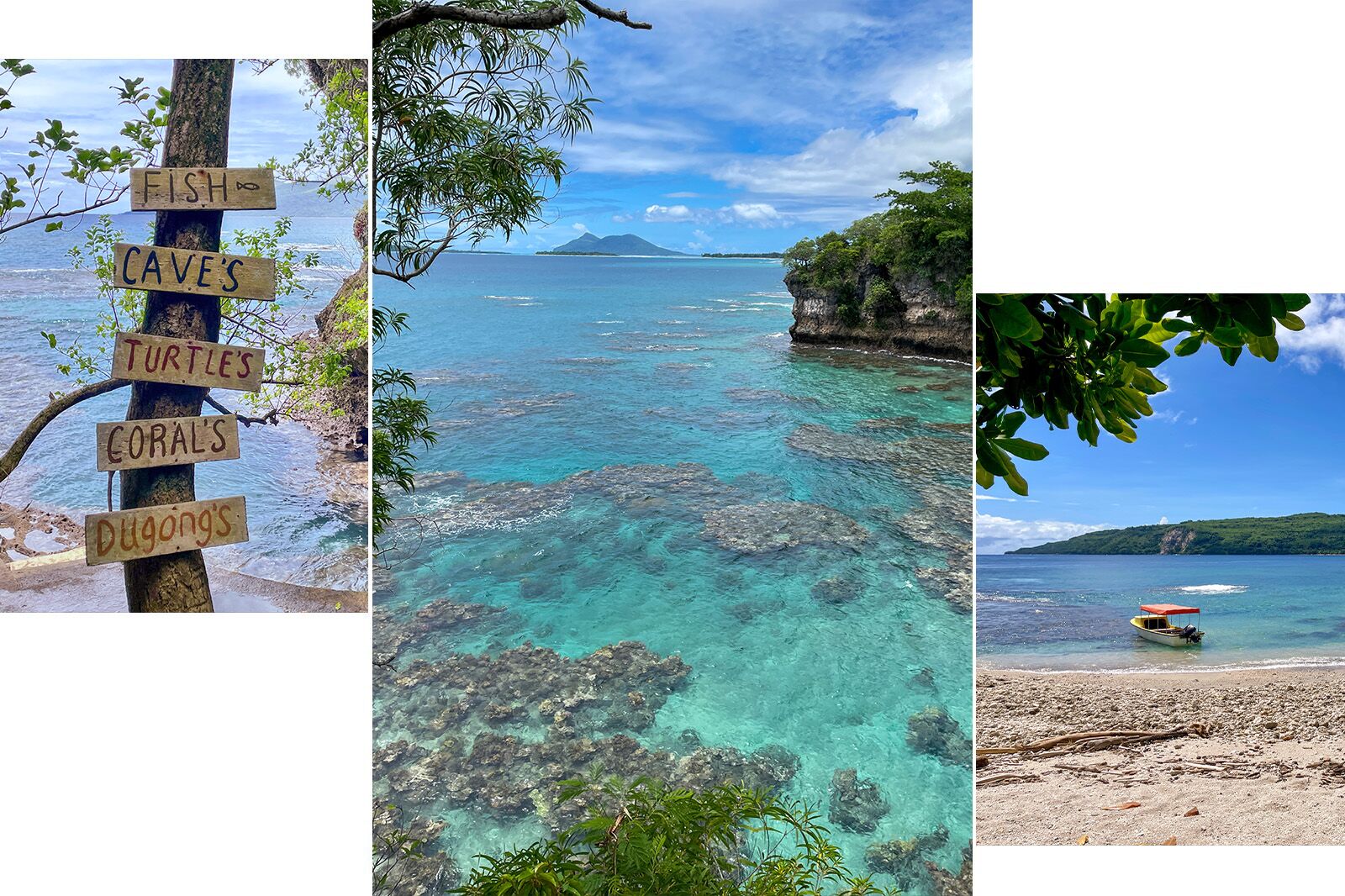
Vanuatu, an island nation in Melanesia, is on a path of recovery and revitalization in 2026, following a series of disruptive events that impacted its tourism sector. The nation faced significant challenges, including a devastating earthquake in 2024 that damaged infrastructure and a halt in operations by Air Vanuatu, severely limiting international access. These events, compounded by earlier COVID-19 travel restrictions, led to a substantial decline in tourism.
However, by 2026, Vanuatu is projected to see a significant turnaround. Infrastructure is being rebuilt, tourism capacity is normalizing, and international connectivity is expanding. Key developments include increased flight routes from Australia, with Qantas now operating daily flights from Brisbane to Port Vila, and Solomon Airlines augmenting its services from Auckland, New Zealand.
In tandem with improved accessibility, several new and renovated hotels are scheduled to open in 2026. The Grand Hotel & Casino in Port Vila, a landmark waterfront property, is set to reopen after a comprehensive restoration. The Holiday Inn Resort Vanuatu is expected to welcome guests by mid-2026, offering a beachside escape with modern amenities. Additionally, Turtle Cove Villas, a new establishment on Efate’s northern coast, promises an ideal setting for snorkeling with its on-site house reef.
These developments position 2026 as a prime travel window for Vanuatu. While visitor numbers are rebounding, they remain below pre-COVID levels, offering a sense of relative tranquility. The country is also actively engaged in discussions about the future of its tourism development, with plans for larger-scale projects, including cruise infrastructure, sparking important conversations about how growth might influence the islands’ landscapes and cultural identity. The Vanuatu of today may evolve, making the current period a valuable time to experience its unique charm.
New Caledonia: A Deliberate Path to Recovery
New Caledonia, a French archipelago in the South Pacific, presents a compelling, albeit unconventional, travel proposition for 2026. The islands experienced a period of significant disruption in 2024, marked by civil unrest that led to the closure of the capital, flight cancellations, and a dramatic decline in tourism. Visitor numbers plummeted by over 50 percent in a single year, effectively isolating the islands.
The interest in New Caledonia now lies in its deliberate recovery strategy. The government has launched an ambitious "tourism reset plan" aimed at fostering higher-quality tourism, enhancing infrastructure, and promoting sustainable growth, with a target of attracting 250,000 visitors by 2032. This contrasts with neighboring destinations like Fiji, which welcomed nearly a million visitors in 2025 alone.
New Caledonia offers a distinct experience, often described as "France dropped into the Pacific." Its appeal lies less in a conventional resort escape and more in its natural beauty, exceptional diving and snorkeling opportunities within a protected marine park, rich cultural tapestry, and singular atmosphere. The UNESCO-listed lagoon is one of the world’s largest coral reefs, and while tourism services are less developed than in Fiji, the islands offer a unique blend of French sophistication and Pacific allure. English is not widely spoken outside of major resorts, adding to the authentic experience for intrepid travelers.
Most travel itineraries focus on water-based activities, including boat trips to secluded islands, snorkeling with marine life, and stays in overwater bungalows. Inland attractions include vibrant hiking trails, rainforest parks, and cultural sites like the Tjibaou Cultural Centre. The deliberate approach to tourism recovery suggests that 2026 will offer a more curated and potentially less crowded experience for visitors seeking a unique Pacific adventure.
Crete, Greece: A Year of Gastronomic Celebration
Crete, the largest of the Greek islands, has long been recognized for its exceptional diet and healthy lifestyle. In 2026, this enduring reputation is formally acknowledged as the International Institute of Gastronomy, Culture, Arts and Tourism (IGCAT) has named Crete a European Region of Gastronomy for the year. This designation, shared with Gozo (Malta) and Kvarner (Croatia), signifies a year-long, island-wide program of events designed to highlight the island’s rich culinary heritage.
The programming will connect restaurants with local farmers, winemakers, and producers, offering visitors an unparalleled opportunity to engage with Crete’s food culture. Events will range from unique food festivals and open winery days to harvest celebrations and hands-on cooking experiences. The flagship Cretan Diet Festival in Rethymno will be expanded, featuring live cooking demonstrations and cheese showcases. Local events, such as chestnut harvest festivals in the mountains and vibrant street food festivals, will provide opportunities for visitors to celebrate alongside locals. This comprehensive celebration extends beyond restaurants to encompass the entire food ecosystem, allowing travelers to participate in the journey from farm to table.
While Crete is celebrated for its culinary excellence, it has not yet reached the saturation point of mass culinary tourism. This makes 2026 an ideal time to visit, as experiences are likely to remain affordable and relatively uncrowded. The designation is expected to bring increased attention and infrastructure, but the island’s inherent culinary draws suggest that this balance may not last indefinitely.
The Azores, Portugal: Celebrating 50 Years of Autonomy
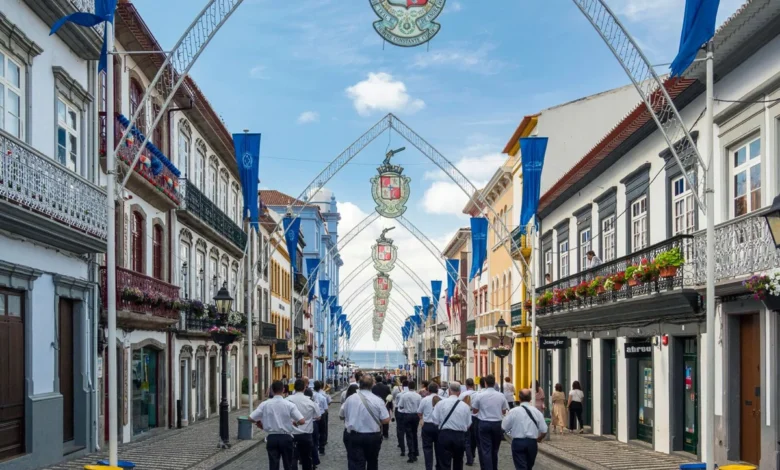
The Azores, a Portuguese archipelago in the mid-Atlantic, offers a compelling reason to visit in 2026: the 50th anniversary of its self-government. The islands will be commemorating this significant milestone with year-long celebrations, including official events, concerts, parades, and public exhibitions, many of which will be open to tourists.
The celebrations are expected to amplify existing annual events. In June, the Sanjoaninas Festival on Terceira island will be a central focus, themed around "Azoreanity," the distinct cultural identity of the archipelago. This festival typically features parades, concerts, traditional dance performances, street food, and the unique "bulls on a rope" events. In 2026, the festival will be enhanced with themed parades and performances specifically celebrating the island’s history and culture.
Throughout the autumn, visitors can anticipate expanded versions of the Holy Spirit festivals, community-wide celebrations held in villages across all nine islands from spring through early autumn. While rooted in religious tradition, these events are inclusive and welcoming to visitors, featuring communal meals, live music, and public gatherings. A defining tradition is the "bodo," a communal feast where traditional foods are prepared and shared with everyone in the town.
Beyond the celebratory programming, the Azores offer the perennial appeal of dramatic landscapes, fewer crowds than mainland Europe, and a relaxed pace of life conducive to exploration and leisurely pursuits. The 2026 celebrations promise to add an extra layer of cultural immersion to the already attractive experience of visiting these unique islands.
Curaçao: A Reliable Caribbean Summer Escape
Curaçao, a Dutch Caribbean island, has long been a favored destination for its European ambiance, the vibrant streets of Willemstad, and some of the world’s best scuba diving. What makes it particularly attractive for a summer visit in 2026 is its location below the hurricane belt, a rare advantage in the Caribbean. The island’s last direct hurricane impact was in 1877. While much of the Caribbean is subject to significant storms from June to October, Curaçao typically experiences stable weather driven by dependable trade winds, ensuring that dive operators and tourist facilities remain open throughout the Atlantic storm season.
Curaçao recorded a record 788,427 overnight visitors in 2025, representing a nine percent increase over the previous year. Notably, growth has been significantly driven by travelers from the United States, with American visits increasing by approximately 17 percent monthly on average. This trend indicates Curaçao’s transition from a primarily Dutch-Caribbean destination to a mainstream option for American travelers seeking an alternative to more well-known islands. The island has seen an increase in direct flights and a proliferation of new accommodations catering to a broader North American market, in addition to its traditional Dutch tourism base.
The island boasts well-developed infrastructure, including dive shops, beach clubs, restored historic districts, and a range of boutique and high-end resorts. However, it still maintains a less crowded atmosphere than neighboring Aruba or the Bahamas. This allows for easier access to popular destinations, whether it’s shore diving sites, exploring the pastel-colored capital, or relaxing on beaches like Playa Lagun and Cas Abao.
With tourism officials actively targeting growth in the US market and evidence of success in 2025, 2026 is expected to see continued expansion. While awareness is growing, Curaçao still offers an experience that feels less commercialized and more authentic than many other Caribbean islands. Visiting in 2026 provides an opportunity to enjoy its unique charm before it potentially experiences the same level of mainstream popularity as its more established neighbors.
Islas Marietas, Mexico: Conservation and Restricted Access
The Islas Marietas National Park, a protected marine area off the coast of Nayarit, Mexico, exemplifies the importance of conservation and responsible tourism. Located approximately six miles offshore from Punta de Mita, La Cruz de Huanacaxtle, and Puerto Vallarta, this park encompasses two islands, islets, caves, beaches, and coral areas, including the iconic Playa del Amor (Beach of Love). Visitors can engage in a variety of activities, including snorkeling, diving, kayaking, whale watching, and bird gazing.
However, access to the park, particularly to Playa del Amor, has been subject to significant restrictions due to conservation concerns. In 2016, Playa del Amor was closed after reports of ecological damage and visitor numbers exceeding the park’s carrying capacity. It has since reopened under stricter regulations, including periodic closures for maintenance and monitoring. Recent reports of coral stress within the park’s boundaries, exacerbated by rising sea temperatures, could lead to further restrictions. It is reasonable to anticipate that future regulations may become even more stringent, emphasizing the need for responsible visitation.
Access to the park is managed through licensed boat operators, with permission often integrated into the booking process. Conditions at sea can affect access, especially for tide-dependent areas like Playa del Amor. While these restrictions can be challenging, they are crucial for preserving the park’s natural beauty, including its clear waters, dramatic rock formations, seabird habitats, and vibrant reef ecosystems in Bahía de Banderas. Visitors are encouraged to appreciate the experience and support conservation efforts that protect these invaluable natural resources.
Related posts: