The global mega-event industry relies heavily on an invisible workforce of dedicated individuals, and few assignments command the international prestige of the Olympic Games. For seasoned solo travelers and sports enthusiasts, securing a volunteer placement at the world’s premier athletic gathering represents a unique intersection of cultural immersion, global networking, and personal endurance. Following the conclusion of the Milano Cortina Winter Games, where approximately 18,000 volunteers deployed across eight northern Italian host cities, attention has rapidly shifted toward upcoming host cycles, including the Los Angeles 2028 Summer Games (LA28) and the French Alps 2030 Winter Games. Navigating this elite volunteer ecosystem as a solo participant requires strategic preparation, financial foresight, and an understanding of institutional recruitment pipelines.
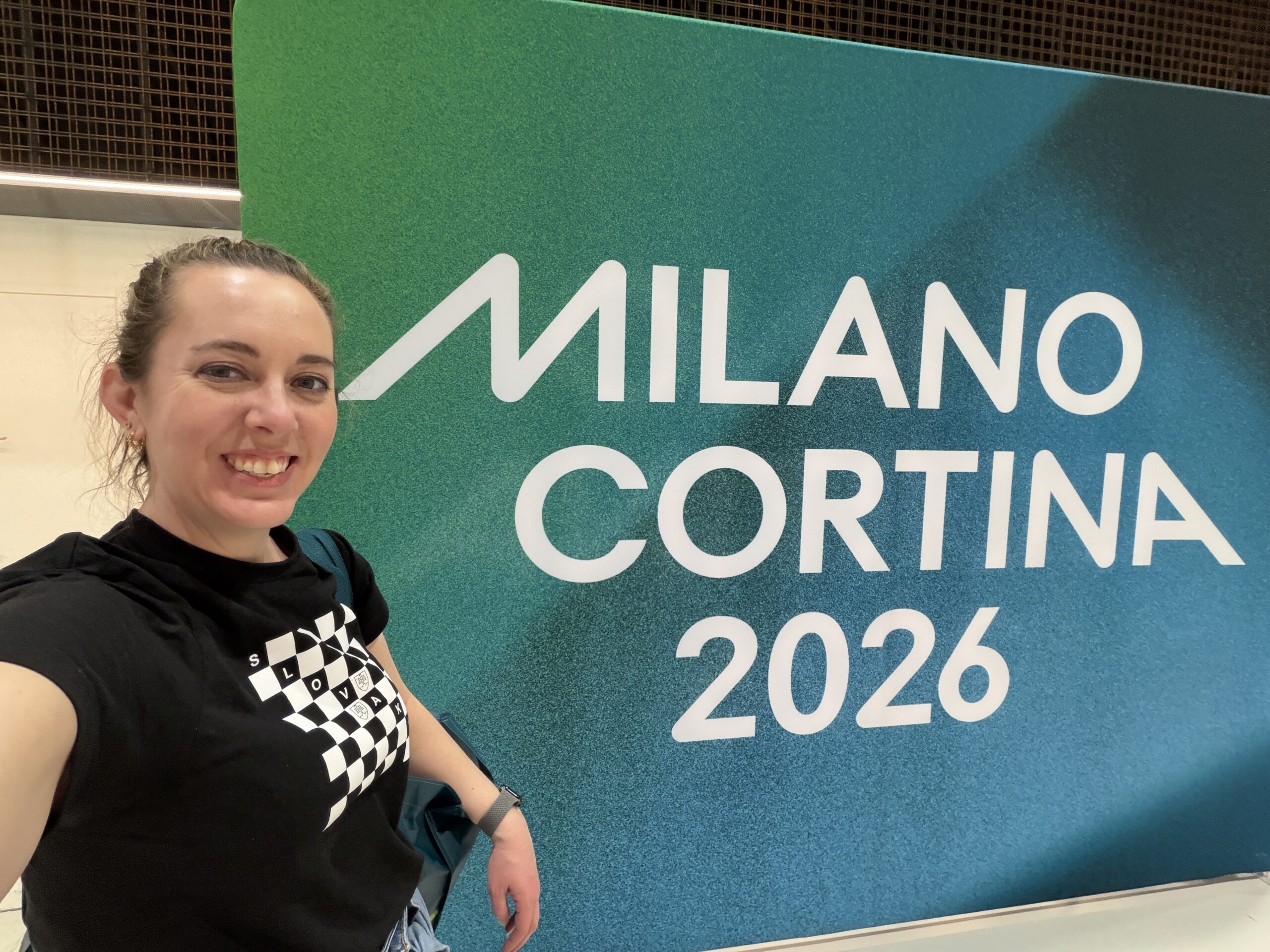
The Olympic volunteer application process mirrors corporate recruitment standards, demanding meticulous attention to detail and a compelling personal narrative. Prospective applicants frequently encounter a lengthy timeline that can span nearly a year from initial submission to final assignment confirmation. Unlike professional athletic qualification or elite linguistic fluency—neither of which is mandatory for general deployment—candidates must demonstrate a deep, authentic connection to the Olympic movement. Organizing committees evaluate applicants based on their motivation, interpersonal adaptability, and capacity to represent the host nation with diplomacy. Successful candidates often anchor their application essays in personal milestones, drawing parallels between formative life experiences, such as community coaching or athletic inspiration, and their desire to contribute to the Olympic legacy.
Following the initial resume screening, qualified candidates advance to structured interview phases, typically conducted via video conference platforms months after the portal closes. For the Milan games, these interviews frequently utilized group formats, pairing multiple applicants with a single organizational assessor to evaluate teamwork, communication skills, and situational problem-solving. A distinctive feature of the Olympic staffing model is the designation of "reserve volunteers." These individuals serve as an institutional bench, functioning as standby resources to backfill attrition from the primary cohort. Because selected candidates occasionally withdraw due to scheduling conflicts or unforeseen financial barriers, organizers frequently activate reserve volunteers anywhere from two months to a mere two weeks before the opening ceremony, necessitating a high degree of logistical flexibility for solo travelers who may need to alter their itineraries at a moment’s notice.

Once officially deployed, a volunteer’s day-to-day reality balances moments of high-energy engagement with routine logistical support. Across an eight-city footprint like northern Italy, operational roles span diverse functional areas, including athlete transportation management, media operations, guest services, and security coordination. Volunteers assigned to the Athletes’ Village in Milan, for instance, operated under guest services mandates that rotated personnel between fitness center oversight, credential verification, and general information desks. Contractual requirements typically stipulate a minimum commitment—such as nine shifts spanning roughly seven hours each—though participants maintain the autonomy to swap or reschedule shifts to balance their duties with independent tourism. While certain roles involve
extended periods of standing and passive availability, administrative posts offer structured tasks that closely mirror standard event-management employment.
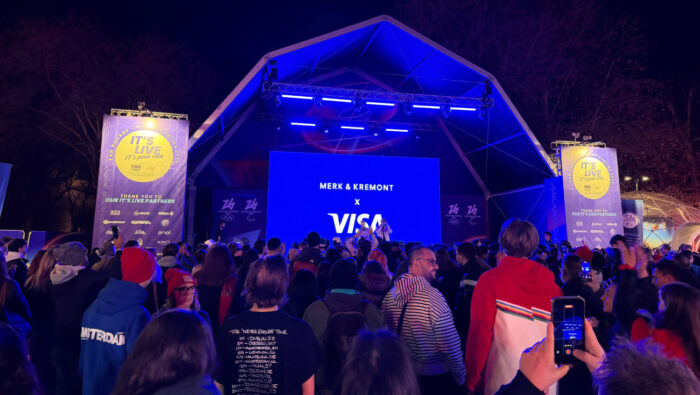
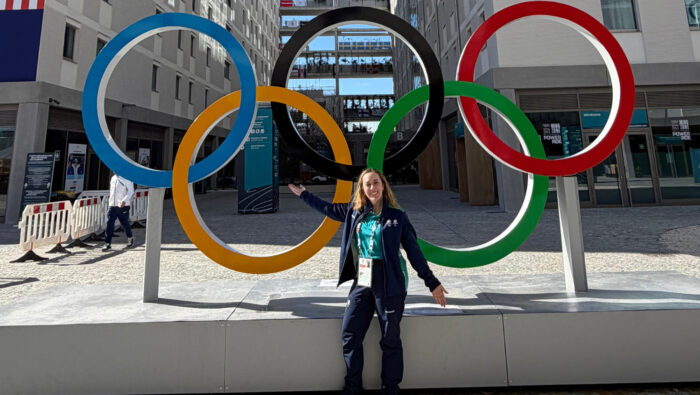
The compensation structure for Olympic volunteers is explicitly non-monetary, centered primarily on experiential capital, official apparel, and localized transit access. Organizing committees provide comprehensive uniform packages, which for winter editions include heavy-duty outerwear, technical layers, thermal footwear, and specialized accessories. These garments frequently become collector’s items, with surplus items occasionally traded or resold on secondary markets to defray travel expenses. Additional perquisites generally include daily meal vouchers redeemable at official venues, commemorative keepsakes such as limited-edition timepieces and collectible pins, and a regional public transportation pass valid for the duration of the games. However, volunteers remain entirely responsible for their own international airfare, long-distance transit, and lodging.
For solo travelers, undertaking an Olympic assignment presents distinct logistical challenges, chief among them being the financial burden of solo accommodation. Unlike travelers who share hotel rooms or rental properties with companions, solo participants absorb 100% of lodging costs—a factor likely to be amplified during the upcoming LA28 cycle given Los Angeles’s high cost-of-living index. To mitigate these expenses, experienced international volunteers often leverage peer networks, specialized social media housing groups formed by fellow participants, or alternative arrangements such as international housesitting platforms. Despite these financial hurdles, solo deployment offers robust community integration benefits; participants quickly transition from independent travelers to members of cohesive, multicultural shift teams numbering in the dozens, effectively neutralizing isolation.
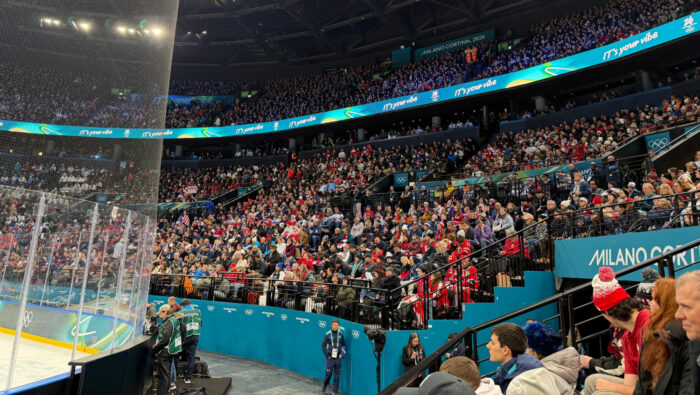
From a broader economic and sociological perspective, the reliance on volunteer labor remains a cornerstone of the modern Olympic delivery model. International sports economists note that mega-events of this scale depend on tens of thousands of auxiliary personnel to maintain operational efficiency and contain the escalating budgets associated with hosting global competitions. Critics occasionally scrutinize the unpaid nature of these roles, particularly given the multi-billion-dollar broadcast and sponsorship revenues generated by the International Olympic Committee (IOC) and host organizing committees. Conversely, proponents argue that the program fosters invaluable international goodwill, transfers transferable event-management skills to a global workforce, and provides local populations and international superfans with direct access to the Olympic movement.
Public and institutional responses to volunteer deployment consistently emphasize the cultural reciprocity inherent in the games. Host city residents frequently express gratitude to international volunteers whose presence alleviates urban congestion and facilitates multilingual communication at transit hubs and competition venues. These localized interactions reinforce the intangible social dividends that justify municipal and national investments in the Olympic infrastructure. Furthermore, as sustainability and fiscal responsibility become paramount directives for future hosts like France 2030, organizing committees are under increasing pressure to streamline volunteer onboarding, improve internal communications, and enhance logistical support to retain talent throughout the multi-week competition window.
With applications for the LA28 organizing committee currently active, prospective candidates are urged to complete their submissions expeditiously. Experts advise potential applicants to weigh the financial commitments of long-term independent travel against the unmatched historical value of participating directly in a home-country or international Olympiad. Solo travelers embarking on this path are equally reminded to secure comprehensive travel insurance tailored to extended international deployments, ensuring adequate protection against medical emergencies, transit disruptions, and last-minute itinerary adjustments. Ultimately, while volunteering at the Olympics demands patience, financial investment, and operational resilience, the enduring professional network, cultural immersion, and rare institutional access ensure it remains one of the premier undertakings available to the modern global citizen.