Mount Triglav, Slovenia: the summit I skipped and the three hours that taught me more.

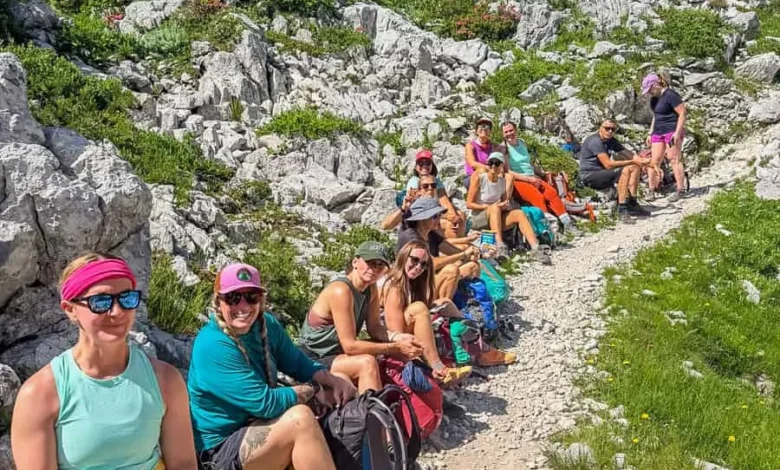
Mount Triglav, standing at 2,864 meters (9,396 feet) in the heart of Slovenia’s Julian Alps, represents more than a geographic high point; it is a profound cultural symbol deeply embedded in the national identity. Featured prominently on the national flag, the limestone peak carries a traditional adage asserting that a true Slovenian must scale its summit at least once in a lifetime. Consequently, the mountain attracts between 50,000 and 70,000 mountaineers annually, serving as both a celebrated rite of passage and a rigorous test of alpine endurance. For a group of fifteen women participating in a ten-day guided expedition across Slovenia via Your Limitless Adventures, the ascent of Triglav was scheduled as the definitive physical challenge of the itinerary. However, the expedition ultimately yielded lessons that extended far beyond the pursuit of the summit itself.

The journey began well before dawn near Lake Bled, with participants embarking on a demanding twelve-hour trek without the benefit of morning coffee. Led by experienced local guides Clemens and Urie, the group set out along the Krma Valley route, known locally as the Krma Triglav trail. This pathway spans approximately 7.3 kilometers (4.5 miles) and features a formidable vertical ascent of 1,550 meters. While the initial stages of the trek wound through serene alpine forests and meadows, the terrain rapidly transformed into exposed rock, steep inclines, and challenging via ferrata sections.

As the physical demands of the trail intensified, the expedition encountered a series of critical decision points that highlighted the realities of high-altitude mountaineering. Approximately one hour into the hike, guides assessed the readiness of the participants. Recognizing the severe physical requirements of the upper mountain, several members made the conscious choice to turn back, descending to the valley via taxi to enjoy a restorative afternoon in a local hotel pool. This early triage proved indicative of the logistical and physical hurdles that would define the climb.

Chronology of the Ascent and Tactical Adjustments
The itinerary required significant schedule adjustments due to incoming weather forecasts. Because meteorological predictions indicated severe afternoon storms, guides Clemens and Urie elected to move the summit attempt to the same day as the initial approach, mitigating the risk of lightning exposure on exposed rock faces. This scheduling compression heightened the physical strain on the remaining climbers, many of whom carried heavy, unadjusted packs and faced unexpected physiological hurdles, including sudden heart palpitations and exhaustion.

As the group approached the upper elevations, the terrain transitioned into a rigorous alpine landscape devoid of tree cover. It was at this juncture that one of the expedition members, facing acute physical fatigue and cardiac irregularities, made the definitive decision to forgo the final via ferrata climb to the true summit. Arriving at the Kredarica Hut (Triglavski dom), situated at approximately 2,515 meters, she opted to rest rather than push further.

Simultaneously, a secondary group embarked on an unplanned, three-hour detour toward the designated sleeping quarters at Dom Valentina Staniša pod Triglavom, located at 2,332 meters. This alternate route—colloquially termed a challenging obstacle course of steep rock, exposed iron cables without continuous clipping lines, and slick snow patches—demanded absolute concentration and mutual assistance. During this traverse, the collective nature of the group dynamic became vital. Experienced climbers assisted fatigued peers by carrying excess gear, while guides managed safety interventions across hazardous terrain.

Safety Protocols and Medical Incidents at Altitude
High-altitude environments inherently carry risks of injury and medical emergencies. During the secondary traverse, a participant experienced a severe slip resulting in an open laceration below the elbow. Immediate first aid was administered on-site by guide Clemens and expedition members. Following strict safety protocols for alpine environments—where open wounds present heightened risks of severe infection—the guides determined that a helicopter evacuation was necessary.

The injured participant was airlifted from the sleeping hut to a regional hospital, where she received stitches and treatment for minor trauma. Ground logistics were promptly managed by accompanying personnel, ensuring that support systems remained intact for the entire group. While the decision to utilize emergency air transport was scrutinized from a procedural standpoint, it underscored the rigorous safety standards maintained by professional guides operating within Triglav National Park.

Broader Impact and Implications of Guided Alpine Expeditions
The expedition to Mount Triglav offered broader insights into the mechanics of group adventure travel, leadership responsibilities, and personal boundaries. For participants, the experience challenged conventional definitions of success. In contemporary adventure tourism, the summit is frequently marketed as the sole metric of achievement. However, the events on Triglav demonstrated that knowing when to halt an ascent can provide psychological and emotional insights that outweigh the physical conquest of a peak.

From an economic and tourism perspective, the popularity of Mount Triglav underscores the growing demand for structured, guided outdoor experiences in Central Europe. The Slovenian alpine region relies heavily on the maintenance of infrastructure such as the Kredarica Hut and Dom Valentina Staniša, which provide essential shelter, sustenance, and logistical support for tens of thousands of visitors each season. Operating within this ecosystem requires a delicate balance between encouraging tourism and enforcing safety measures, particularly as climate variability increases the frequency of sudden weather shifts in the Julian Alps.

Ultimately, the expedition concluded without major incident, leaving the participants with a nuanced appreciation for alpine environments and the resilience forged through shared adversity. The experience reinforced the value of professional mountain guides, the necessity of adaptive itineraries in volatile weather conditions, and the profound camaraderie that develops when travelers navigate physical and mental limits together.
Related posts: