The Range Rover GT Unveiled as the Brand’s First All-Electric Coupe, Signaling a New Era of Electrified Luxury

The automotive landscape continues its rapid transformation towards electrification, with luxury manufacturers increasingly embracing battery-powered powertrains. Following closely on the heels of significant electric reveals from marquees like Ferrari with its Purosangue-adjacent Luce and Rolls-Royce with the Spectre Series II, Range Rover has officially pulled the wraps off its highly anticipated GT, marking a pivotal moment as the brand’s first all-electric coupe. This groundbreaking model, built on British soil, represents the fifth distinct model to join the storied Range Rover lineage, which traces its origins back to the revolutionary original launched in 1970. The GT will initially debut as a Battery-Electric Vehicle (BEV), with a Full Hybrid Electric Vehicle (HEV) variant slated to join the lineup at a later stage in its lifecycle, offering customers a spectrum of electrified choices.
A Design Philosophy of Minimalist Sanctuary
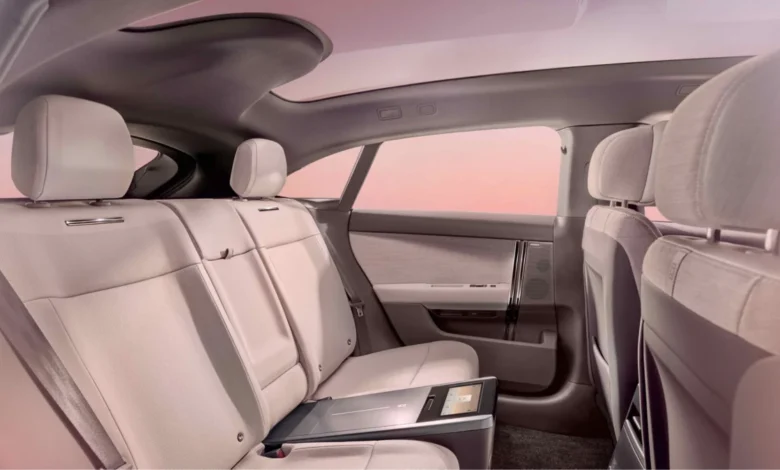
The interior design of the Range Rover GT appears to champion a minimalist aesthetic, aiming to create what the brand describes as a "sanctuary of calm." A significant departure from traditional automotive interiors, the cabin features a striking single-screen interface that dominates the center console, complemented by a dedicated driver display that replaces the conventional instrument cluster. This streamlined approach aims to reduce both "visual and acoustic noise," fostering an environment of tranquility for occupants. The dashboard itself is envisioned with a woven-textured material, elegantly integrating speakers to maintain the clean lines. A concealed air vent system, stretching seamlessly across the full width of the cabin, further reinforces this commitment to a minimalist and sophisticated finish, a hallmark of Range Rover’s design ethos.

Martin Limpert, managing director at Range Rover, elaborated on the development philosophy behind the GT, stating, "We have spent the last few years working obsessively on the fundamentals of the GT formula, reinterpreted in a sophisticated, uniquely Range Rover way." He further articulated the vehicle’s positioning, describing it as the "most car-like, yet unmistakably capable, Range Rover ever created." This enhanced "car-like" feel is made possible by the brand’s advanced electrified EMA architecture, which is designed to complement the existing powertrain portfolio and cater to a diverse range of customer needs.
Strategic Positioning and Market Expectations
The introduction of the Range Rover GT is strategically placed within the brand’s existing lineup. Automotive journalist Ben Oliver suggests that the GT will likely occupy a space between the Range Rover Sport and the Velar in terms of both physical dimensions and price point. However, he emphasizes that the GT will retain the unmistakable premium feel and presence that are synonymous with the Range Rover badge, driven by its well-established design cues.
While some traditionalists may express reservations about an all-electric coupe bearing the Range Rover name, Oliver believes that the broader customer base will largely embrace the innovation. "A few purists might still complain about an electric car with a coupe-like profile being given the Range Rover badge," he noted, "but I don’t think customers will care." This sentiment is echoed by observations regarding the pricing strategy. While limited-edition Range Rovers have historically commanded prices upwards of $350,000, the GT, measuring nearly five meters in length, is expected to have a starting price of around $110,000. This positions it as a premium offering, but potentially more accessible than some ultra-luxury electric vehicles, suggesting that while pricier EVs can face sales challenges, the GT is anticipated to be a commercial success.

A Legacy of Innovation and the Electric Future
The Range Rover GT’s arrival is not an isolated event but rather part of a broader industry-wide shift. The automotive sector has witnessed a surge in electrified luxury vehicles, with established players and newcomers alike vying for market share. Ferrari’s foray into electric or electrified models, such as the Luce, has been met with varied reactions, highlighting the delicate balance between preserving brand heritage and embracing future technologies. Similarly, the success of models like the Rolls-Royce Spectre demonstrates a growing appetite for high-end electric vehicles that do not compromise on luxury or performance.
The Range Rover GT, by embracing an all-electric coupe form factor, signals a deliberate evolution for the brand, moving towards more road-optimized models while retaining its core identity. This strategic pivot aligns with the brand’s ongoing commitment to sustainability and its ambition to remain at the forefront of luxury automotive innovation. The development of the GT on the dedicated EMA (Electric Modular Architecture) platform underscores Range Rover’s long-term investment in electrification, providing a scalable foundation for future electric models.
Timeline and Future Outlook
The Range Rover GT is scheduled to officially launch in the spring of 2027. Currently, prototype vehicles are undergoing rigorous final on-road testing, identifiable by a distinctive camouflage wrap. More comprehensive details, including definitive pricing structures and specification breakdowns, are anticipated to be released by Range Rover later this year. This phased unveiling allows the brand to build anticipation and gather market feedback as the launch date approaches.

The introduction of the GT represents a significant milestone for Range Rover, demonstrating its adaptability and forward-thinking approach in an increasingly competitive and electrified automotive market. It signifies not only a new model but a new chapter for the iconic British brand, one that embraces innovation without sacrificing the luxury, capability, and refined experience that its customers have come to expect for over half a century. The success of the GT will undoubtedly be a key indicator of Range Rover’s ability to navigate the complex transition to an electric future while retaining its distinguished position in the global automotive hierarchy.
Broader Implications for the Luxury EV Segment
The entry of Range Rover into the all-electric coupe segment carries significant implications for the broader luxury electric vehicle (EV) market. As a brand renowned for its blend of off-road prowess and on-road refinement, the GT’s focus on a more "car-like" driving experience, coupled with its coupe profile, suggests a deliberate strategy to capture a segment of buyers who might traditionally have considered performance-oriented sedans or coupes but are now seeking the elevated comfort and advanced technology offered by luxury EVs.
The inclusion of a future hybrid variant also indicates a pragmatic approach to market penetration. While the BEV will spearhead the launch, the HEV option ensures that Range Rover can cater to a wider audience, including those who may still have range anxiety or limited access to charging infrastructure. This dual-powertrain strategy is a common tactic employed by manufacturers to ease the transition for a broader customer base into electrified mobility.

Furthermore, the emphasis on minimalist interior design and a "sanctuary of calm" speaks to a growing trend in the automotive industry, where cabins are increasingly viewed as personal havens. The integration of advanced technology, such as the single-screen interface and driver display, aims to provide a seamless and intuitive user experience, aligning with the expectations of discerning luxury consumers. This focus on human-centric design, combined with sustainable materials and advanced powertrain technology, positions the GT as a strong contender in the evolving luxury EV landscape. The successful reception of the GT could also encourage other traditional luxury brands to explore more daring electrified body styles, further accelerating the diversification of the premium EV market.