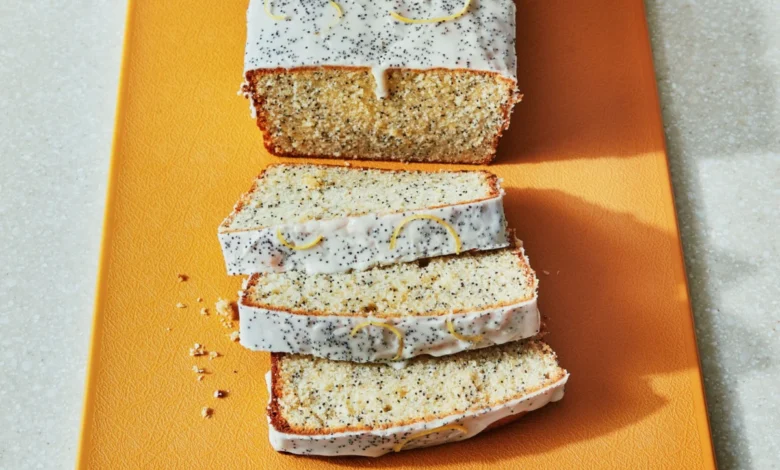
The production of a high-quality lemon poppy seed loaf cake requires a precise synthesis of culinary chemistry, temperature management, and structural engineering. As home baking continues to evolve from a domestic necessity into a rigorous technical pursuit, the methodology behind creating a stable, moist, and aesthetically consistent loaf has come under closer examination by culinary experts. This analysis details the technical requirements, the chemical interactions between ingredients, and the professional standards for baking this classic citrus-forward confection.
The Chemistry of the Emulsion
The foundation of the lemon poppy seed cake rests on the stability of its emulsion. Culinary scientists emphasize that the initial stage of creaming—the process of beating butter, sugar, lemon zest, and vegetable oil—is the most critical phase in determining the final crumb structure. When room-temperature unsalted butter (approximately 68°F to 72°F) is beaten with granulated sugar and oils, millions of microscopic air pockets are created. These pockets serve as the foundation for the leavening gases to expand during the baking process.
The addition of three large eggs, introduced sequentially, serves to emulsify the fat and liquid components. If the eggs are added too quickly or are not at the correct temperature, the mixture may break or "curdle." This curdling, while often temporary, can result in a dense or uneven cake. The incorporation of vanilla bean paste, which contains concentrated seeds and a more robust flavor profile than standard extract, acts as a bridge between the sharp acidity of the lemon and the mellow notes of the dairy.
Structural Integrity and Flour Ratios
The structural integrity of a loaf cake is largely determined by the hydration levels and the protein content of the all-purpose flour used. Standard all-purpose flour typically contains between 9% and 11% protein, which is sufficient to provide a stable crumb without the toughness associated with bread flour.
In professional kitchens, the "reverse creaming" or standard creaming methods are often evaluated for their impact on cake texture. The recipe currently utilized by many pastry professionals involves whisking 281 grams of flour with 1.5 teaspoons of baking powder and a precise amount of kosher salt—specifically Diamond Crystal, which has a larger flake size than Morton salt. This distinction is vital; using table salt or fine-grained salts can lead to over-salting due to the higher density of the granules.
The interaction between the acidic lemon juice, the whole milk, and the baking powder creates a controlled chemical reaction. As the cake enters the oven, the baking powder releases carbon dioxide, causing the cake to rise. Because loaf cakes have a higher mass-to-surface-area ratio than cupcakes or layered cakes, they require a lower temperature—typically 325°F—to ensure that the interior reaches the necessary internal temperature for protein coagulation before the exterior hardens or burns.
Chronology of the Baking Process
The preparation of a lemon poppy seed loaf follows a rigorous timeline designed to optimize both flavor extraction and structural support.
- Pre-heat and Prep (0–15 minutes): The oven must reach a stable 325°F. Using a 9×5" pan is industry standard; the use of parchment paper with a generous overhang is not merely for convenience but acts as a thermal barrier, preventing the edges of the cake from overcooking while the center rises.
- Creaming Phase (5–7 minutes): The aeration of the butter, sugar, and zest is the most time-intensive manual step. The zest of three large lemons provides essential oils (limonene) that permeate the fats, ensuring that the citrus flavor is pervasive rather than superficial.
- Incorporation Phase (5–10 minutes): The alternating addition of dry ingredients and whole milk is a classic technique used to prevent the development of excessive gluten. Over-mixing at this stage would lead to a rubbery or tough crumb.
- The "Scoring" Technique: Before baking, running a greased paring knife down the center of the batter is a vital mechanical step. As the cake rises, the internal pressure will seek the path of least resistance. Creating a pre-determined fissure ensures that the cake splits neatly along the top, rather than cracking haphazardly across the surface.
- The Thermal Test (60–65 minutes): The cake is deemed ready when a tester inserted into the center emerges with only a few moist crumbs. This indicates that the starches have gelatinized without the proteins over-drying.
Industry Standards and Best Practices
In a professional culinary report, experts note that the inclusion of poppy seeds—a staple of this recipe—is not solely for texture. Poppy seeds are oil-rich and contribute to the overall moisture profile of the cake. However, they must be added last and folded in gently to ensure they are evenly distributed throughout the batter without weighing it down.
When discussing the glaze, the emphasis shifts from structural integrity to sensory impact. The combination of 110 grams of powdered sugar with fresh lemon juice and a pinch of salt creates a supersaturated solution. When applied to the cake, this glaze undergoes a minor crystallization process, creating a thin, crisp shell that protects the cake from drying out if stored for an extended period.
Economic and Storage Implications
From a logistics perspective, the "Do Ahead" potential of this cake makes it a highly efficient choice for catering and hospitality professionals. Because the cake is high in fat and sugar—both of which are natural preservatives—it can be stored in an airtight container at room temperature for up to two days without significant degradation in quality.
Market data suggests that demand for artisanal loaf cakes has remained stable, as they provide a perceived "homemade" value proposition while maintaining a long shelf life. The total cost of ingredients for a single loaf, even when utilizing premium items such as Madagascar vanilla bean paste and organic lemons, remains low relative to the retail value, making this a high-margin product for bakeries.
Analysis of Common Failure Points
Culinary analysts have identified three primary failure points in the preparation of this specific loaf:
- Temperature Inconsistency: If the butter is too cold, it will not aerate, leading to a dense, heavy cake. If the butter is melted, the crumb structure will be oily rather than light.
- Over-mixing: The development of gluten, while desirable in bread, is detrimental to the delicate structure of a loaf cake. Once the flour is added, mixing should be restricted to the bare minimum required to incorporate the ingredients.
- Measurement Discrepancies: Utilizing volume measurements (cups) rather than mass (grams) is the most frequent cause of failure. Flour, in particular, can vary by as much as 20% depending on how it is packed into a measuring cup. The use of a digital scale to ensure 281 grams of flour is used is the most significant factor in ensuring reproducibility.
Conclusion
The lemon poppy seed loaf cake is a study in precision. By adhering to the chemical requirements of the leavening process, the mechanical necessity of the central score, and the precise timing of the baking interval, the home or professional baker can produce a product that meets industry standards for crumb, moisture, and flavor. As consumer preferences shift toward high-quality, transparently produced baked goods, the technical mastery of such recipes becomes an increasingly valuable skill set within the broader gastronomic landscape. The successful completion of this cake is not merely a reflection of following instructions, but of understanding the underlying physical changes occurring within the heat of the oven.