The Grand America Hotel: A Comprehensive Analysis of Family-Oriented Luxury Hospitality in Salt Lake City


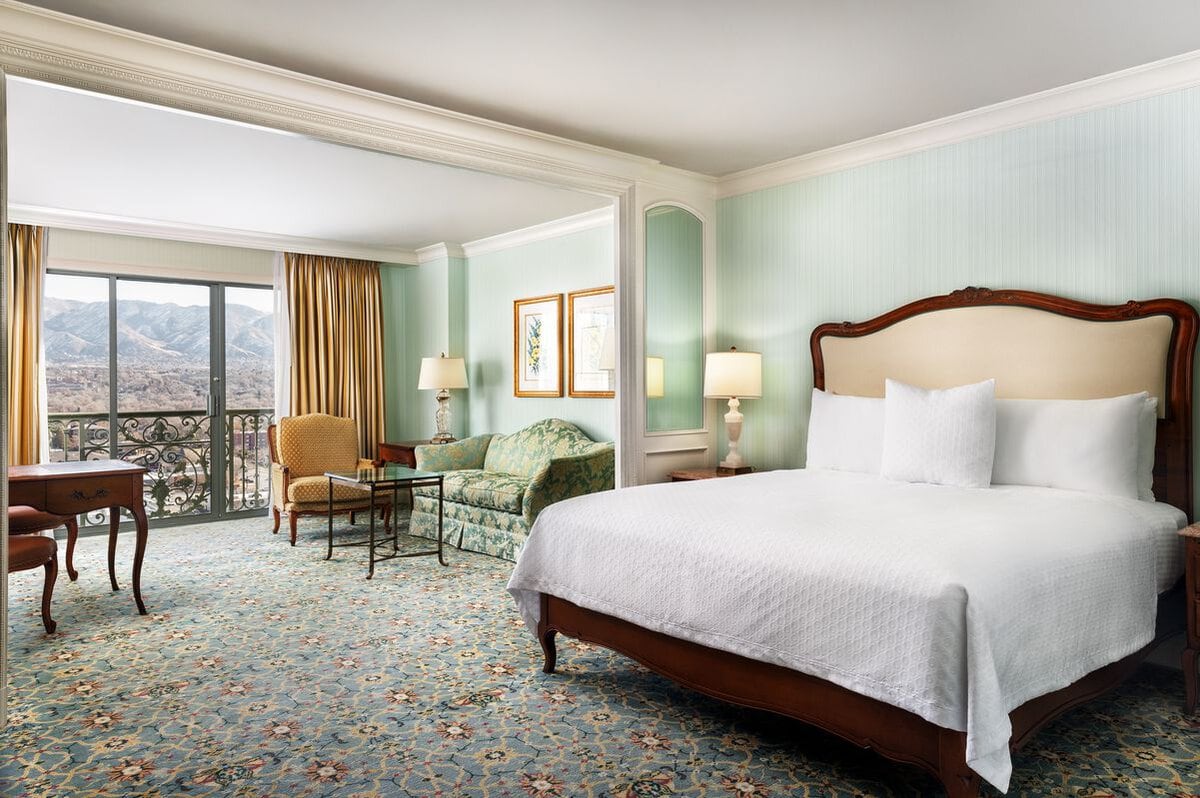
The Grand America Hotel stands as a cornerstone of the hospitality landscape in Salt Lake City, Utah, representing a synthesis of European-inspired architectural grandeur and modern family-centric service models. Established in 2001 to coincide with the city’s preparations for the 2002 Winter Olympic Games, the property was designed to provide a world-class lodging experience capable of accommodating high-profile international guests. Spanning ten acres, the hotel features 775 rooms, including 395 suites, and has solidified its reputation as an urban destination that transcends its primary demographic of business and luxury travelers to become a recognized hub for family tourism.
Historical Context and Architectural Significance
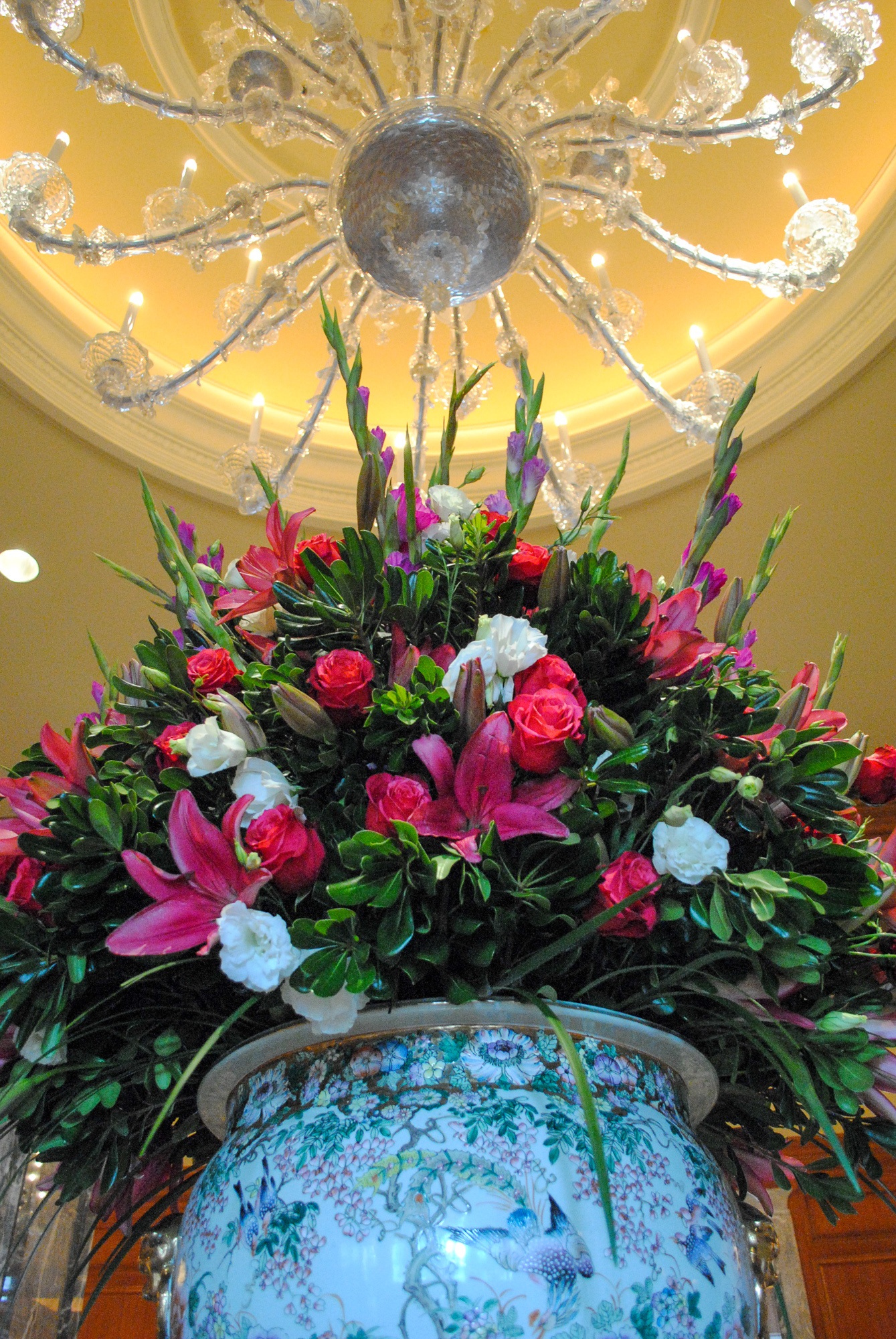
The construction of The Grand America was an ambitious undertaking led by Earl Holding, who sought to fill a void in Salt Lake City’s luxury accommodations. The hotel’s architecture—characterized by its ornate copper roof, Italian marble, and hand-woven rugs—was intended to evoke the splendor of classic European hotels while integrating the expansive space afforded by the American West.
The property serves as a vital component of the downtown Salt Lake City economy. Since its opening, it has consistently served as a flagship venue for major regional conferences and events. Its strategic location near the city’s primary cultural corridors, such as the Salt Palace Convention Center and the City Creek retail district, allows it to function as a base for visitors seeking a balance between urban accessibility and high-end respite.
Analyzing the Family-Oriented Service Model
While the hotel’s aesthetic is traditionally associated with formal, adult-oriented environments, the management has strategically pivoted to capture the family travel market. This operational shift is backed by a suite of amenities specifically curated to mitigate the friction often associated with traveling with children.
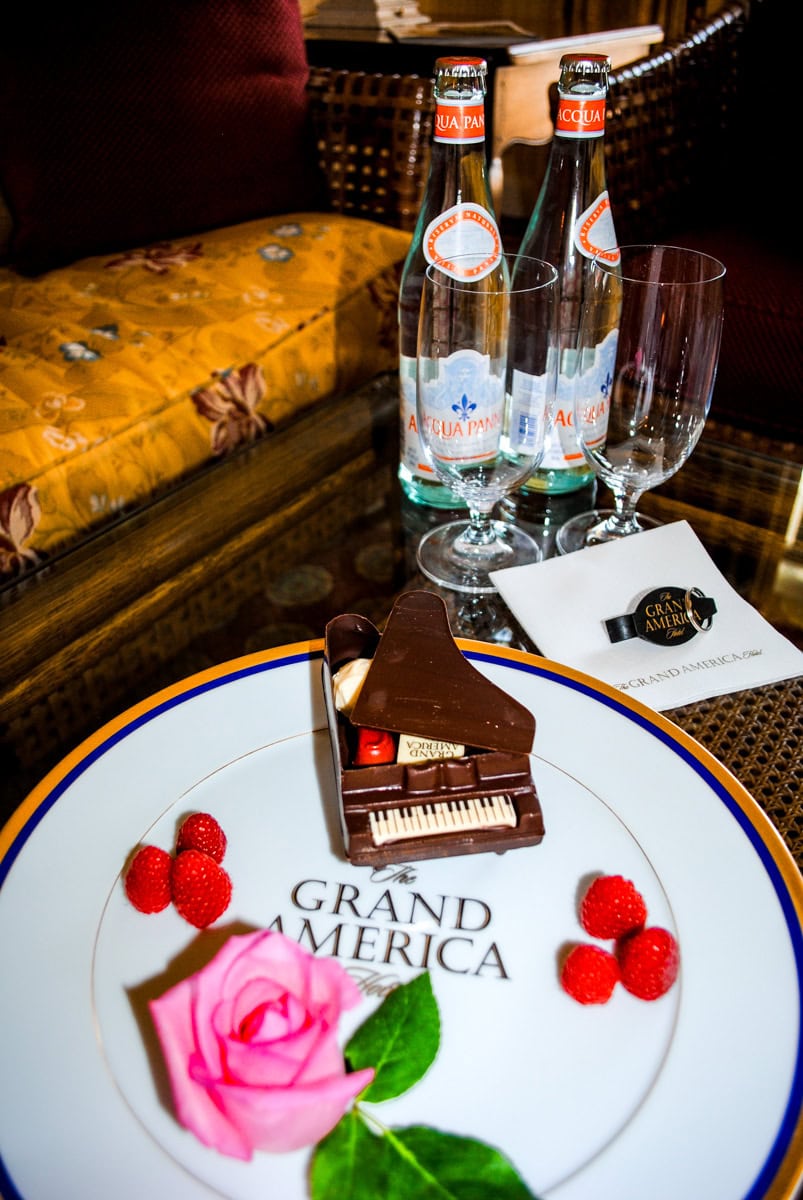
Data from the hospitality industry suggests that family travel—defined as trips involving children under 18—has seen a consistent upward trend in post-pandemic market recovery. The Grand America aligns with this shift through its "VIP" children’s programming. By offering specialized in-room amenities, such as child-sized bathrobes and age-appropriate welcome gifts, the hotel attempts to reduce the logistical burden on parents.
Infrastructure for Leisure and Recreation
The property’s dual-pool system represents a significant infrastructure investment designed to maintain occupancy throughout the seasonal fluctuations inherent to the Utah climate.
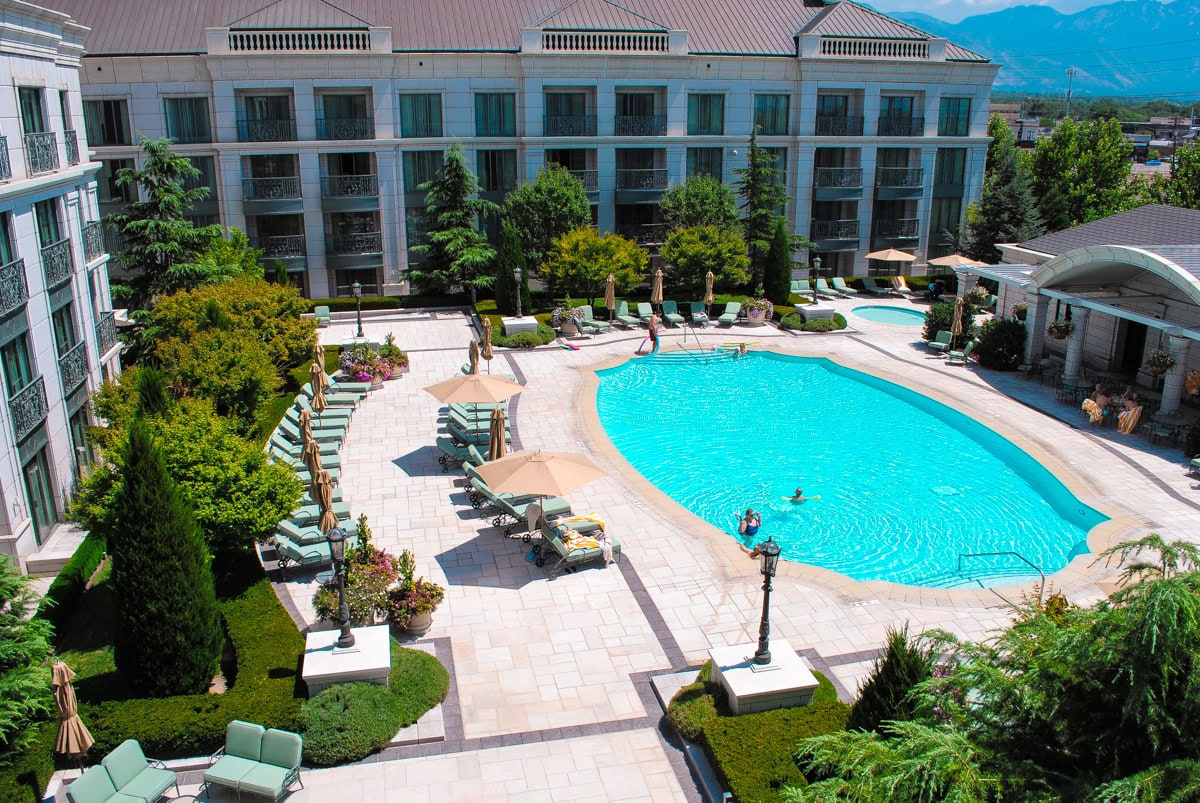
- The Outdoor Courtyard Pool: This facility is designed to reflect a classical European garden aesthetic. It acts as the centerpiece of the hotel’s summer programming, providing a controlled environment for family recreation.
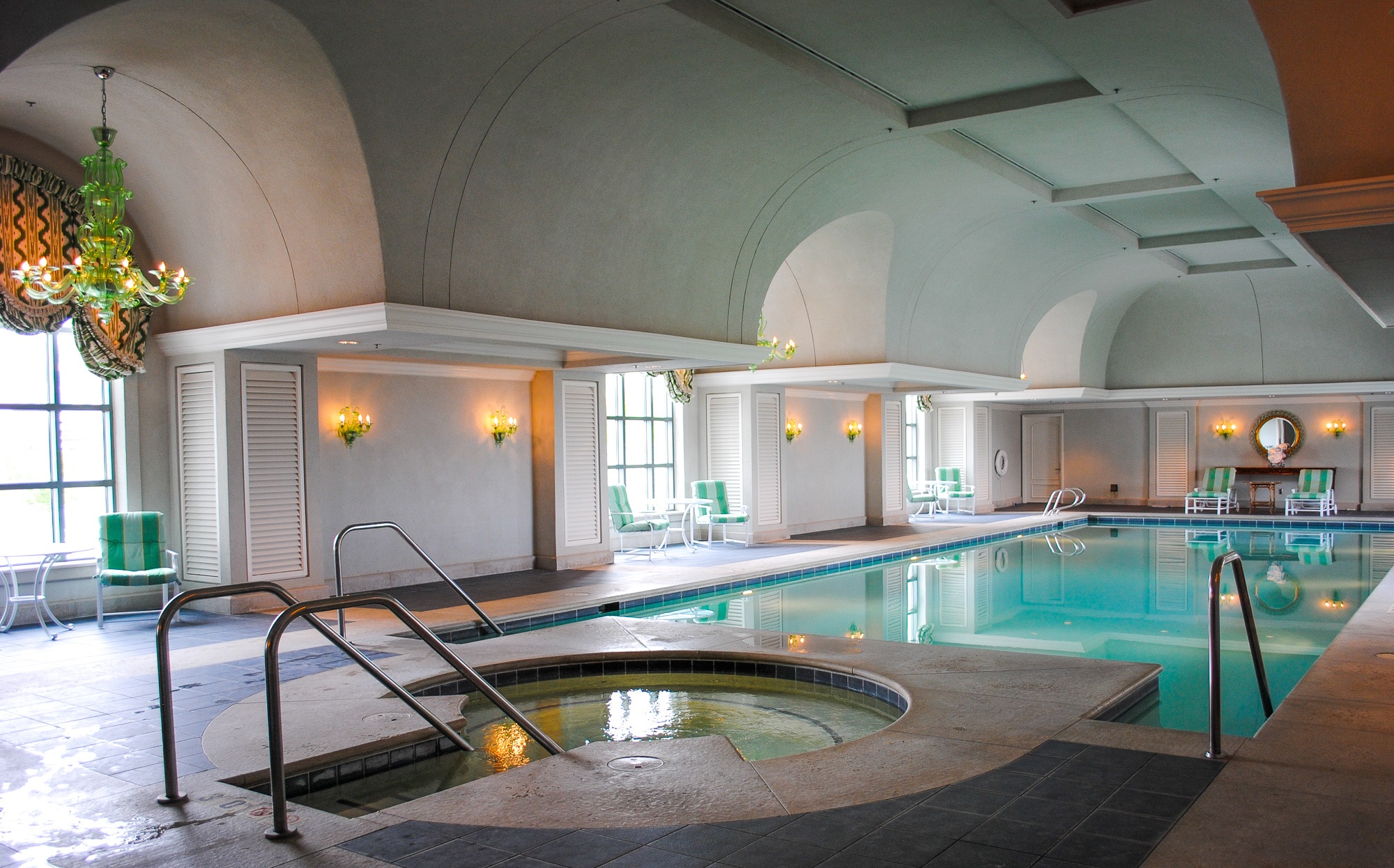
- The Indoor Pool: Situated within the fourth-floor spa and fitness complex, this facility serves as an essential year-round amenity. The inclusion of Chihuly glass installations serves a dual purpose: it acts as a high-end design element while creating an engaging visual environment for younger guests.
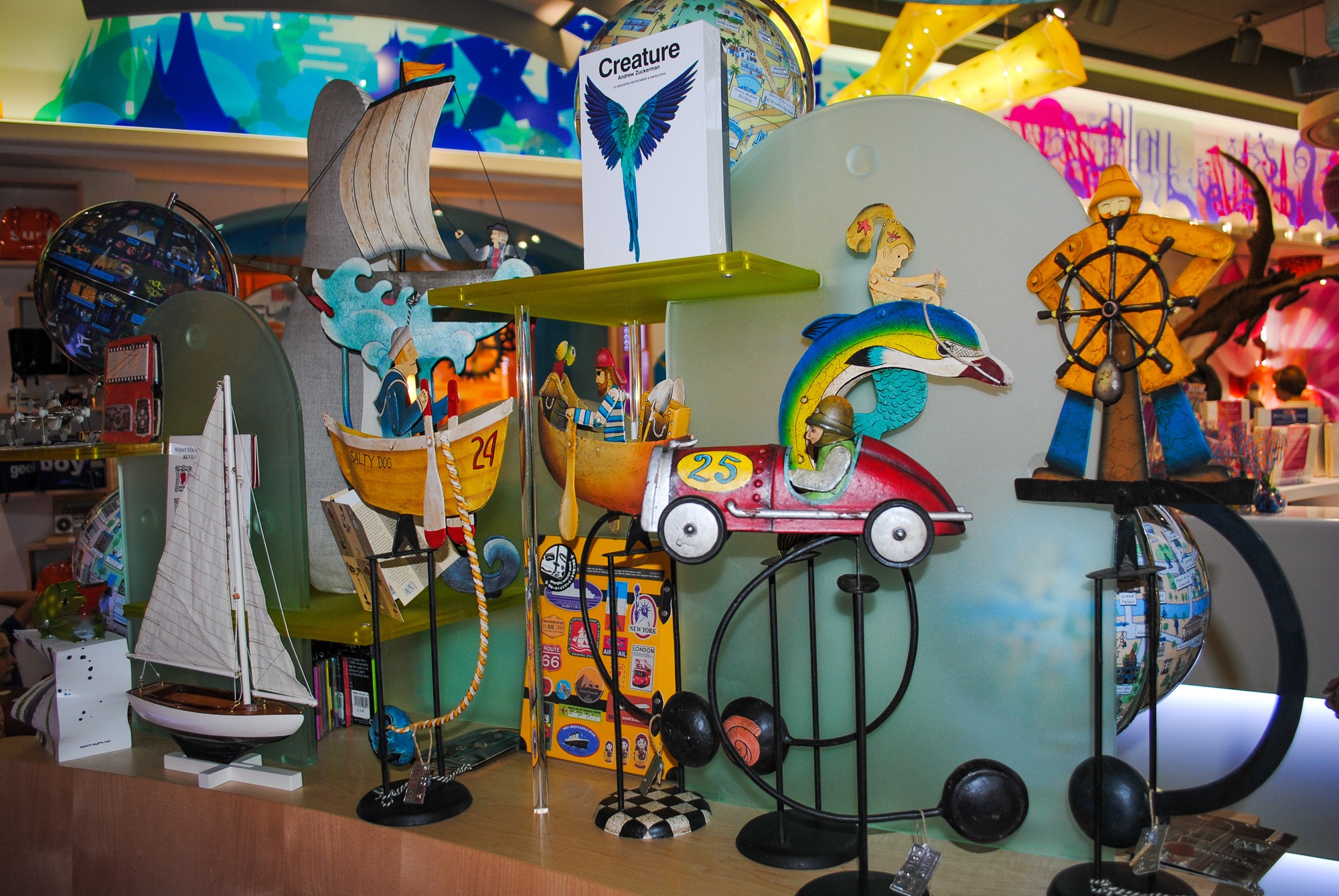
Beyond aquatic facilities, the inclusion of the JouJou Toy Store on-site indicates a focus on "experience-based" retail. Unlike standard hotel gift shops, JouJou is designed as an interactive environment featuring automated displays and an expansive selection of toys, which serves to keep the property relevant to younger guests and reduces the need for families to leave the premises for entertainment.
Culinary Integration and Gastronomic Standards
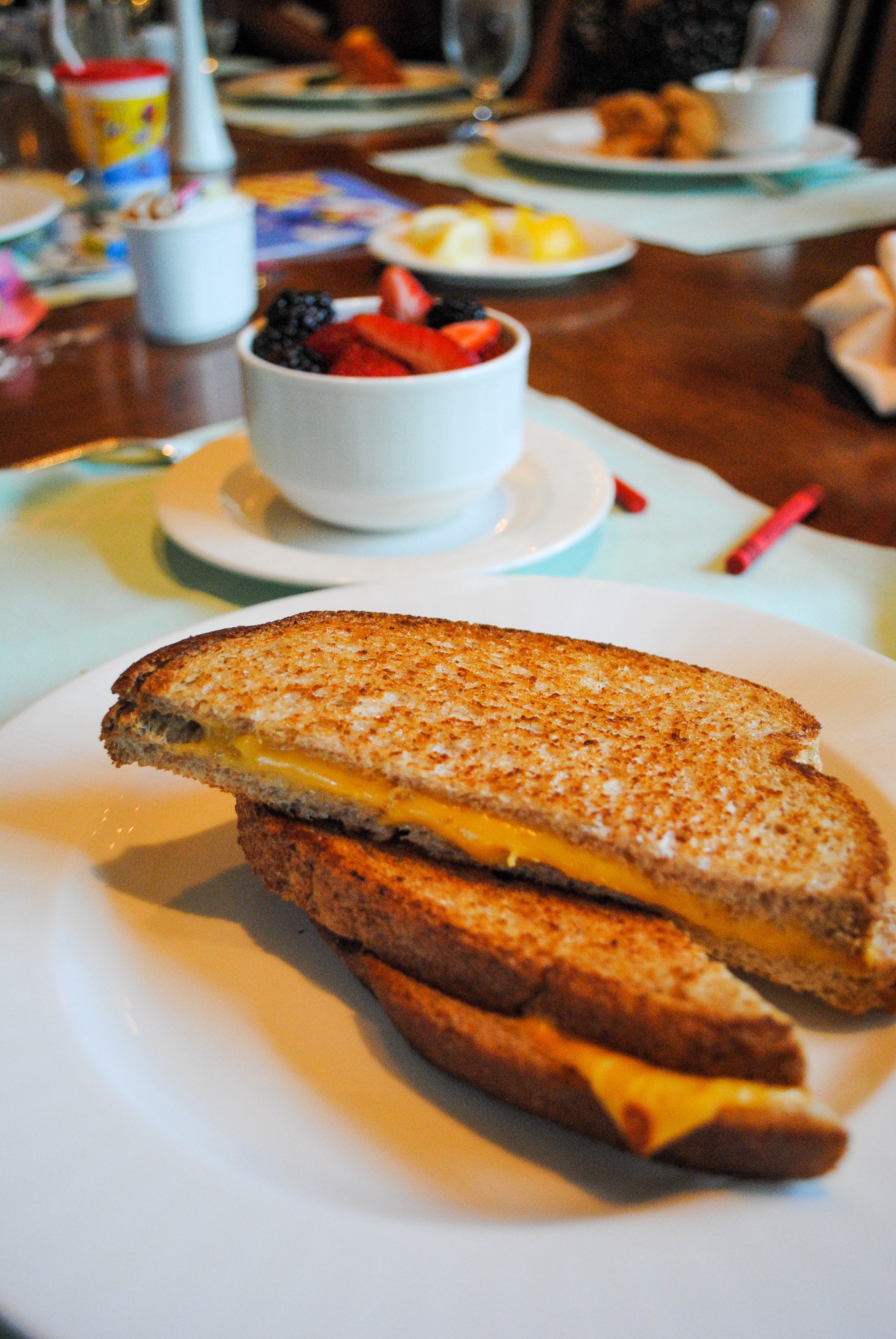
The hotel’s dining strategy is centered on the Laurel Brasserie & Bar, which serves as the primary culinary venue. The operational approach here is to integrate "family-friendly" dining without compromising the standard of culinary output.
The Sunday Brunch, a hallmark of the hotel’s dining operations, functions as a high-volume service model that incorporates interactive cooking stations. Analysis of the hotel’s menu offerings reveals a commitment to local sourcing, with many ingredients procured from Utah-based providers. This aligns with a broader trend in luxury hospitality where high-end guests prioritize sustainability and local provenance alongside traditional service standards.
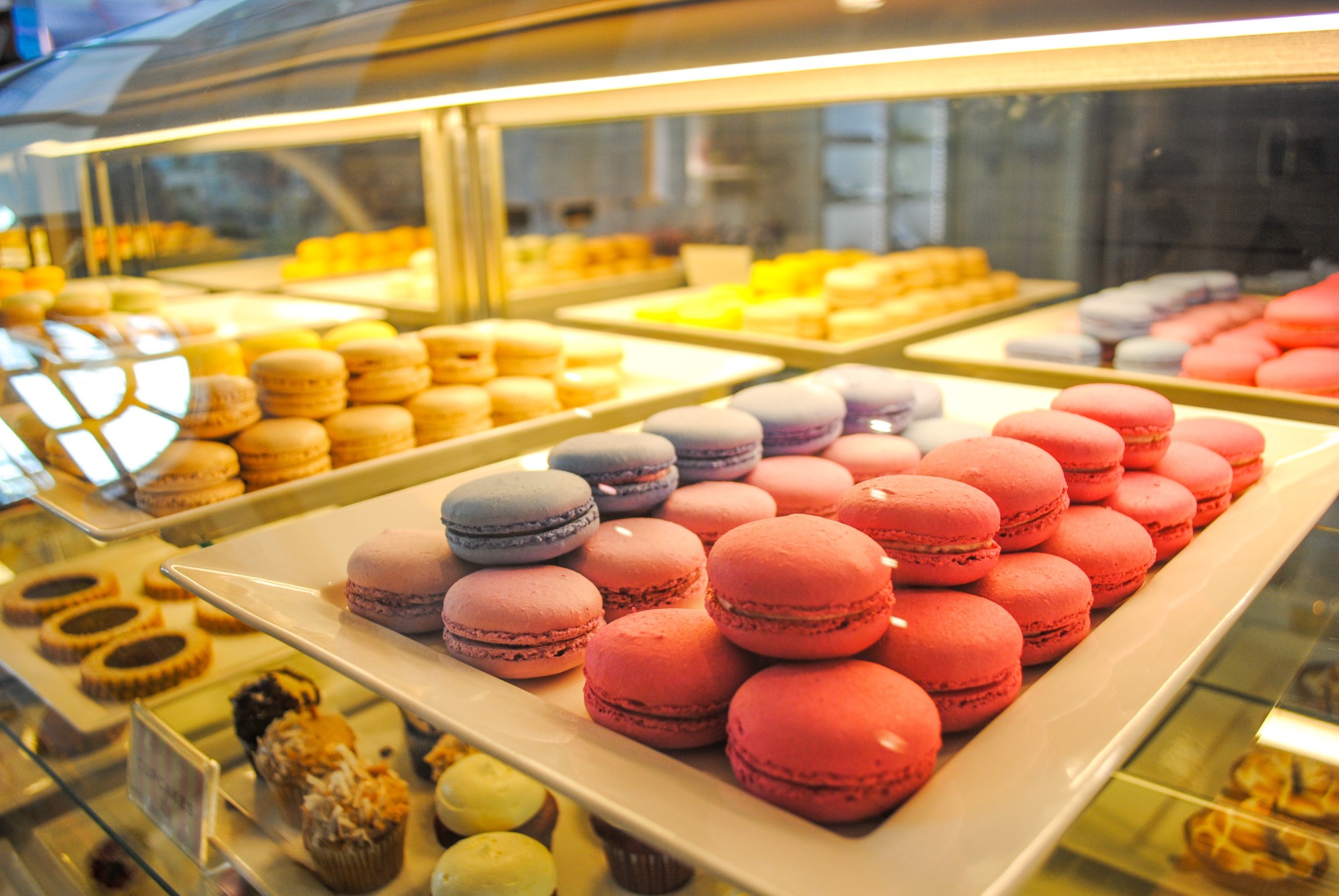
The inclusion of Bonne Vie, a dedicated patisserie, provides a controlled environment for luxury-tier confectionery. The facility’s ability to produce high-end French macarons, gelato, and artisanal tarts on-site demonstrates a vertical integration of dining services that enhances the guest experience.
Operational Logistics and Parental Accommodations
A key factor in the hotel’s standing as a family-friendly establishment is its provision of essential child-rearing hardware. The ability to request cribs, high chairs, and bottle warmers allows the hotel to serve a demographic that requires significant logistical support.
From an operational standpoint, the hotel’s concierge team acts as a central hub for coordinating local family excursions. By providing curated information on nearby attractions such as the Natural History Museum of Utah, Discovery Gateway Children’s Museum, and Red Butte Garden, the hotel facilitates an extended stay experience. This partnership with local cultural institutions underscores the hotel’s role as a nexus for regional tourism.
Economic and Strategic Implications
The Grand America’s pricing structure, while positioned in the luxury segment, is often cited by industry analysts as offering high value when compared to similarly ranked properties in major metropolitan hubs like New York or San Francisco. By maintaining a balance between high-end architectural finish and accessible family programming, the hotel achieves a dual-market penetration that is difficult to replicate.
The hotel’s policy regarding pets and specialized services, such as the coordination of third-party childcare, further broadens its appeal. While the hotel does not provide on-site childcare, its referral network for vetted local providers mitigates the liability and safety concerns typically associated with travel-based childcare.
Future Outlook and Industry Impact
As Salt Lake City continues to grow as a major hub for technology and tourism, the role of properties like The Grand America is expected to evolve. The hotel’s continued focus on maintenance—evidenced by the consistent upkeep of its extensive marble and copper features—suggests a long-term commitment to its status as a landmark.
Furthermore, the integration of technology in the guest experience, such as seamless room service delivery and digital concierge services, reflects broader industry shifts toward "contactless" luxury. For families, this means a more efficient process for securing the necessities of travel, from extra linens to late-night snacks.
In conclusion, The Grand America Hotel provides a case study in how a traditionally formal luxury property can adapt its operational model to successfully cater to family demographics. By investing in physical infrastructure, maintaining a high standard of culinary output, and fostering partnerships with local attractions, the hotel has secured a sustainable competitive advantage in the Utah hospitality market. Its ability to serve as both a high-end business venue and a comfortable, welcoming space for children remains its most significant operational success.