Tuscaloosa, Alabama, a city rich in history and vibrant with culture, offers a compelling destination for travelers seeking a blend of natural beauty, significant historical landmarks, and a thriving culinary scene. While its proximity to major Southern hubs like Atlanta, Nashville, and New Orleans makes it an accessible getaway, Tuscaloosa’s own charm and array of attractions ensure a fulfilling two- to three-day visit. From the serene landscapes of Lake Lurleen State Park to the poignant narratives of the Civil Rights Trail and the electrifying atmosphere of Bryant-Denny Stadium, the city presents a diverse tapestry of experiences.
Embracing the Outdoors: Lake Lurleen State Park
Just a twenty-minute drive from downtown Tuscaloosa, Lake Lurleen State Park provides a refreshing escape into nature. This expansive 1,625-acre park, recently enhanced by a multimillion-dollar renovation, boasts significant upgrades to its infrastructure, including improved roads, updated utilities, modern facilities, and enhanced broadband and Wi-Fi connectivity, alongside crucial ADA-compliant accessibility features. The park’s centerpiece, the 250-acre Lake Lurleen, serves as a hub for a wide range of recreational activities.
Visitors can enjoy swimming and fishing (a license is required) in the lake, or partake in picnicking at various scenic spots, including the designated beach area. For those seeking to explore the water, kayaks and paddleboards are available for rent at a small store near the park entrance, which also stocks essential supplies, snacks, and souvenirs. The park’s Nature Center offers an educational experience, featuring exhibits that delve into the local wildlife and ecosystems, and provides opportunities for engagement through guided hikes, hands-on programs, and the popular Junior Park Ranger initiative, fostering an appreciation for conservation in younger visitors.
Accommodation options at Lake Lurleen cater to a variety of preferences. The park features 67 campsites, ranging from traditional tent sites to RV-friendly locations. A notable addition is the introduction of safari-style glamping tents, offering a more luxurious outdoor experience. These fully furnished tents include amenities such as beds, coffee makers, mini-fridges, and are equipped with electricity and air conditioning, complemented by private decks. While internal bathroom facilities are not available, a nearby bathhouse provides private restrooms and showers. Detailed information regarding campground pricing, availability, and reservations can be accessed through the park’s official website. For glamping inquiries and bookings, prospective guests can visit Timberline Glamping directly.
The park’s extensive trail system, spanning over 23 miles, offers diverse terrain, transitioning from dense forests to wetlands and more open areas. These trails are particularly appealing to hikers and mountain bikers, providing some of the longest continuous riding distances in the region. The park’s location is geographically significant, situated in Tuscaloosa County, Alabama’s second-largest county, where the Appalachian Mountains meet the Gulf Coastal Plain.
Entrance fees for Lake Lurleen State Park are set at $5 for adults, $2 for children aged 4 to 11, and $2 for seniors. Admission is complimentary for children aged 3 and under, as well as for veterans and active-duty and retired military personnel. Annual passes are also available for frequent visitors.
Tip: For those visiting in the fall, planning a trip around "Camp Fear," an annual Halloween-themed event, is highly recommended. This popular event has grown significantly over the years, featuring festive hayrides, elaborately decorated campsites, and traditional trick-or-treating.
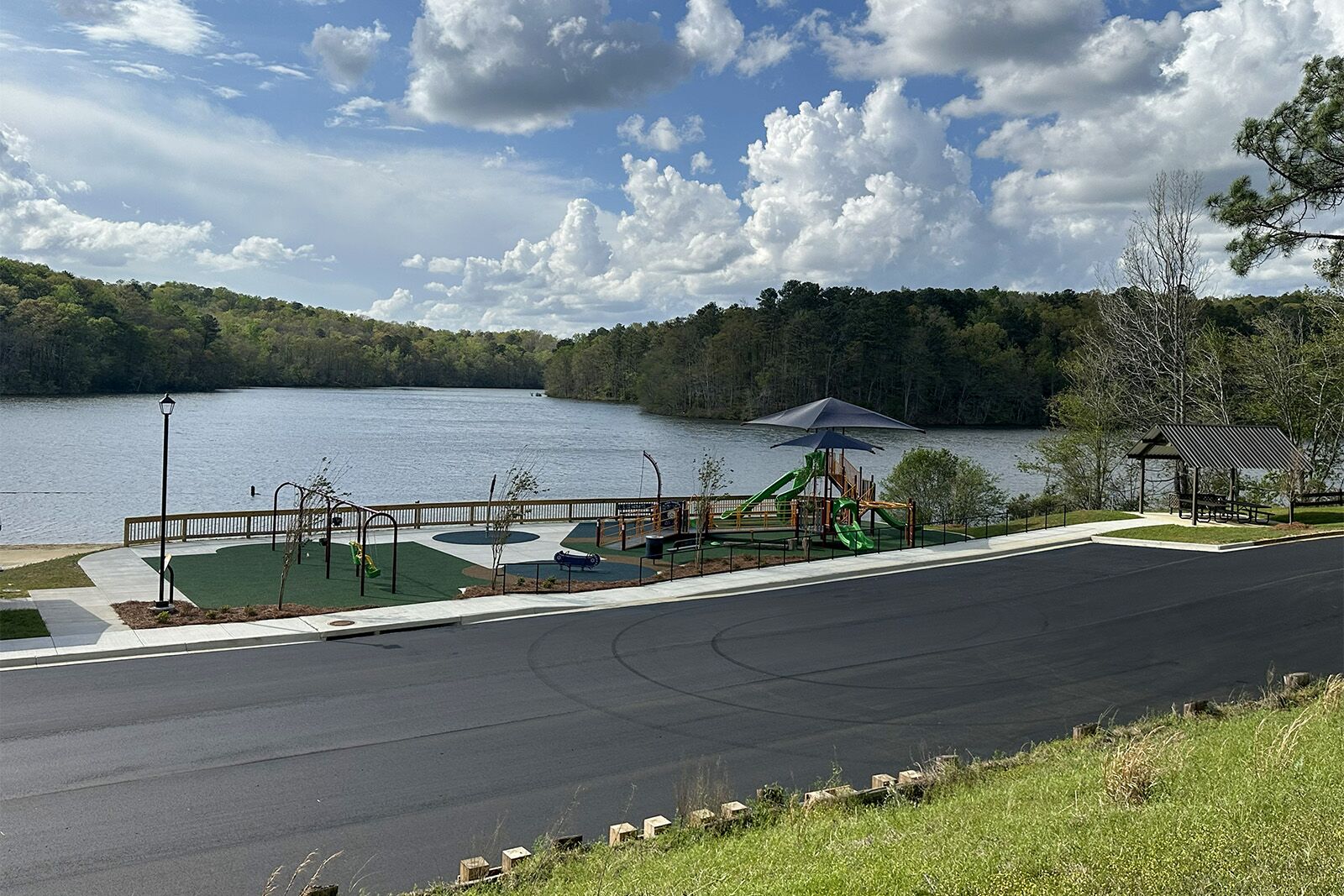
Lake Lurleen State Park: 13226 Lake Lurleen Road, Coker, AL 35452
A Walk Through History: The Tuscaloosa Civil Rights Trail
The Tuscaloosa Civil Rights Trail offers a profound journey through a pivotal era in American history, accessible via a self-guided walking tour through the downtown area. The trail’s starting point is the First African Baptist Church, a historic sanctuary that served not only as a place of worship but also as a crucial gathering point for Civil Rights leaders and activists. Among them was Rev. T.Y. Rogers, Jr., a protégé of Dr. Martin Luther King Jr. The church played a central role in one of the city’s most significant Civil Rights events, "Bloody Tuesday," which occurred in June 1964. On this day, approximately 600 Black protestors, who had convened at the church to march against segregated facilities at the Tuscaloosa County Courthouse, were met with violent opposition from police and mobs.
From the church, the trail leads to Linton Barbershop Plaza, the site of the former Howard-Linton Barbershop. This location is currently undergoing development to feature a central timeline, interpretive story panels, and a mural wall, aiming to further illuminate the area’s historical significance. A detour to Capitol Park is also recommended, where Alabama’s former state capitol building once stood. Nearby, the Old Tuscaloosa City Jail stands as a stark reminder of past injustices, marked by a historical marker on its exterior.
Tip: To fully explore all 18 stops along the trail, visitors are encouraged to download the digital passport available on the Visit Tuscaloosa website. This digital guide provides convenient access to information and navigation directly from a smartphone.
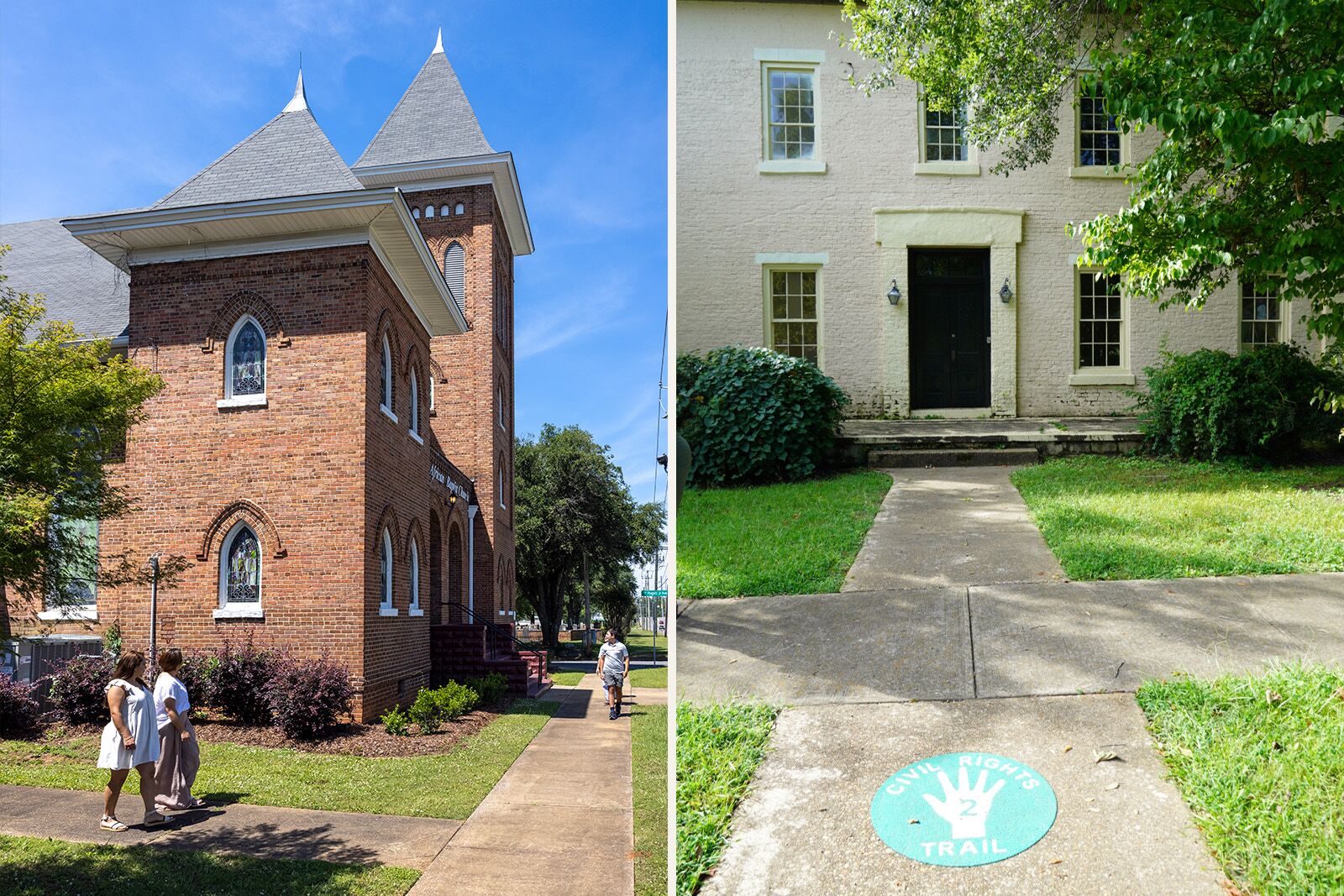
Tuscaloosa Civil Rights Trail: Various locations across downtown Tuscaloosa
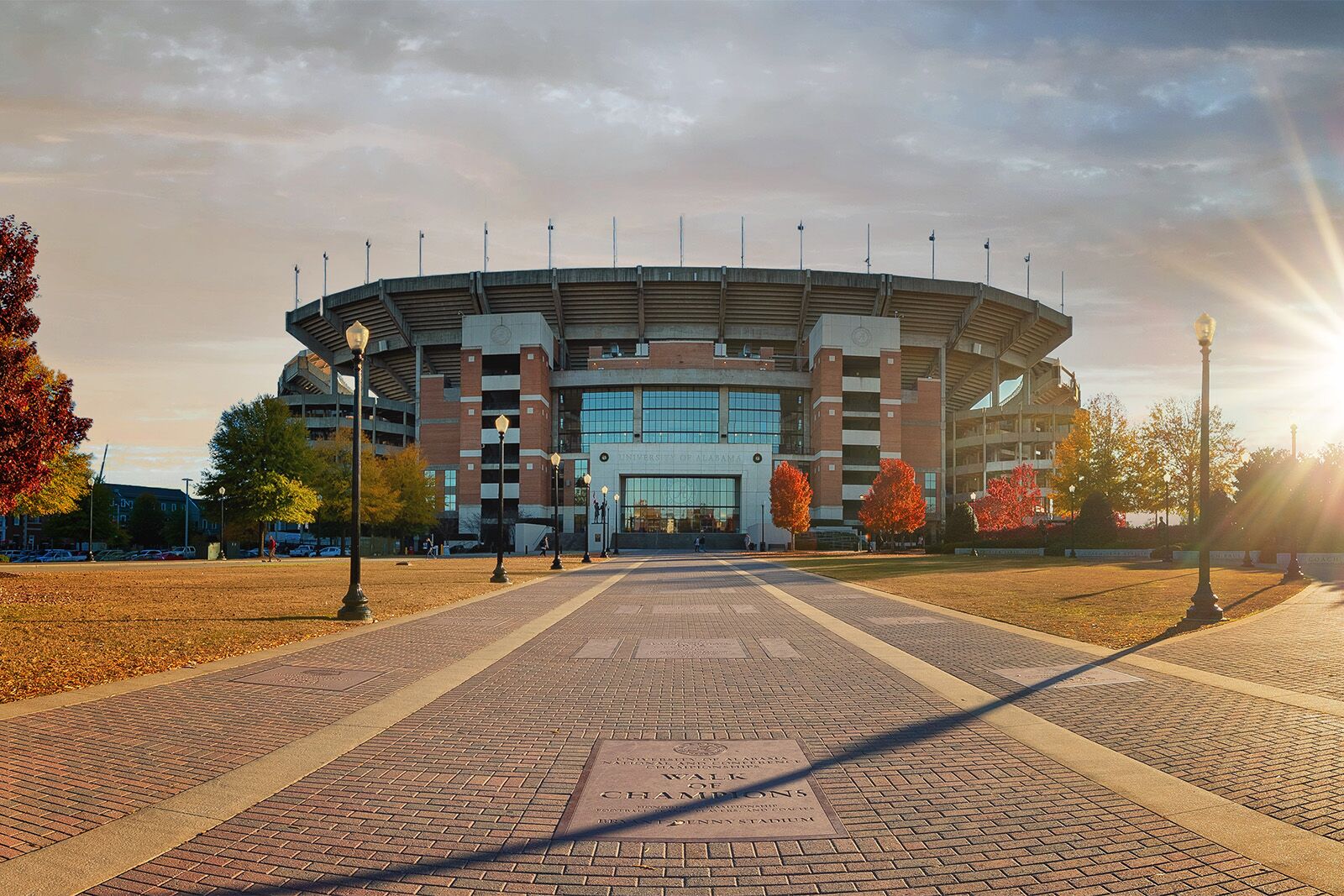
The Roar of the Tide: Bryant-Denny Stadium Tour
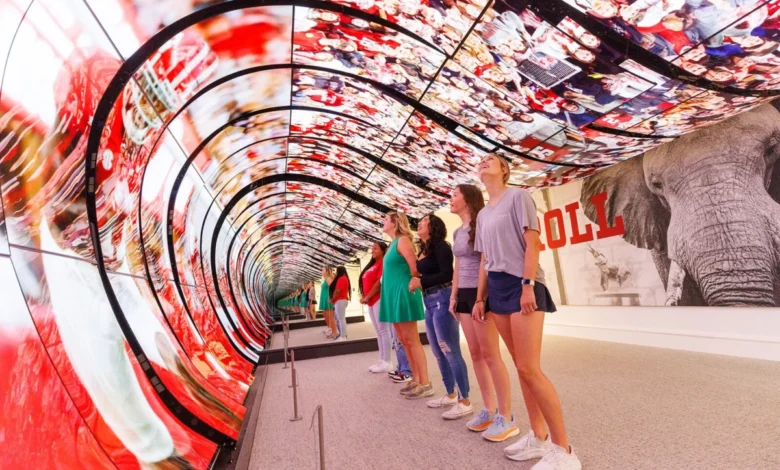
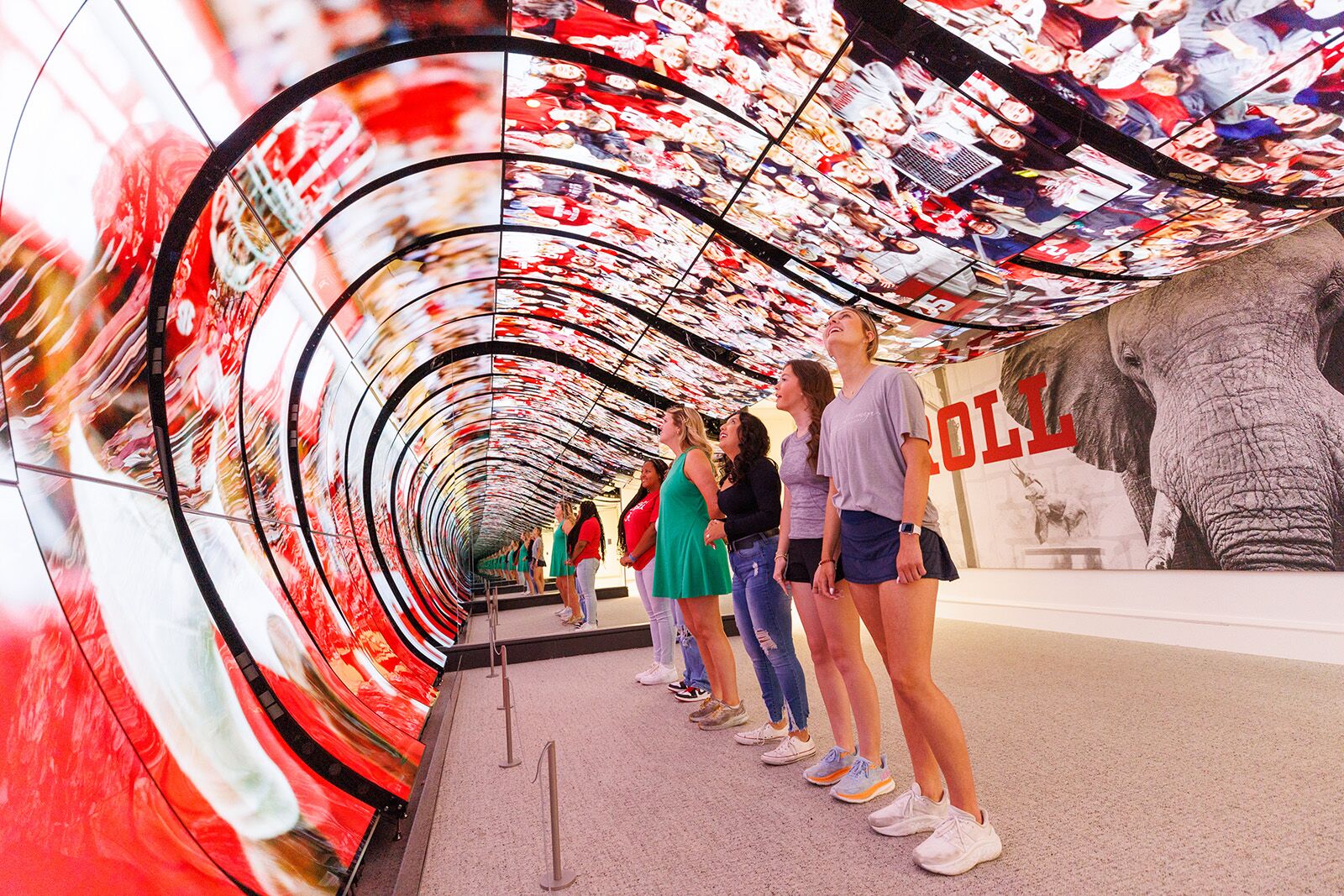
For sports enthusiasts, a tour of Bryant-Denny Stadium, the iconic home of the University of Alabama’s football team, is an essential experience. The tours commence in the recruiting room, a space that hosts prospective student-athletes and their families during official visits. Guests then have the opportunity to view the team’s collection of national championship rings, many of which feature design elements inspired by the locations where those victories were secured. The tour proceeds to the home locker room, offering a behind-the-scenes look at the team’s pregame preparations, including a state-of-the-art video display wall and an impressive LED tunnel. The experience culminates on the field itself, allowing visitors to stand on the same turf where the legendary Crimson Tide competes each fall. Stadium tours are typically offered on weekdays at 11 AM and last approximately one hour, though schedules are subject to variation.
Tip: To deepen the understanding of Alabama football’s rich history and legacy, a visit to the nearby Paul W. Bryant Museum is highly recommended. The museum features interactive exhibits and displays that further explore the storied past of the program.
Bryant-Denny Stadium: 920 Paul W. Bryant Drive, Tuscaloosa, AL 35487
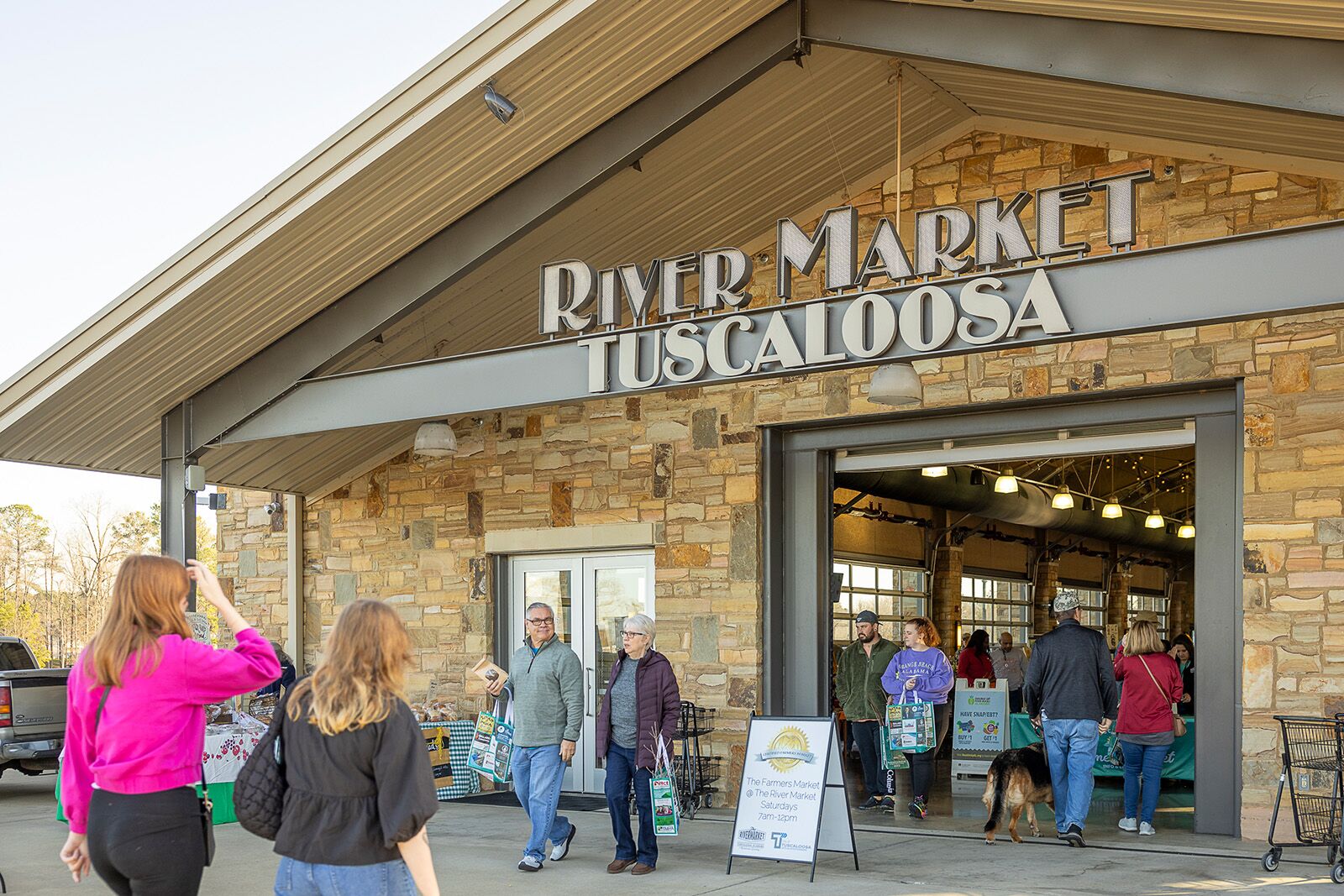
A Taste of Local Flavor: Tuscaloosa Farmers Market
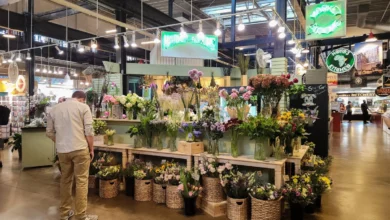
The Tuscaloosa Farmers Market, held every Saturday year-round from 7 AM to noon, offers a vibrant showcase of local produce and artisanal goods. With nearly 70 vendors spread across the indoor-outdoor space at the Tuscaloosa River Market, it’s an excellent opportunity to support local businesses. Among the highlighted vendors are Poppin’ Sisters Popcorn & Treats, renowned for its unique flavors, including a special Tuscaloosa-branded variety that blends sweet and cheesy notes with a hint of cinnamon, and Sweet Secret by Yuriko, which specializes in delights such as mango sticky rice and brioche-filled doughnuts. Beyond browsing the diverse offerings, the market’s location provides a picturesque setting with scenic river views.
Tip: During June and July, the Tuscaloosa Farmers Market extends its hours, operating on Tuesdays from 3 PM to 7 PM. In the lead-up to Christmas, the market also features specialty vendors offering handmade gifts and seasonal items.
Tuscaloosa Farmers Market: 1900 Jack Warner Parkway, Tuscaloosa, AL 35401
University Charm: Catherine and Pettus Randall Welcome Center
Located on the University of Alabama campus, the Catherine and Pettus Randall Welcome Center is a welcoming hub open to the public from Monday to Friday. The first floor of the center chronicles the university’s history through engaging interactive video and audio displays. It also houses a comfortable lounge area, campus offices, and a theater. A popular photo opportunity awaits visitors in front of the prominent "BAMA" letters. Upstairs, a small museum presents historical exhibits dedicated to Bryce Hospital, a significant institution that played a crucial role in shaping mental health care practices in Alabama. The welcome center itself is housed within the former hospital building, a structure recognized for its historical importance and listed on the National Register of Historic Places.
Tip: While exploring the welcome center, take a moment to admire the painted "haint blue" ceilings, a traditional Southern practice believed to ward off evil spirits.
Catherine and Pettus Randall Welcome Center: 200 Bryce Lawn Drive, Tuscaloosa, AL 35487
Culinary Delights: Where to Eat and Drink in Tuscaloosa
Five Bar: A Culinary Staple
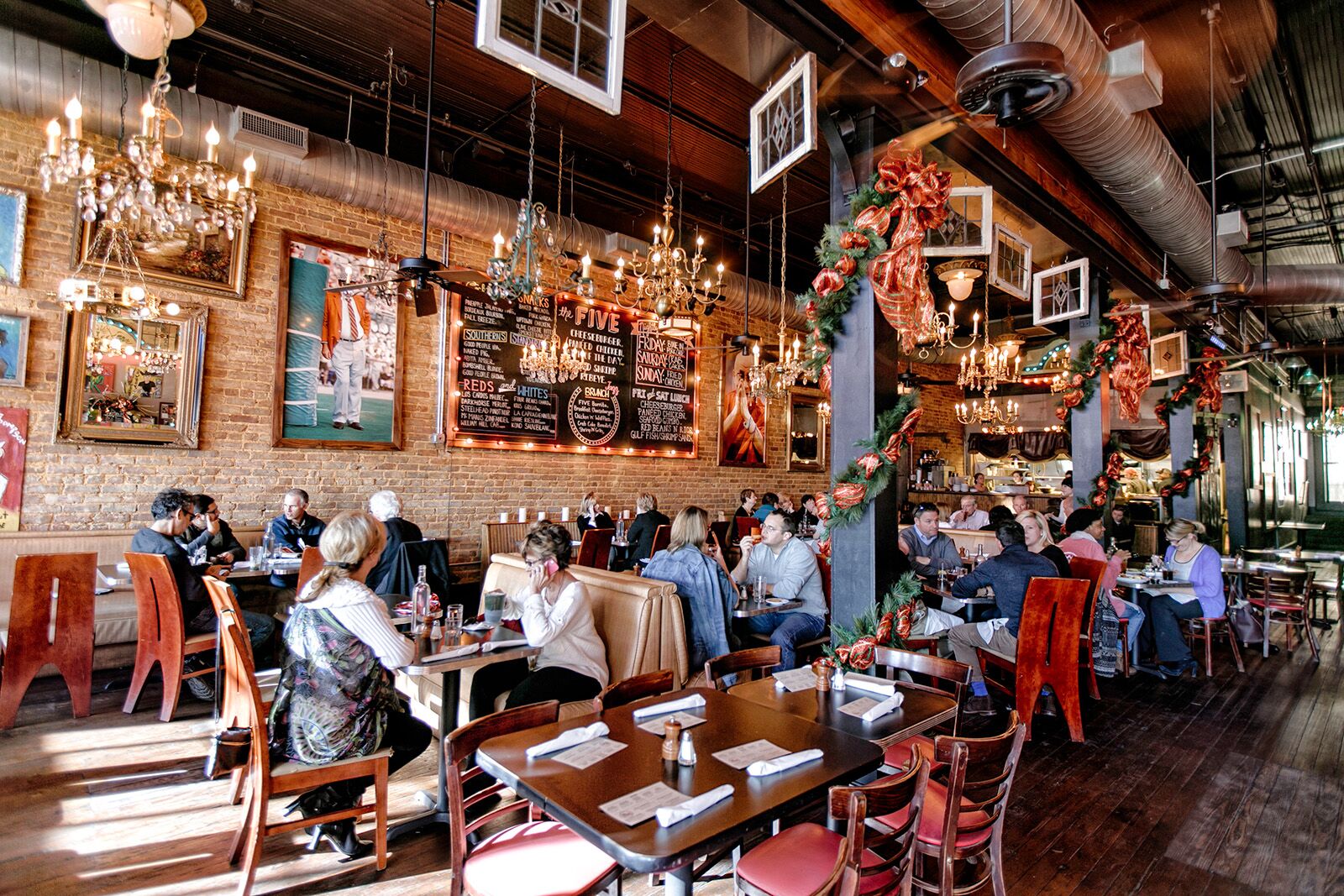
Five Bar, a well-established fixture in downtown Tuscaloosa’s dining landscape and a sister establishment to Chuck’s Fish, offers a thoughtfully curated menu built around five appetizers, five entrées, and five weekly specials. Starters include delectable bite-sized chicken pieces coated in panko breadcrumbs, tossed in a sweet and spicy sauce, and served over Asian slaw, alongside classic fried green tomatoes topped with a Boursin cream sauce. Entrée selections showcase a range of options, from fried shrimp and fries to pan-seared chicken and a savory bone-in pork chop accompanied by baked macaroni and cheese. Each entrée is thoughtfully served with the restaurant’s signature house salad. For dessert, the white chocolate bread pudding is the sole, yet highly acclaimed, offering.
Beyond its regular dinner service and Friday lunches, Five Bar hosts a popular jazz brunch every Saturday and Sunday, featuring dishes such as shrimp and grits with Creole cream and chicken and waffles. The restaurant distinguishes itself by consistently offering live jazz performances, a rare treat in Tuscaloosa’s dining scene. Adjacent to the restaurant is a coffee shop serving a variety of hot and iced coffees, fruit-based beverages, and pastries. The establishment’s unique ambiance is further enhanced by owner Charles Morgan’s passion for folk art, with much of the artwork adorning the space featuring pieces by the renowned Alabama artist Jimmy Lee Sudduth.
Five Bar: 2324 6th St., Tuscaloosa, AL 35401
Heritage House Coffee & Tea: A Beloved Local Institution
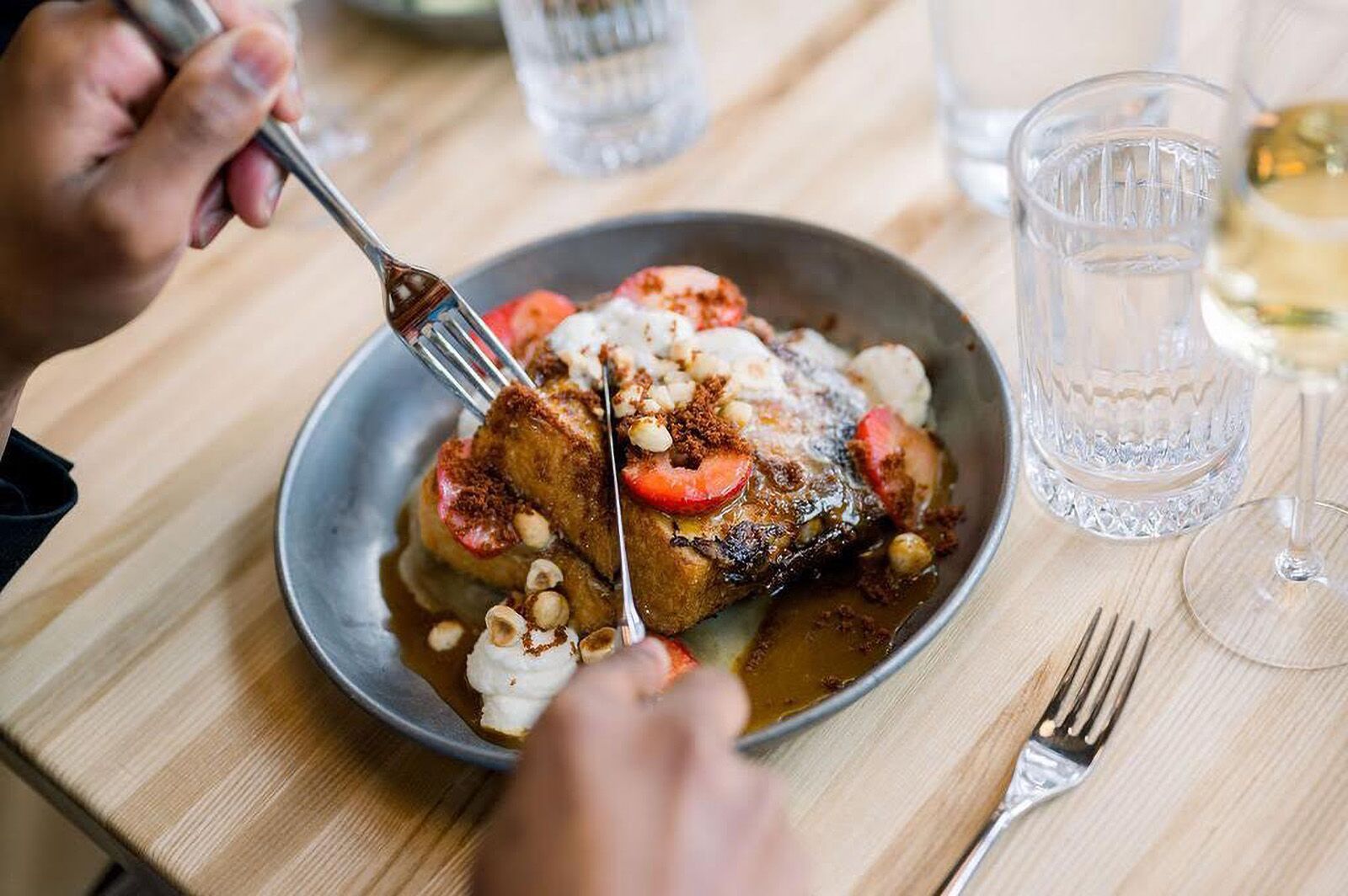
Heritage House has been a cornerstone of the Tuscaloosa community for decades, holding the distinction of being the city’s first coffee house. While it offers a tempting array of pastries, including scones and muffins, its true signature is the cheddar biscuits, baked with the celebrated Conecuh sausage, a product of Alabama. Beyond the bakery counter, a comprehensive breakfast menu features pancakes and Belgian waffles, available in a variety of flavors. Other notable breakfast options include Barry’s & Crème, a delightful creation of homemade cinnamon bread topped with cream cheese and sliced strawberries, and an assortment of toasts, such as the popular peanut toast with bananas, honey, and granola. For later dining, the menu expands to include sandwiches, wraps, and salads.
The beverage selection is equally impressive, featuring iced coffee, cappuccino, and cold brew. Signature drinks include the Bama Blitz, a combination of drip coffee with caramel sauce, vanilla, and cinnamon syrup, and the Snowflake Royale, a blend of espresso with white chocolate and butter pecan syrup. Tea enthusiasts can choose from classic options like English breakfast and Earl Grey, or opt for ginger peach and a selection of loose-leaf teas. The location also serves "dirty sodas," a customizable drink made by combining a soda base, such as Dr Pepper or Coca-Cola, with flavored syrups and cream.
Heritage House Coffee & Tea: 2370 Jack Warner Parkway, Tuscaloosa, AL 35401
Urban Bar & Kitchen: A Fusion of Flavors
Urban Bar & Kitchen, a relatively recent addition to Tuscaloosa’s dining scene since its opening in 2021, is helmed by owners Grover Ryans and Gary McGee. With decades of combined restaurant experience and a keen understanding of local tastes, they have crafted a menu that eschews a single theme in favor of a collection of dishes that have consistently resonated with customers. Among the standout offerings are the succulent crab claws, flavorful Cajun pasta, and their unique surf and turf preparation featuring blackened grouper and Conecuh sausage served over white rice with shrimp Creole.
The restaurant’s popular "bacon bombs," which trace their origins to a local beer-and-bacon festival, are a must-try appetizer. These delights are crafted with diced pimentos, bacon, and pepper jack and cheddar cheeses, hand-rolled, coated in panko breadcrumbs, and served with a sweet chili sauce. The dessert menu offers indulgent options such as white chocolate bread pudding with a warm bourbon glaze and an oversized brownie adorned with cookie crumbles, ice cream, and a generous drizzle of caramel and chocolate.
Urban Bar & Kitchen: 2321 University Blvd., Tuscaloosa, AL 35401
Evangeline’s: Fine Dining in Tuscaloosa
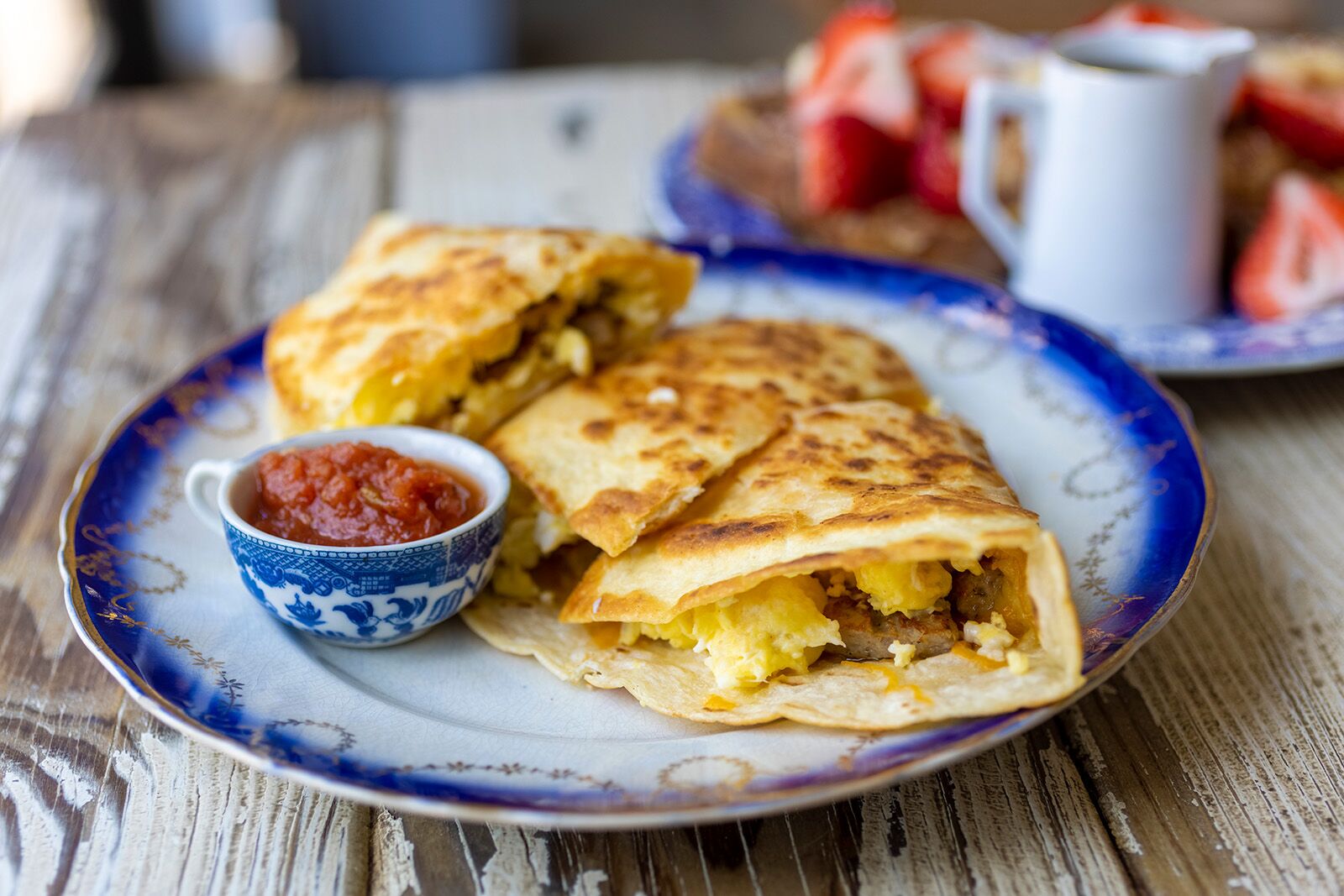
Located within the Galleria of Tuscaloosa plaza, Evangeline’s stands as the city’s only white-tablecloth fine-dining establishment. While its initial menu focused on New Orleans-inspired cuisine, the restaurant now presents a refined selection of seafood, including scallops, Chilean sea bass, and salmon. It also features expertly prepared cuts of meat, such as an eight-ounce filet mignon and a 10-ounce Wagyu flat iron steak. Other signature dishes include herb-crusted lamb, stuffed ravioli, and a classic shrimp and grits with andouille sausage that has remained a consistent favorite since its creation by the restaurant’s original chef. The beverage program highlights an extensive wine list and classic cocktails, with the triple chocolate martini, a decadent blend of vanilla vodka and Mozart liqueur, being a particular standout.
Evangeline’s: 1653 McFarland N. Blvd., Tuscaloosa, AL 35406
Ben’s Bread: Artisanal Baking at its Finest
Ben’s Bread, operating from Thursday through Saturday, has quickly become a beloved destination for freshly baked breads and pastries. While its sourdough loaves are particularly renowned—owner Ben Rosairo initially sold them at the Tuscaloosa Farmers Market before opening this brick-and-mortar bakery with Nanda Wheeler in 2024—the display cases are also filled with a tempting array of croissants, danishes, and bagels. Other popular items include cinnamon swirls, a creative croissant-dough interpretation of the classic cinnamon roll, and cruffins, a delightful hybrid of croissant and muffin filled with fresh fruit and cream. As lunchtime approaches, the bakery also offers popular pizza slices and soups. The space is designed to be welcoming, with ample indoor and outdoor seating, a dedicated children’s area, and a gallery showcasing the work of local artists.
Ben’s Bread: 3510 Loop Road, Tuscaloosa, AL 35404
Thomas Rib Shack: A Taste of Southern Comfort
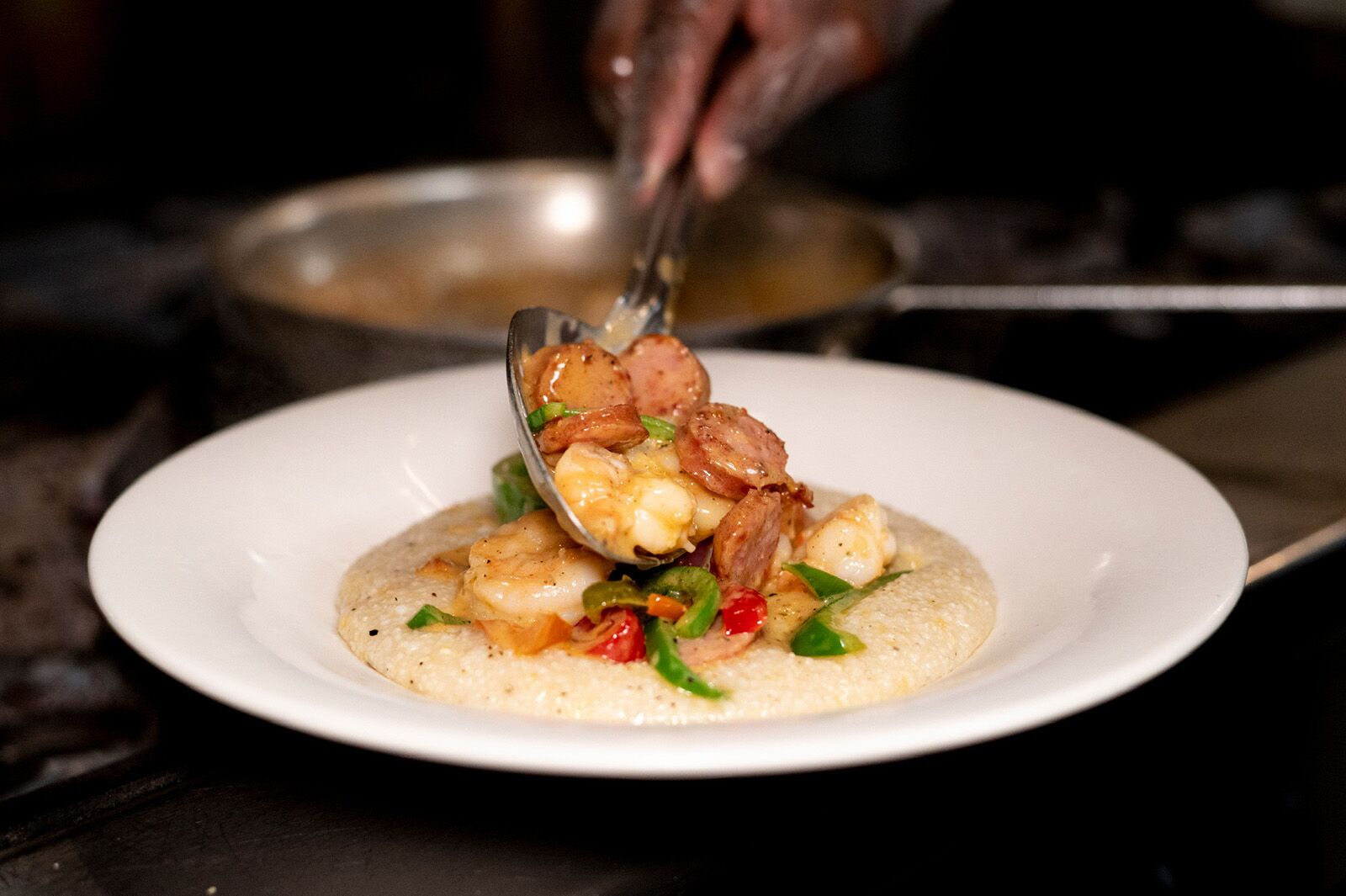
Thomas Rib Shack, under the stewardship of second-generation owner Sharon Thomas, exudes a welcoming, home-like atmosphere from the moment one steps inside. The establishment has cultivated a loyal following, with many customers returning since the 1990s. While barbecue, particularly the ribs, is the signature offering, the menu also features other favorites such as catfish, pork chops, and fried or baked chicken. These entrées are best enjoyed with classic Southern sides like yams, cabbage, collard greens, fried okra, and cornbread. On Sundays, the oxtail dinner is a particularly popular choice. No visit is complete without indulging in a slice of the highly recommended caramel cake, perfectly complemented by a glass of sweet tea.
Thomas Rib Shack: 2931 15th St., Tuscaloosa, AL 35401
Forté: Elevated Dining at The Alamite
Forté, situated within The Alamite hotel in the downtown area, offers an impressive dining experience, open for both dinner and breakfast. While the menu is concise, it caters to a wide range of preferences. The continental breakfast includes a fresh-baked muffin, parfait, and coffee or juice. For heartier appetites, build-your-own omelets, French toast, pancakes, and flaky croissant sandwiches are available. À la carte options such as fresh fruit, cheese grits, and biscuits and gravy are also offered. Tuscaloosa local Jasmine Rainey notes that the restaurant’s warm interior and thoughtfully designed spaces, featuring artwork by Southern female artists, create an inviting ambiance.
Forté: 2321 6th St., Tuscaloosa, AL 35401
Tip: If time allows, consider a meal at City Cafe in Northport, one of Tuscaloosa County’s oldest restaurants. Its counter seating and dining room are adorned with nostalgic photos and Alabama memorabilia. Arrive early, as seating is first-come, first-served. The menu includes meat options such as hamburger steak and fried chicken, alongside "vegetable" sides and breakfast selections. Afterward, explore nearby shops like The Toy Shoppe, Rhubarb’s Real Living, and Everlasting, before visiting the Kentuck Art Center, which houses studios and a gallery featuring works by artists who participate in the annual Kentuck Festival of the Arts.
Where to Stay in Tuscaloosa
Embassy Suites by Hilton Tuscaloosa Alabama Downtown: Modern Comfort and Convenience
Downtown Tuscaloosa offers a significant selection of accommodations, with nearly 900 rooms spread across seven hotels. The Embassy Suites by Hilton Tuscaloosa Alabama Downtown, strategically located at the intersection of University Boulevard and Greensboro Avenue, presents a convenient and stylish option. Upon arrival, guests are greeted by a welcoming front desk and an open, airy lobby characterized by vibrant blush and teal accents, comfortable seating areas, and contemporary design elements. A notable feature is the enclosed waterfall, adding a unique touch to the space. The lobby also houses Side by Side Kitchen, which serves Southern-inspired dishes during dinner service. Guests staying at the hotel benefit from a complimentary continental breakfast and an evening reception offering light bites and drinks.
The hotel boasts 154 well-appointed studio and two-room suites, each featuring a separate living area, a dining table, and a kitchenette equipped with a refrigerator, microwave, and minibar. Beyond comfortable lodging, the property offers an indoor pool and a fitness center. Self-parking is available behind the hotel for a daily fee of $15.
Hotel check-in begins at 4 PM, although contacting the hotel in advance may facilitate an earlier arrival. Check-out is scheduled for 11 AM daily.
Embassy Suites by Hilton Tuscaloosa Alabama Downtown: 2410 University Blvd., Tuscaloosa, AL 35401
Getting to and Around Tuscaloosa
While Tuscaloosa National Airport (TCL) is located within the city, it currently does not offer commercial passenger service. The most convenient airport for travelers is Birmingham-Shuttlesworth International Airport (BHM), situated approximately 60 miles away, or about an hour’s drive. Rental cars are readily available at BHM. The route from Birmingham to Tuscaloosa is generally pleasant, with I-359 connecting to I-20/I-59, featuring long stretches lined with trees and greenery that contribute to a relaxing journey.
Once in Tuscaloosa, many downtown restaurants, bars, and attractions are within easy walking distance of each other. However, destinations like Lake Lurleen State Park necessitate private transportation. Rideshare services such as Uber and Lyft are available, but it’s advisable to be aware that wait times and pricing can fluctuate during peak hours, special events, or University of Alabama game days. For an alternative way to explore the city, Hotel Indigo downtown offers e-bike rentals, perfect for leisurely rides along the Tuscaloosa Riverwalk.