The Evolution of the Babymoon Strategic Planning for Travel with a Toddler Before Baby Number Two

The concept of the "babymoon"—a final vacation taken by expectant parents before the birth of a child—has undergone a significant transformation as family structures evolve. While the traditional babymoon was once defined as a romantic, couple-centric getaway designed for rest and intimacy, a growing segment of the travel market is now focusing on the "second babymoon." This specific type of travel involves expectant parents navigating a vacation while accompanied by a toddler. Unlike the first babymoon, which typically prioritizes luxury and adult-oriented activities, the second babymoon requires a complex logistical balance between pregnancy-related physical limitations and the rigorous scheduling demands of a young child.

Industry experts and travel analysts note that this shift reflects a broader trend in the "family-moon" sector, where parents seek to celebrate their existing family unit before the transition to a larger household. However, the transition from a first babymoon to a second one involves more than just adding a passenger; it necessitates a complete overhaul of travel philosophy, moving from "active exploration" to "strategic relaxation."
A Chronological Shift in Travel Objectives
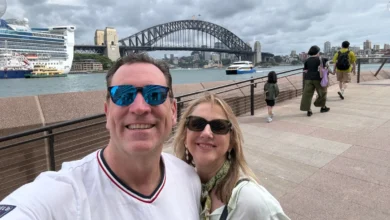
The evolution of babymoon travel is best illustrated by comparing the requirements of a first pregnancy versus a second. During a first pregnancy, expectant parents often have the physical stamina and lack of scheduling constraints to engage in active travel. Historical data from travel practitioners like Celine Brewer, a recognized expert in baby and toddler travel, indicates that first babymoons often mirror the couple’s pre-pregnancy travel style. For instance, a two-week road trip through British Columbia, involving hiking in Tofino, whale watching in Victoria, and high-intensity activities like the 12-kilometer Myra Canyon Trestle hike, is a common profile for first-time parents.

In contrast, the second babymoon occurs under a different set of biological and logistical circumstances. Medical data suggests that subsequent pregnancies can often feel more physically taxing due to the lack of recovery time associated with caring for an existing child. When a toddler is introduced to the equation, the focus of the trip shifts from "checking off bucket-list items" to "maintaining family equilibrium." The chronological progression for many families moves from the adventurous road trips of the first pregnancy to the self-contained, amenity-rich environments of all-inclusive resorts during the second.
Supporting Data on Pregnancy Travel and Toddler Logistics
To understand the necessity of this shift, it is essential to examine the data regarding travel during pregnancy and early childhood. According to the American College of Obstetricians and Gynecologists (ACOG), the second trimester (weeks 14 to 28) is generally considered the safest and most comfortable window for travel. During this period, the risks of miscarriage and preterm labor are at their lowest, and the "morning sickness" of the first trimester has often subsided.

However, when traveling with a toddler, the "comfort window" is narrowed by the child’s developmental needs. Data from child development specialists indicates that toddlers thrive on routine. A deviation from sleep schedules or meal times can lead to behavioral challenges that increase the stress levels of a pregnant traveler. Consequently, the travel industry has seen a rise in "micro-babymoons"—shorter, closer-to-home trips that minimize the time spent in transit.
Furthermore, flight regulations and health safety remain paramount. Most domestic airlines allow pregnant women to fly up to 36 weeks, but international carriers often have stricter cut-offs at 28 or 32 weeks. For a second babymoon, parents must also consider the health of the toddler, ensuring that the destination has accessible pediatric care and adheres to food and water safety standards, particularly in regions where Zika virus or other gestational risks may be present.

Expert Analysis: The Strategic Pivot to All-Inclusive Environments
Travel analysts suggest that the "all-inclusive" model has become the gold standard for the second babymoon. The reasoning is based on the reduction of "decision fatigue." For a pregnant parent, the logistical burden of finding toddler-appropriate meals, coordinating transportation between sites, and managing gear (strollers, car seats, diaper bags) can negate the restorative benefits of a vacation.
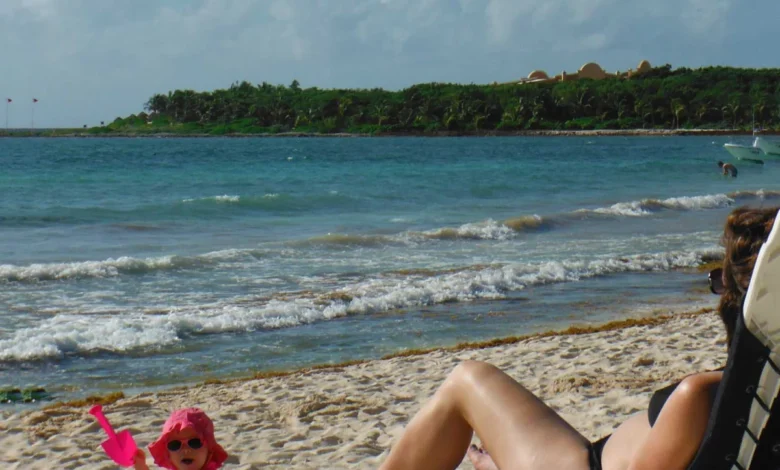
By choosing a resort environment—such as those found in family-friendly regions of Mexico or the Caribbean—parents can access "toddler clubs," shallow splash pads, and on-site dining without the need for constant transit. This environment allows the pregnant parent to prioritize rest while the toddler remains engaged in age-appropriate activities. The pivot from "impressive" destinations to "easy" destinations is a hallmark of successful second-babymoon planning. Experts recommend that families evaluate potential accommodations based on three specific criteria:

- Separate Sleeping Spaces: Essential for allowing parents to remain awake or relax after the toddler’s early bedtime.
- Kitchenette Access: Necessary for storing milk, snacks, and managing the unpredictable appetite of a young child.
- Proximity to Amenities: Reducing the "walkability" requirement helps the pregnant parent conserve energy.
The Psychological Impact on the Firstborn
Beyond the physical and logistical considerations, there is a significant psychological component to the second babymoon. Child psychologists often emphasize the importance of "special time" for the firstborn child before the arrival of a sibling. The transition from being an only child to an older sibling can be fraught with anxiety.
A babymoon with a toddler serves as a symbolic "last hurrah" as a family of three. This focused attention helps reinforce the child’s sense of security. Activities that might seem mundane to adults—such as eating ice cream together, playing in a ball pit, or reading extra stories by a hotel pool—are high-value interactions for a toddler. By involving the toddler in the celebration of the upcoming birth, parents can foster a positive association with the new family dynamic.

Official Responses and Industry Adaptations
The travel and hospitality industry has responded to the rise of the second babymoon with specialized offerings. Major resort chains have begun marketing "Prenatal and Toddler Packages" that include specialized spa treatments for expectant mothers alongside "nanny services" for children under the age of three.
Airlines are also increasingly providing "family boarding" and "stroller gate-check" services to accommodate the dual needs of pregnant women and young children. However, travel insurance providers urge caution. "Cancel for Any Reason" (CFAR) insurance is highly recommended for this demographic, as both pregnancy complications and toddler illnesses are unpredictable variables that can necessitate last-minute itinerary changes.

Broader Implications for Modern Family Travel
The rise of the second babymoon indicates a broader shift in how modern families view leisure time. No longer content to simply "wait out" the pregnancy at home, parents are seeking ways to integrate their expanding families into their travel lifestyles. This trend has several implications:
- Economic Impact: Increased demand for family-friendly luxury accommodations and mid-tier "staycation" rentals.
- Health Policy: A greater emphasis on medical tourism infrastructure and the availability of prenatal/pediatric care in tourist hubs.
- Societal Norms: A move away from the idea that travel "ends" once children arrive, replaced by a philosophy of "adaptive travel."
Conclusion: Realistic Expectations for the Path Ahead
In summary, planning a babymoon with a toddler requires a departure from the idealistic, romanticized versions of travel. It is a pragmatic exercise in risk management and energy conservation. The most successful second babymoons are those that prioritize flexibility over rigid itineraries.
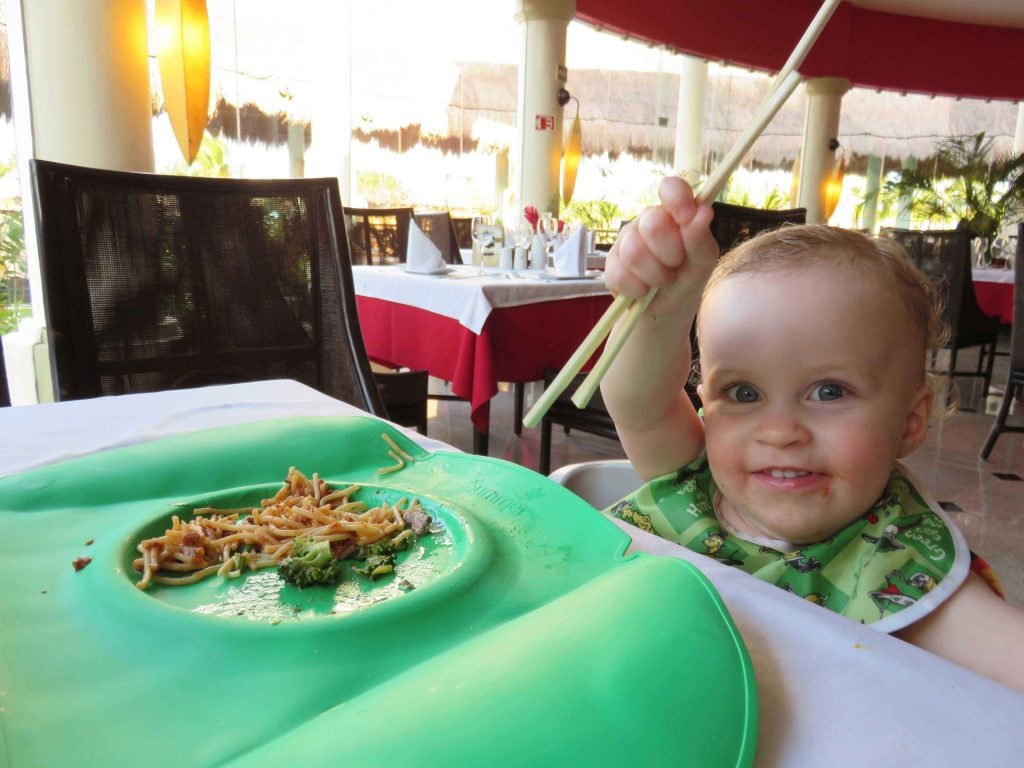
While the first babymoon may be a memory of adventurous hikes and quiet dinners, the second is often defined by the sound of a toddler’s laughter in a splash pad and the quiet satisfaction of a nap taken in a comfortable hotel room. By choosing manageable travel times, toddler-centric accommodations, and a "one activity per day" rule, expectant parents can successfully navigate this transitional period. The second babymoon is not merely a vacation; it is a strategic investment in the family’s emotional and physical well-being before the arrival of its newest member. As the family unit grows from three to four, these trips provide the foundational memories that sustain parents through the challenging early months of newborn care.