Navigating European Mobile Connectivity: A Comprehensive Guide to Data Plans for International Travelers

Reliable high-speed data connectivity has become an indispensable component of modern travel, particularly for those exploring Europe. The widespread adoption of smartphones for navigation, communication, translation, and accessing essential travel information makes a robust data plan a necessity, rather than a luxury. However, utilizing a smartphone across European borders can prove both confusing and unexpectedly expensive if travelers are not adequately prepared. This guide provides an in-depth analysis of current options for smartphone use in Europe, encompassing both leveraging existing U.S. carrier plans and acquiring local or regional European SIM and eSIM solutions, alongside practical strategies for optimizing connectivity and managing costs.
Smartphone Compatibility and the European Mobile Landscape
Modern smartphones, generally those manufactured after 2016 (such as the iPhone 7 and subsequent models, or equivalent Android devices), are largely compatible with Europe’s advanced mobile infrastructure. This broad compatibility means travelers are unlikely to face issues with their device physically connecting to European networks. Major U.S. carriers typically maintain roaming agreements with European counterparts, allowing phones to automatically connect upon arrival. However, this convenience often comes at a premium, with associated international data roaming fees that can be substantial and offer slower speeds than local alternatives.

The European Union’s "Roam Like at Home" regulation, implemented in June 2017, significantly transformed mobile usage for residents traveling within the EU. This policy abolished roaming charges, enabling EU citizens to use their domestic mobile plans in any other EU country without incurring additional fees. While this regulation directly benefits EU residents, it has also fostered a highly competitive market for mobile data within Europe, indirectly benefiting international visitors by driving down the cost of local prepaid plans and fostering innovative cross-border offerings. This competitive environment is a primary reason why purchasing a prepaid European eSIM or physical SIM card from a third-party provider often presents a more economical and high-performance alternative to U.S. carrier roaming plans.
Leveraging U.S. Mobile Carrier International Plans
The simplest method for U.S. travelers to maintain connectivity in Europe is to activate an international data plan through their existing mobile service provider. Nearly all major U.S. carriers, including Verizon, T-Mobile, and AT&T, offer such upgrades. In many instances, once activated, the phone automatically connects to a partner network in Europe, requiring minimal user intervention beyond potentially enabling international data roaming in device settings.
However, the primary drawbacks of this approach are elevated costs, often restrictive data allowances, and frequently slower data speeds. Travelers should anticipate daily charges that can quickly accumulate, often starting at $10 per day. For example, some plans may provide a modest 100MB of high-speed data at 3G or 2G speeds for $15 daily, with calls priced around $1 per minute and texts at $0.25 each. While carriers may advertise 4G/LTE speeds, actual user experience frequently reports slower 3G or even 2G performance, which can significantly hinder basic functions like Google Maps navigation or web browsing.
- T-Mobile: Historically known for its traveler-friendly policies, T-Mobile offers unlimited texting and data in over 210 countries with most Magenta and Magenta MAX plans. This includes up to 5GB of 4G LTE data, after which speeds are typically throttled to 2G. While 5GB can suffice for moderate usage over shorter trips, extended travel or heavy data consumption may necessitate additional high-speed data, available via International Passes at varying price points and data allocations (e.g., 5GB for $35 for 10 days, or 15GB for $50 for 30 days).
- Verizon: Verizon’s international offerings are generally considered less favorable for frequent international travelers due to higher costs and limited data. Their "TravelPass" option allows customers to use their domestic talk, text, and data allowances for a daily fee (e.g., $10 per day in Europe). However, high-speed data is typically capped per day, after which speeds are reduced. For longer trips, monthly international plans are available but often carry a significant cost relative to data provided.
- AT&T: AT&T offers an "International Day Pass" similar to Verizon’s, allowing use of domestic plan features for $10 per day. For longer stays, their "Passport" plans provide a set amount of data, talk, and text for a monthly fee. Despite claims of 4G/LTE access, anecdotal evidence suggests that speeds can be inconsistent and often lower than expected, particularly when compared to local European networks.
The convenience of using one’s existing U.S. plan is undeniable, eliminating the need for phone unlocking or SIM card swaps. However, for trips exceeding a few days or for travelers who rely heavily on mobile data, the cumulative cost and potential for suboptimal performance often make alternative solutions more attractive.
Embracing European SIM and eSIM Solutions: The Cost-Effective Alternative
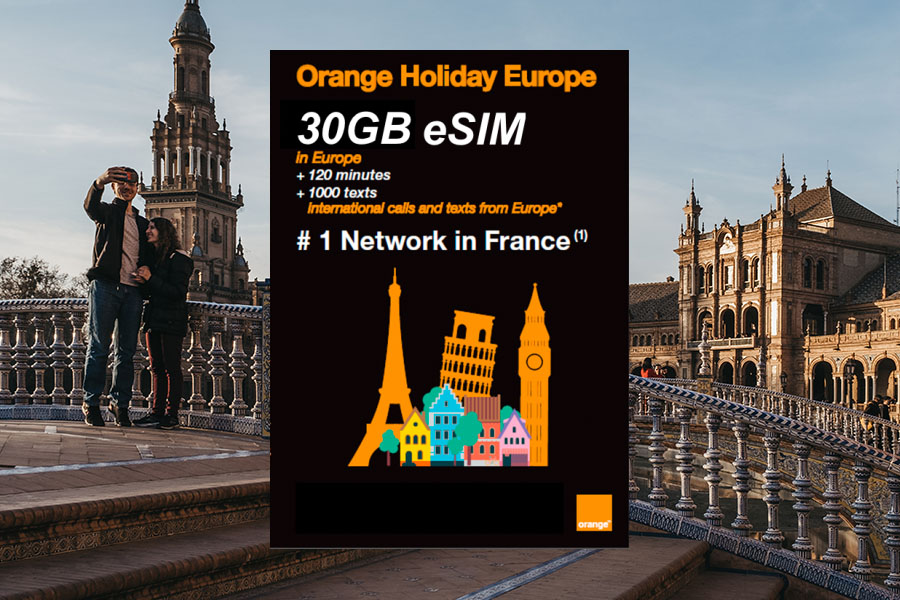
A more economical and performance-oriented approach involves acquiring a prepaid European SIM card or, increasingly, an eSIM data plan. This method capitalizes on the fierce competition within the European mobile market, resulting in significantly lower prices, faster data speeds, and more generous data allowances compared to most U.S. international roaming plans. For instance, it is common to find prepaid plans offering 20GB or more of high-speed data for approximately €20 per month, with service valid across all EU countries without additional roaming charges, thanks to the "Roam Like at Home" directive. Most plans also include local talk and text as standard.
The Rise of eSIM Technology
eSIMs (embedded SIMs) represent a significant advancement in mobile connectivity for travelers. Unlike traditional physical SIM cards, an eSIM is a digital SIM profile that can be downloaded and activated directly onto a compatible smartphone. This eliminates the need for physical card swapping, offers instant activation, and, crucially, allows travelers to retain their original U.S. SIM card in their phone while using the eSIM for data. This dual-SIM functionality means users can receive calls and texts on their home number while benefiting from affordable local data. Most smartphones released after 2018, including iPhone XS/XR and newer, Google Pixel 3 and newer, and many Samsung Galaxy models, are eSIM compatible.
Unlocking Your Smartphone for European SIM Cards

For travelers opting for a physical European SIM card, ensuring their smartphone is "unlocked" is paramount. Many U.S. mobile carriers subsidize smartphone purchases by locking devices to their network, preventing them from being used with SIM cards from other companies. To unlock a phone, users typically need to contact their carrier. Policies vary, but generally, a phone must be fully paid off and/or the contract fulfilled to be eligible for unlocking. This process should be initiated well in advance of travel to mitigate potential issues. If unlocking is not feasible, travelers may consider using an older, unlocked smartphone as a dedicated travel device or relying on their U.S. carrier’s international plan.
Acquiring European SIM/eSIM Plans
Travelers have two primary avenues for acquiring European SIM/eSIM plans: purchasing before departure or upon arrival.
1. Purchasing Before Travel:
Buying a prepaid European SIM or eSIM before traveling offers the convenience of arriving in Europe with immediate connectivity. This method eliminates the need to search for a vendor upon arrival, allowing for seamless integration into the local network from the moment of landing. While prices might be marginally higher than in-country purchases, the added convenience is often a worthwhile trade-off.
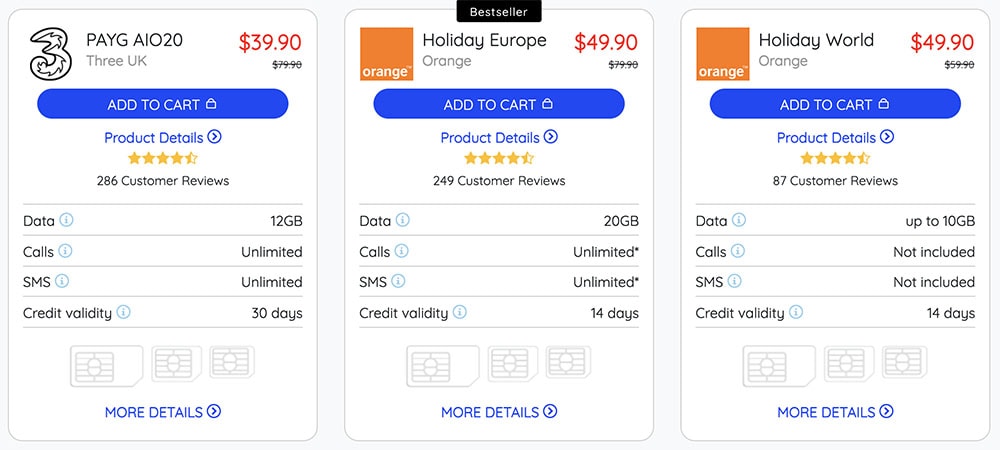
- SimOptions: As an authorized reseller, SimOptions provides a variety of physical SIM and eSIM plans from major European carriers like Orange, Bouygues Telecom, and Three UK.
- Orange Holiday Europe Prepaid SIM/eSIM: This popular option offers substantial data (e.g., 20GB-50GB), often with international calls and texts, valid for 14-30 days. Orange boasts extensive coverage across Europe. The eSIM variant provides instant delivery, bypassing shipping costs and wait times.
- Bouygues Telecom Vacation Prepaid SIM/eSIM: Similar to Orange Holiday, Bouygues offers competitive data plans (e.g., 30GB for 30 days). The physical SIM often requires activation in France, but their eSIM variant (Bouygues My European eSIM) offers broader activation flexibility.
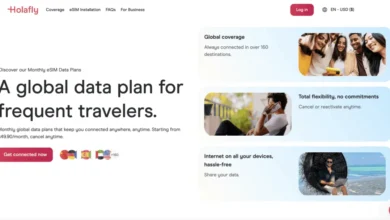
- Holafly Unlimited Data eSIM: Holafly specializes in eSIMs, providing plans with "unlimited data" for various durations (e.g., 5 to 90 days). While advertised as unlimited, these plans are typically subject to a fair usage policy, where excessive data consumption may lead to speed throttling. Holafly eSIMs now frequently include an Austrian phone number for limited calls within Europe, enhancing their utility for communication.
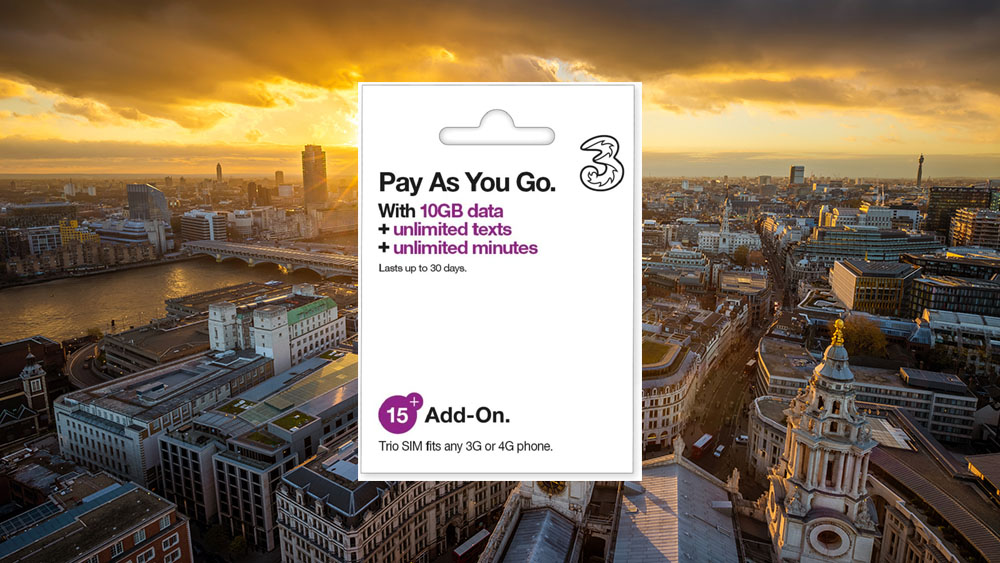
- Three UK PAYG AIO15: Three UK offers competitive plans like the PAYG AIO15, providing a solid data allowance (e.g., 10GB) with calls and texts, valid for 30 days. This is a good option for travelers seeking a balance of data and validity period.
2. Purchasing Upon Arrival in Europe:
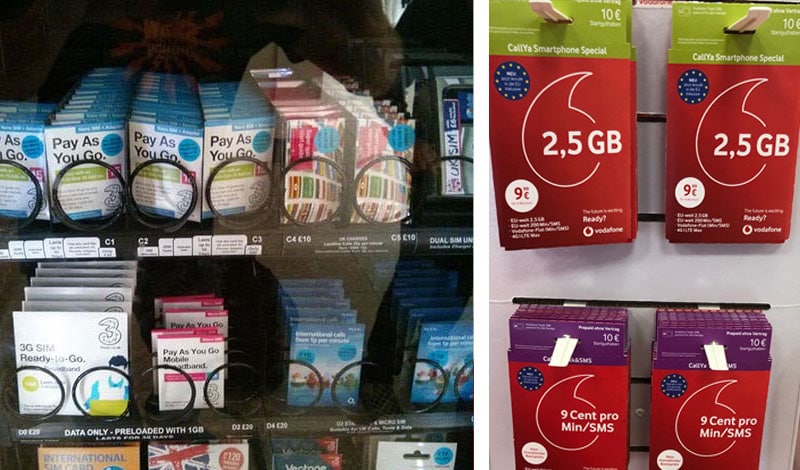
European SIM cards are widely available across the continent. They can be found at airports, dedicated mobile carrier stores, electronics retailers, supermarkets, and even vending machines. Purchasing in-country allows for direct interaction with local providers, potentially offering more plan variety or local deals.
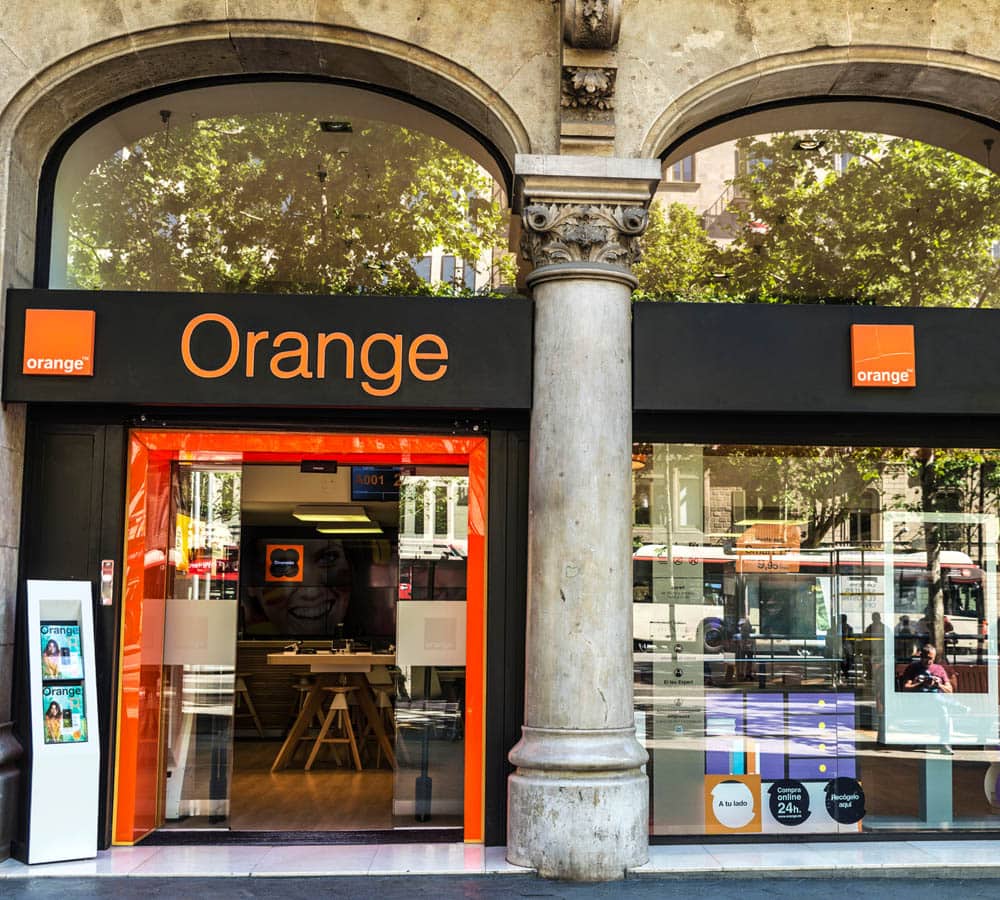
- Major Carrier Stores: Visiting an official store of a major carrier (e.g., Orange, Vodafone, Telekom, O2, SFR) ensures direct support for activation and troubleshooting.
- Airports: Convenient but often with slightly higher prices and limited choices.
- Supermarkets/Newsstands: Good for quick, basic plans, but staff may not be equipped for detailed support.
Types of Prepaid Mobile Data Plans:
European carriers offer various prepaid structures:
- Pay-As-You-Go (PAYG): Credit is purchased and depleted based on usage. Ideal for very light users.
- Bundled Plans: Most common for travelers, these plans offer a fixed bundle of data, talk, and text for a set period (e.g., 14 or 30 days). These provide the best value for typical tourist usage.
Cost of Mobile Data Plans in Europe:
Prices vary significantly by country and provider, but general estimates for bundled plans suitable for travelers include:
- Basic Plans (e.g., 5-10GB): €10-€20 for 14-30 days.
- Moderate Plans (e.g., 20-30GB): €20-€30 for 14-30 days.
- Heavy User/Unlimited (eSIM): €30-€60 for 7-30 days, depending on provider and actual data limits.
Installation and Activation of Physical SIM Cards:
Installing a physical SIM card is a straightforward process:
- Locate the SIM tray on your smartphone (typically on the side).
- Use a SIM ejector tool (or a paperclip) to open the tray.
- Remove your existing SIM card and store it safely.
- Insert the new European SIM card, ensuring correct size and orientation.
- Close the tray.
Upon insertion, the phone typically recognizes the new SIM and connects to the local network. A restart may be prompted. Activation instructions, usually in English, accompany the SIM card. Some countries require SIM card registration with a passport and/or a local address, a regulatory measure aimed at security.
Potential Challenges with European SIM Cards:
- Registration Requirements: As mentioned, some countries mandate passport registration and a local address for SIM card activation.
- Technical Support: While major carrier stores offer in-person assistance, smaller vendors or non-English-speaking staff might present communication barriers.
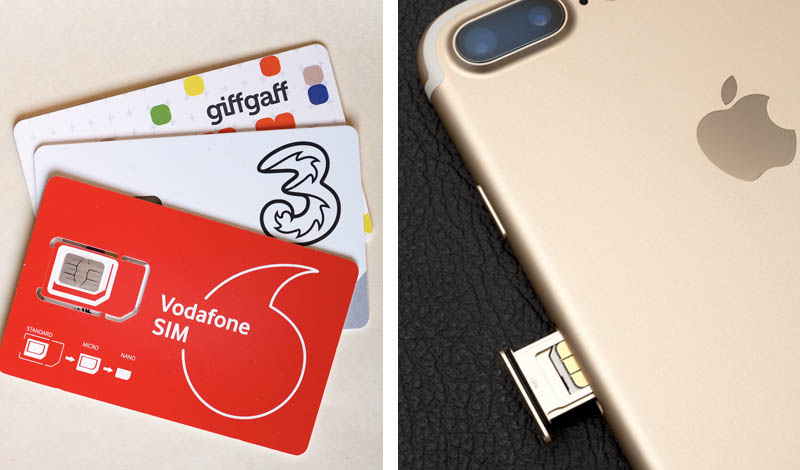
- SIM Card Size: Ensure the correct SIM card size (Standard, Micro, Nano) for your device. Modern smartphones almost exclusively use Nano-SIMs.
- Carrier Choice: Sticking with major, reputable carriers is advisable for better coverage and more reliable service, even if slightly more expensive.
Optimizing Smartphone Use and Data Consumption in Europe

Beyond choosing the right data plan, several strategies can enhance smartphone utility and minimize data usage during European travel:
- Portable Battery Chargers: Extensive use of GPS, camera functions, and constant connectivity can rapidly drain smartphone batteries. A high-capacity portable power bank, such as the Anker PowerCore 10000, is an essential accessory to ensure uninterrupted power.
- Strategic Use of Free Wi-Fi: While public Wi-Fi is increasingly available in Europe (e.g., at cafes, hotels, hostels, major public spaces), its reliability, speed, and security can vary. It serves as a valuable supplement for heavy data tasks (e.g., large downloads, video calls) but is generally not sufficient for constant, spontaneous connectivity needed for navigation or real-time information access.
- Data Usage Management: Many smartphone applications consume data in the background, even when not actively in use.
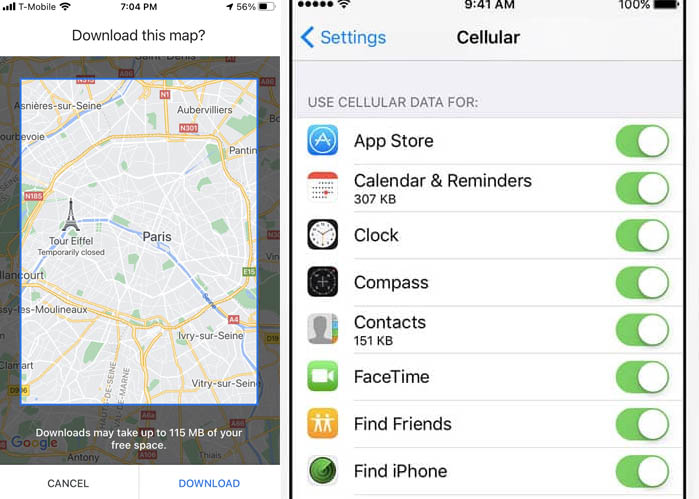
- Disable Background App Refresh: Turn off data access for non-essential apps in phone settings to prevent unsolicited data consumption.
- Download Offline Maps: Google Maps and similar applications allow users to download entire city or regional maps for offline use. GPS functionality does not require data, making offline maps highly effective for navigation without consuming mobile data.
- Utilize Wi-Fi Calling and Messaging Apps: Apps like WhatsApp, FaceTime Audio, and Signal offer free calling and text messaging over Wi-Fi or mobile data. WhatsApp is particularly prevalent in Europe and is often the preferred communication method for locals and businesses alike.
Broader Implications and Future Outlook

The evolving landscape of mobile connectivity in Europe, driven by regulatory changes like "Roam Like at Home" and technological advancements like eSIMs, has profoundly impacted international travel. Travelers now benefit from unprecedented choices, allowing for tailored connectivity solutions that balance cost, convenience, and performance. The shift towards eSIMs, in particular, signals a future where instant, flexible, and global connectivity becomes the norm, further empowering travelers with seamless access to digital resources. This trend not only enhances the travel experience but also contributes to greater economic efficiency by reducing communication barriers and fostering more informed, independent exploration. As technology continues to advance, the integration of mobile connectivity into every facet of travel will only deepen, making informed choices about data plans an increasingly critical aspect of travel preparation.