The Ultimate Guide to Traveling Between Brașov and Bucharest: Trains, Buses, Road Trips, and Essential Stops

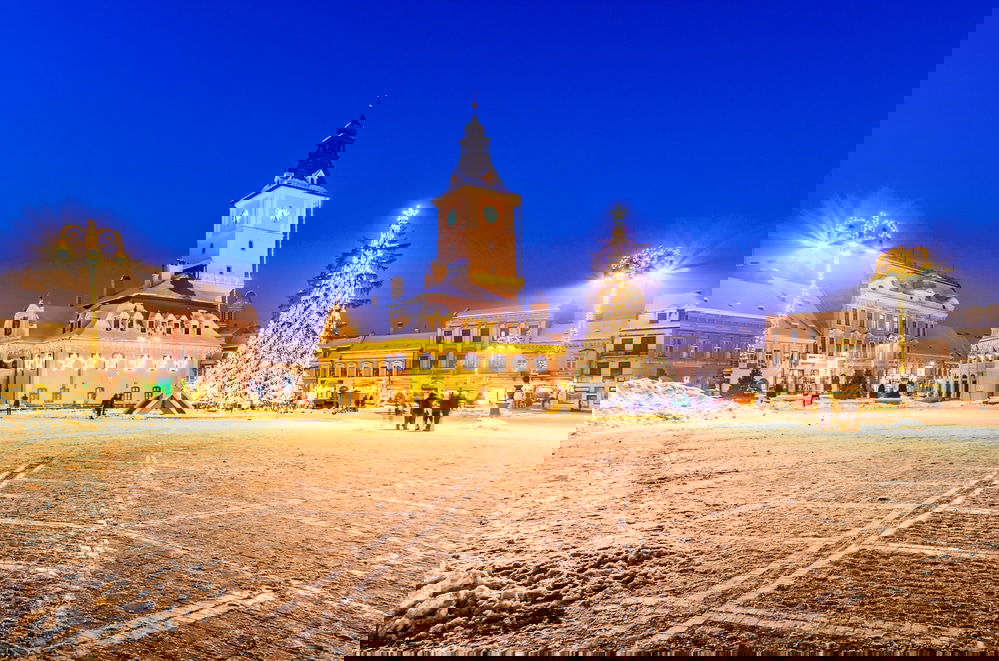
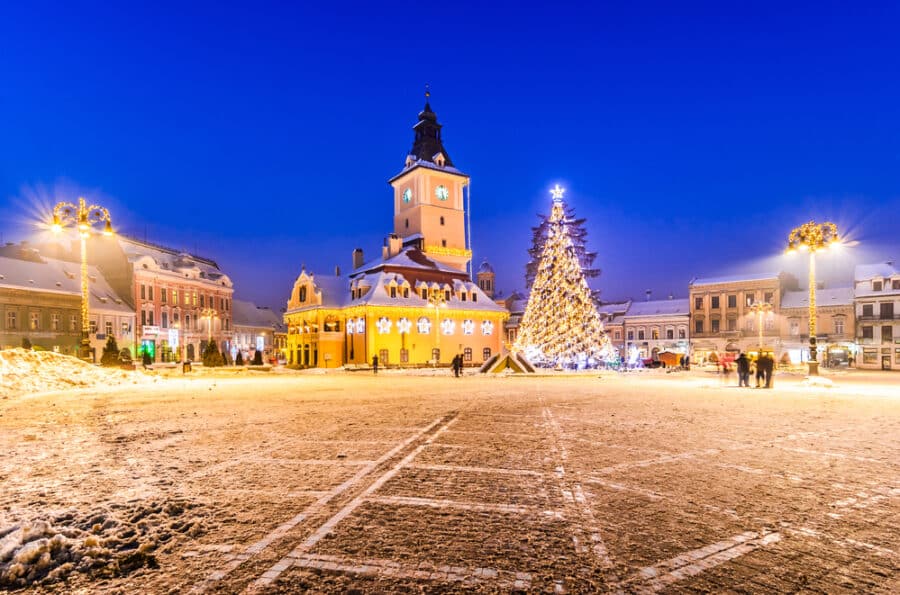
The transit corridor connecting the vibrant Romanian capital of Bucharest to the mountainous Transylvanian cultural hub of Brașov has emerged as one of the most heavily trafficked and crucial tourism arteries in Eastern Europe. Spanning a distance of approximately 170 kilometers, this route bridges the bustling urban center of Bucharest—home to historic architecture, economic powerhouses, and political institutions—with the breathtaking landscapes and medieval history of the Carpathian Mountains. As Romania continues to experience a steady surge in international tourism, navigating the infrastructure between its primary aviation gateway and its most scenic historical towns has become a primary concern for independent travelers and tour operators alike. Whether embarking from Bucharest Henri Coandă International Airport or winding down from a historical tour of Brașov’s Council Square, understanding the mechanics, timelines, and logistical nuances of this journey is essential for an efficient itinerary.
Historical Context and Economic Importance of the Transylvanian Corridor
The geographical barrier of the Carpathian Mountains has historically dictated trade, defense, and communication routes within Romania. For centuries, the passes cutting through this dramatic mountain chain served as vital links between the historic principalities of Wallachia and Transylvania. Today, this historic transit route is mirrored by modern road and rail networks that carry hundreds of thousands of commuters, commercial goods, and international tourists annually.
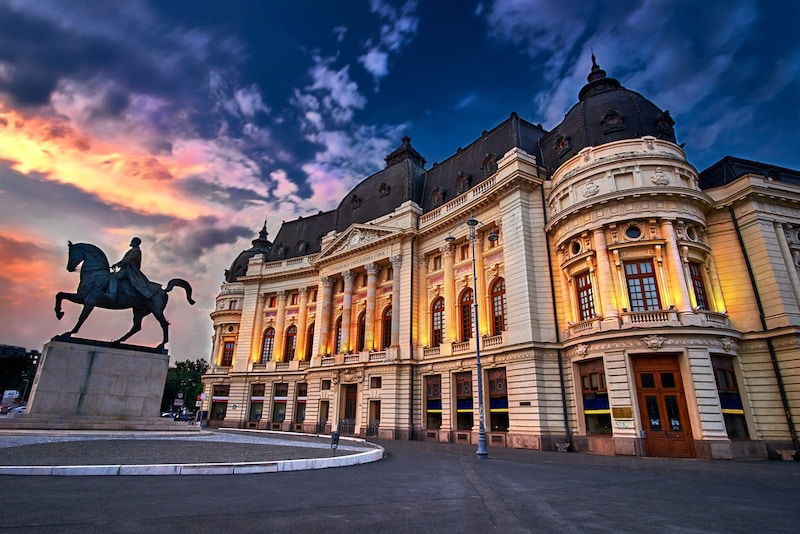
Bucharest functions as the undisputed political and logistical heart of the country. Visitors arriving in the capital are immediately met with landmarks that trace the nation’s complex history, ranging from the colossal, neo-classical Palace of the Parliament—one of the heaviest administrative buildings in the world—to the remnants of the Old Princely Court associated with Vlad the Impaler, the 15th-century ruler whose legacy inspired modern vampire folklore. Conversely, Brașov, established by the Teutonic Knights in the early 13th century, offers a remarkably preserved medieval cityscape framed by Mount Tâmpa. The symbiotic tourism relationship between these two destinations has turned the Bucharest-Brașov corridor into a cornerstone of Romania’s national tourism strategy, prompting local authorities and transport ministries to continuously evaluate and refine transit options.
Logistical Overview: Distance, Timeframes, and Variables

Under optimal conditions, a direct transit between Bucharest and Brașov requires approximately two and a half hours for a one-way trip. However, this baseline duration is heavily contingent upon the chosen mode of transport, seasonal weather events, and recurring traffic congestion. The route crosses varied topography, transitioning from the flat Wallachian plains into the steep, winding single-carriageway mountain passes of Prahova Valley.
Transport analysts and regional tourism boards emphasize that weekend getaways and national holidays drastically alter these transit times. During peak leisure periods, particularly on Friday afternoons heading north toward the mountains and Sunday evenings returning south toward the capital, vehicular traffic along the primary national roads can exponentially increase journey durations by up to three hours. Consequently, understanding the structural differences between rail, bus, and private automotive travel remains critical for maintaining a reliable travel schedule.
Rail Transit: The Backbone of Romanian National Transport
For travelers prioritizing punctuality and scenic consistency, the state-operated railway system managed by CFR Călători represents the most reliable method for traversing the 170-kilometer gap. Trains operate with high frequency throughout the day, connecting Bucharest North Railway Station (Gara de Nord) directly to Brașov’s central station.
Booking tickets can be completed seamlessly through the official CFR Călători digital platforms, offering international travelers transparent pricing and advance seat reservations. Standard Romanian inter-city rolling stock provides comfortable seating configurations, onboard amenities, and expansive windows that frame the shifting landscape as the train navigates the Prahova Valley.
From a logistical standpoint, rail transit completely circumvents the severe vehicular bottlenecks that plague the parallel highway system. Major rail hubs like Gara de Nord are equipped with comprehensive passenger facilities, including dining establishments, currency exchange services, and security infrastructure. Analysts frequently cite the rail corridor as the most sustainable and stress-free transit method for first-time visitors unfamiliar with local driving customs and aggressive traffic patterns.
Bus Operations: Cost-Effectiveness Versus Infrastructure Challenges
Intercity bus services offer an alternative point-to-point connection, though transportation experts advise caution due to infrastructural limitations along the mountain passes. While coaches are generally modern and comfortable, the route relies heavily on narrow, winding roads that lack multilane highway protections for significant stretches.
Standard transit times for buses hover around three hours under light traffic conditions. However, because buses share the exact asphalt infrastructure as private automobiles, they are equally susceptible to the severe gridlock experienced during weekend tourist surges. Furthermore, passengers prone to motion sickness are routinely cautioned that the aggressive elevation changes and continuous switchbacks along the mountain sections can induce discomfort. While booking tickets online via various regional operators is becoming increasingly standardized, navigating timetables from Brașov back toward Bucharest can occasionally present localized language and scheduling barriers compared to the centralized rail network.
Automotive Travel: Car Rentals, Private Transfers, and Road Trips
Driving a personal or rental vehicle provides the ultimate degree of flexibility, allowing travelers to dictate their own schedules and explore off-the-beaten-path destinations that are entirely inaccessible via public transport. Major international and domestic car rental agencies maintain active fleets at both Bucharest’s airports and Brașov city centers.
Regulatory compliance is strictly enforced by Romanian traffic authorities. Motorists are legally required to carry a valid driver’s license, an International Driving Permit (where applicable), valid passports, and comprehensive vehicle insurance documentation. Driving is conducted on the right-hand side of the road, and while major arterial routes are well-maintained, winter conditions mandate the legal use of winter tires and the carriage of snow chains between November and March.
For travelers who desire the freedom of a road trip without the stress of operating a vehicle in foreign traffic environments, app-based private transfer services and door-to-door shuttle providers—such as Daytrip—have gained substantial market share. These services pair passengers with local, English-speaking drivers who navigate the complex terrain while accommodating custom itineraries.
Strategic Sightseeing Stops Along the Corridor
The true value of utilizing private vehicular transport or customized transfer services lies in the ability to break up the 170-kilometer journey with internationally renowned historical and cultural waypoints. The corridor passes through several of Romania’s most prized architectural and natural treasures:
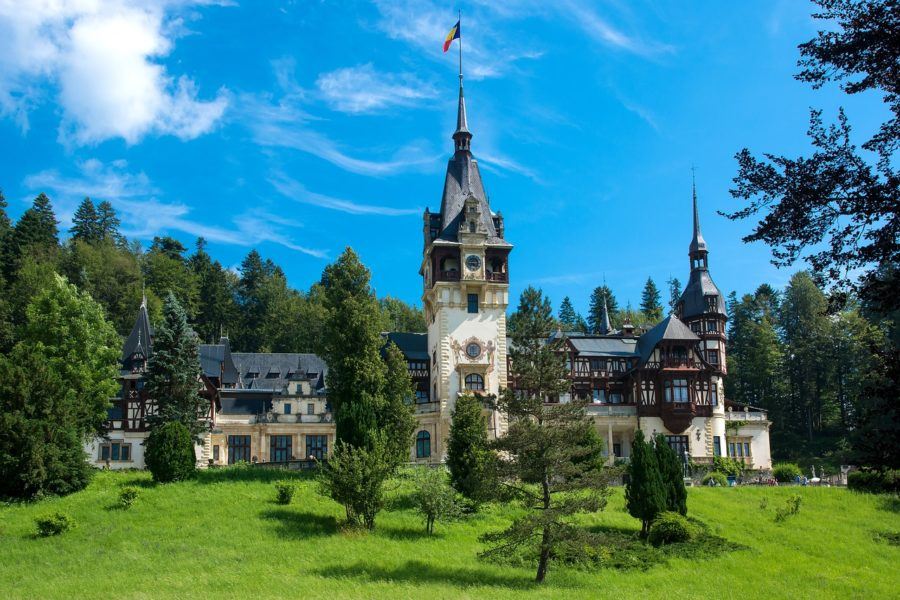
- Sinaia and Peles Castle: Situated in the foothills of the Bucegi Mountains, the resort town of Sinaia is dominated by Peles Castle. Built as a summer residence for the Romanian royal family in the late 19th century, this masterpiece of neo-Renaissance and Gothic Revival architecture boasts over 160 meticulously decorated rooms and stands as one of the most visited historical sites in the country.
- Busteni and the Bucegi Mountains: A premier destination for alpine hikers and mountaineers, Busteni offers cable car access up to the high-altitude plateaus of the Bucegi massif, famous for unique natural rock formations such as the Sphinx and Babele.
- Rasnov Citadel: Perched high on a rocky limestone crag overlooking the Tazla Basin, the 13th-century peasant fortress of Rasnov provides sweeping panoramic views of the Burzenland depression and historical exhibits detailing medieval defensive engineering.
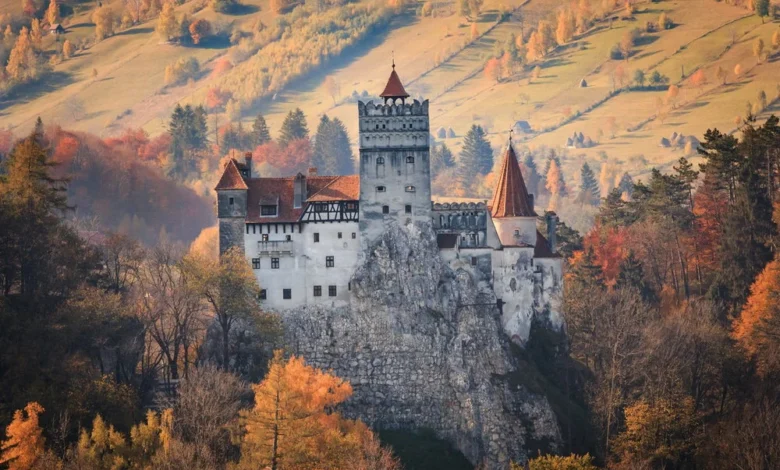
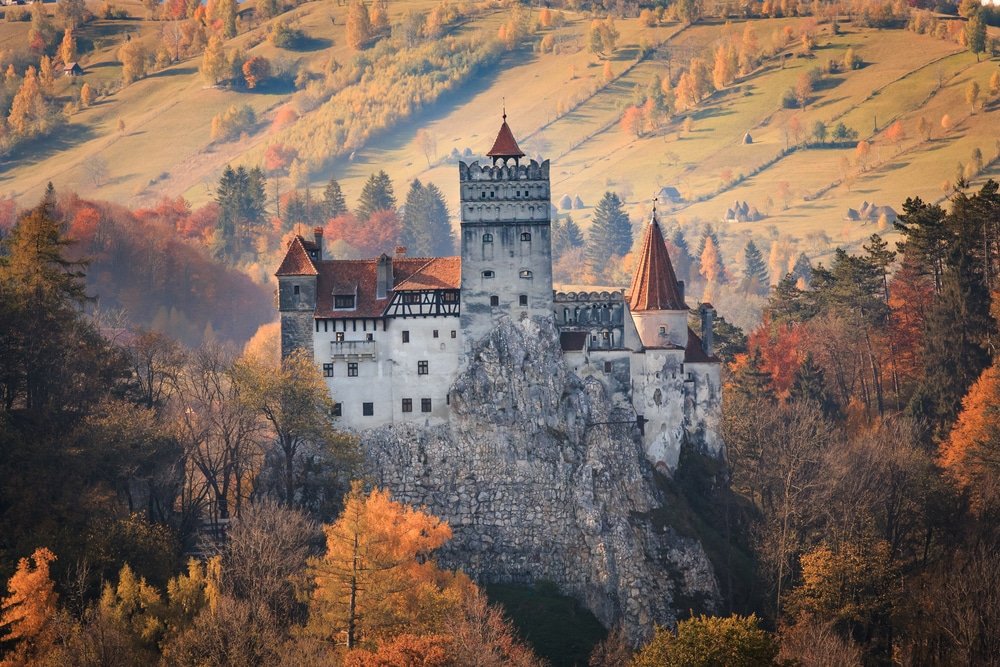
- Bran Castle: Often sensationalized globally as "Dracula’s Castle," this striking fortress perched on a sheer cliff edge commands deep historical significance tied to the Teutonic Knights and the royal family, drawing millions of cultural tourists annually.
Economic and Tourism Implications
The continued optimization of the Bucharest-Brașov transport corridor holds significant economic implications for the regional tourism sector. As local municipal governments invest in smarter traffic management systems, expanded parking infrastructure at major heritage sites, and modernized rail connections, the overall visitor experience continues to elevate Romania’s profile within the broader European travel market.
Industry analysts project that sustained infrastructure improvements will further decentralize tourism expenditure, encouraging visitors to spend additional nights in secondary towns like Sinaia and Predeal rather than treating the journey as a transient single-day excursion. By diversifying transport options and emphasizing the historical richness of the intervening landscape, the corridor functions not merely as a physical bridge between two cities, but as an immersive cultural pathway defining the modern Romanian travel experience.