Unlocking Italy’s Undiscovered Backroads: The Rise of Sustainable E-Bike Tourism in the Lazio Region

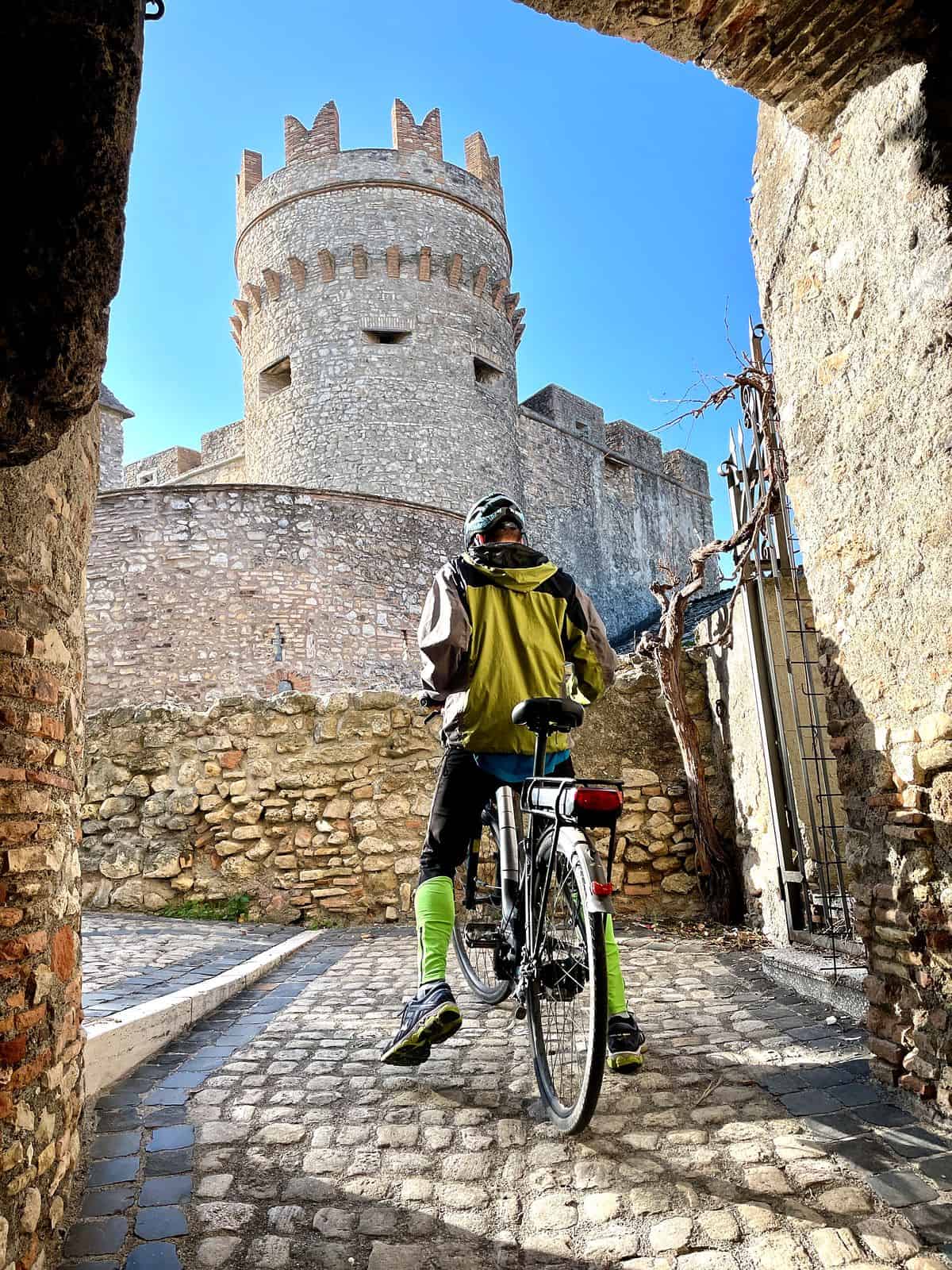
The Lazio region of central Italy, long overshadowed by the global tourism gravity of its regional capital, Rome, is stepping into a new era of slow and sustainable travel. Funded by the Lazio Region and spearheaded by initiatives like the Thybris River Experience—in collaboration with professional guides and cycling advocates such as Giorgia Cadinu—a comprehensive network of multi-day e-bike itineraries has been developed. These routes are designed to redirect modern travelers away from congested urban corridors and into the historically rich, ecologically diverse river valleys and medieval hill towns stretching from northern Tuscia to the Tyrrhenian Sea.
Geographically and culturally, Lazio occupies a unique transitional space. Flanked by the ritualistic Etruscan strongholds of Tuscany and Umbria to the north and the dynamic, Bourbon-influenced provinces of the south, the region derives its name from the Latin word latus, meaning "wide" or "broad." Historically referencing the low-lying plains surrounding Rome, this sense of expansive openness now defines an emerging tourism strategy: offering high-authenticity, low-impact exploration within an hour’s train ride of the Eternal City.
Structuring the Itineraries: A Three-Pronged Approach to Regional Tourism
The newly crafted eco-tourism framework divides Lazio into three distinct multi-day e-bike and cultural corridors, all deliberately designed to leverage regional rail networks and minimize the carbon footprint of visitors. The routes—historically and mythologically codified as Pomona (Tuscia and Teverina), Bona Dea (Tevere-Farfa Reserve and Nazzano), and Leucotea and Egeria (Ostia Antica, Fiumicino, and Isola Sacra)—focus on community-based tourism, local artisans, organic agriculture, and lesser-known archaeological sites.

1. Tuscia and Teverina: Hill Towns, Volcanic Wines, and Restored Manors
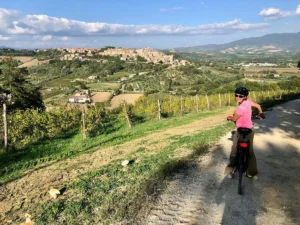
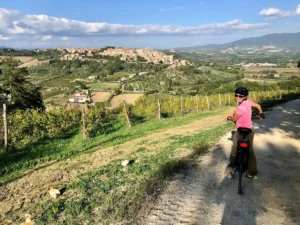
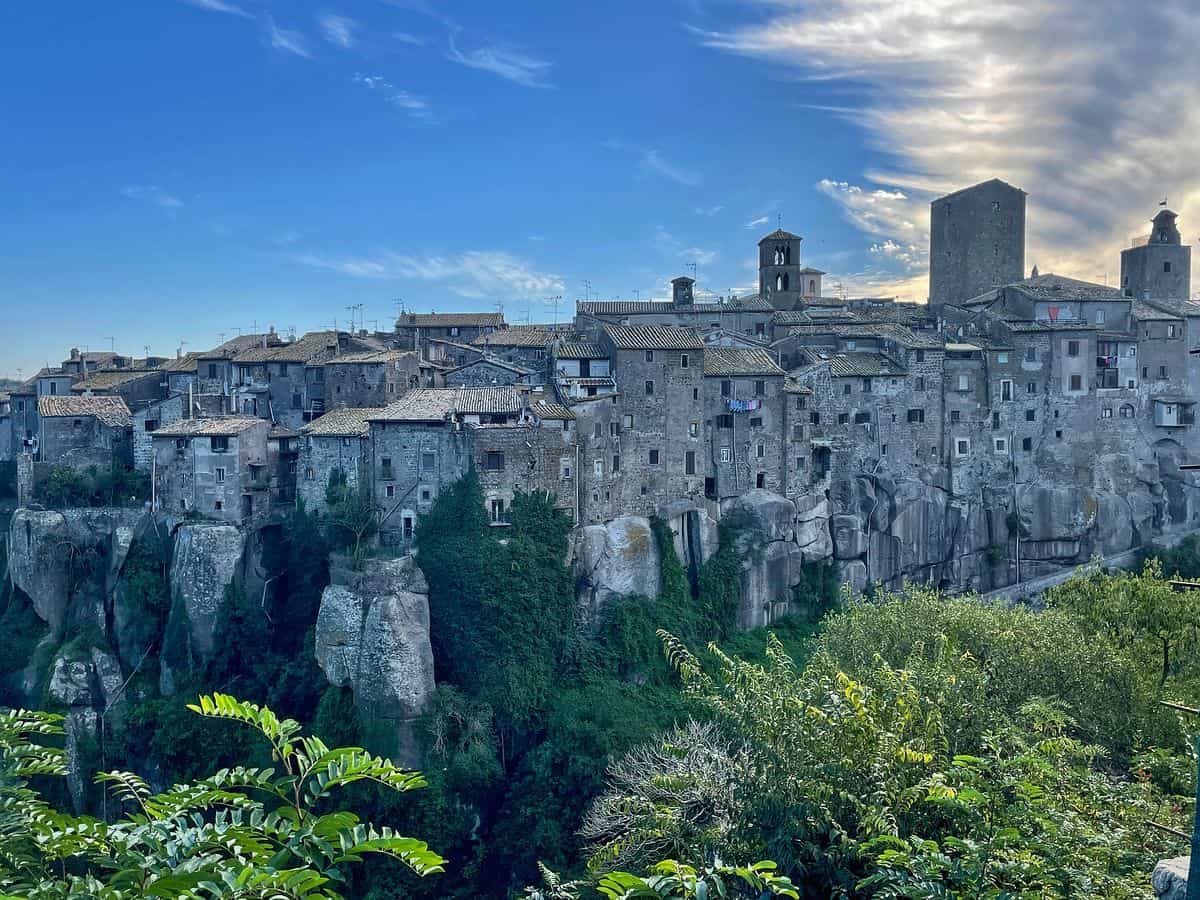
Situated in northern Lazio near the Umbrian and Tuscan borders, the Tuscia and Teverina districts offer a landscape defined by rolling hills, deep river valleys, and volcanic soils. E-bike travelers navigate a chain of medieval hill towns perched dramatically on tufa cliffs, including Civitella d’Agliano, Celleno, Roccalvecce, Sipicciano, and Vitorchiano. Unlike their counterparts in neighboring Tuscany, these communities remain largely free of mass-tourism congestion.
Agricultural innovation paired with historical preservation forms a cornerstone of the Tuscia itinerary. Winemaking in the area capitalizes on mineral-rich volcanic terroir, exemplified by sustainable operations like the Trebotti winery. Operating on family-owned land for over two decades, Trebotti utilizes ancient Etruscan cellars, lightweight glass packaging, and indigenous grape varieties such as Grechetto and Violone (the local variant of Montepulciano d’Abruzzo) to achieve certified organic status.

Cultural preservation is equally prominent at Il Mulino dei Mestieri (The Mill of Craftsmen) in Civitella d’Agliano, where curators Alessia and Daniele house a collection of restored 20th-century working bicycles. These vintage machines illustrate the ingenuity of an era when essential village services—from knife sharpening to obstetrics—depended entirely on pedal power.

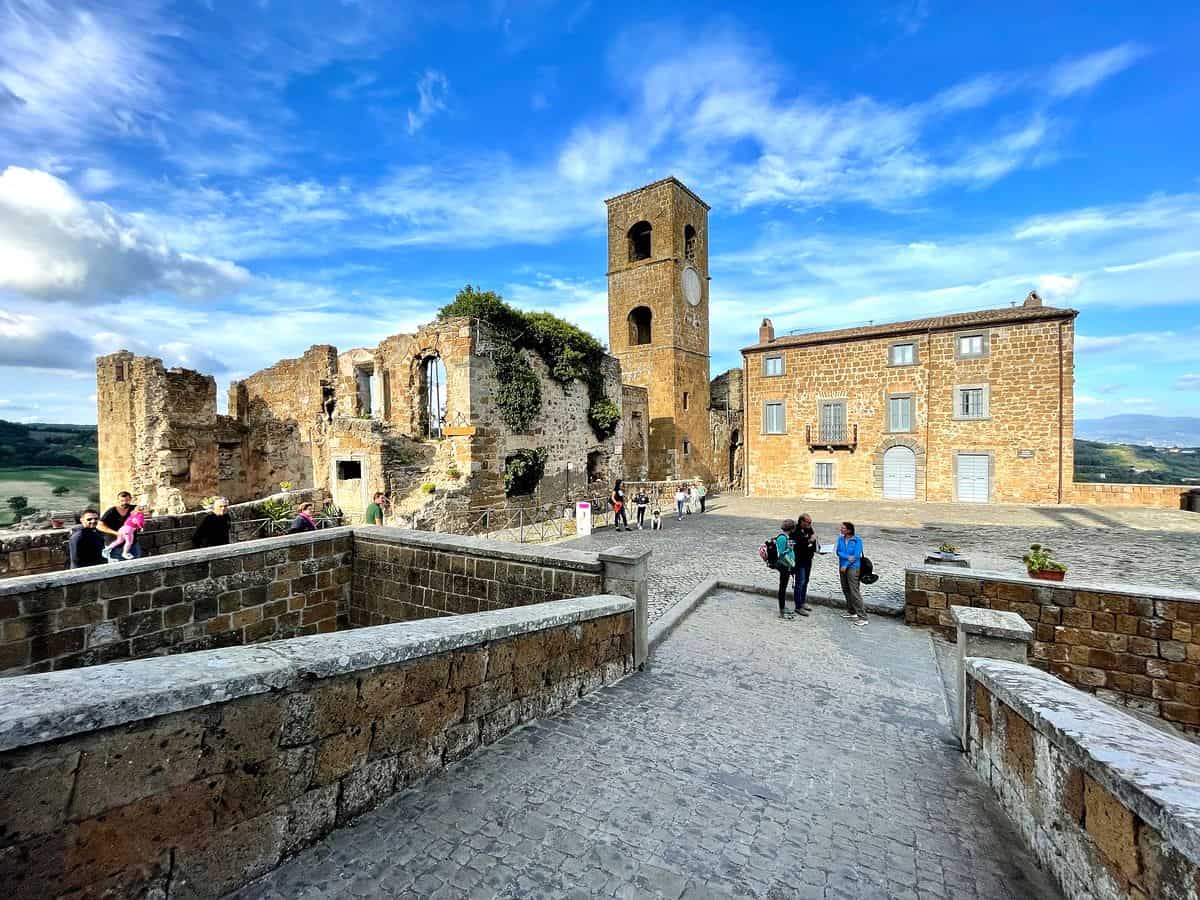
Further north lies Celleno, locally known as Il Borgo Fantasma (the Ghost Town). Abandoned following a series of mid-20th-century earthquakes and landslides, the historic settlement has been partially converted into an open-air museum. Visitors can explore medieval structures alongside historical exhibitions, including a multi-story 800-year-old medieval refuse tunnel that offers archaeological insight into historical consumption patterns.

Accommodation within the district emphasizes architectural restoration and heritage continuity, featuring properties such as the 18th-century Villa Lais near Sipicciano, painstakingly restored by artist-proprietor Maddalena over a ten-year period.

2. Tevere-Farfa Reserve and Nazzano: River Ecosystems and 20th-Century History
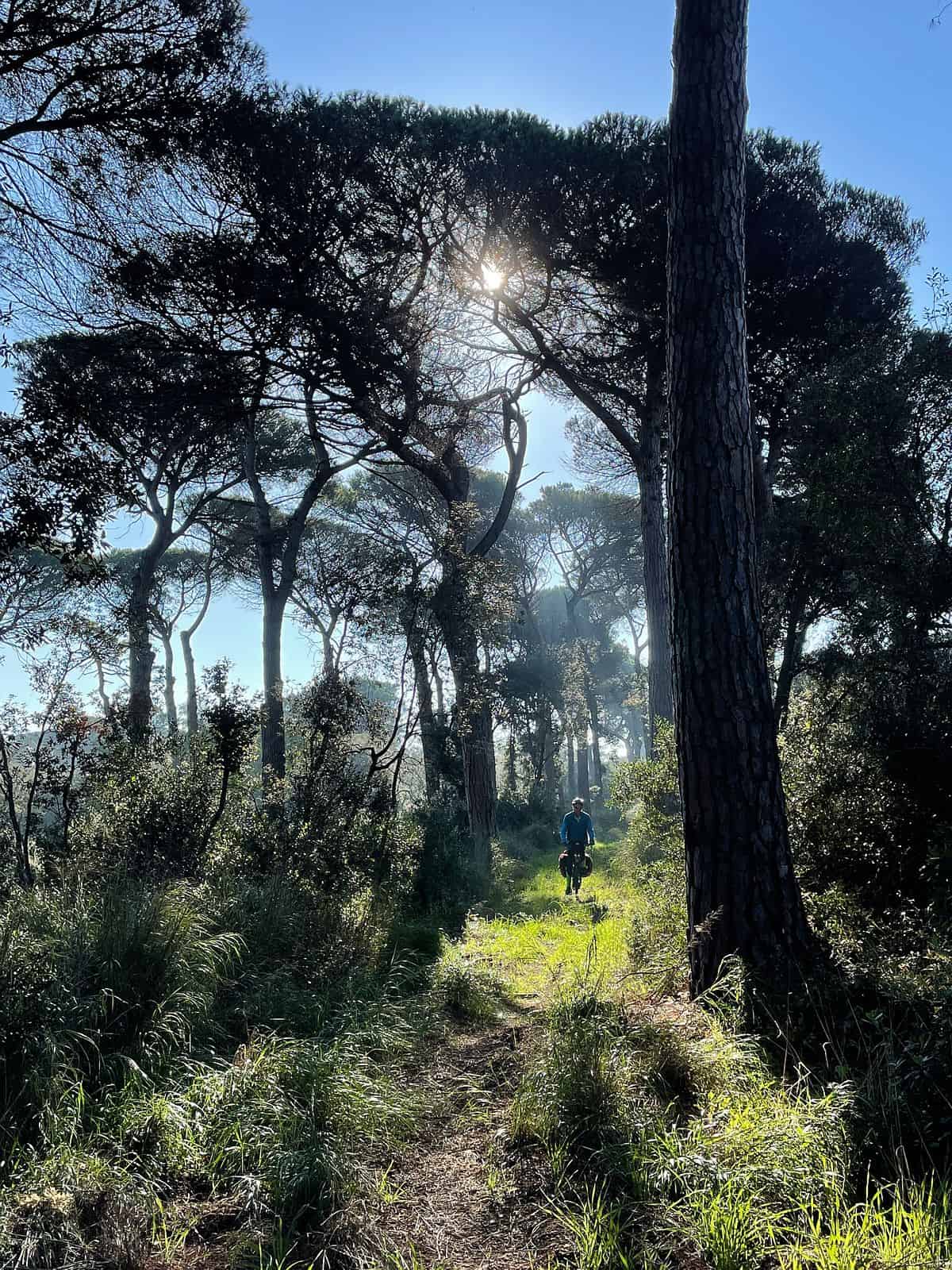
Moving southward along the Tiber River valley, the Tevere-Farfa Natural Reserve represents Lazio’s pioneering protected wetland area. Established to preserve the river’s ecological corridors, the reserve supports a diverse array of wildlife, including migratory birds, grey herons, egrets, and expanding populations of wild boar.

Recreational access through the reserve combines canoeing, hiking, and cycling along community-maintained trails. Tourism infrastructure within the park is decentralized, anchored by sites like Ecoturismo Tevere Farfa—situated on a former organic farm cooperative—which functions as an educational and environmental hub.

The surrounding municipalities blend natural conservation with complex 20th-century history. Near the town of Sant’Oreste, Mount Soratte conceals Bunker Soratte, a four-kilometer subterranean military complex carved into the rock by Italian engineers between 1937 and 1939. Originally commissioned by Benito Mussolini as a bomb shelter, the facility was subsequently seized by Nazi Germany under Field Marshal Albert Kesselring to serve as the Supreme Command of the South during World War II. During the Cold War, sections of the complex were repurposed as a nuclear fallout shelter for high-ranking Italian government officials. Today, the site operates as a historical memorial managed by local preservation groups, offering public tours that document the sobering realities of the mid-20th century.

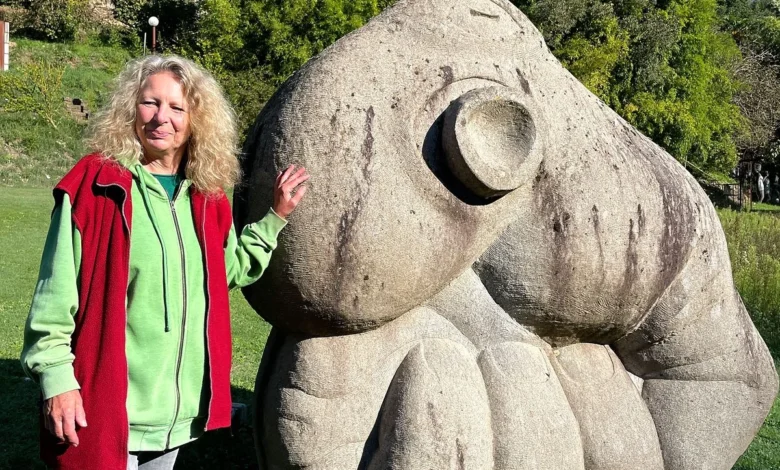
Artistic expression also intersects with the landscape in this corridor. In Ponzano Romano, octagonal studios host veteran artists such as Michele Longo, while the Fondazione Serpone in Torrita Tiberina integrates contemporary sculpture gardens with provocative architectural interventions, most notably a chapel designed by Austrian philosopher-artist Hermann Nitsch.

3. Rome’s Edge: Maritime Roots at Ostia, Fiumicino, and Isola Sacra
The final corridor bridges antiquity and the modern Mediterranean coast, focusing on the historical maritime trade hubs that sustained imperial Rome. While global tourists concentrate on the Colosseum and the Roman Forum, the coastal fringes of Lazio host archaeological complexes of equal structural significance and significantly lower visitor density.

At Ostia Antica, the exceptionally well-preserved ruins of Rome’s ancient port city provide a direct window into urban life during the Roman Empire, featuring intact mosaic floors, multi-story insulae (apartment blocks), and commercial food stalls. A short distance away lies Portus, the monumental imperial harbor complex established by Emperors Claudius (42 AD) and Trajan (100 AD). Though shifting geography has left the ancient artificial hexagonal basin three kilometers inland from the modern Mediterranean coastline, Portus was once the primary maritime logistics center supplying grain and goods to Rome via the Tiber River.
Adjacent to Portus is the Necropolis of Portus in Isola Sacra, a 1st-century AD cemetery preserving the distinct burial architecture of Roman citizens, ranging from elaborate mosaic-lined mausoleums for the wealthy to dense columbaria for port workers and artisans.

The integration of past and present in this zone extends to local gastronomic and environmental initiatives. Restaurants such as QuarantunoDodici in Fiumicino and Bioagricola Traiano emphasize short-supply-chain dining, utilizing fresh seafood from the Tyrrhenian Sea and organic produce harvested adjacent to the dining terraces. Furthermore, conservation projects like the LIPU Oasis in Ostia—transforming a former municipal waste site into a thriving wetland over the past twenty years—demonstrate the tangible impacts of ecological restoration on suburban biodiversity.

Implications and Economic Outlook
The systematic promotion of Lazio’s non-urban itineraries marks a calculated shift in Italian regional tourism policy. For decades, infrastructure investment has concentrated heavily on primary art cities, leading to acute over-tourism in Rome, Florence, and Venice. By developing integrated e-bike trails, supporting organic agricultural cooperatives, and revitalizing lesser-known historical assets, regional authorities aim to distribute economic benefits more equitably across rural municipalities.

The integration of slow-travel infrastructure—relying on regional rail connectivity, zero-emission electric bicycles, and locally sourced gastronomy—establishes a scalable model for sustainable tourism development. As international travelers increasingly seek out low-impact, high-immersion experiences, Lazio’s wide-open backroads offer a compelling blueprint for balancing heritage preservation with modern rural regeneration.
Related posts: