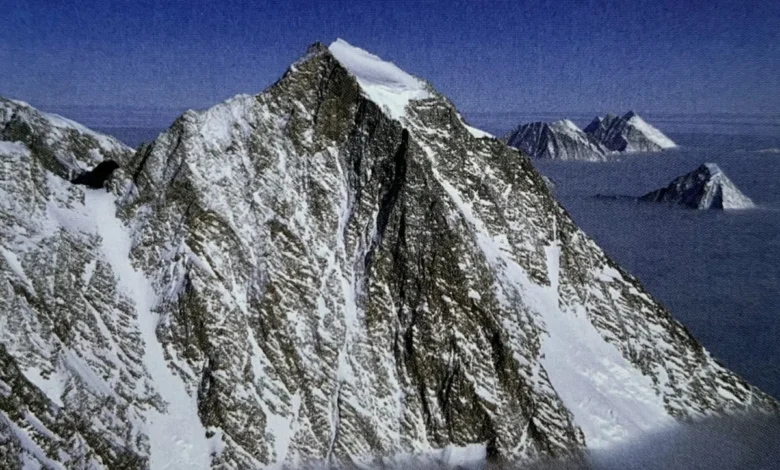
While thousands of mountaineers flock to the icy slopes of Mount Vinson—the highest point on the Antarctic continent—a mere 13 kilometers away, Mount Tyree remains in a state of near-total seclusion. Standing at 4,852 meters, this formidable peak in the Sentinel Range of the Ellsworth Mountains is only 40 meters shorter than its more famous neighbor. Yet, while Vinson has seen over 500 attempts since 2022 alone, Mount Tyree has not seen a single visitor. This disparity highlights a stark divide in the world of high-altitude mountaineering: the difference between a high-altitude trek and a high-stakes, technical alpine expedition.
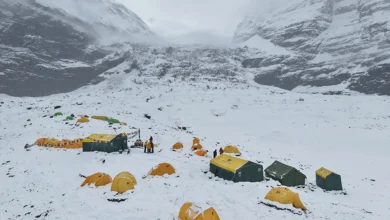
The logistical barrier to entry is the first hurdle. Access to the Sentinel Range requires a complex, multi-stage journey. Climbers typically fly to the Union Glacier Camp, a remote hub operated by Antarctic Logistics & Expeditions (ALE). From there, a specialized ski-equipped aircraft must navigate the treacherous weather patterns of the interior to deposit teams at the base of the mountain. While the infrastructure at Vinson is bolstered by a consistent, seasonal flow of commercial expeditions that share costs and resources, Tyree operates in a vacuum. A trip to Tyree requires a bespoke logistical arrangement, driving costs significantly higher than the standard $55,000 price tag associated with a Vinson ascent.
Beyond the financial requirements, the physical demands of Tyree dictate a specialized approach. Whereas Vinson is widely considered a climbable peak for those with fundamental mountaineering skills—often relying on fixed ropes and established snow-and-glacier routes—Tyree is an unforgiving arena of vertical rock, ice, and extreme exposure. The necessity for a high guide-to-client ratio, often as extreme as four guides for a single client, underscores the inherent danger of the terrain.
A Chronology of Exploration: The Rare Few
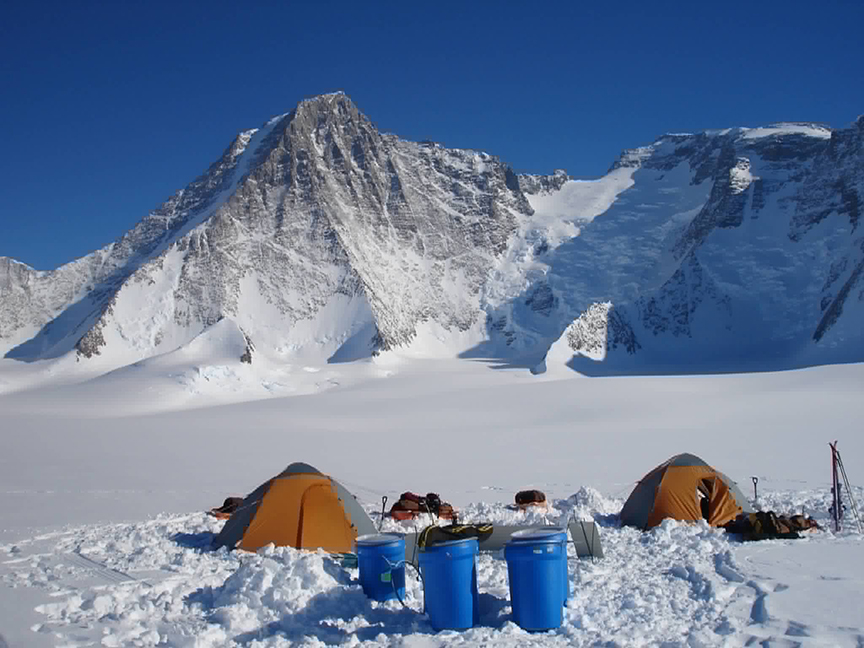
The history of Tyree is defined by brevity and brilliance. Since the first ascent in 1967, only 25 individuals have stood on its summit across eight distinct expeditions. The mountain’s history is a map of bold, technical innovation rather than a record of commercial tourism.
The inaugural ascent was achieved on January 6, 1967, by Barry Corbet and John Evans, members of the American Antarctic Mountaineering Expedition. Their route, the Northwest Ridge, remains a testament to the era’s pioneering spirit, requiring a complex traverse from neighboring Mount Gardner and the use of fixed ropes to manage the descent into the treacherous col separating the two peaks.
The mountain remained untouched for over two decades until the legendary Mugs Stump returned in November 1989. His solo ascent of the West Face is widely regarded as one of the most significant achievements in Antarctic history. Climbing 2,500 meters of steep rock and ice alone, Stump set a standard for technical proficiency that has rarely been challenged since.
The late 1990s saw a flurry of activity that briefly brought Tyree into the spotlight. In November 1997, French military climbers Antoine de Choudens and Antoine Cayrol established the "Grand Couloir" on the northeast face. Just weeks later, on December 16, 1997, the legendary pairing of Conrad Anker and Alex Lowe repeated the route. Anker’s subsequent assessment of the two mountains—describing Vinson as an "intermediate ski run" in comparison to the technical demands of Tyree—remains the definitive comparison for modern alpinists.
The Technical Reality of the Grand Couloir
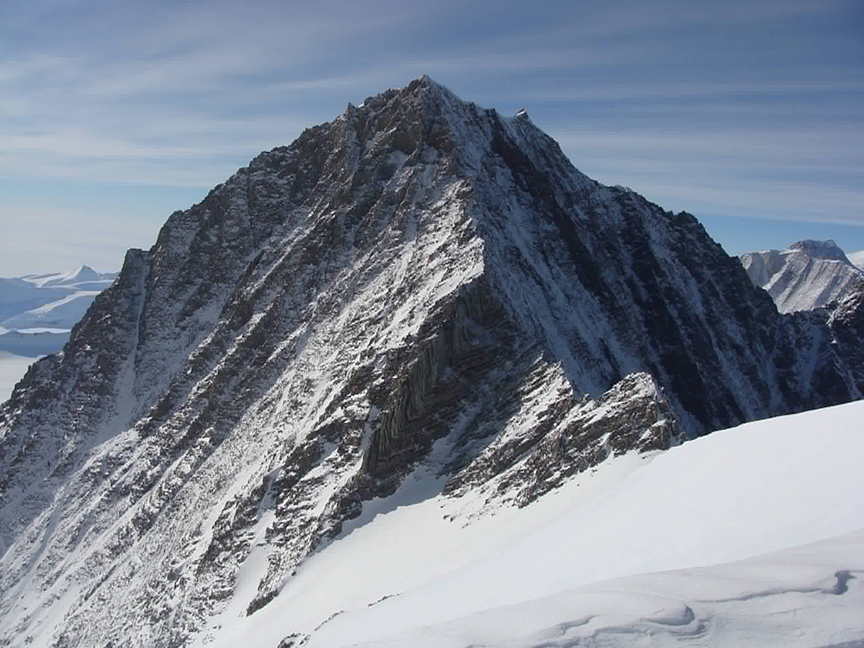
The Grand Couloir has emerged as the unofficial "normal" route for the few who attempt the peak, though the term is misleading. The route involves approximately 2,400 meters of climbing through a mix of snow, ice, and rock. However, the difficulty is highly variable, dictated entirely by the season’s unique climatic conditions.
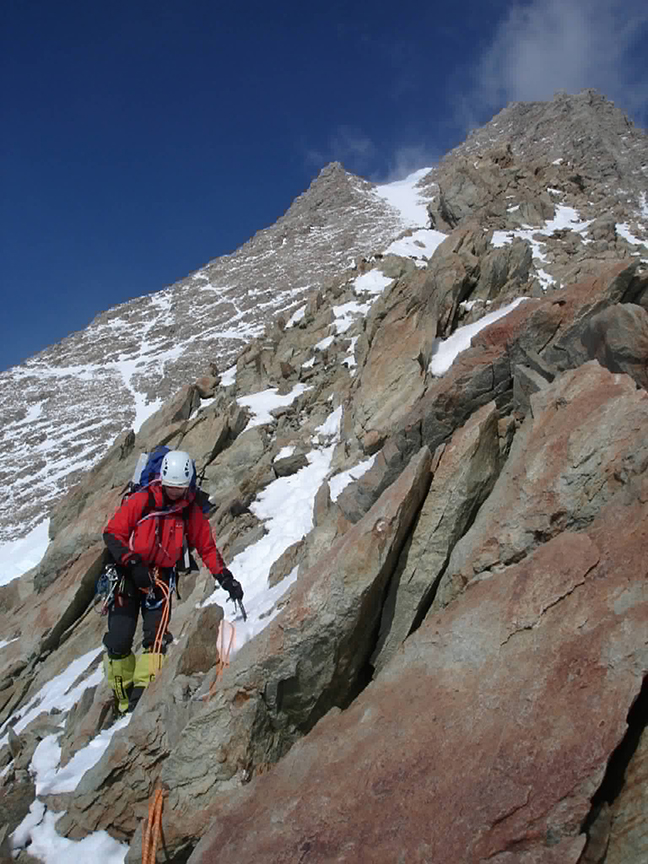
Data from the 2012 and 2017 expeditions illustrate this volatility. In 2012, a team consisting of Hans Kammerlander, Robert Miller, and Christian Stangl experienced favorable, stable snow, completing the round trip from high camp in 13 hours. By contrast, the 2017 expedition, led by Rick Thurmer, faced a gauntlet of hard ice and sub-zero temperatures that pushed the round-trip time to 25 hours. The descent alone required 12 hours of grueling rappelling and downclimbing in conditions that dipped below -34°C. These variables make every attempt on Tyree a gamble against the mountain’s erratic, frigid environment.
Comparative Analysis: Vinson vs. Tyree
The disparity between the two peaks is not merely one of altitude, but of philosophy. Mount Vinson is the trophy of the "Seven Summits" circuit, a destination that attracts a global demographic of hobbyist climbers. Its route is maintained with fixed ropes and a level of safety infrastructure that mitigates the most extreme risks.
Mount Tyree, by contrast, is a mountain for the specialist. The following table summarizes the operational differences:
| Feature | Mount Vinson | Mount Tyree |
|---|---|---|
| Altitude | 4,892m | 4,852m |
| Primary Challenge | Glacier/Snow (Intermediate) | Steep Ice/Rock (Advanced) |
| Safety Infrastructure | Maintained Fixed Ropes | None (Alpine style) |
| Climbing Style | Commercial/Guided | Technical Specialist |
| Accessibility | Seasonal Regularity | Bespoke Logistics Only |
Implications and the Future of Antarctic Climbing
The lack of activity on Mount Tyree since the 2022 ascent by Jennifer Drummond—the second woman and first U.S. woman to summit the peak—suggests that the mountain is increasingly perceived as a "purist’s" objective. As climate patterns in Antarctica continue to shift, the stability of the Grand Couloir remains a concern for future expeditions. Experts suggest that as ice conditions become more unpredictable due to warming, the technical difficulty of the route could increase, potentially rendering the "normal" route significantly more hazardous.
Furthermore, the "Seven Second Summits" challenge—a list composed of the second-highest peaks on each continent—remains a major motivator for the world’s elite alpinists. Mount Tyree serves as the linchpin of this list. While the peak is currently dormant, it remains a focal point for those looking to push the boundaries of what is possible in the world’s harshest environment.
One of the final frontiers of the continent remains the gargantuan, unclimbed south face of Tyree. Spanning over 2,000 meters of vertical rock and ice, it represents one of the largest and most dangerous objectives in the Antarctic interior. While the global climbing community has largely turned its focus toward high-altitude peaks in the Himalayas or the technical walls of the Andes, Mount Tyree sits in silence, waiting for the next generation of climbers to test their mettle against its frozen, inaccessible heights.
Ultimately, the "forgotten" status of Mount Tyree is not a sign of its lack of importance, but rather a testament to its status as a mountain that refuses to be tamed by commercial convenience. It remains a stark, beautiful, and profoundly dangerous reminder of the limits of human endurance in the high south.