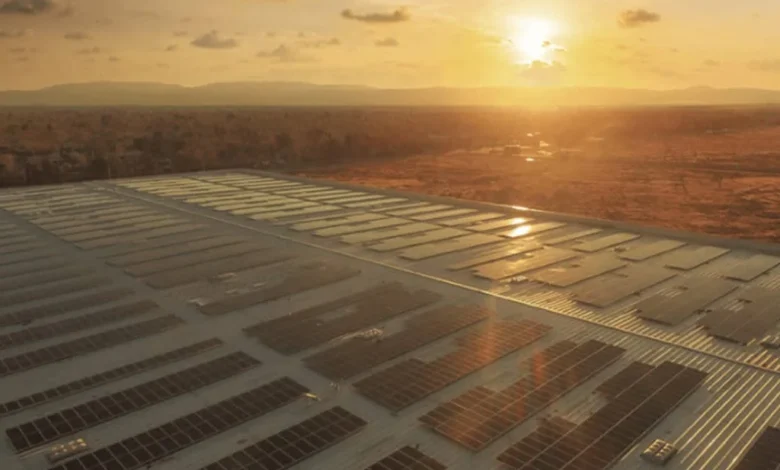
Australia’s energy landscape is undergoing a profound transformation, shifting from a historical reliance on coal and gas to becoming a global leader in renewable energy adoption. According to recent data from the Department of Climate Change, Energy, the Environment and Water, renewable electricity generation across the continent has more than doubled over the last decade. This surge is further corroborated by the Clean Energy Council’s 2026 Clean Energy Report, which indicates that over 40% of Australia’s total electricity is now derived from renewable sources, including biomass, solar, wind, and hydroelectric technologies. This transition is not merely a policy-driven initiative but a consumer-led revolution, as millions of households and businesses pivot toward clean energy to combat soaring utility costs and achieve energy independence.
The Macroeconomic Shift Toward Decarbonization
The rapid growth of the Australian clean energy sector is underpinned by a combination of favorable geography, technological advancement, and economic necessity. Australia possesses some of the highest solar radiation levels in the world, making rooftop solar a highly logical investment for the average homeowner. However, the market has evolved beyond simple solar panel installation. The current phase of the transition focuses on energy storage and management, allowing users to capture excess energy generated during peak sunlight hours for use during the evening or during grid outages.
For many years, renewable energy was viewed through an ideological lens, often dismissed as a "feel-good" luxury for the environmentally conscious. Today, the narrative has shifted toward practicality and financial prudence. As traditional energy prices fluctuate due to global geopolitical tensions and the aging infrastructure of fossil-fuel power plants, renewable solutions offer a hedge against inflation. For Australian residents, the availability of high-quality energy storage and solar products has made the transition more accessible and affordable than at any point in history.
A Chronology of Australia’s Renewable Growth
The journey toward the current 40% renewable milestone began in earnest in the early 2010s, spurred by the introduction of various state-based feed-in tariffs and the federal Renewable Energy Target (RET). By 2017, the cost of solar technology had dropped significantly enough to trigger a "gold rush" in rooftop solar installations. By 2020, Australia had reached a point where rooftop solar alone could occasionally meet 100% of the electricity demand in certain states, such as South Australia, for brief periods.
As of 2024 and heading into 2026, the focus has shifted toward the "firming" of renewable energy. This involves the deployment of large-scale batteries and domestic storage solutions to manage the intermittent nature of solar and wind power. The federal government’s "Rewiring the Nation" program and various state-level incentives for home battery systems have created a robust market for clean energy brands. This chronology highlights a move from mere generation to sophisticated storage and grid management.
5 Standout Brands Leading the Australian Market
In this competitive landscape, five brands have distinguished themselves through innovation, reliability, and market penetration. These companies offer a range of solutions from entry-level storage to premium, high-efficiency solar technology.
1. VoltX Energy: Local Focus and Reliability
VoltX Energy has carved out a significant niche by focusing specifically on the Australian and New Zealand markets. Unlike global conglomerates that may offer a "one-size-fits-all" product, VoltX designs its home battery systems to withstand the unique environmental challenges of the Southern Hemisphere, including extreme heat and fluctuating humidity.
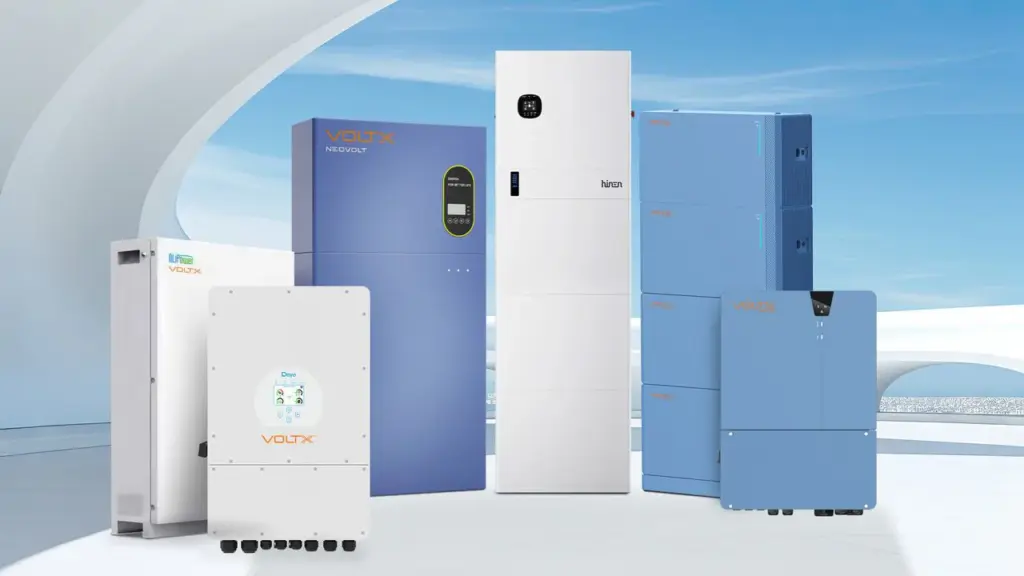
The brand’s reputation is built on making energy storage practical. Their systems are known for being "plug-and-play," integrating seamlessly with existing solar arrays. This is a critical factor for the millions of Australians who already have solar panels installed but lack the storage capacity to maximize their investment. By offering locally backed support and a range of products that span from basic backup units to comprehensive home energy management systems, VoltX remains a primary choice for consumers seeking a balance between performance and local accountability.
2. Tesla Energy: The Ecosystem Approach
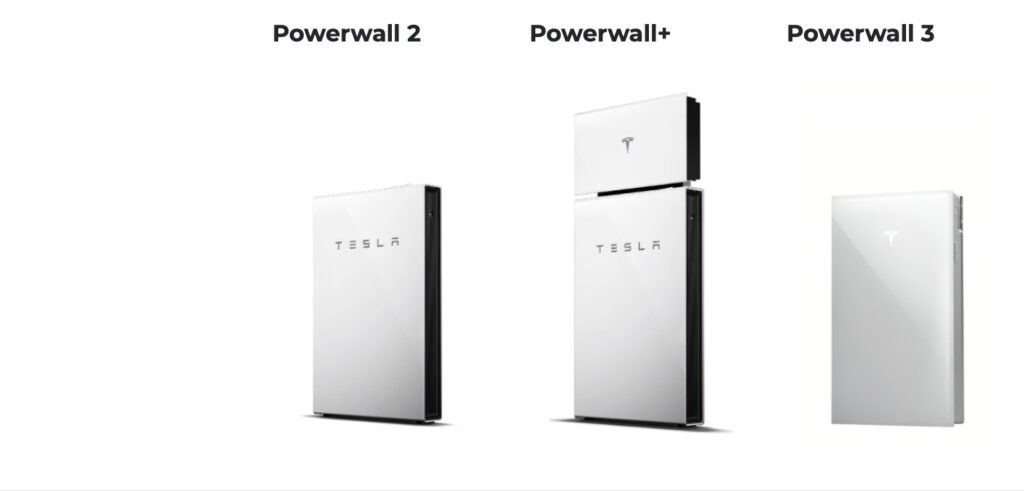
Tesla’s Powerwall remains the benchmark for aesthetic design and software integration in the home battery space. The introduction of the Powerwall 3 has further solidified its position, combining a solar inverter and a battery into a single, streamlined unit. This integration reduces installation complexity and improves overall system efficiency by minimizing energy loss during the conversion process.
The primary appeal of Tesla Energy lies in its broader ecosystem. Homeowners who own Tesla electric vehicles (EVs) or utilize Tesla’s solar roof tiles can manage their entire energy profile through a single mobile application. While the brand carries a premium price tag, its sophisticated software—which can automatically switch a home to battery power during a blackout or optimize energy usage based on real-time electricity prices—makes it a compelling long-term investment for tech-savvy households.
3. SunPower: High-Efficiency Solar Technology
While batteries are essential for storage, the efficiency of the generation source remains paramount. SunPower is widely regarded as an industry leader in solar panel durability and output. Utilizing Maxeon cell technology, SunPower panels generate more electricity per square meter than standard conventional panels. This is particularly advantageous for urban Australian homes with limited roof space.
SunPower’s business model emphasizes longevity. Their panels are backed by some of the most extensive warranties in the industry, often covering 25 to 40 years of performance. For investors and homeowners, this long-term reliability justifies the higher upfront cost, as the total energy yield over the life of the system significantly outperforms cheaper alternatives.
4. Fronius: The Backbone of Solar Systems
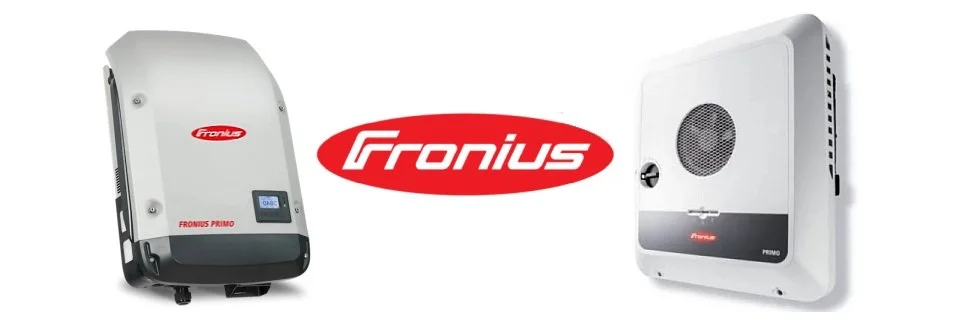
Based in Austria, Fronius is often referred to as the "installer’s favorite." While panels and batteries receive most of the consumer attention, the inverter is the critical component that converts DC electricity from panels into usable AC electricity for the home. Fronius inverters are celebrated for their "SnapINverter" technology, which allows for easy servicing and upgrades.
Beyond hardware, Fronius has invested heavily in smart monitoring. Their "Solar.web" platform provides users with granular data on their energy production and consumption habits. This data-driven approach allows households to identify "energy leaks" and adjust their appliance usage to coincide with peak solar production, further driving down utility bills.
5. BYD: Scalability and Safety
Build Your Dreams (BYD) has transitioned from a battery manufacturer for mobile devices and EVs to a dominant force in home energy storage. Their "Battery Box" range is unique due to its modular design. Consumers can start with a modest storage capacity and add additional battery modules as their budget allows or as their energy needs grow—such as after purchasing an EV or adding a pool heater.
Technologically, BYD utilizes Lithium Iron Phosphate (LFP) chemistry. LFP is increasingly preferred over the Nickel Manganese Cobalt (NMC) chemistry found in some other brands because it offers superior thermal stability and a longer cycle life. This makes BYD an attractive option for safety-conscious consumers who want a "workhorse" battery that can perform reliably over thousands of charge cycles.
Strategic Factors for Consumers and Businesses
Choosing between these brands requires an analysis of several variables. Industry experts, including those from the International Energy Agency (IEA), suggest that the global shift to renewables is accelerating faster than any previous energy transition. However, for the individual consumer, the decision-making process should be grounded in four key areas:
- Energy Profile: Households with high evening usage require larger storage capacities (like BYD or Tesla), while those with limited roof space should prioritize high-efficiency panels (like SunPower).
- Compatibility: If a home already has a solar setup, choosing a battery that integrates easily with existing inverters (like VoltX) can save thousands in installation costs.
- Financial Objectives: Consumers looking for the fastest Return on Investment (ROI) may lean toward cost-effective brands like BYD, whereas those looking for long-term property value increases may opt for premium brands like Tesla or SunPower.
- Grid Independence: For those aiming to go "off-grid" or participate in Virtual Power Plants (VPPs), smart software and high discharge rates are essential features.
Resources such as EnergySage have become vital for the Australian public, allowing for side-by-side comparisons of these technologies. As the market matures, the transparency of pricing and performance data continues to improve, empowering consumers to make data-backed decisions.
Broader Implications and Industry Analysis
The proliferation of these brands signifies a broader shift in the Australian economy. The "decentralization" of the power grid means that instead of relying on a few massive power stations, the grid is increasingly supported by millions of small "power plants" on residential rooftops. This shift enhances grid resilience but also presents challenges for network operators who must manage the bidirectional flow of electricity.
Official responses from the Clean Energy Council emphasize that for Australia to reach its 2030 targets, the pace of storage installation must continue to climb. Industry analysts suggest that the next frontier will be the integration of Vehicle-to-Grid (V2G) technology, where EV batteries act as secondary storage for the home. Brands like Tesla and BYD are already positioning themselves to lead this integration.
The economic impact is equally significant. The clean energy sector is a major driver of job creation in Australia, particularly in regional areas where large-scale wind and solar farms are situated. Furthermore, by reducing the nation’s reliance on imported fuels, the transition strengthens Australia’s energy sovereignty.
Final Perspectives on the Energy Transition
The clean energy market in Australia is no longer a niche sector; it is a robust, competitive, and essential part of the national infrastructure. Whether through the local reliability of VoltX Energy or the global technological prowess of Tesla and SunPower, Australians have access to world-class solutions for their energy needs.
The transition to a renewable-heavy grid is a complex undertaking, but the success of these five brands demonstrates that the technology is ready for mainstream adoption. As warranties lengthen, efficiencies improve, and costs continue to stabilize, the argument for sticking with traditional energy sources becomes increasingly difficult to sustain. For the modern Australian household, the question is no longer if they should switch to clean energy, but which brand will best power their future. The era of the "prosumer"—the consumer who also produces—has officially arrived, and these brands are the architects of that new reality.
Related posts: