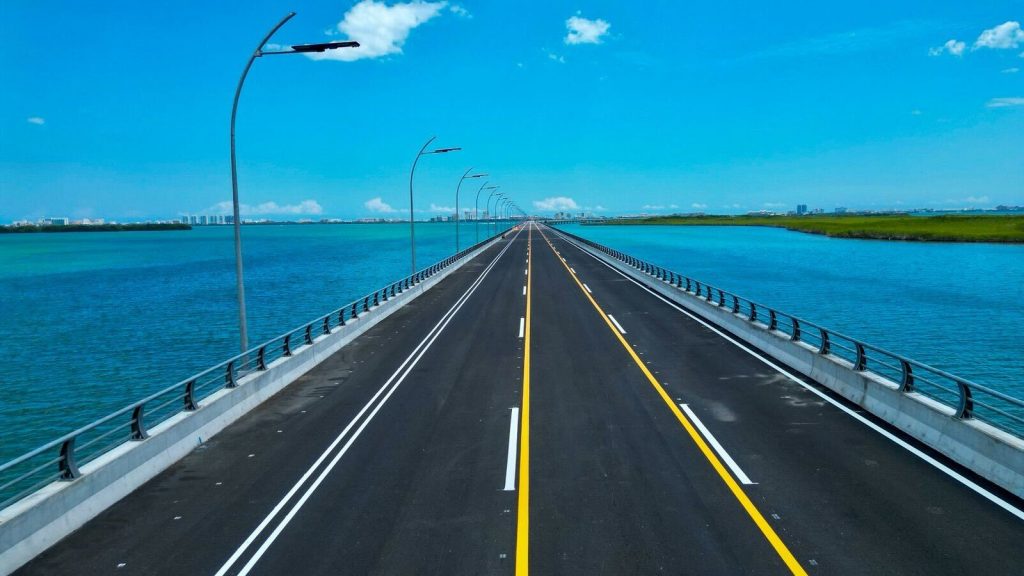
The completion of the Nichupté Bridge stands as a landmark achievement in the infrastructure development of the Mexican Caribbean, offering a strategic solution to the chronic traffic congestion that has long plagued the corridor between downtown Cancún and the renowned Hotel Zone. As the region grapples with record-breaking tourism growth, this massive engineering project serves as a critical artery, designed to streamline transit for millions of annual visitors and local residents alike. By providing a direct, efficient link across the Nichupté Lagoon, the bridge effectively bypasses the bottlenecked Kukulcán Boulevard, fundamentally altering the logistics of movement within one of the world’s most frequented travel destinations.
Project Background and Infrastructure Specifications
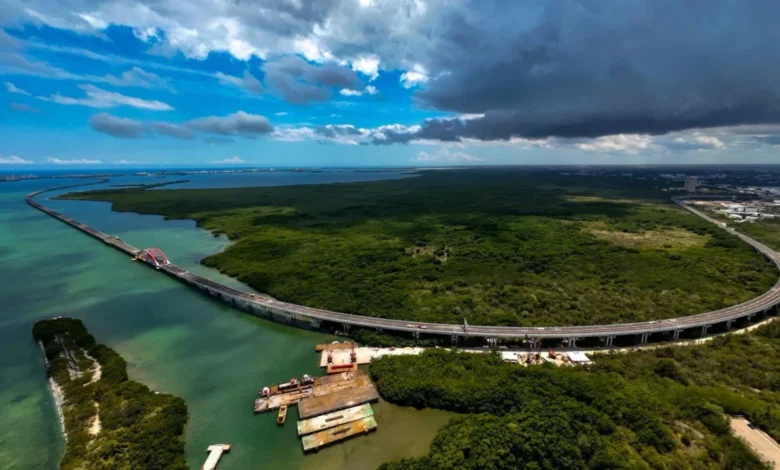
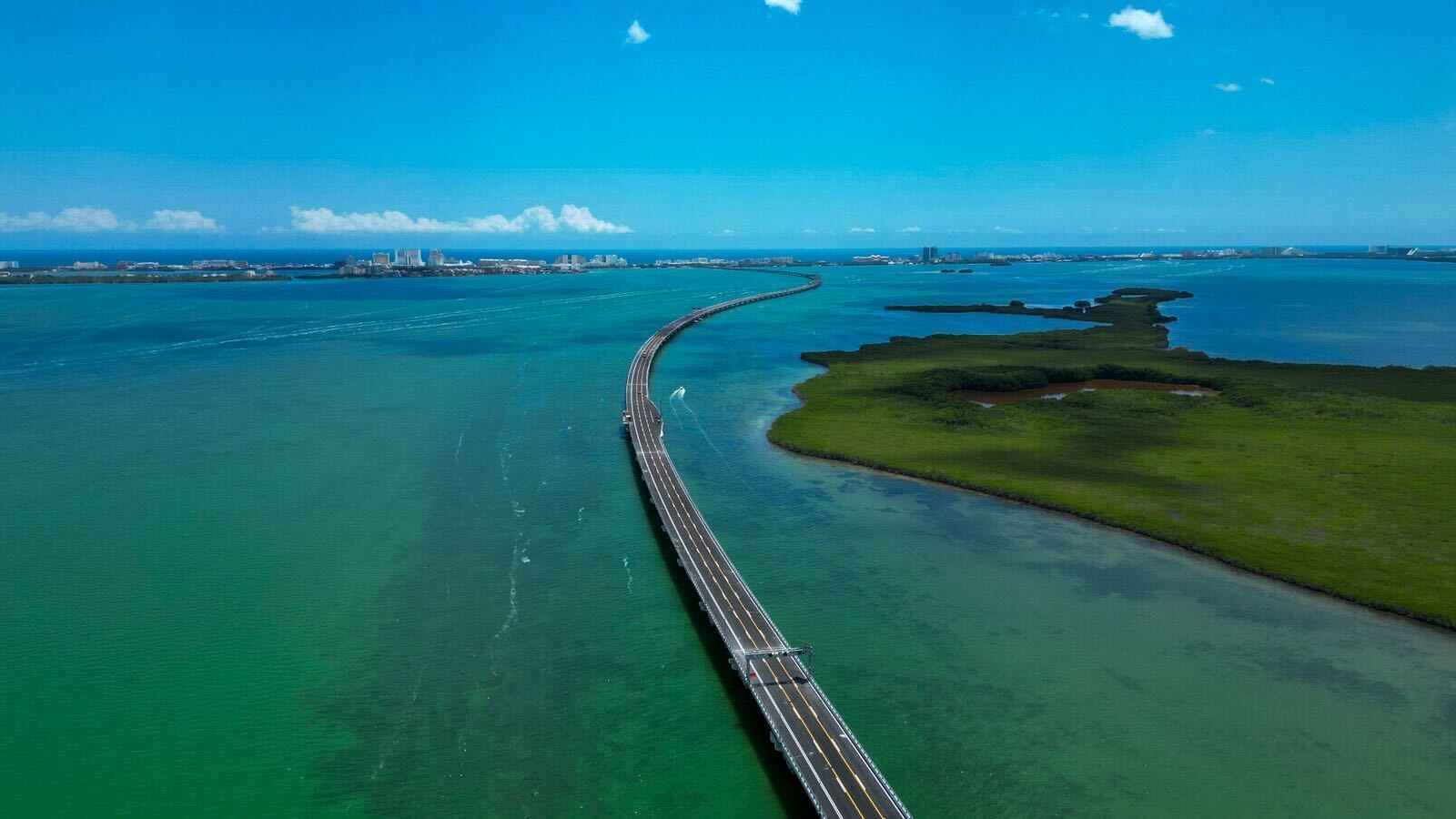
The Nichupté Bridge, often referred to in engineering circles as the "Nichupté Vehicular Bridge," is an ambitious infrastructure endeavor spanning approximately 8.8 kilometers. The project was conceived to address the singular point of failure in Cancún’s transport network: the reliance on a single main road for access to the hotel strip. Historically, any traffic accident, construction, or peak-season surge on Kukulcán Boulevard would result in gridlock, trapping travelers for hours and complicating the daily commutes of thousands of hotel workers.
The construction phase, which spanned several years, involved complex environmental mitigation efforts due to the sensitive ecosystem of the Nichupté Lagoon. The project design integrates sustainable engineering practices to ensure that the structure minimizes its footprint on the surrounding mangroves and marine life. The bridge features multiple lanes, high-capacity lighting, and advanced traffic management systems designed to ensure a steady flow of vehicles even during the height of the tourism season.
Chronology of Development
The path to the bridge’s opening was marked by rigorous planning, environmental review, and intense public-private collaboration. While the concept of a second access route to the Hotel Zone had been discussed for over a decade, the project gained significant momentum in the early 2020s as tourism numbers began to eclipse pre-pandemic levels.
- 2021-2022: The Mexican federal government, in coordination with the state of Quintana Roo, formally initiated the feasibility studies and environmental impact assessments.
- 2023: Construction commenced, involving large-scale mobilization of machinery and materials. During this period, the project faced challenges related to logistics and the necessity of maintaining existing traffic flow.
- 2024-2025: Significant milestones were reached in the construction of the bridge’s pillars and deck spans. The project was monitored by both municipal authorities and federal infrastructure agencies to ensure compliance with international safety standards.
- 2026: The official completion and inauguration of the bridge occurred, coinciding with major industry events such as EDGE 2026 in San Diego, where the project was presented as a case study in regional modernization.
Economic and Tourism Data
The necessity of the Nichupté Bridge is underscored by the explosive growth of the Mexican Caribbean. Cancún and the surrounding Riviera Maya remain the primary entry points for international tourism to Mexico. In 2025, regional airports reported record-breaking arrivals, with millions of passengers passing through the international terminals.
Economic analysts note that "logistical friction"—the time lost in transit, transfer, and congestion—is a significant deterrent for high-end travelers and a cost-driver for local businesses. According to regional tourism data, an average reduction of 45 to 60 minutes in transit time during peak hours can result in an estimated $50 million increase in local consumer spending, as travelers are more likely to visit downtown restaurants, cultural sites, and independent businesses that were previously considered "too far" or "too difficult" to reach from the resort area.
Official Statements and Industry Perspective
During the recent EDGE 2026 conference in San Diego, the Mexican Caribbean Tourism Board leveraged the completion of the bridge to signal a shift in the region’s long-term planning strategy. Andrés Martínez Reynoso, CEO of the Mexican Caribbean Tourism Board, emphasized that the infrastructure is not merely about road capacity but about the evolution of the visitor experience.
"The Nichupté Bridge is a transformational project for Cancún," Reynoso stated. "It reflects a mature approach to tourism development. We are no longer just focused on building more rooms; we are focused on the quality of life and the efficiency of movement for everyone who calls this place home or chooses to visit us. It is about removing the friction of travel so that the destination’s true value can be experienced."
Industry experts at the conference echoed this sentiment, noting that modern travelers demand seamlessness. In an era where digital integration has made check-ins and bookings instantaneous, physical infrastructure must keep pace. The bridge is seen as a key component of a larger "smart destination" initiative that includes the modernization of local airports and the expansion of public transportation networks.
Broader Implications for the Mexican Caribbean
The ripple effects of the Nichupté Bridge are expected to extend far beyond the immediate reduction of traffic. By effectively bridging the physical and psychological divide between the Hotel Zone and the city center, the project encourages a more integrated urban economy.
Historically, the Hotel Zone functioned as a "bubble," where tourists rarely ventured into the local urban core. This separation often led to a disconnect between the economic benefits of tourism and the broader local population. With easier, faster access, there is a projected increase in cross-flow between these two areas. This facilitates better access to local culinary scenes, artisanal markets, and cultural events for tourists, while simultaneously providing local businesses with a larger, more accessible customer base.
Furthermore, the bridge sets a precedent for how the Mexican government intends to handle future growth in other hotspots like Tulum and Playa del Carmen. The strategy is moving toward "integrated regional connectivity," where infrastructure is planned with the entire corridor in mind rather than isolated segments. This proactive approach is intended to preserve the appeal of the Mexican Caribbean as a top-tier global destination for the next generation of travelers.
Future Outlook and Sustainability
As the region looks toward the future, the integration of the Nichupté Bridge into the local transit network will be monitored for long-term sustainability metrics. Planners are already evaluating the impact on carbon emissions—noting that reduced idling in traffic contributes to lower fuel consumption and improved air quality—and the potential for incorporating eco-friendly shuttle services across the new bridge.
The announcement at EDGE 2026 that the 2027 summit will take place in the Cancún–Riviera Maya region serves as a vote of confidence in the area’s ability to manage its growth. The bridge is the first of several planned infrastructure upgrades intended to showcase that the region is not only expanding but also refining its operational capabilities.
For the average traveler, the implications are tangible: a more efficient, less stressful, and more accessible vacation. The bridge effectively turns the once-dreaded commute from the airport into a scenic, streamlined experience, allowing visitors to reach their destination with the intended sense of ease. As Mexico continues to prioritize these strategic investments, the Nichupté Bridge will likely be remembered as the cornerstone of a new era of connectivity for the Mexican Caribbean, proving that even the most established destinations can reinvent themselves to meet the evolving demands of the global travel market. By bridging the gap between convenience and experience, the region is successfully positioning itself for sustainable, long-term success in an increasingly competitive international landscape.