Curaçao, the largest of the ABC islands in the Dutch Caribbean, has emerged as a premier gastronomic destination, defined by a complex culinary identity that mirrors its diverse demographic history. The island’s food scene serves as a living record of its past, blending the traditions of the indigenous Arawak people with the colonial influences of the Dutch, the heritage of the Sephardic Jewish community, and the vibrant flavors of West Africa and Latin America. Today, this "melting pot" of flavors is a primary driver for the island’s tourism sector, which has seen a significant post-pandemic resurgence. As international travelers increasingly prioritize "culinary tourism," Curaçao’s restaurants—ranging from high-end oceanfront establishments to sustainable farm-to-table initiatives—provide a critical lens through which to understand the island’s cultural and economic evolution.
The Historical Evolution of Curaçaoan Gastronomy
To understand the modern Curaçaoan plate, one must look back to the 17th century. Following the Dutch arrival in 1634, the island became a central hub for the Dutch West India Company. This era introduced European staples, most notably Dutch cheeses like Gouda and Edam, which would later become foundational to the island’s national identity. The transatlantic slave trade brought West African ingredients and cooking techniques, such as the use of okra (guiambo) and cornmeal (funchi).
By the 19th and 20th centuries, the arrival of Sephardic Jews from Portugal and Spain, followed by migrants from nearby Venezuela and Colombia, added layers of Mediterranean and Latin American influence. This convergence created a unique "Krioyo" (Creole) cuisine. In the modern era, this historical foundation has been augmented by a sophisticated North American influence, driven by the demands of a globalized tourism market.
The Rise of Sustainable Dining: Hofi Cas Cora
In recent years, Curaçao has faced the challenge of food security, as the island’s arid climate traditionally necessitated the importation of nearly 80% of its produce. However, a movement toward agricultural self-sufficiency is taking root, led by establishments such as Hofi Cas Cora. Located in the central part of the island, Hofi Cas Cora operates as a working farm and a "farm-to-table" restaurant, a concept that has gained significant traction among environmentally conscious travelers.
Open primarily on weekends for breakfast, brunch, and lunch, the restaurant emphasizes the use of garden-fresh ingredients. Signature dishes, such as the Lomita wrap—featuring tenderloin paired with marinated papaya and cilantro—demonstrate the kitchen’s ability to fuse local produce with international formats. The establishment’s "Marketplace," which operates during the week, serves as a vital resource for the local community, offering bulk grains, nuts, and locally grown fruits. This model not only reduces the carbon footprint associated with food transport but also bolsters the local economy by keeping capital within the island’s borders. Analysts suggest that the success of Hofi Cas Cora represents a broader shift in the Caribbean hospitality industry toward sustainability and "slow food" movements.
Urban Revitalization and Culinary Tourism in Pietermaai and Otrobanda
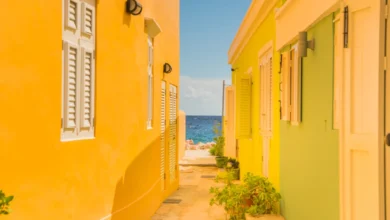
The geographic distribution of Curaçao’s top eateries is closely linked to the urban revitalization of its historic districts, Pietermaai and Otrobanda, both of which are part of the UNESCO World Heritage site of Willemstad.
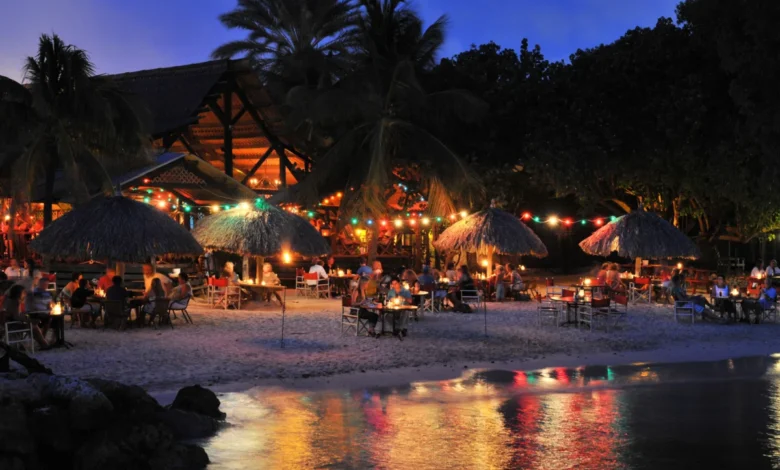
Pietermaai, once a neglected neighborhood, has undergone a dramatic transformation over the last decade into a trendy "culinary district." A cornerstone of this area is BijBlauw, a boutique hotel and restaurant that exemplifies the "oceanfront dining" appeal of the island. By offering a menu that transitions from a robust breakfast—featuring items like the "Banana Oh Nana" pancakes and "BijBlauw Breakfast" (a combination of eggs benedict and avocado smash)—to sophisticated evening fare, BijBlauw caters to the high-spending stay-over tourist demographic. Data from the Curaçao Hospitality and Tourism Association (CHATA) indicates that visitors staying in boutique districts like Pietermaai contribute significantly more to the local economy per capita than traditional cruise passengers.
Across the Queen Emma Bridge in Otrobanda, the culinary scene takes on a more intimate, community-focused character. Maira’s Kitchen has become a focal point for this neighborhood, offering a Mediterranean-inspired menu that reflects the island’s European ties. The restaurant’s success is often cited by urban planners as an example of how small-scale gastronomy can drive the "gentle" revitalization of historic residential areas. Their offerings, such as the lamb burger with tabbouleh and the house cheese platter with fig bread, represent a fusion of Middle Eastern flavors and Dutch ingredients, illustrating the fluidity of the island’s modern palate.
The National Identity in a Dish: Keshi Yena
No analysis of Curaçaoan food is complete without an examination of Keshi Yena, the island’s signature dish. The history of Keshi Yena is a poignant reminder of the resourcefulness of the island’s ancestors. Historically, enslaved people would take the discarded rinds of Edam or Gouda cheese from the kitchens of Dutch colonialists and stuff them with meat scraps, raisins, olives, and spices to create a hearty meal.
Today, Keshi Yena has been elevated to a gourmet staple. It consists of a large sphere of cheese stuffed with spiced chicken or pork, capers, onions, and tomatoes, baked until the flavors merge. Restaurant & Café Gouverneur De Rouville, situated in a historic building overlooking the iconic Handelskade waterfront, is widely recognized for its authentic preparation of this dish. The restaurant’s location and its dedication to traditional recipes make it a primary destination for cultural tourists seeking a "taste of history." The persistence of Keshi Yena on modern menus serves as a form of cultural preservation, ensuring that the island’s complex social history remains at the forefront of the visitor experience.
Economic Impact and Tourism Statistics
The diversification of the culinary scene is not merely a matter of taste; it is a strategic economic driver. According to 2023 reports from the Curaçao Tourist Board (CTB), the island saw a record-breaking year with over 500,000 stay-over arrivals, a 17.6% increase compared to previous years. A significant portion of visitor expenditure is allocated to the "Food and Beverage" sector, which is now the second-largest spending category after accommodation.
Furthermore, the growth of the culinary sector has led to increased employment opportunities for locals. The demand for skilled chefs, sommeliers, and hospitality managers has prompted local educational institutions to enhance their vocational training programs. Industry experts suggest that by positioning itself as a "foodie" destination, Curaçao is successfully differentiating itself from other Caribbean islands that rely solely on "sun, sea, and sand" marketing.
Chronology of Curaçao’s Culinary Development
- 1634: Dutch arrival and the introduction of European dairy and preservation methods.
- 17th–18th Century: Development of "Krioyo" cuisine through the blending of African, European, and Indigenous traditions.
- 1920s: The rise of the oil industry brings a new wave of international workers, further diversifying the local diet.
- 1997: Willemstad is designated a UNESCO World Heritage site, sparking interest in the preservation of historic dining locations.
- 2010: Curaçao becomes an autonomous country within the Kingdom of the Netherlands, leading to a renewed focus on national branding and tourism.
- 2015–Present: The "Farm-to-Table" and boutique dining movements take hold in Pietermaai and Otrobanda, shifting the focus toward sustainable and high-end gastronomy.
Future Implications for the Island’s Food Scene
As Curaçao looks toward the future, the intersection of technology and tradition will likely define its culinary path. There is a growing trend toward "digital nomadism" on the island, with long-term visitors seeking cafes with high-speed internet and healthy, locally sourced menus. This shift is expected to further incentivize the growth of establishments like Hofi Cas Cora and Maira’s Kitchen.
However, challenges remain. The volatility of global supply chains and the impacts of climate change on local agriculture require ongoing innovation. The island’s ability to maintain its unique culinary voice while adapting to global trends will be the deciding factor in its continued success as a Caribbean leader in gastronomy.
In conclusion, the culinary landscape of Curaçao is far more than a collection of restaurants; it is a vibrant, evolving ecosystem that reflects the island’s resilience and diversity. From the historic balconies of Willemstad to the sustainable fields of the interior, the island offers a sensory journey that is as much about heritage as it is about flavor. For the modern food lover, Curaçao provides a rare opportunity to taste the history of the Atlantic world in a single bite.