Global Travel Connectivity: How eSIM Technology is Replacing Physical SIM Cards and Transforming International Roaming


The landscape of international travel has undergone a fundamental shift over the past decade, driven largely by advancements in telecommunications and mobile technology. For generations, arriving in a foreign country meant navigating airport kiosks, waiting in long queues, and swapping out physical plastic SIM cards to secure local cellular data. However, the introduction of embedded SIM (eSIM) technology has largely eliminated these traditional hurdles. Spearheaded by digital solutions providers such as Airalo—which launched its pioneering marketplace in 2019—travelers can now download and manage digital SIM cards directly onto their smartphones, fundamentally altering how global citizens stay connected abroad.
Background Context of the Technology

The concept of the embedded SIM is not entirely new, having been utilized in Internet of Things (IoT) devices and smartwatches for several years before making its way into mainstream consumer smartphones. Apple’s introduction of eSIM-only devices in specific markets, beginning notably with the iPhone 14 series in the United States, accelerated the adoption curve across the telecommunications industry.
Traditionally, mobile network operators relied on removable subscriber identity module (SIM) cards containing the user’s international mobile subscriber identity (IMSI) and related key data. While functional, this physical hardware proved inconvenient for frequent international travelers who crossed multiple national borders within short timeframes. Physical cards risked loss or damage during transit, required delicate extraction tools, and tied consumers to expensive, legacy international roaming packages offered by domestic carriers.
By digitizing this process, companies like Airalo created an online marketplace where users can purchase region-specific, country-specific, or global data plans ahead of time. This digital framework supports dual SIM capabilities on modern hardware, allowing travelers to maintain their primary domestic phone number for incoming calls and text messages while utilizing a local digital data profile for navigation, messaging, and internet browsing.

Chronology of Modern Travel Connectivity
The evolution of seamless cross-border connectivity can be tracked across distinct phases of mobile telecommunications history:
- Early 2000s to 2010s: The era of physical roaming. Travelers relied heavily on home-carrier international add-ons, which frequently resulted in unexpectedly high utility bills upon return, or alternatively sought out local kiosks upon landing at foreign airports.
- 2016–2018: Standardization of eSIM architecture. The GSMA established formal specifications for remote SIM provisioning, laying the groundwork for consumer electronic manufacturers to integrate programmable SIM chips directly onto smartphone logic boards.
- 2019: Market disruption. Platforms like Airalo emerged, creating consumer-facing applications designed to aggregate and simplify the purchase of prepaid digital data profiles across hundreds of countries.
- 2022–Present: Mainstream adoption and hardware shifts. Major smartphone manufacturers began phasing out physical SIM tray requirements in select models, prompting widespread reliance on digital activation methods and regional multi-country data bundles.
Operational Mechanics and Device Compatibility

Operating an eSIM requires hardware compatibility, typically found in smartphones, tablets, and smartwatches manufactured from 2018 onward. While flagship devices from Apple, Samsung, Google, and other major manufacturers readily support the technology, older budget-tier or carrier-locked devices may lack the necessary firmware or hardware architecture. Carrier locking—a restriction imposed by domestic mobile providers preventing a device from operating on alternative networks—remains a primary barrier for consumers attempting to utilize independent digital data providers.
The deployment process generally follows a standardized procedure:
- Verification: The user confirms device compatibility and ensures their handset is carrier-unlocked.
- Acquisition: Through a dedicated mobile application or web portal, the traveler selects a destination-specific data package, evaluating metrics such as gigabyte allocation and validity periods (ranging typically from 7 to 30 days or longer).
- Installation: The profile is installed via direct application integration, scanning a provided QR code, or manual parameter entry while connected to a stable internet source.
- Activation: Depending on the specific service terms, the data package activates immediately upon installation or automatically upon the device connecting to a supported local partner network abroad.
Regional Considerations and Infrastructure Challenges
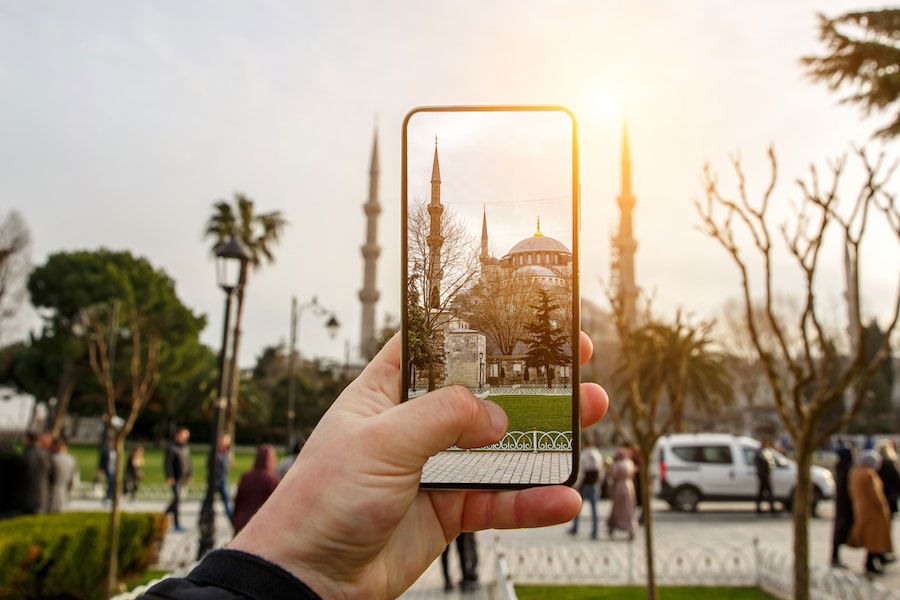
While digital SIM technology offers profound operational efficiencies, regulatory environments and local telecommunications laws can significantly impact user experience. A prominent example involves regulatory policies in specific nations, such as Türkiye. In recent years, local telecommunications authorities implemented stringent restrictions affecting foreign digital data applications, resulting in operational blocks on platforms like Airalo within domestic borders.
Consequently, travel experts strongly advise international visitors heading to such destinations to secure, install, and thoroughly test their digital data profiles prior to departure. Attempting to download or top up a data plan while actively connected to a restricted domestic network often leads to connectivity failures, as the local firewalls may block access to the provider’s servers and customer support channels.
Furthermore, because these consumer-focused eSIM packages are primarily engineered as data-only solutions, users must adapt their communication strategies. Traditional cellular voice calls and standard SMS text messages are frequently omitted from standard data packages. Instead, travelers rely on over-the-top (OTT) internet-based communication services—such as WhatsApp, FaceTime, Skype, and iMessage—to conduct voice calls and transmit messages.

Economic Implications and Market Impact
The widespread proliferation of digital SIM marketplaces has introduced robust competitive pressure into the international telecommunications sector. Historically, traditional mobile network operators generated substantial high-margin revenue through international roaming fees charged to consumers traveling abroad. The availability of low-cost, prepaid regional data bundles has disrupted this revenue stream, forcing legacy carriers to reevaluate their pricing models and introduce more competitive international roaming packages.
For consumers, the economic implications are clear. Industry analyses indicate that utilizing localized digital data packages can reduce international connectivity expenses by upwards of 70 to 90 percent compared to standard legacy roaming tariffs. Beyond direct financial savings, the elimination of physical logistics—such as hunting for airport Wi-Fi networks, waiting in lines for physical vendor booths, or paying for emergency data connections—enhances overall travel efficiency and safety. Seamless access to cloud-based navigation tools, real-time translation services, and digital transit passes minimizes friction during international journeys.

Industry Analysis and Future Outlook
Market research analysts project continuous, robust growth for the global eSIM market over the coming decade. As 5G infrastructure expands globally and smartphone manufacturers increasingly transition toward portless or SIM-free device designs, digital connectivity solutions are poised to transition from an alternative choice for tech-savvy frequent flyers to the standard default for all international travelers.
Despite these advancements, traditional alternatives continue to hold relevance. For consumers utilizing older hardware models, or those requiring traditional cellular voice infrastructure without relying on data-driven applications, legacy physical SIM cards and niche pay-as-you-go global roaming providers like DrimSim remain viable backup options. However, the overarching trajectory of the telecommunications industry clearly favors virtualized, software-driven provisioning models.
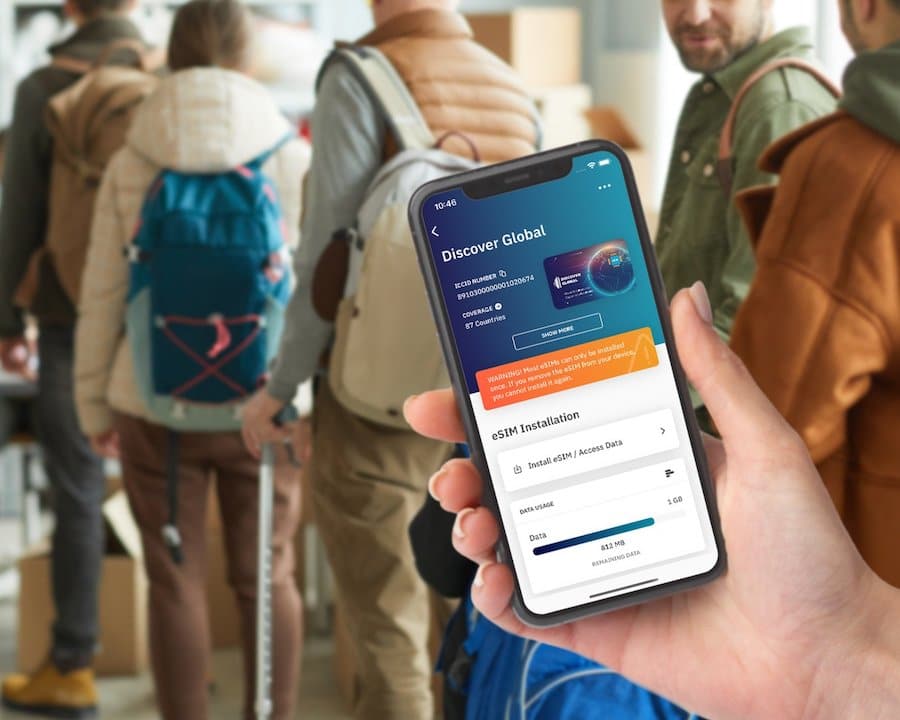
Ultimately, the maturation of eSIM technology represents a broader trend toward digital transformation in global travel. By decoupling mobile connectivity from physical geography and hardware constraints, travelers are afforded unprecedented flexibility, cost predictability, and instantaneous communication access upon crossing international borders.