The Appalachian Trail Faces Unprecedented Strain as Three Million Annual Visitors Highlight Urgent Need for Responsible Stewardship

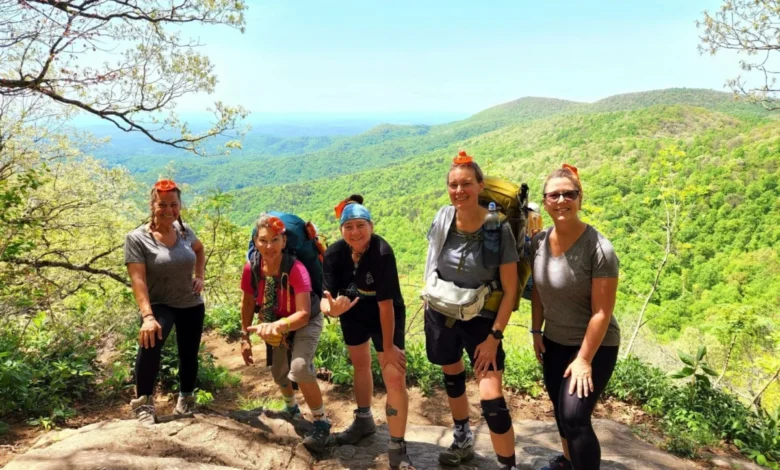
The iconic Appalachian Trail (A.T.), a monumental 2,190-mile footpath winding through 14 states from Georgia to Maine, witnesses approximately three million unique visitors each year. This staggering figure underscores its enduring allure as a source of inspiration, offering solace, adventure, and connection with nature for nearly a century. Hikers seek the immersive forest landscapes, the challenge of its wild terrain, the camaraderie of fellow adventurers, or profound solitude. However, this immense popularity, particularly amplified in recent years, presents significant challenges to the trail’s delicate ecosystem and infrastructure, prompting an urgent call for renewed commitment to preservation and responsible trail etiquette.
The Growing Pressure on a National Treasure
While the A.T. has always drawn a devoted following, the period spanning the COVID-19 pandemic saw an unprecedented surge in outdoor recreation. This boom, driven by a desire for open spaces and a retreat from confined urban environments, placed immense pressure on trails nationwide, and the Appalachian Trail was no exception. The increased foot traffic, regrettably, led to a noticeable rise in litter, human waste, and degradation of facilities like shelters and campsites. Long-time trail guides and volunteers observed conditions unlike any seen before, with pristine sections showing signs of wear and neglect. The collective footprint of millions, if not managed with utmost care, risks compromising the very wilderness experience that draws people to the A.T.

A Legacy Forged by Community and Vision
The Appalachian Trail’s existence is a testament to an enduring vision and collaborative effort. Conceived by forester Benton MacKaye in 1921 as a "super-trail" connecting a series of wilderness communities, it was built by private citizens and volunteers and officially completed in 1937. Its subsequent designation as one of the first two National Scenic Trails under the National Trails System Act of 1968 solidified its status as a protected national treasure. Today, its maintenance relies on a unique partnership between over 30 volunteer trail clubs, non-profit organizations like the Appalachian Trail Conservancy (ATC), the National Park Service, and the United States Forest Service. This "for the people, by the people" ethos has sustained the trail for decades, but the current scale of usage demands an even greater, collective responsibility from every individual who steps onto its path.
Environmental Impact: A Visible Deterioration
The effects of unchecked usage are stark. Reports from trail maintainers detail the presence of abandoned coolers, tents, cans, and bottles, transforming portions of the trail from pristine wilderness into areas marred by human detritus. The sheer volume of hikers has also led to trail widening and erosion, particularly during peak "bubble" periods in March and April when many thru-hikers begin their journeys. This expansion damages surrounding vegetation and compacts soil, hindering natural recovery. In some instances, parts of the trail and adjacent areas have been temporarily closed to allow for ecological healing, as exemplified by the two-year camping closure imposed on Max Patch in North Carolina following severe overcrowding and littering during the pandemic. Such closures, while necessary for conservation, disrupt the visitor experience and highlight the fragility of these cherished landscapes.

The Imperative of "Leave No Trace" Principles
Central to the sustainable enjoyment of the Appalachian Trail are the seven principles of Leave No Trace. These guidelines provide a framework for minimizing human impact and ensuring the wilderness remains wild for future generations. Adhering to these principles is not merely a suggestion but a critical obligation for every hiker.
-
Plan Ahead and Prepare: This foundational principle emphasizes thorough research and meticulous planning. Before embarking on a hike, especially a multi-day or thru-hike, individuals must understand the trail’s conditions, anticipated weather, potential hazards, and their own physical limits. This includes packing appropriate gear, sufficient food and water, navigation tools (both digital and physical guidebooks like "The A.T. Guide"), and emergency supplies. Under-preparedness often leads to distress, abandonment of gear, or reliance on others, all of which strain trail resources and impact the environment. For instance, a common issue is hikers carrying excessive weight or inadequate footwear, leading to injury or discarding items along the trail. Knowing oneself and the demands of the A.T. – which is not a race – is paramount, particularly for older hikers who may overestimate their capabilities.
-
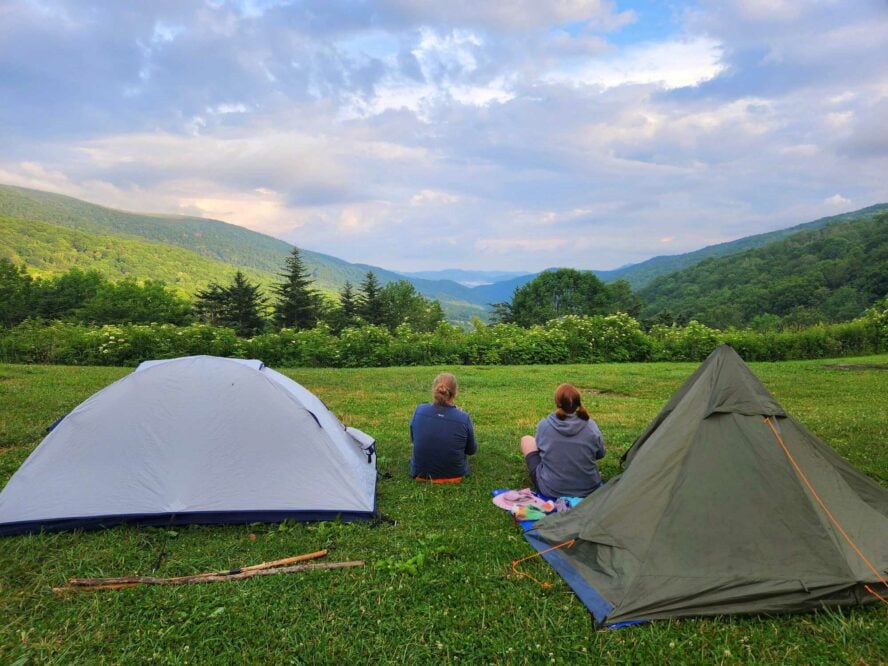
Travel and Camp on Durable Surfaces: Staying on established trails and designated campsites is crucial to prevent erosion and vegetation damage. Shortcutting switchbacks, expanding existing campsites, or pitching tents in undesignated areas contributes directly to widening the trail footprint and degrading fragile ecosystems. Hikers should be mindful of where they step and set up camp, minimizing impact on the immediate surroundings.
-
Dispose of Waste Properly: This principle extends beyond simply packing out all trash, including food scraps, wrappers, and cigarette butts. It also dictates the correct disposal of human waste. While many shelters offer privies, hikers must be prepared for situations where these are unavailable or in use. Digging a "cathole" at least 200 feet from water sources, campsites, and trails, and burying waste completely, is essential to prevent contamination and unsightly discoveries. For solid waste that cannot decompose quickly, such as wet wipes and tampons, or for those seeking to go an "extra mile," WAG bags are recommended for packing out all waste. Pet waste, if bringing a dog (which is generally discouraged for thru-hikes), must also be bagged and packed out. Unattended food waste attracts wildlife, leading to human-wildlife conflicts and habituation.
-
Leave What You Find: The A.T. is a living museum, and everything within it is part of the natural environment. Removing natural objects, carving initials into trees, or picking wildflowers disrupts the ecosystem and diminishes the experience for others. The beauty of the trail lies in its untouched state; leaving it as found ensures its continued integrity.
-
Minimize Campfire Impacts: While campfires can be a cherished part of the wilderness experience, they can also cause significant damage. Where fires are permitted, they should be small, contained to existing fire rings, and completely extinguished before leaving. The gathering of firewood can deplete resources, and uncontrolled fires pose serious risks. Many sections of the A.T. prohibit fires entirely due to environmental concerns.
-
Respect Wildlife: Hikers share the A.T. with a diverse array of animals, including black bears, deer, and countless bird species. Maintaining a safe distance, never feeding wildlife, and securing food properly (using bear canisters or hanging food in bear bags) are non-negotiable. Feeding animals can make them dependent on human food, aggressive, and often leads to their eventual demise. Disturbing wildlife, whether by chasing, loud noises, or flash photography, can stress animals and disrupt their natural behaviors.

-
Be Considerate of Other Visitors: The trail is a shared space. Hikers seek varying experiences, from social interaction to profound solitude. Courtesy dictates minimizing noise (e.g., using earbuds instead of boomboxes, keeping voices down in shelters), respecting privacy (asking permission before filming or photographing others), and being mindful of personal habits that might disturb others (e.g., snoring, late-night chatter). Offering constructive advice to less-experienced hikers, rather than being condescending, fosters a supportive trail community.
Community and Collective Action: The Path Forward
The challenge of preserving the Appalachian Trail is a continuous one, requiring ongoing vigilance and active participation from all stakeholders. The Appalachian Trail Conservancy (ATC) and its partner clubs organize countless volunteer workdays, dedicating thousands of hours annually to trail maintenance, shelter repair, and educational outreach. Local communities along the trail often host "trail angels" who provide essential support to hikers, embodying the spirit of generosity and camaraderie.
For those considering a journey on the A.T., understanding and committing to these principles is the most significant contribution one can make. For individuals not ready for a full thru-hike, guided section hikes offer a structured way to experience portions of the trail while learning best practices from experienced guides. Supporting the ATC through donations or volunteering is another vital way to contribute to the trail’s health.

The Appalachian Trail represents a unique blend of natural beauty, historical significance, and human endeavor. Its future depends on the collective actions of millions. By embracing responsible practices, every hiker can ensure that this irreplaceable legacy continues to offer profound experiences and inspiration for generations to come, remaining a wild and welcoming haven for all.