Croatia Overhauls National Highway Network With Crolibertas Free-Flow Electronic Tolling System Launching March 1, 2027


Croatia is preparing for the most significant modernization of its national transport infrastructure in decades, moving away from traditional, labor-intensive motorway toll stations in favor of an advanced electronic infrastructure. Set to go live nationwide on March 1, 2027, the incoming system, designated as Crolibertas, represents a complete paradigm shift for motorists navigating the country’s extensive coastal and inland highway networks. By eliminating physical toll plazas, the Croatian government aims to resolve chronic summer traffic bottlenecks, reduce carbon emissions associated with idling vehicles, and align the nation’s transport corridors with contemporary European digital standards.
The transition from physical stops to digital tracking has been in development for several years, driven by the persistent seasonal congestion that plagues the Adriatic highway corridors during peak tourism months. Under the existing framework, motorists pulling onto motorways must collect a physical ticket and later queue at barrier-controlled booths to settle fees with cash or credit cards. This mechanism, while reliable, has long been a bottleneck for millions of international tourists and domestic commuters traveling toward major coastal hubs like Split, Zadar, and Rijeka.
Chronology and Implementation Roadmap
The timeline leading up to the March 1, 2027 launch involves a phased rollout of overhead gantries, optical character recognition cameras, and specialized digital infrastructure across all major motorway routes managed by Hrvatske autoceste (HAC) and other concessionaires. Throughout 2026, the physical framework is being constructed overhead, allowing drivers to continue using standard toll procedures while the back-end technology undergoes rigorous testing.
To facilitate a seamless transition for motorists who arrive without prior digital arrangements, the state is establishing extensive physical infrastructure points, including approximately 140 rapid vehicle-registration lanes located near major border crossings and key motorway entry points. These facilities are designed to ensure that foreign travelers and domestic drivers alike can swiftly establish compliance before entering the free-flow zones, minimizing the risk of administrative penalties once automated enforcement begins.

Technical Mechanics of Crolibertas
Crolibertas is classified as a free-flow electronic tolling system, meaning that vehicles will no longer need to reduce speed or halt their journeys to remit payment. Instead, a network of overhead gantries equipped with advanced sensors, high-definition cameras, and dedicated short-range communication (DSRC) antennas will automatically scan passing automobiles.
For everyday passenger vehicles and other eligible light vehicles categorized within classes one and two, drivers will be able to choose between two primary methods of compliance: an electronic toll collection device (ENC) or automatic licence plate recognition (ALPR).
The ENC device, a staple of Croatian motorways for years, will continue to function via dashboard-mounted transponders communicating directly with the gantry infrastructure. Motorists who already utilize ENC units are not required to replace them or switch to alternative verification methods, provided their account data and vehicle registration details remain up to date.
Alternatively, the automatic licence plate recognition system allows motorists to link their vehicle registration plates directly to an active digital payment account, such as a credit or debit card. When the vehicle passes beneath a gantry, the optical system captures the plate, cross-references it with the database, and automatically deducts the correct toll fee based on the precise distance traveled and the vehicle category.
Differentiation for Commercial and Heavy Vehicles

While light passenger vehicles enjoy flexibility between transponder units and plate recognition, commercial and heavy transport sectors face stricter operational mandates. Vehicles falling under heavier classifications—specifically categories three and four, which include multi-axle trucks, heavy commercial carriers, and large transit vehicles—will be legally required to utilize dedicated ENC transponders rather than relying solely on plate recognition technology. Fleet operators and logistics companies utilizing Croatian transit corridors are advised to audit their vehicle classifications and equipment inventories well in advance of the March 1, 2027 deadline to ensure continuous operational compliance.
Addressing Common Misconceptions: Vignettes and Cash
As news of the overhaul spreads across Europe, transportation ministries and automobile associations have moved to clarify several common misconceptions regarding the nature of Crolibertas. Most notably, officials have emphasized that Croatia is not adopting a traditional time-based vignette system, such as those utilized in neighboring countries like Slovenia or Austria.
A vignette typically grants unlimited access to a motorway network for a fixed temporal duration, such as a week, month, or year. Crolibertas, by contrast, preserves the distance-based pricing model. Motorists will continue to be billed strictly according to the specific entry and exit points of their journey, ensuring that pricing remains proportional to the actual distance driven.
Furthermore, while the traditional cash-handling model involving human attendants stationed inside toll booths will officially be retired, cash will not be entirely abandoned. Designated physical service points and automated customer kiosks will remain available within the broader infrastructure network to accommodate drivers who prefer traditional payment methods or require on-site assistance to settle their accounts.
Implications for International Tourists and Foreign Motorists
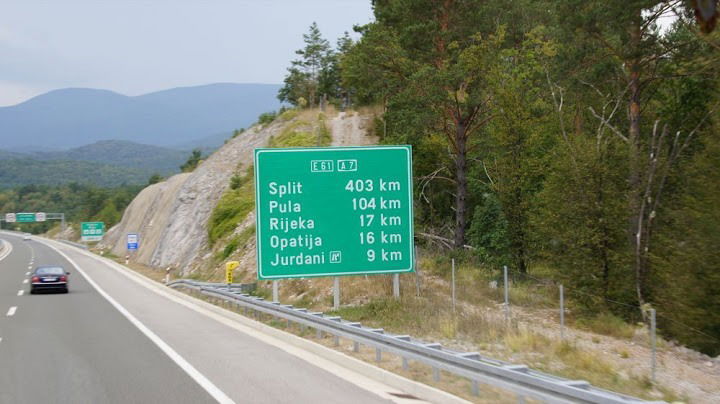
Because Croatia serves as a major transit nexus for travelers journeying from Germany, Austria, Italy, Slovenia, Hungary, and the wider Balkan region, the new system carries substantial implications for international tourism. Foreign-registered vehicles are bound by the exact same toll collection regulations as domestic cars and are not automatically exempt from motorway fees.
Tourists planning road trips through Croatia after March 1, 2027, are encouraged to configure their digital payment credentials prior to crossing the border. While on-site registration lanes will be operational at key entry corridors, completing the process digitally ahead of time guarantees an uninterrupted journey, shielding travelers from unexpected delays at the outset of their vacations.
Economic and Environmental Implications
Transportation analysts and economic observers have pointed out several long-term benefits stemming from the elimination of physical toll plazas. Beyond the obvious reduction in travel times and fuel wastage caused by extended traffic queues during peak summer weekends, the free-flow system is projected to significantly lower carbon emissions across the national transport grid. Idling vehicles at toll booths contribute millions of tons of unnecessary greenhouse gas emissions annually; replacing these stops with continuous-flow driving aligns with broader European Union directives on green transportation corridors.
Furthermore, the operational expenditure required to maintain hundreds of physical toll booths and staff them year-round will be drastically curtailed, allowing operating companies to redirect capital toward ongoing bridge maintenance, tunnel safety upgrades, and smart-highway data integration.
Operational Readiness and Recommendations for Motorists

With the implementation date steadily approaching, motoring organizations advise drivers to take a measured approach. There is no immediate requirement for motorists to alter their driving habits or purchase equipment ahead of the 2027 launch. However, as the deployment date draws nearer, travelers should verify their chosen payment method—whether acquiring or updating an ENC transponder or registering their vehicle plates online for automatic billing.
By removing the physical barriers that have long characterized Croatian highway travel, Crolibertas is poised to transform the driving experience across the Adriatic coast and interior, ushering in an era of seamless, digital transit designed to accommodate millions of motorists efficiently and sustainably.