Uzbekistan has emerged as a premier destination for international travelers seeking to immerse themselves in the deep history of the Silk Road, characterized by its intricate turquoise mosaics, expansive desert landscapes, and a rapidly modernizing tourism infrastructure. While the nation was once considered an off-the-beaten-path destination, recent data indicates a significant shift in its tourism profile, with increasing numbers of international visitors, including substantial cohorts of senior travelers from Europe and North America, exploring the cities of Tashkent, Samarkand, Bukhara, and Khiva. Despite the country’s growing popularity, navigating the region requires a nuanced understanding of its unique logistical, cultural, and environmental landscape.
The Evolution of Uzbek Tourism Infrastructure
Historically, the "Five Stans"—Kazakhstan, Kyrgyzstan, Tajikistan, Turkmenistan, and Uzbekistan—were often grouped into singular, high-intensity tour packages. However, current travel trends suggest a pivot toward more localized, in-depth itineraries. Industry experts and travelers alike now argue that attempting to visit all five nations in a single three-week trip often results in a fragmented experience, failing to capture the unique cultural fabric of each country.
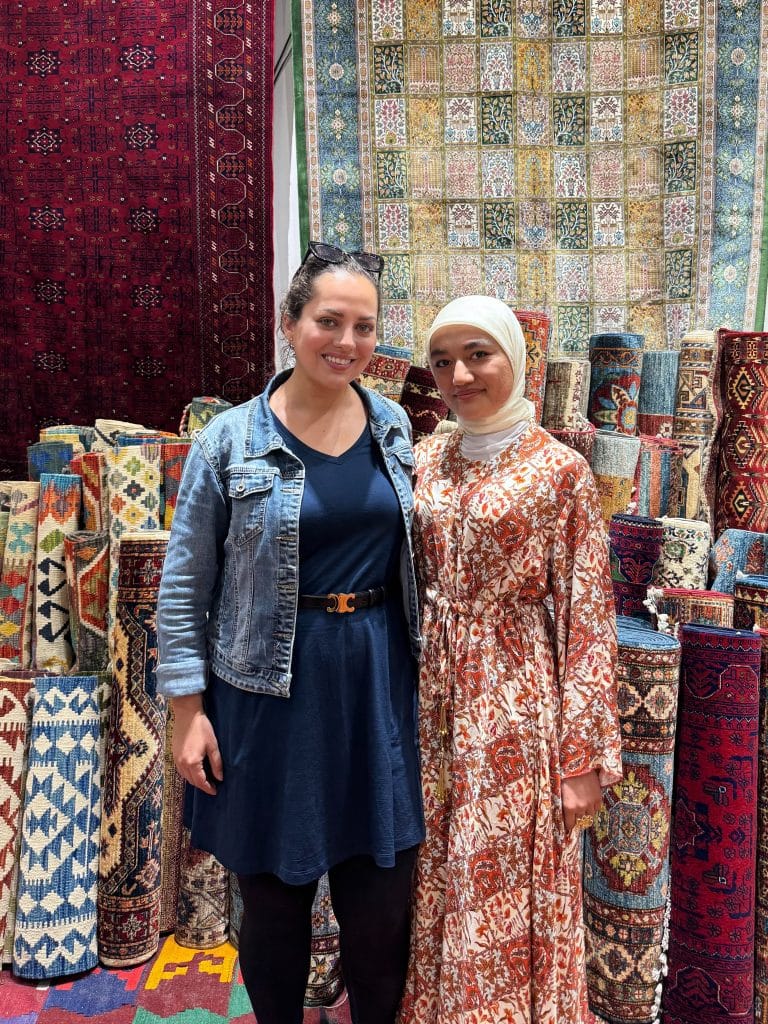
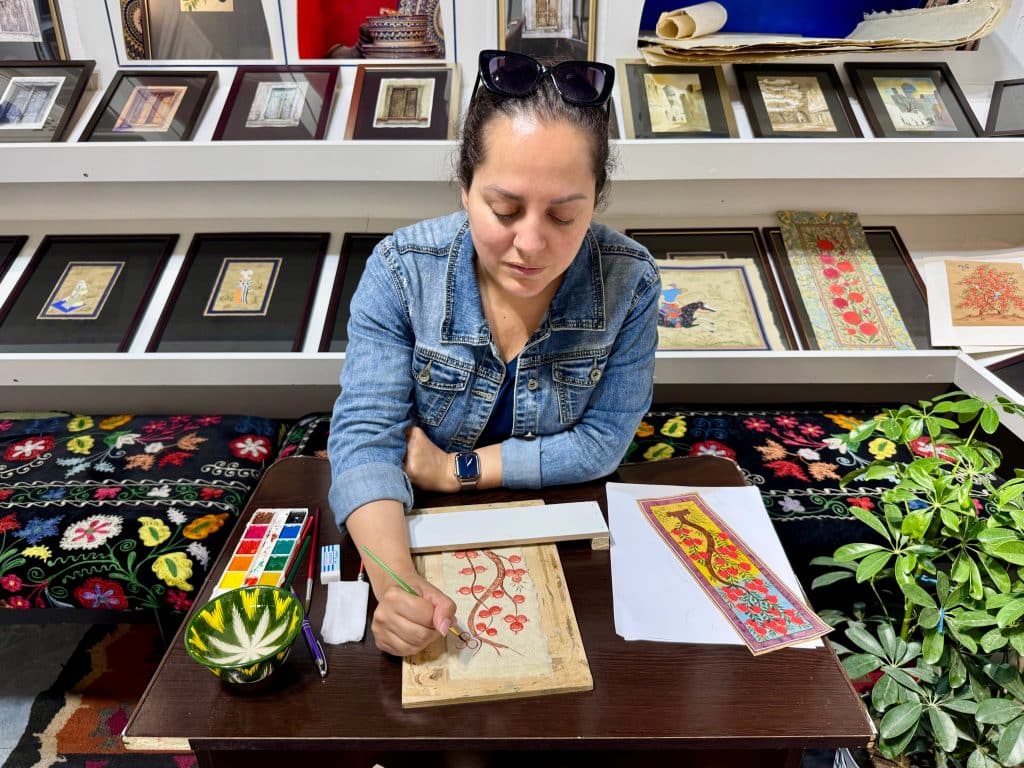
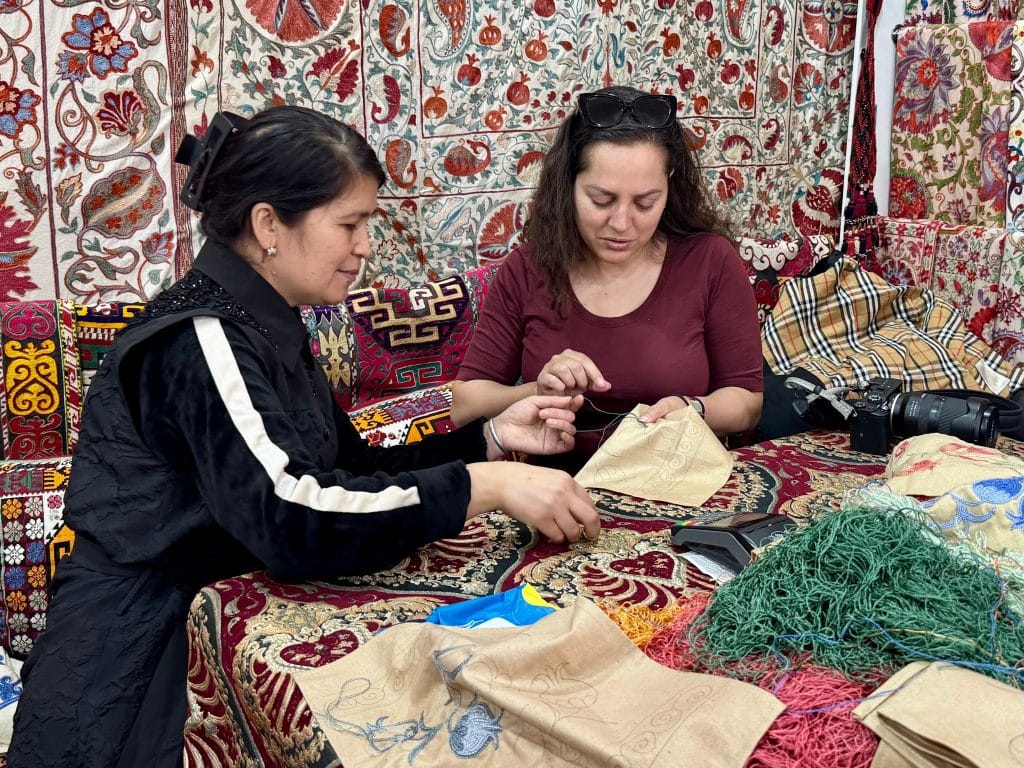
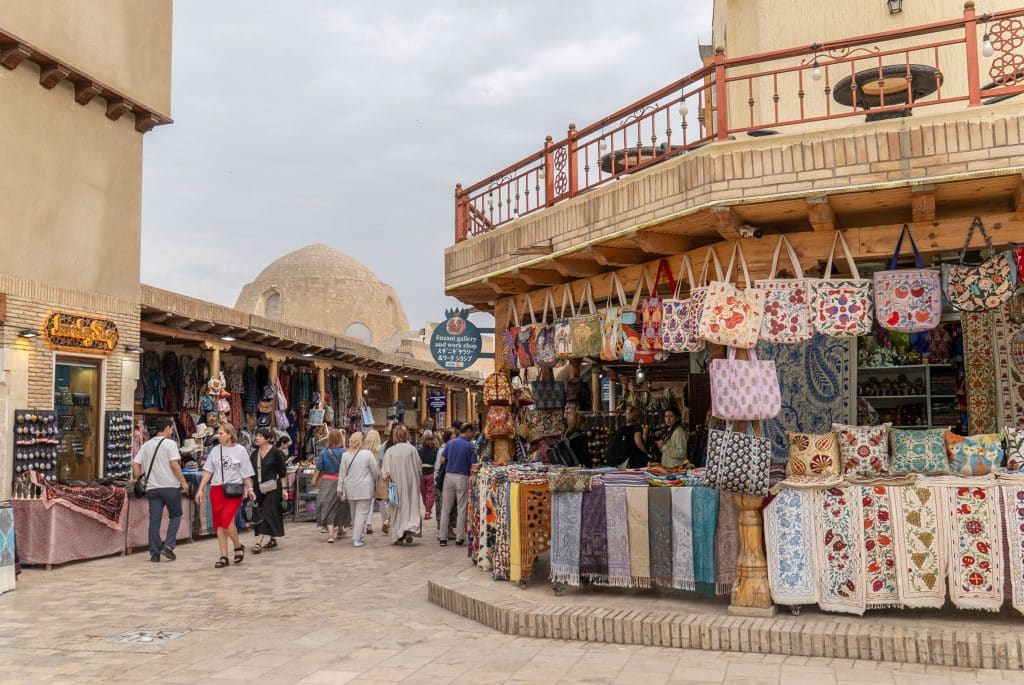
Instead, a more sustainable model has emerged: focusing on one or two countries at a time. This approach allows for a deeper engagement with local traditions, such as the Persian miniature painting workshops and suzani embroidery masterclasses now becoming staple attractions in cities like Bukhara and Samarkand. This shift in travel behavior is supported by the availability of modern digital tools. The adoption of ride-sharing platforms like Yandex Go and the integration of eSIM technology have drastically reduced the friction historically associated with navigating Central Asian cities. Data from regional tourism boards shows that the ease of digital connectivity has played a pivotal role in the surge of independent travel to the region.
Logistical Realities: Transportation and Connectivity
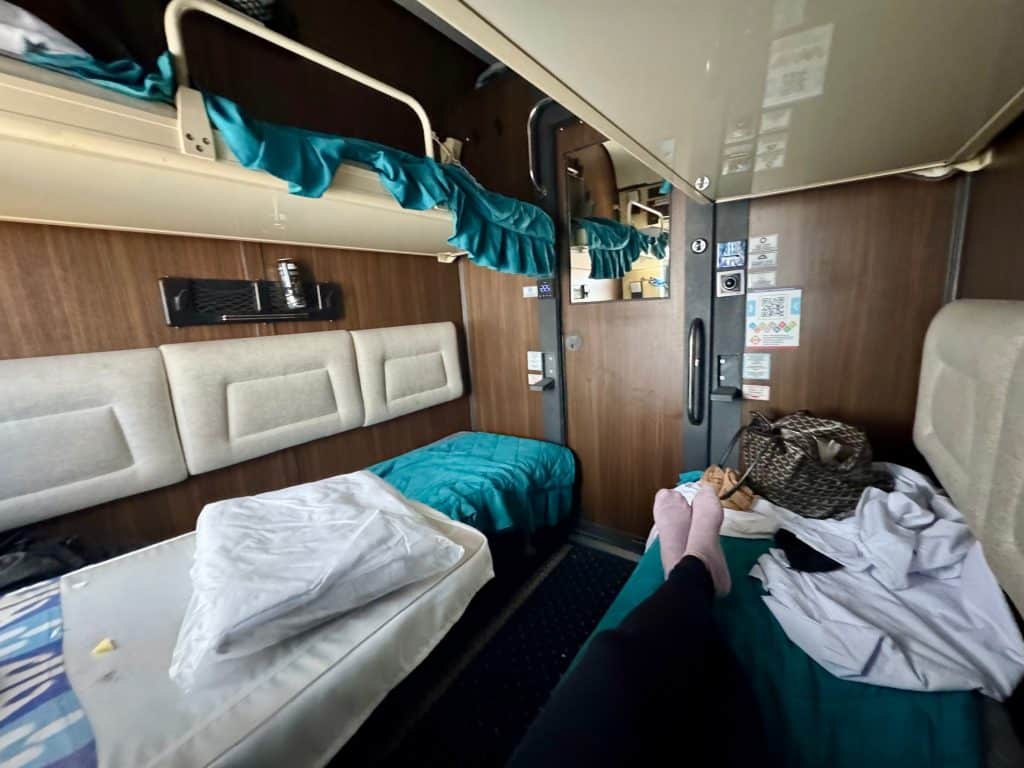
Transportation remains the backbone of the Uzbek travel experience. The national rail system, particularly the high-speed Afrosiyab train line connecting the capital, Tashkent, to the historic hubs of Samarkand and Bukhara, is a critical artery for tourists. However, the high demand for these services creates a significant bottleneck. Tickets for the Afrosiyab frequently sell out within hours of their 45-to-60-day release window.
Travelers who neglect to secure these tickets in advance often face the alternative of bus travel, which can increase transit times from a two-hour high-speed train journey to a five-to-seven-hour bus trip, depending on traffic conditions. While some international travelers have turned to travel agencies to navigate the booking process, doing so often incurs a significant markup. Agencies, however, provide a secondary service by holding blocks of tickets that are occasionally released back into the system, offering a last-resort option for those who missed the primary booking window.
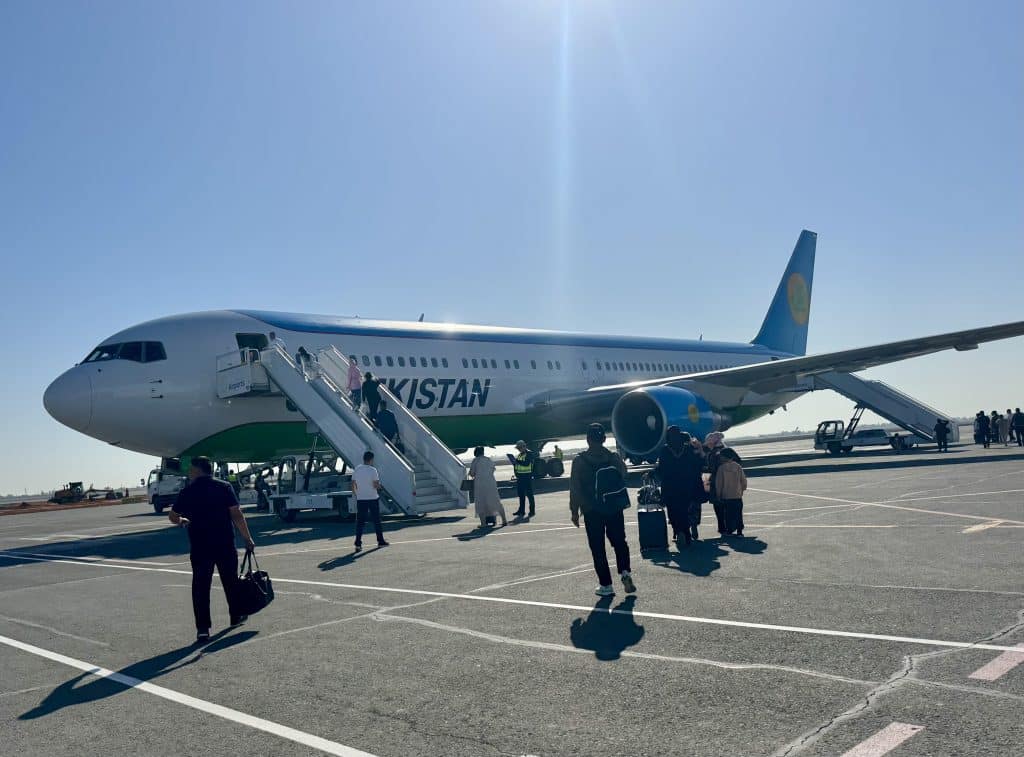
Domestic air travel, managed primarily by Uzbekistan Airways, presents a different set of challenges. Many international credit cards are not accepted by the carrier’s direct booking portal, forcing travelers to rely on third-party online travel agencies (OTAs). While this method provides a workaround, it complicates rebooking procedures in the event of flight cancellations or delays.
Cultural Etiquette and Socio-Economic Context
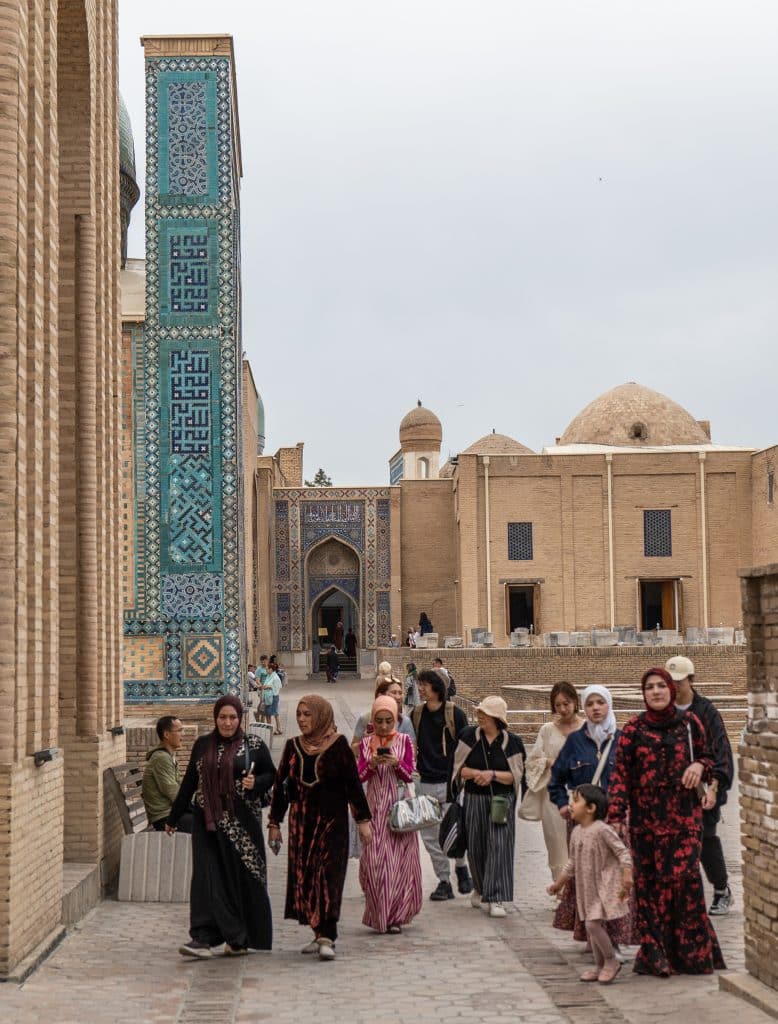
Uzbekistan is a predominantly Muslim country, and while it maintains a secular government, cultural expectations regarding modesty remain significant. While the use of a headscarf is generally not required for female tourists except when entering active mosques, the local dress code leans toward modest, conservative attire. Travelers are advised to ensure that shoulders, cleavage, and knees are covered to maintain cultural respect. Observations from recent travel seasons indicate that those who adhere to these norms often find a more welcoming reception, while those who dress in a manner perceived as revealing often stand out in ways that can hinder social interactions.
Furthermore, the societal emphasis on hospitality and the traditional roles of service—such as the hierarchical pouring of tea—reflect a deeply ingrained social etiquette. Understanding these nuances can be the difference between a superficial visit and a meaningful cultural exchange. For instance, the younger generation in the service industry or urban centers often speaks English, but Russian remains the primary lingua franca, particularly among the older population and in rural districts. Learning basic Russian phrases is a pragmatic strategy for travelers looking to navigate local markets and transport systems.
Economic Dynamics and Financial Preparedness
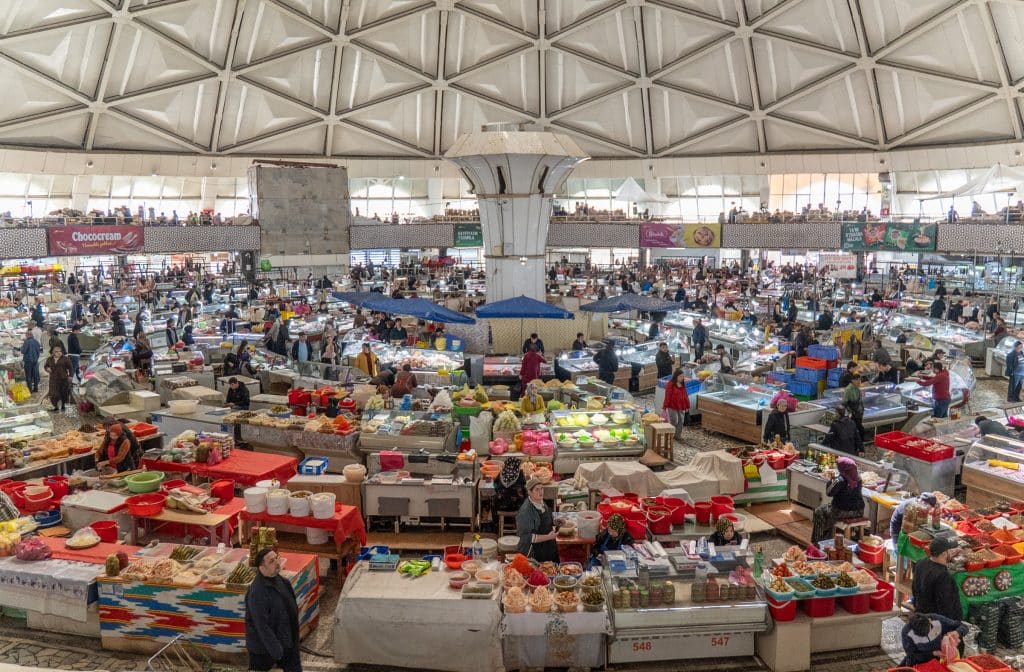
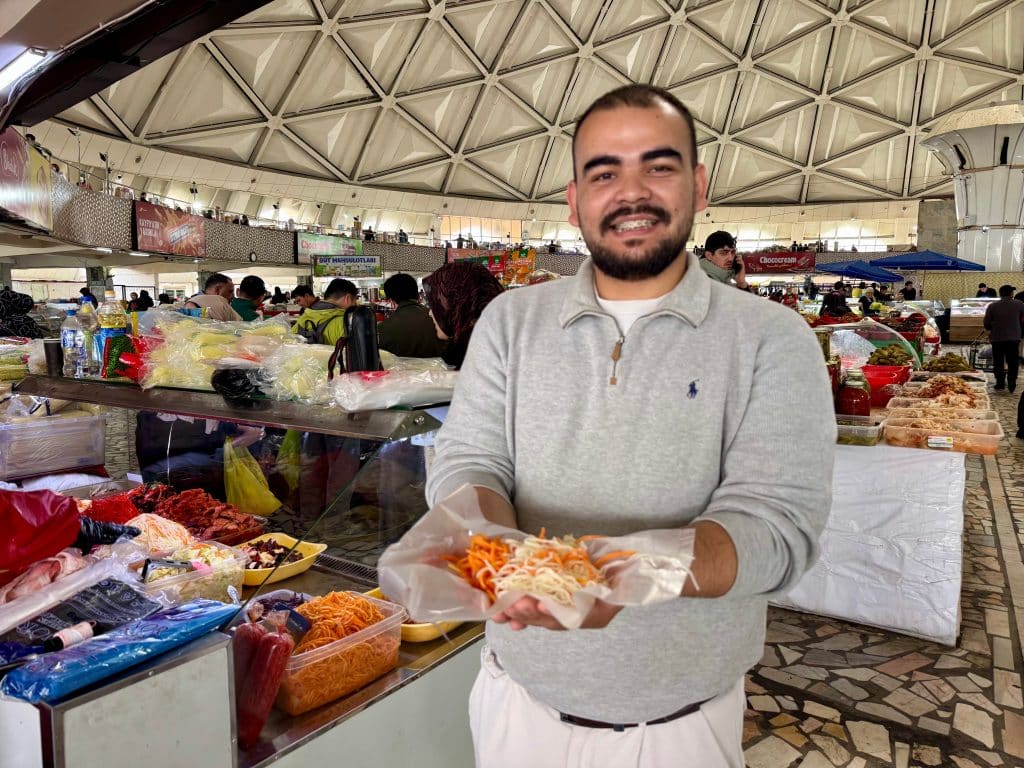
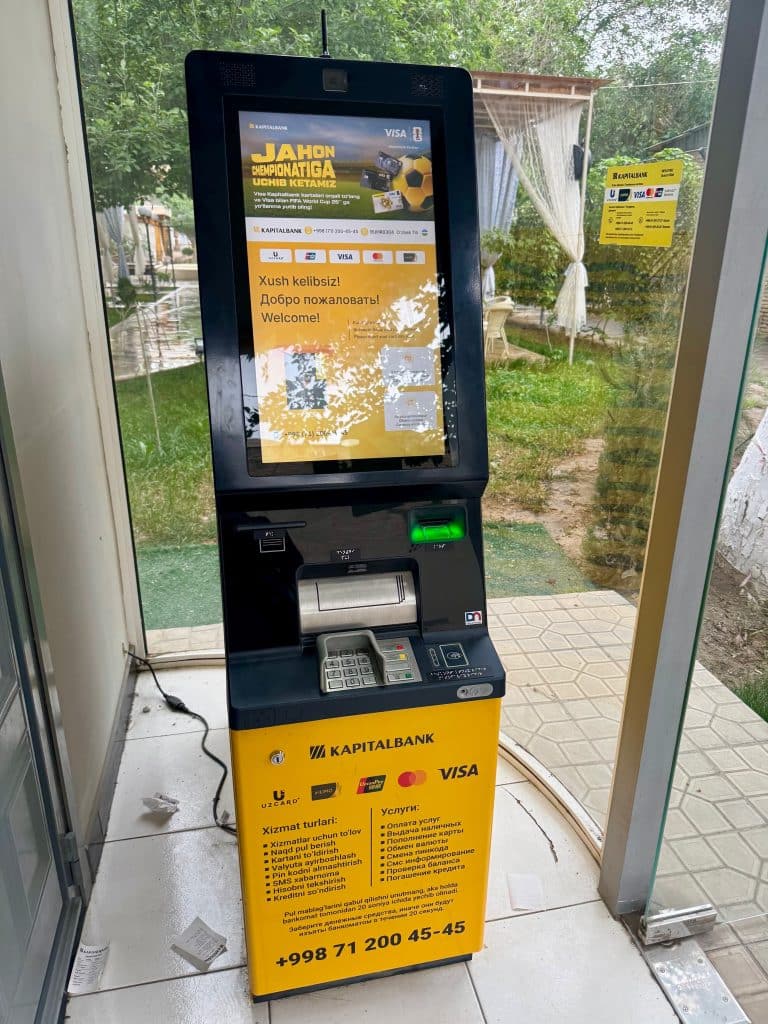
Despite the modernization of its cities, Uzbekistan remains a cash-oriented economy. While credit cards are increasingly accepted in major hotels and upscale establishments, cash is essential for daily transactions, including local transport, markets, and smaller guesthouses. Travelers have reported the necessity of frequently accessing ATMs, which are widely available but sometimes restricted to local banking systems.
The cost of living for a tourist in Uzbekistan remains highly competitive compared to Western Europe or Southeast Asia. Average daily expenditures for a comfortable mid-range trip often remain well below standard international benchmarks, allowing travelers to prioritize spending on high-quality cultural experiences, such as private guided tours or specialized craft workshops, rather than basic necessities.
Environmental Considerations and Seasonal Planning
Climate plays a decisive role in the viability of travel to the region. The extreme continental climate results in scorching summer temperatures, particularly in the desert-adjacent regions of Khiva and the Karakalpakstan area, where temperatures can frequently exceed 90°F (32°C) even in late spring. Consequently, the shoulder seasons of spring (April and May) and autumn (September and October) are the most recommended times for travel.
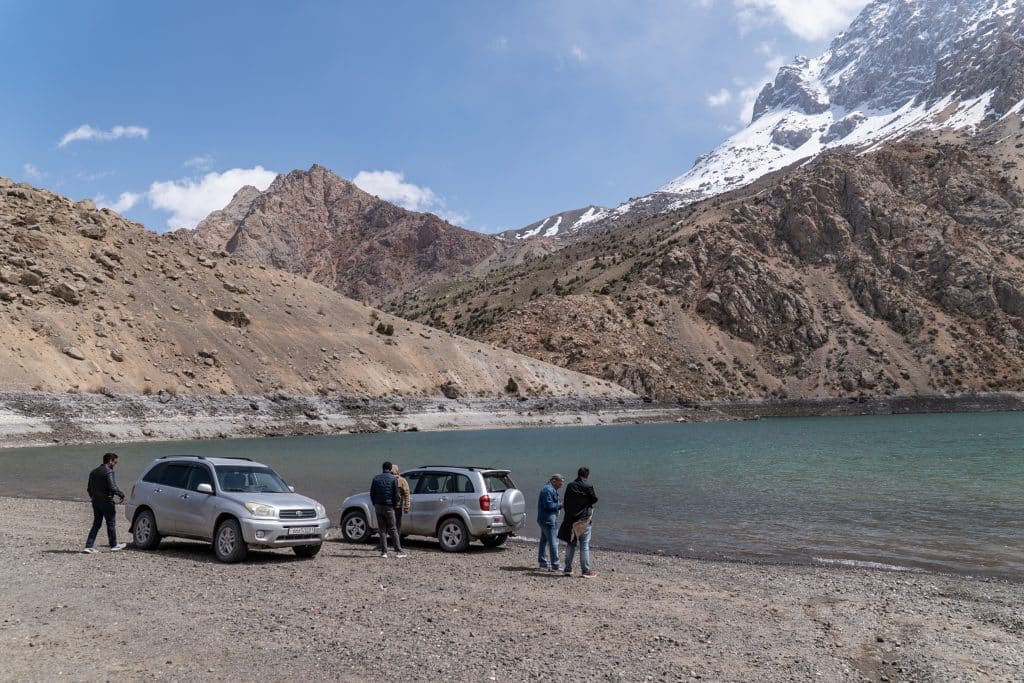
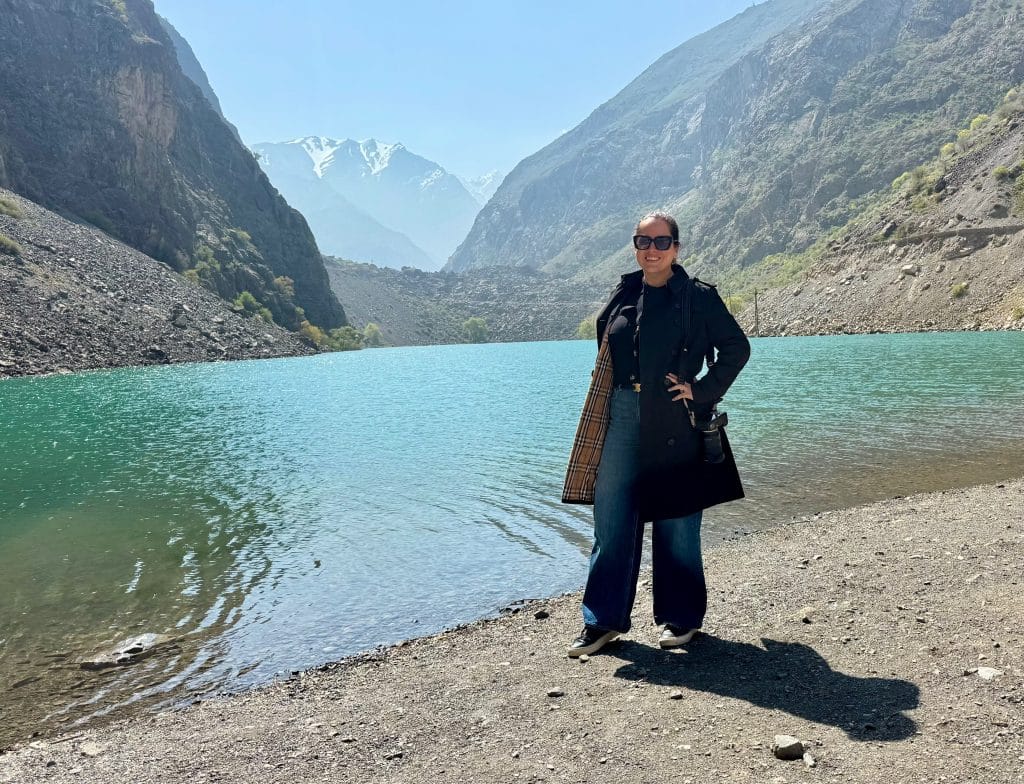
Winter, while quieter, presents its own set of challenges, including freezing temperatures and limited public activity in rural areas. However, travelers heading into the high-altitude regions of Tajikistan or the Pamir Highway may find that summer is the only window of accessibility due to snow-blocked passes during the rest of the year. This geographical diversity necessitates careful itinerary planning based on altitude and latitude.
Photography and Documentation
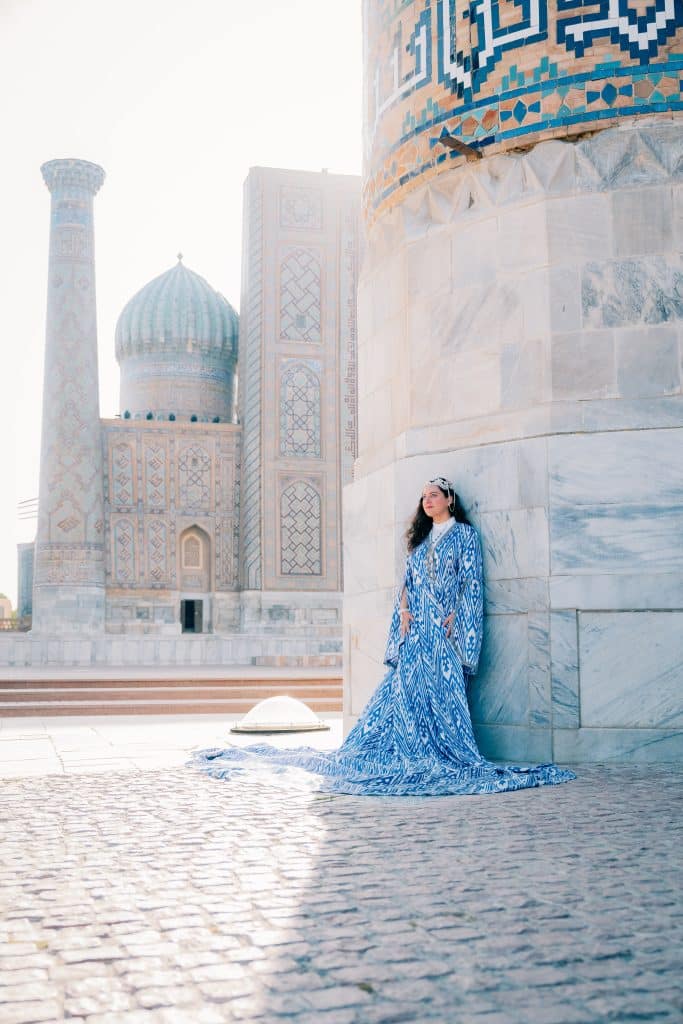
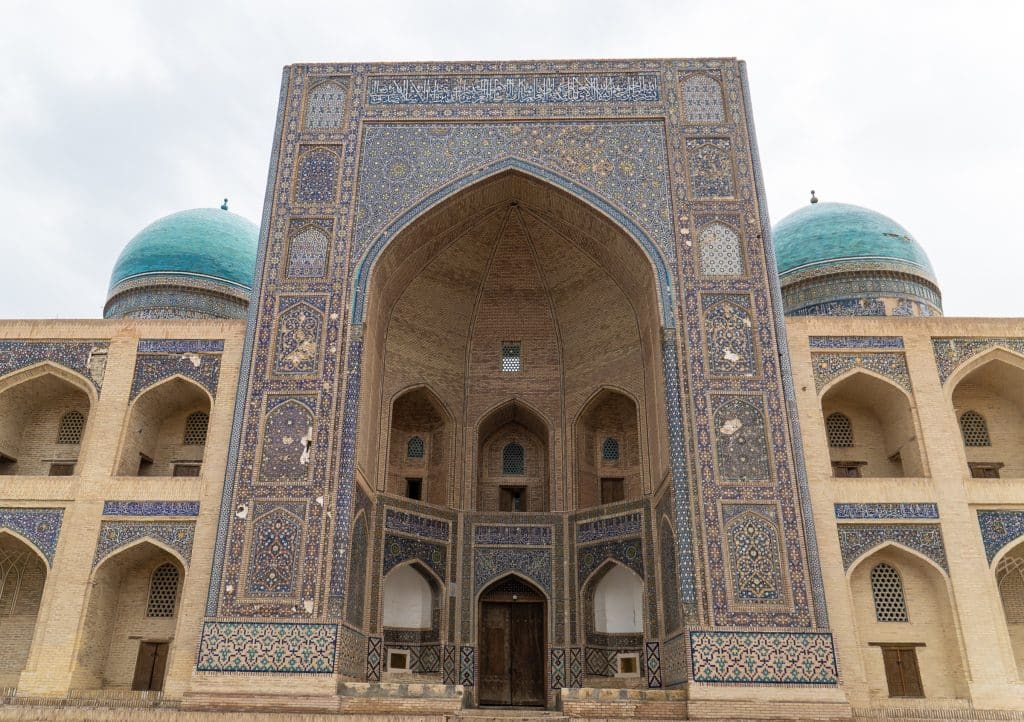
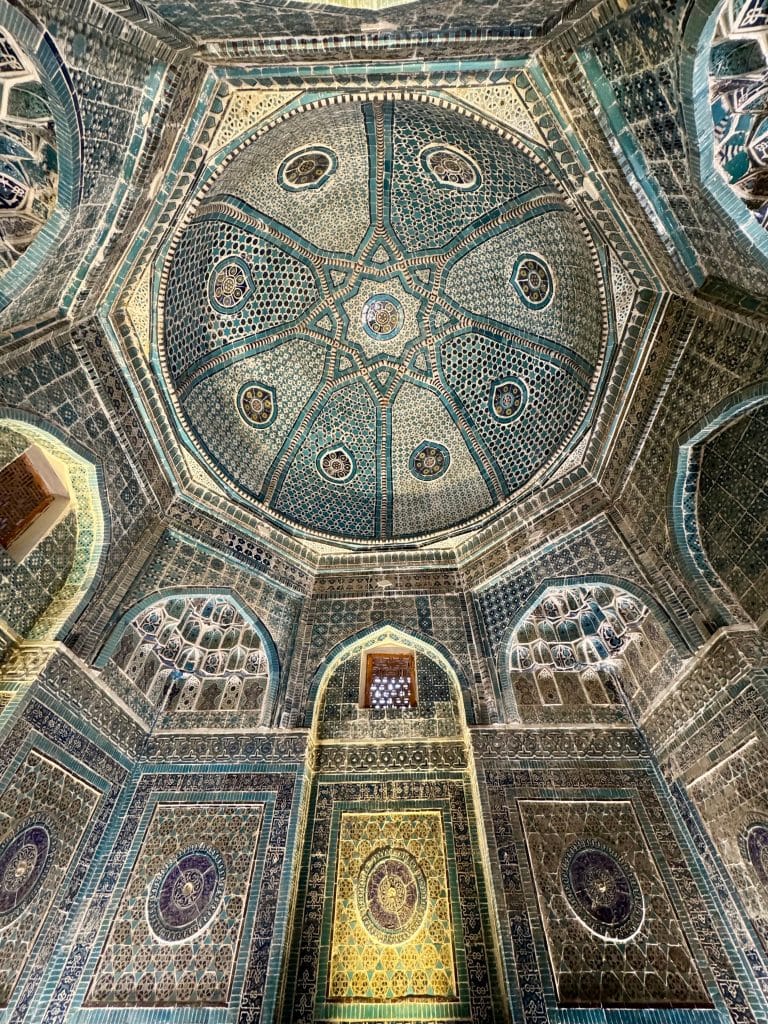
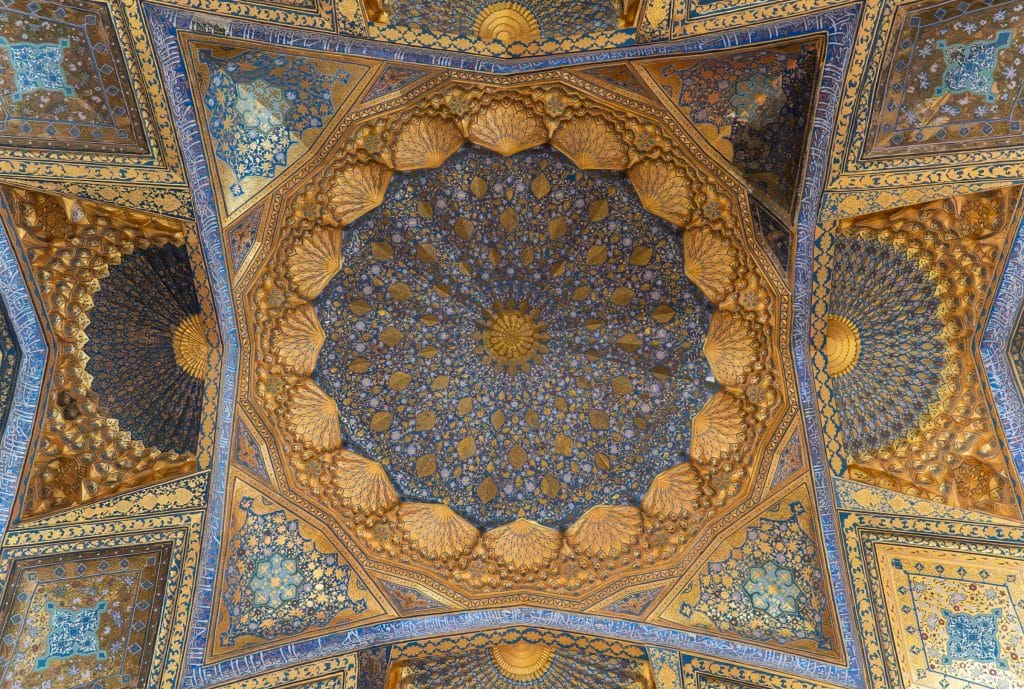
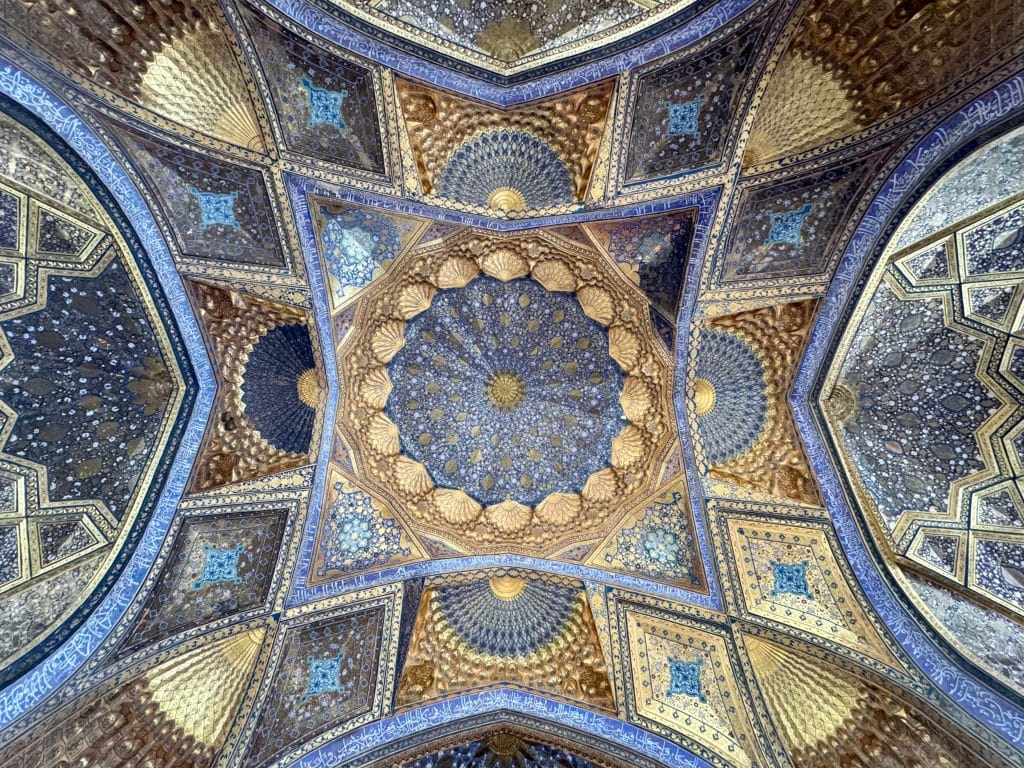
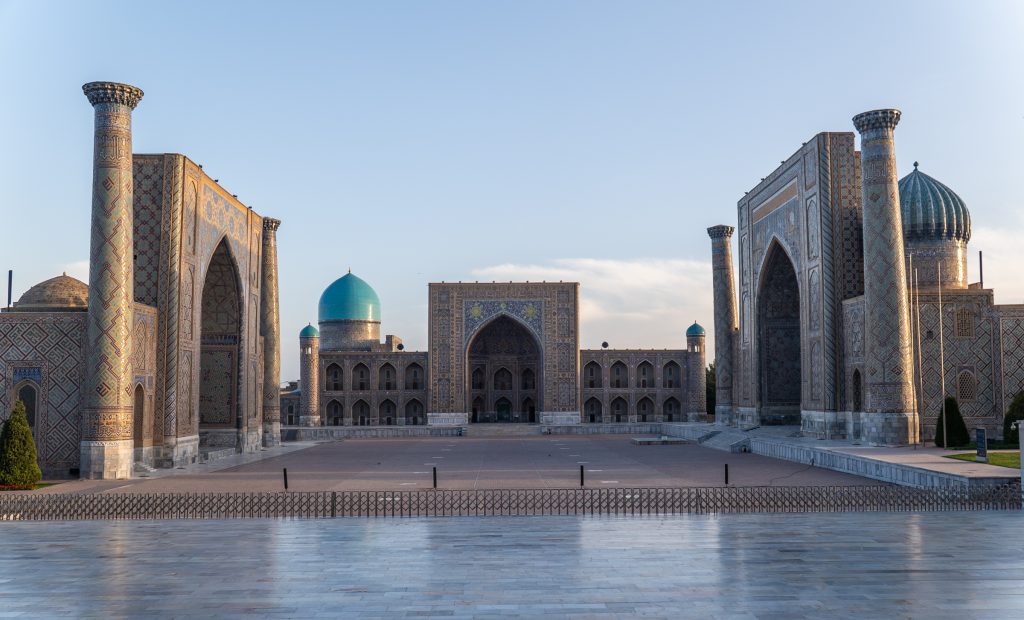
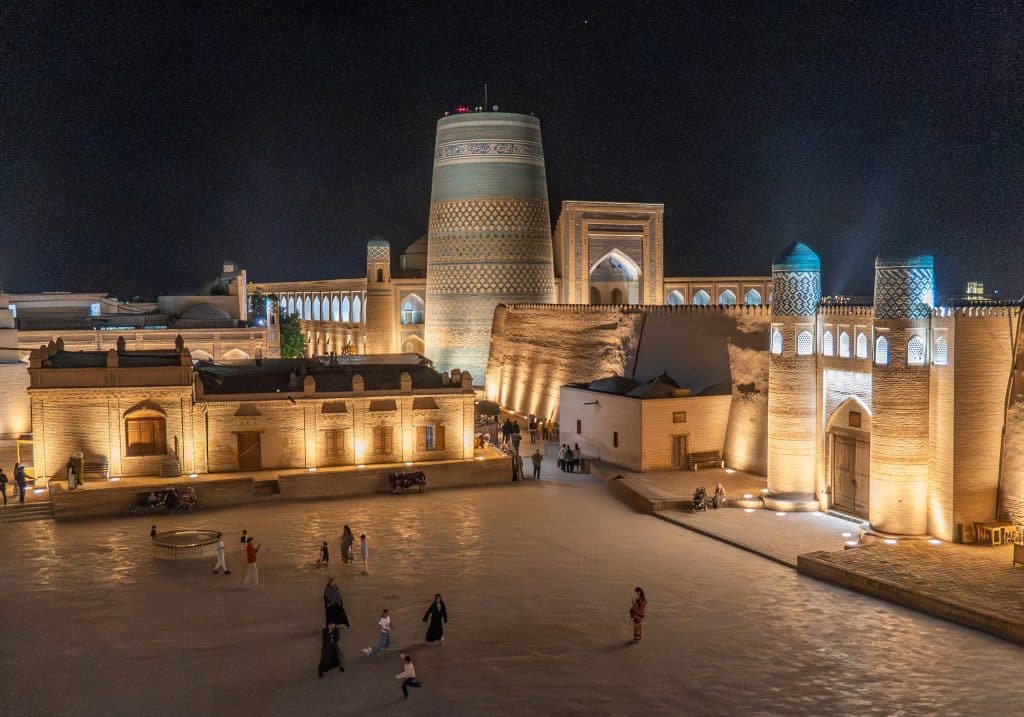
The architectural landscape of Uzbekistan, defined by the Registan in Samarkand and the historic walled city of Ichan Kala in Khiva, provides a unique subject for photographers. However, the scale and complexity of the geometric patterns found in these mausoleums often require specialized equipment. Wide-angle lenses are highly recommended for interior photography, as the confined spaces of historic religious structures make traditional focal lengths impractical. While high-end smartphones have closed the gap, serious architectural photography remains a domain where dedicated gear significantly impacts the quality of the output.
The Future of Tourism in Central Asia
As Uzbekistan continues to refine its tourism strategy, the emphasis is shifting from sheer visitor volume to the quality of the experience. The government’s investment in restoring historic sites, combined with the growth of small-scale, locally led tourism enterprises, points toward a sustainable development model. The "Five Stans" may be the region’s historical name, but the reality for the modern traveler is a series of distinct, accessible, and increasingly sophisticated national experiences.
For the contemporary visitor, the key to a successful journey lies in the balance between rigorous logistical preparation—securing rail tickets early, downloading essential local applications, and managing cash flow—and a willingness to engage with the slow, deliberate pace of traditional Uzbek culture. As the infrastructure matures, Uzbekistan is poised to move from a "bucket list" destination to a recurring location for travelers who value depth, craftsmanship, and the enduring legacy of the Silk Road.