Reviving the Deep: How Denmark’s Renewable Pioneer Samsø is Restoring Its Seafloors

The island of Samsø, situated a scenic one-hour ferry ride from Aarhus on the Danish mainland, is globally celebrated as the world’s first territory to successfully transition from fossil fuels to 100 percent renewable energy. Home to roughly 4,000 residents, this compact Danish enclave has long served as a living laboratory for climate innovation. However, having achieved carbon-negative status—producing a surplus of green energy that is piped back to the mainland—the community’s environmental ambitions have expanded beyond the atmosphere and down to the seabed. With the creation of BARREEF, an artificial stone reef off the island’s southeastern coast, Samsø is now pioneering marine habitat restoration to reverse a century of ecological damage caused by historical stone-fishing.
A Legacy of Grassroots Transformation and Energy Independence
Samsø’s modern environmental journey began in 1997, when the island won a national government contest designed to demonstrate how a community could radically reduce its carbon emissions. While the Danish government provided nominal financial backing—chiefly funding the salary of local farmer and visionary Søren Hermansen, who would later be named an environmental hero by Time Magazine—the heavy lifting of the transition fell to the local population.

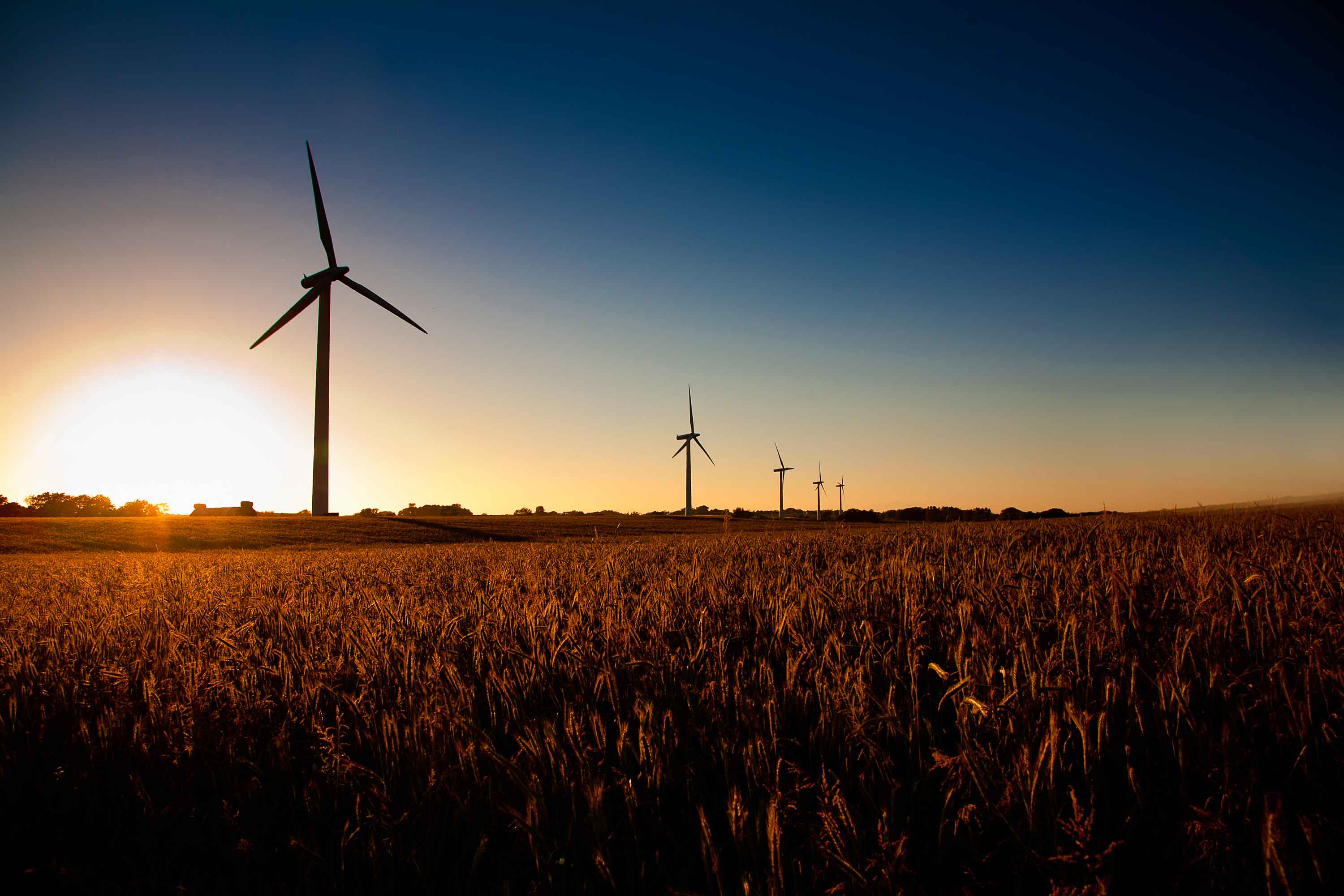
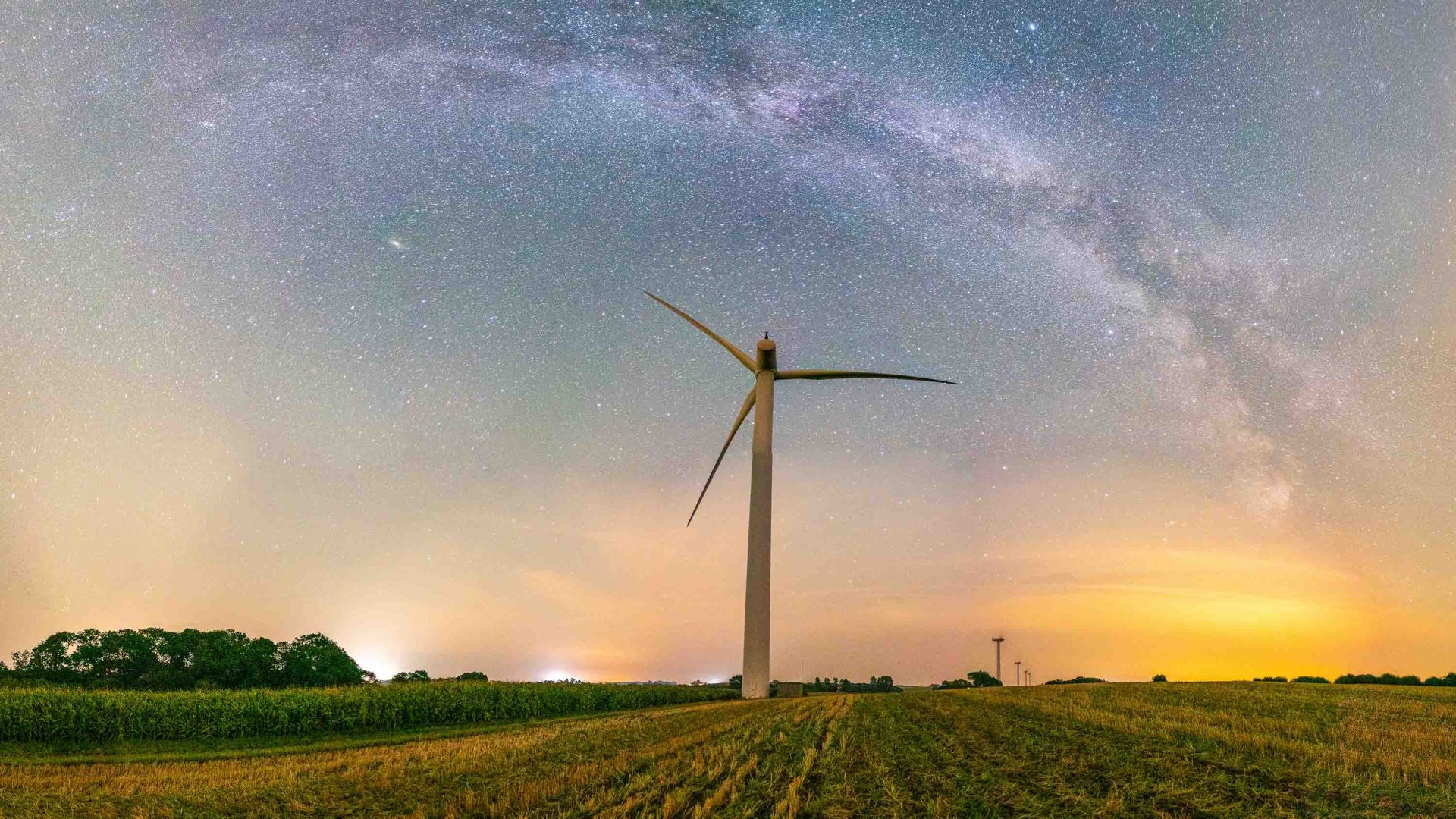
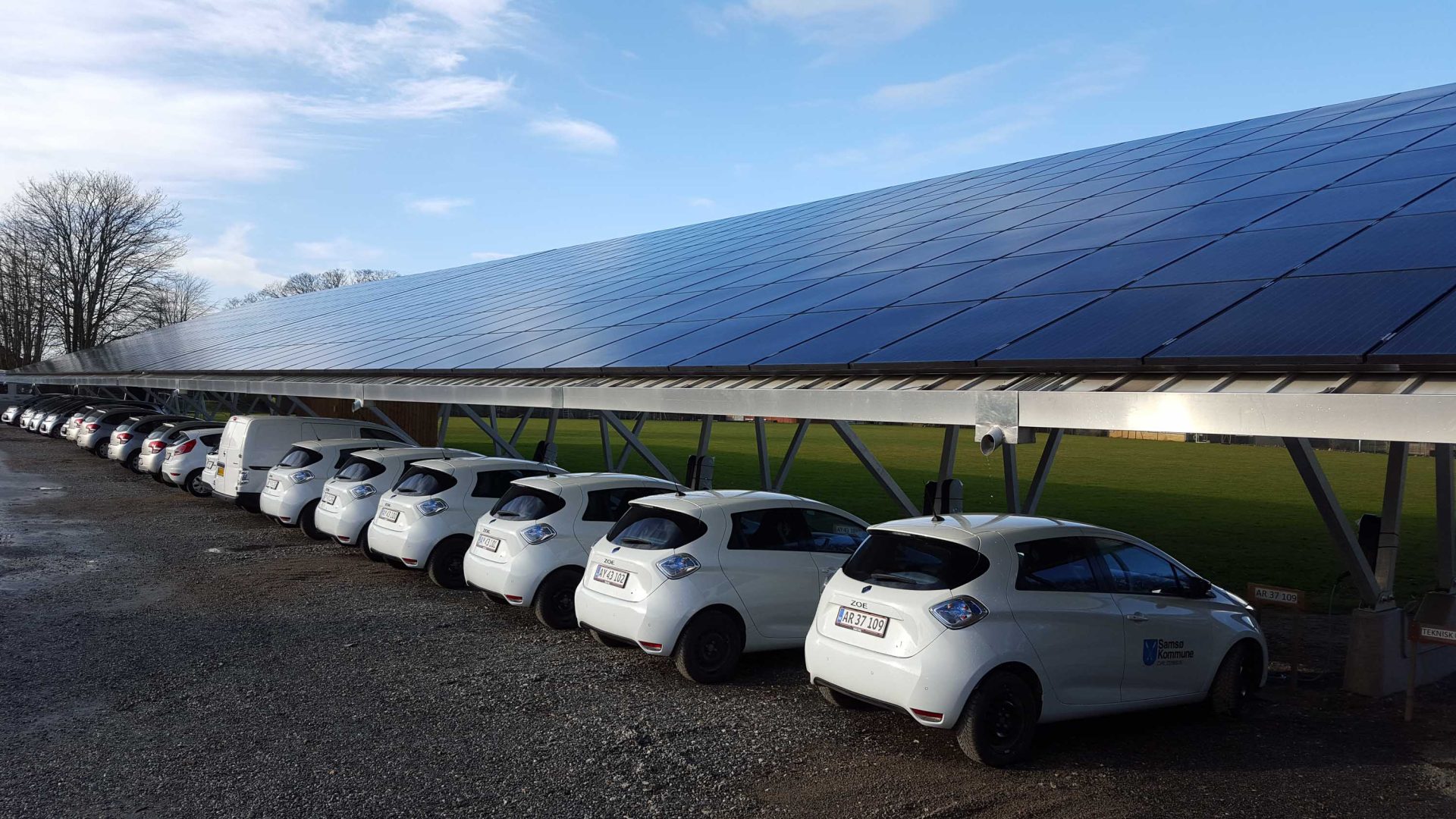
Expecting initial resistance from generations-old farming families, Hermansen relied on community buy-in and cooperative ownership models. Over the following years, residents, the Samsø Municipality, and local cooperatives financed and constructed 21 wind turbines, split evenly between 10 offshore installations and 11 land-based units. Today, the island’s energy grid is further supported by approximately 50 photovoltaic solar plants and biomass heating facilities fueled by locally sourced straw purchased directly from Samsø farmers.
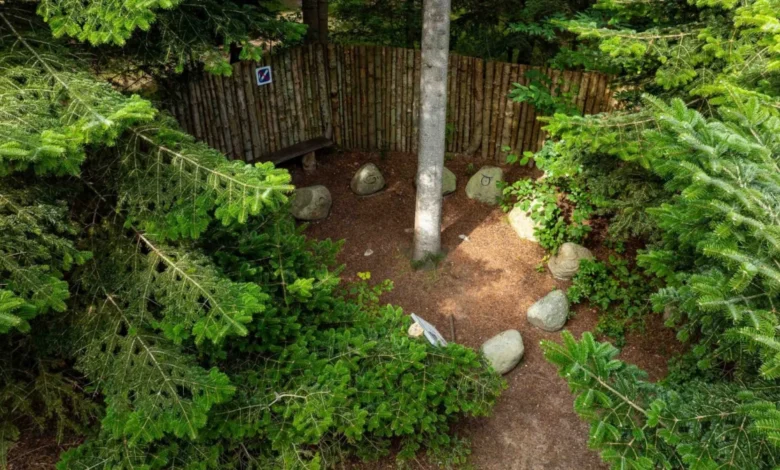
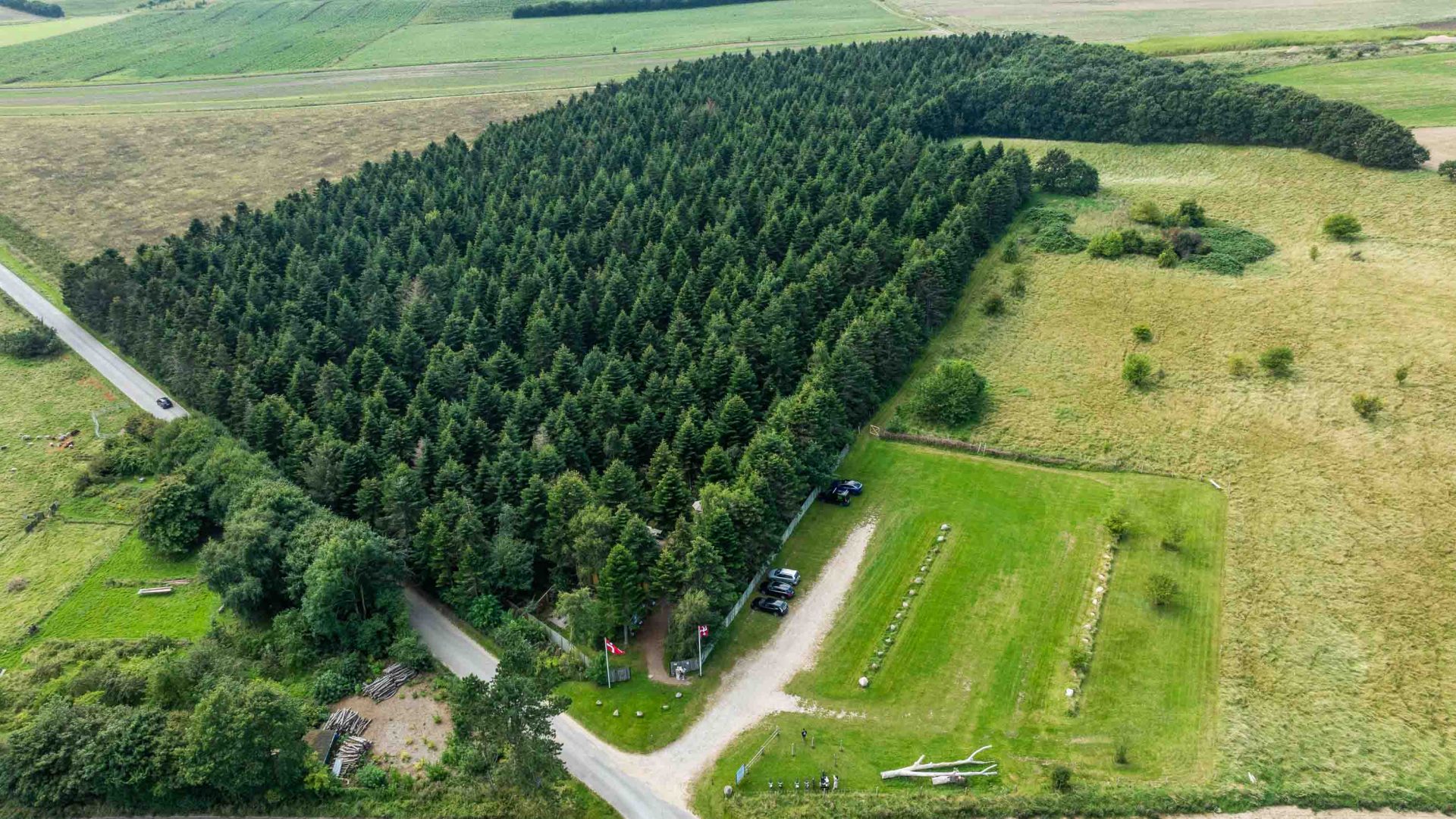
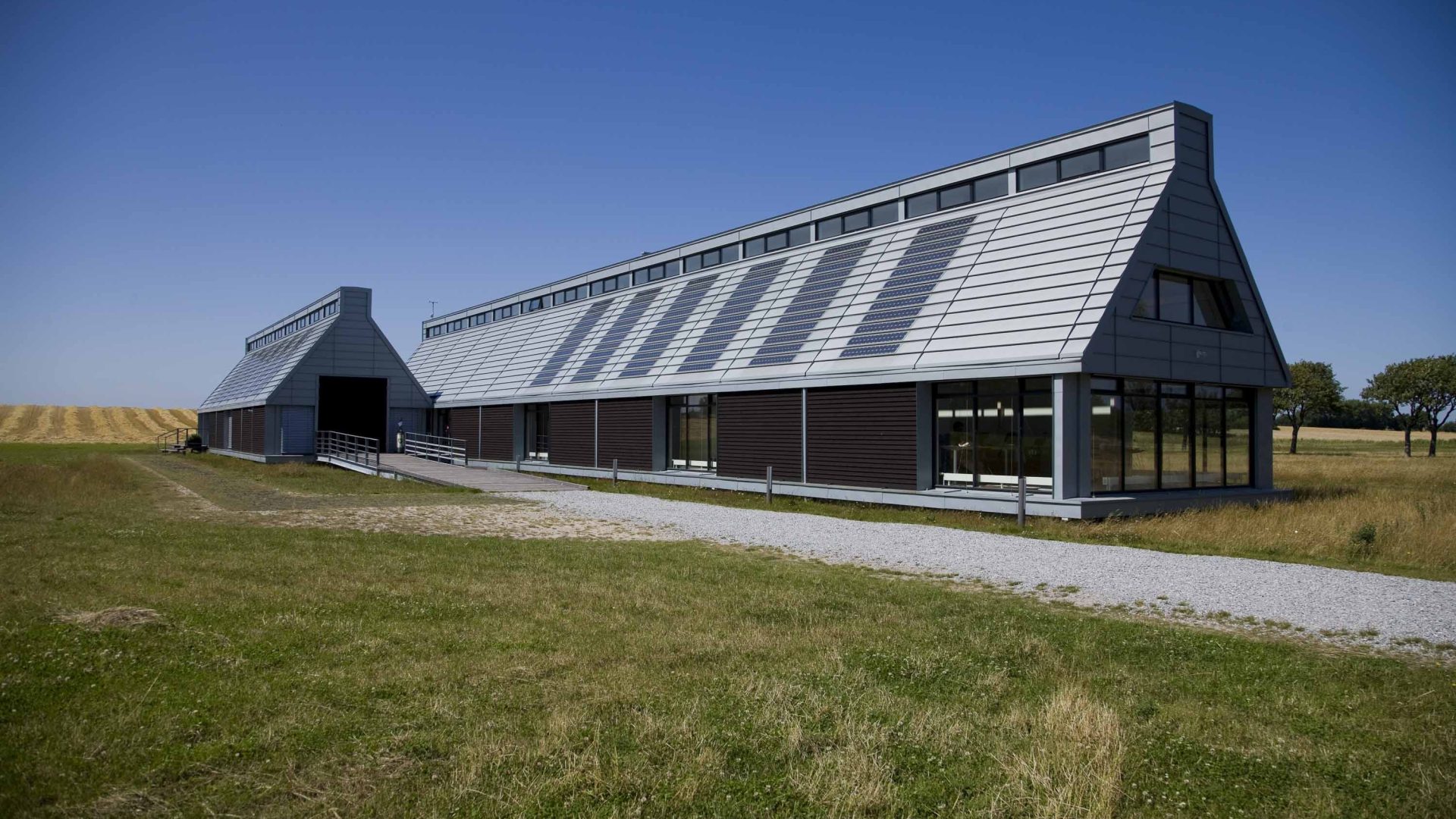
Beyond energy production, the island’s landscape reflects a holistic approach to sustainability. Opened in 2000, Samsø Labyrinten utilizes an abandoned Christmas tree plantation to form the Guinness-certified largest tree-maze in the world. Covering 15 acres, its 50,000 evergreen trees absorb between 1,000 and 1,250 metric tons of CO2 annually, offsetting roughly 1,000 round-trip economy flights between New York and London. Furthermore, the Samsø Energy Academy acts as a central hub for research, education, and global outreach, drawing international scholars, policymakers, and green-energy innovators to the island.
The Dark History of Stone-Fishing in Danish Waters
While the island’s terrestrial achievements have been widely documented in scholarly literature, the surrounding marine environment suffered decades of degradation. Between 1900 and 2000, approximately 9.15 million tons (8.3 million cubic meters) of stone—roughly equivalent to the mass of eight Empire State Buildings—were harvested from Danish seabeds. Known locally as "stone-fishing," this commercial practice involved dredging rocks from the shallow coastal waters for use in coastal protection, harbor construction, and housing foundations.
The removal of these boulders fundamentally altered the marine ecosystem, stripping away the complex rocky structures that native fish and aquatic plants relied upon for shelter, spawning, and survival. Michael Kristensen, a Samsø native and lifelong resident, recalls the stark shift in the island’s coastal waters. "When I was a child, we could fish straight from the beach," Kristensen notes. "As I grew older, I realized that this was no longer possible because marine habitats had been depleted by stone-fishing."
Recognizing the ecological devastation, the Danish government enacted a formal legislative ban on stone-fishing in 2010. In the years following, environmental authorities and marine biologists began exploring ways to rehabilitate damaged coastlines, aligning with Denmark’s legally binding commitment to achieve carbon neutrality by 2050.
Engineering BARREEF: A Three-Pronged Restoration Approach
Building upon Denmark’s broader national initiatives to establish coastal stone reefs, Samsø launched the BARREEF project near the vibrant harbor village of Ballen. Conceptualized to address multiple environmental vulnerabilities simultaneously, the project’s planning phase required navigating complex administrative hurdles and securing both community approval and government support.
According to Kristensen, the initiative was developed around three core environmental objectives: mitigating coastal erosion along a vulnerable stretch of gravel road prone to storm damage, reinstating complex marine habitats, and fostering the growth of vital seagrass meadows in the calm waters sheltered between the reef and the shoreline.
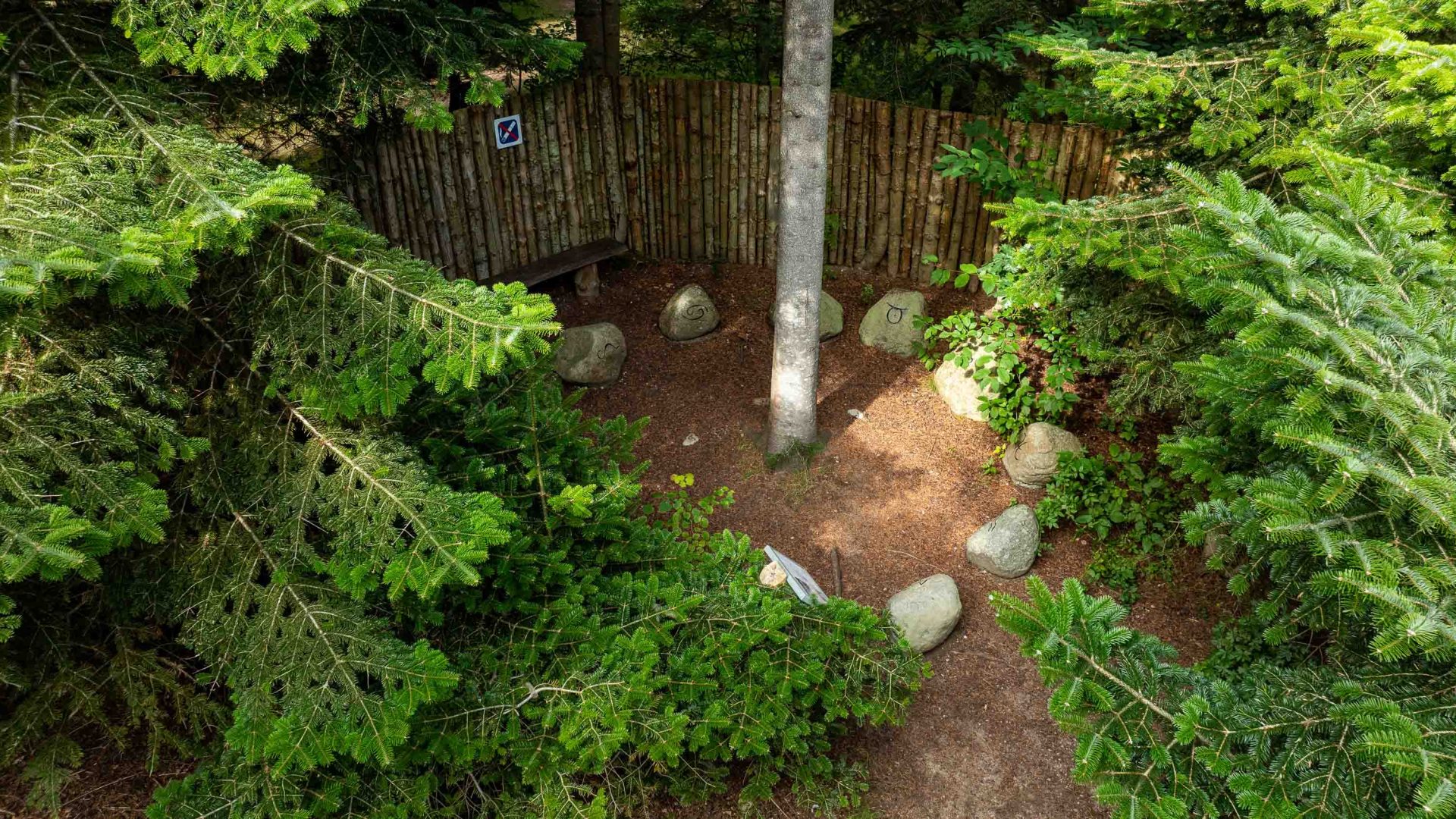
To construct the reef, project organizers procured 6,000 tons of granite waste sourced directly from Norwegian quarries. This material was deployed off the southeastern coast to mimic the natural glacial marine deposits that once protected the island’s shores. Unlike artificial reefs designed primarily for eco-tourism or recreational diving—such as the Labyrinten, where visitors are encouraged to explore—sailing is strictly prohibited within the immediate environs of BARREEF to allow the ecosystem to recover undisturbed.
Early Ecological Indicators and Marine Recovery
Though the project is in its early stages, initial scientific monitoring indicates positive ecological recovery. Cécilie Erichsen Kudsk, a marine biologist from DTU Aqua (National Institute of Aquatic Resources), emphasizes that submerged hard structures play a critical role in marine rewilding. Much like the submerged bases of offshore wind turbines, which naturally accumulate marine growth, the granite boulders of BARREEF provide essential substrate for algae, macroalgae, and fish species.
Underwater camera footage reviewed by researchers has already documented the return of foundational flora and fauna, including populations of goby and wrasse. Furthermore, marine biologists point out that stone reefs contribute significantly to carbon sequestration. By capturing bicarbonate ions from the water and combining them with calcium, these submerged rocky habitats facilitate the formation of natural skeletal structures, locking away carbon in a manner functionally similar to tropical coral ecosystems.
Socioeconomic Implications and the Future of Sustainable Tourism
The ecological rebirth of Samsø’s waters complements a broader socioeconomic revitalization across the island. The green transition has reversed historical population decline, drawing younger residents back to the island and attracting professionals to research and employment opportunities at the Energy Academy. Local commerce has similarly flourished. Small businesses, such as the Smagen af Øen ("Taste of the Island") café and grocery store in Nordby, have transitioned from stocking a handful of local condiments to offering an extensive array of regionally produced goods, including berry preserves, rapeseed oils, and apple juices.
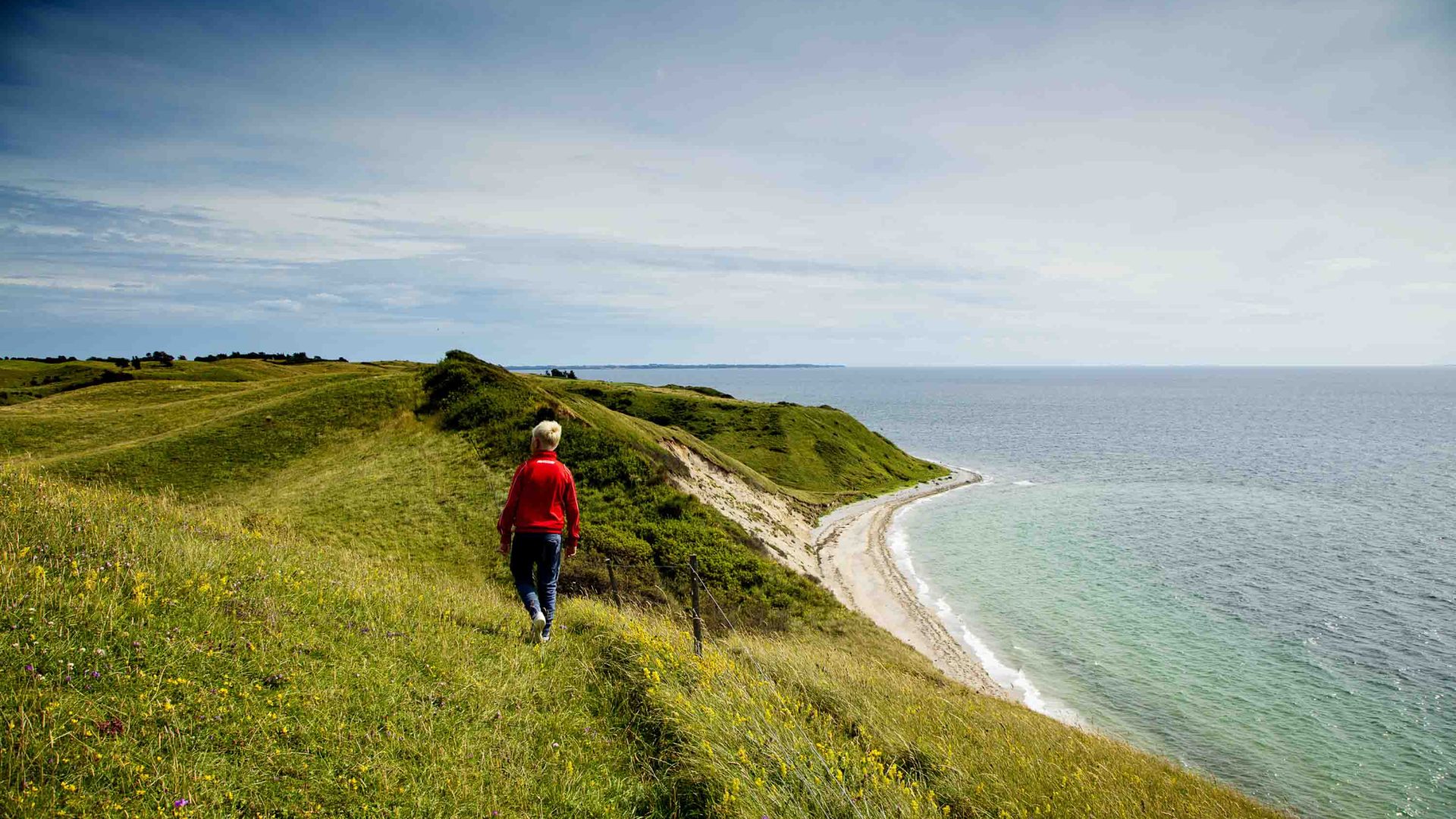
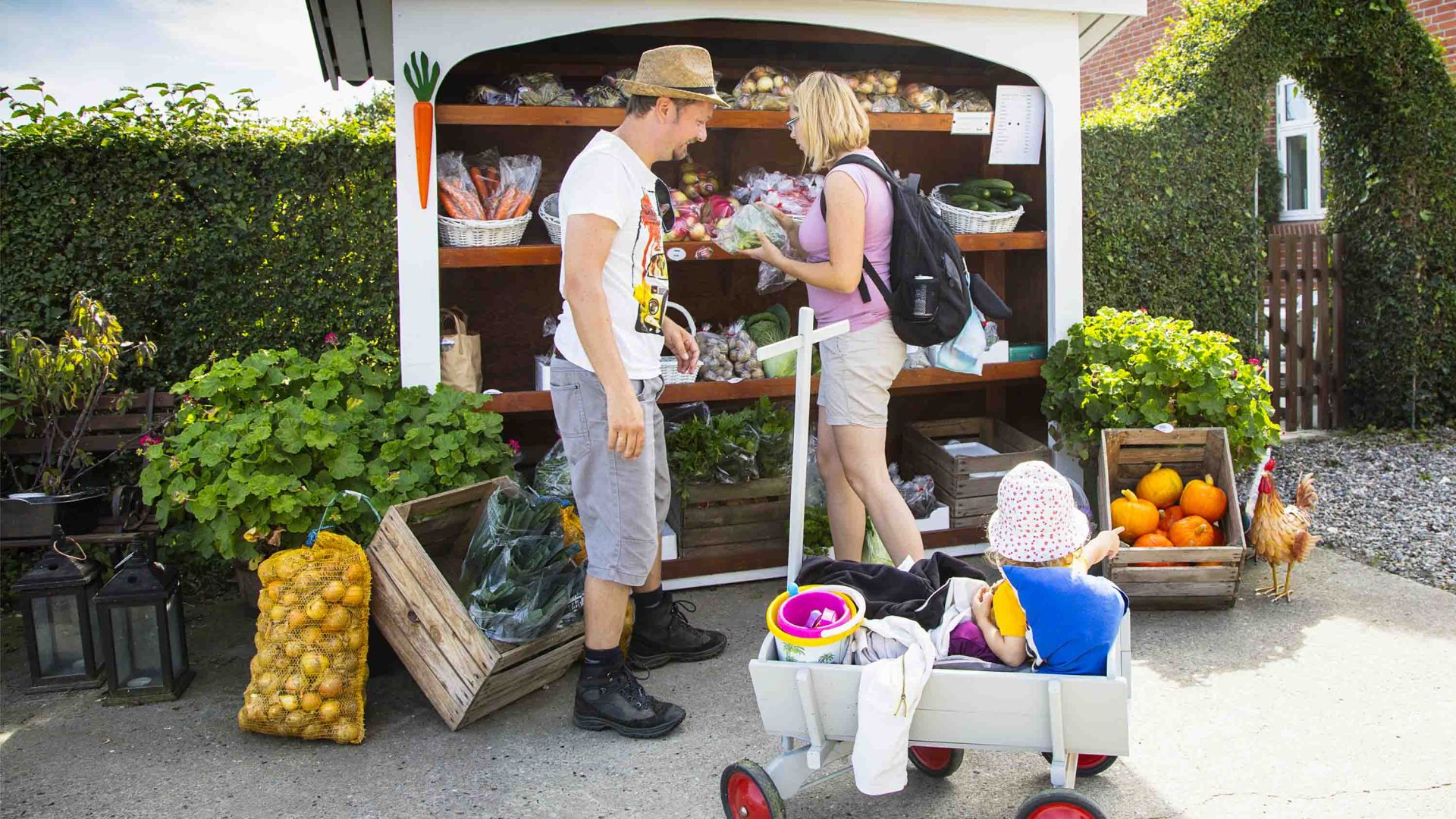
Known widely as "The Pantry of Denmark," Samsø leverages its agricultural output—including its celebrated potato crops, a portion of which is traditionally reserved for the Danish Royal Family—to promote a low-emissions, localized economy. Farmers like Aage Madsen have successfully pivoted from traditional agriculture to value-added production, operating farm shops that serve hikers exploring the nearby Besser Rev, a three-mile natural glacial spit teeming with birdlife such as cormorants, oystercatchers, and Arctic terns.
As BARREEF continues to mature, environmental experts anticipate that the restored waters will eventually offer controlled opportunities for snorkelers, paddleboarders, and divers to witness the return of marine life. For a community that transformed its entire energy infrastructure from the ground up, the establishment of the reef marks another chapter in Samsø’s evolution—proving that ecological restoration, much like renewable energy adoption, is most successful when driven by local stewardship, scientific rigor, and a long-term commitment to the natural world.
Related posts: