Chile’s capital of beer: A historical and cultural exploration of Valdivia’s unique brewing legacy and geographic transformation.

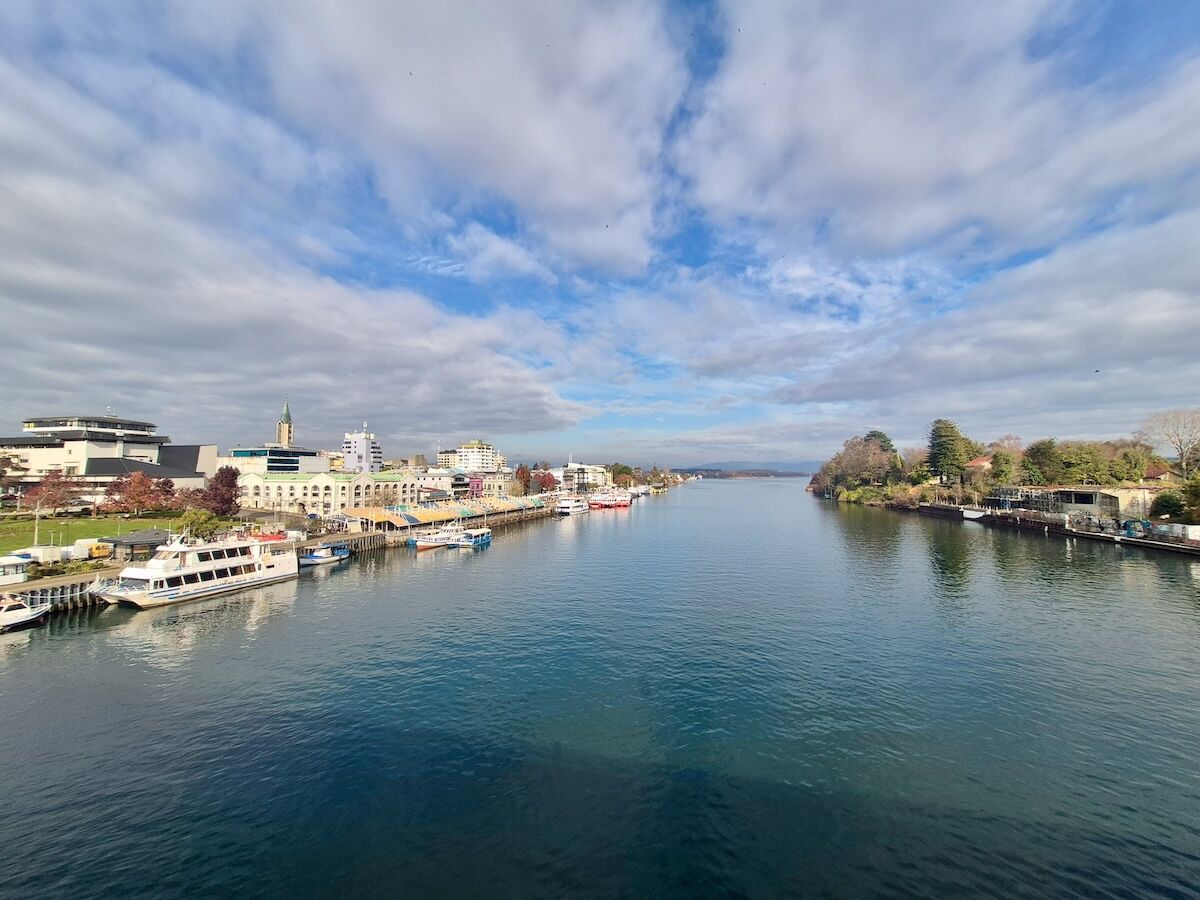
Valdivia, a city nestled in the heart of Chile’s Los Ríos region, has long transcended its reputation as a mere transit point for travelers heading toward the southern fjords. It stands today as a compelling intersection of 19th-century European immigration, seismic geological history, and a modern craft beer renaissance that has earned it the informal but widely accepted title of Chile’s brewing capital.
The German Legacy and the Birth of a Brewing Tradition
The roots of Valdivia’s beer culture can be traced back to the mid-19th century, a period marked by the "Ley de Inmigración Selectiva" (Law of Selective Immigration). Under this government initiative, the Chilean state actively recruited German settlers to cultivate the fertile, sparsely populated southern territories. Between 1850 and 1875, thousands of German families arrived in the region, bringing with them specialized agricultural techniques and, crucially, the refined traditions of Central European brewing.
Carlos Anwandter, a prominent figure among these early settlers, became a catalyst for the city’s industrial development. In 1851, Anwandter established one of the first commercial breweries in Chile on Isla Teja. His arrival signaled a departure from localized, home-style fermentation toward standardized, commercial production. While the original brewery structure was eventually lost to the catastrophic events of the 20th century, the cultural imprint remained. In the 1990s, entrepreneur Armin Kunstmann revitalized this dormant tradition, scaling it into the modern, internationally recognized Cervecería Kunstmann. This revival did not merely mimic German styles; it adapted them to the unique terroir of the Valdivian rainforest, utilizing the region’s high-quality water sources to produce amber ales and hoppy lagers that have since defined the regional palate.
Geological Transformation: The 1960 Valdivia Earthquake
To understand the current geography of Valdivia is to understand the seismic event of May 22, 1960. Recorded as the most powerful earthquake in documented history—registering a magnitude of 9.5 on the moment magnitude scale—it fundamentally altered the city’s landscape. The tectonic shift caused the land surrounding Valdivia to subside by as much as two meters in some areas.
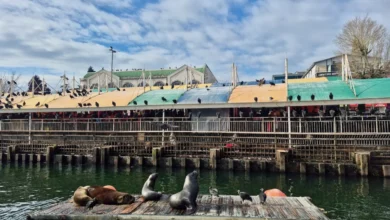
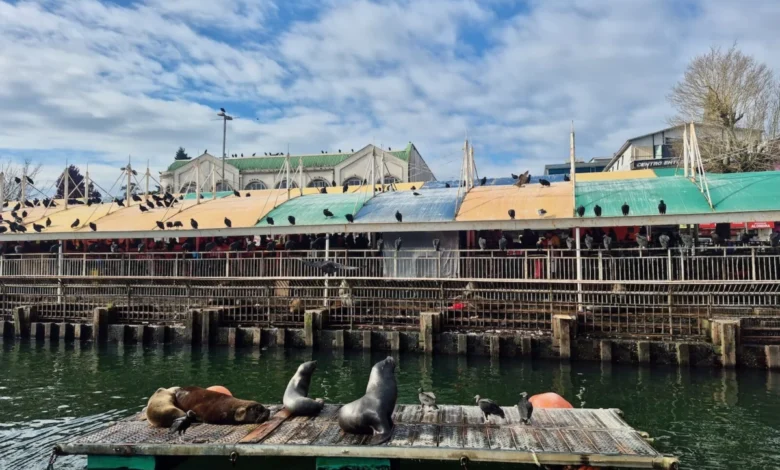
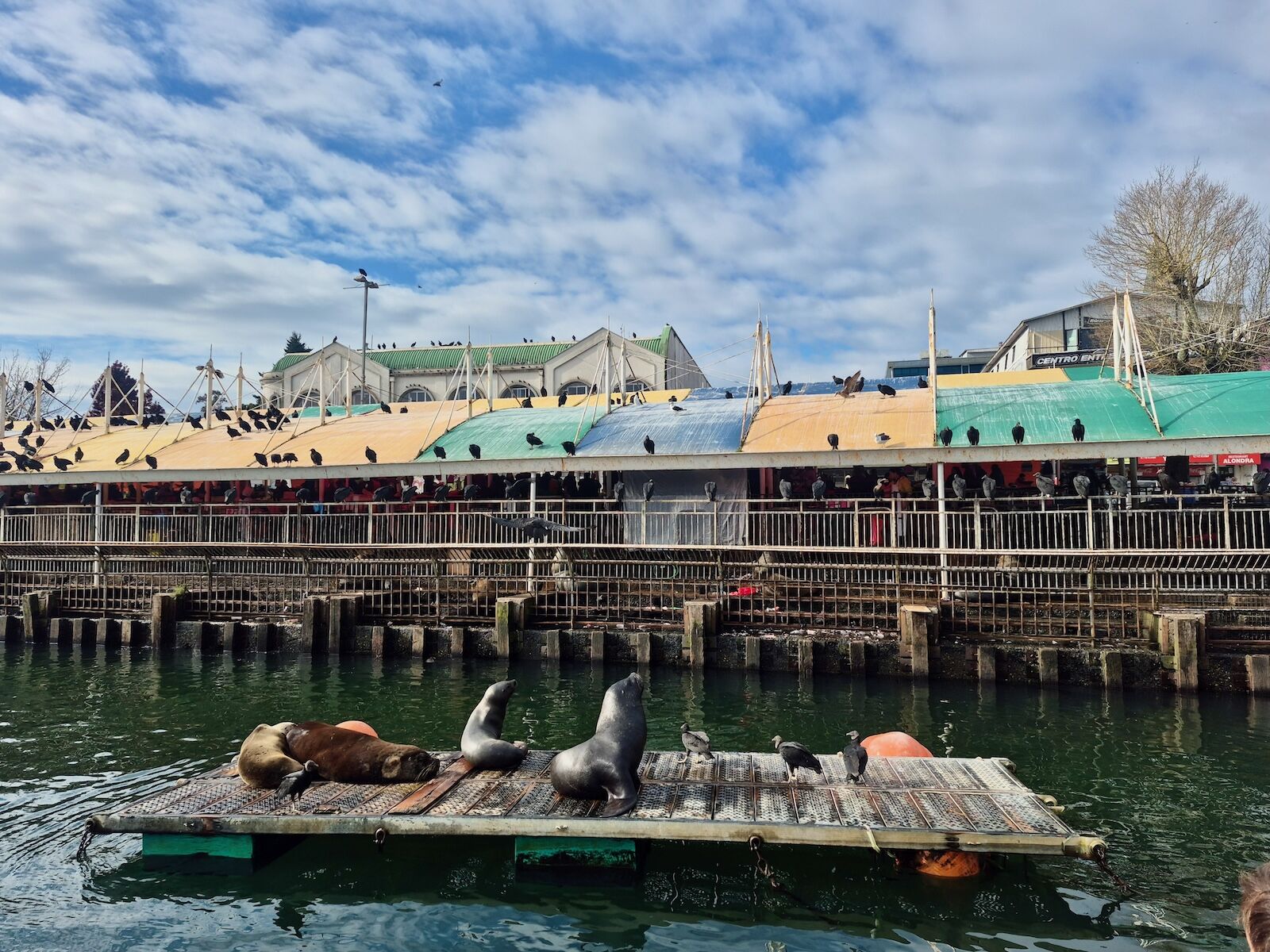
This subsidence transformed previously dry plains into the extensive Estancilla and Cruces wetlands. The subsequent rise in river levels created the intricate network of waterways that now characterizes the city. The environmental impact was permanent; the new, marshy ecosystem became a sanctuary for biodiversity, including the South American sea lion (Otaria flavescens). These animals, which frequent the Mercado Fluvial, have become a staple of the city’s tourism sector, representing the delicate equilibrium between urban development and the reclaimed wild.
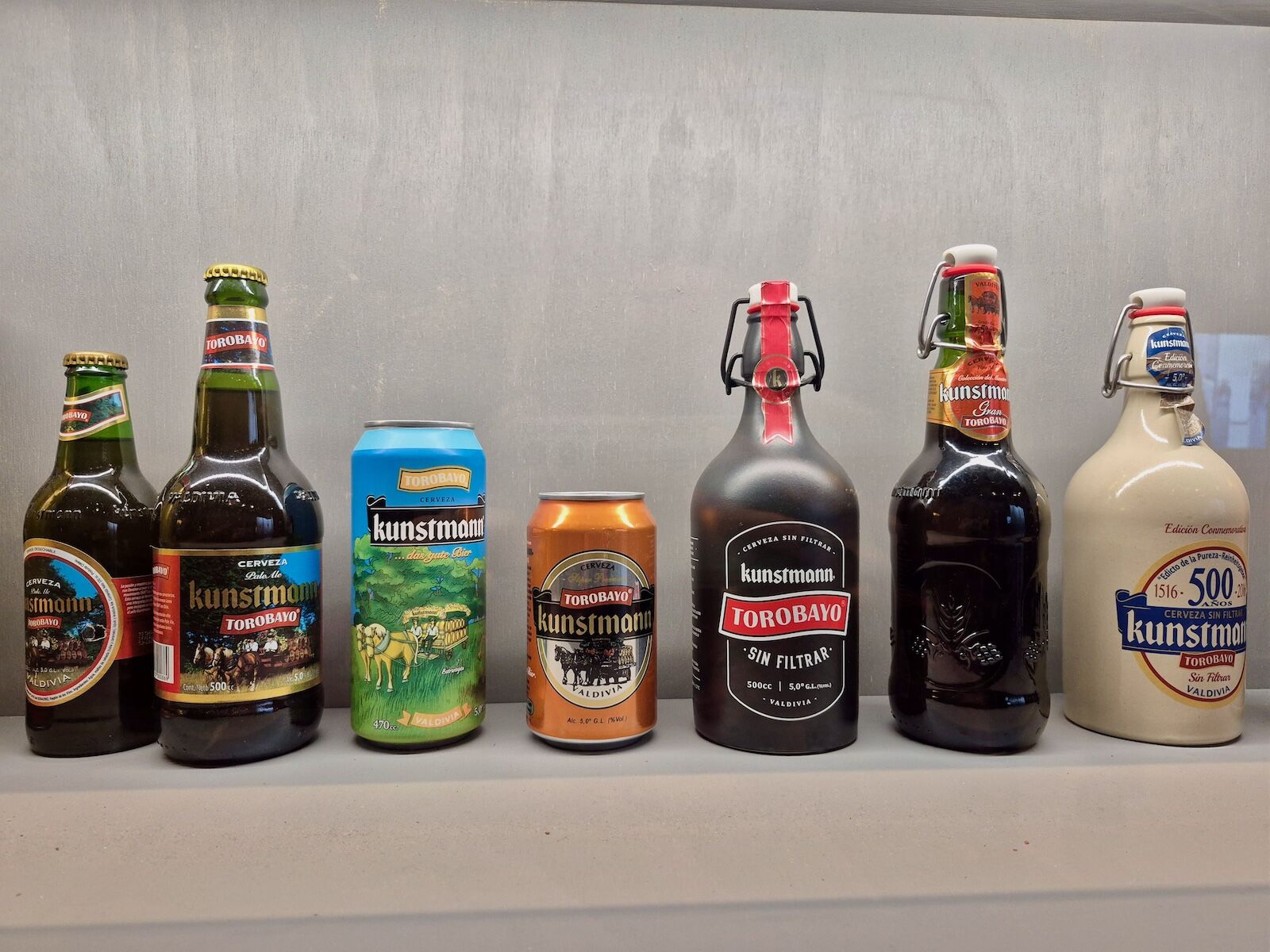
The Modern Craft Beer Industry and Economic Diversification
The brewing sector in Valdivia has evolved into a significant economic driver. Data from local industrial associations indicates that the craft beer industry contributes millions of dollars annually to the regional economy. The industry is currently characterized by a duality: the adherence to the German Reinheitsgebot (Purity Law) heritage and the adoption of contemporary American and Belgian craft methodologies.
Establishments like El Growler on Isla Teja exemplify this shift. Founded by international brewers who integrated into the local scene, such businesses represent a move toward "industrial-chic" hospitality, combining traditional regional food—such as crudos, a Chilean adaptation of German steak tartare—with modern, high-gravity IPAs and stouts. The annual Kunstmann Bierfest, held between January and February, serves as the industry’s primary showcase, attracting thousands of visitors and providing a centralized platform for brewers to engage with a global audience.
Maritime History and Infrastructure
Beyond its breweries, Valdivia offers a unique window into military and maritime history. The O’Brien, a decommissioned Oberon-class submarine, serves as a primary site for historical education. Built in Scotland in 1971 and operated by the Chilean Navy until its retirement in 2001, the vessel was converted into a museum ship. It provides technical insight into Cold War-era naval engineering, allowing visitors to inspect the engine rooms and torpedo compartments.
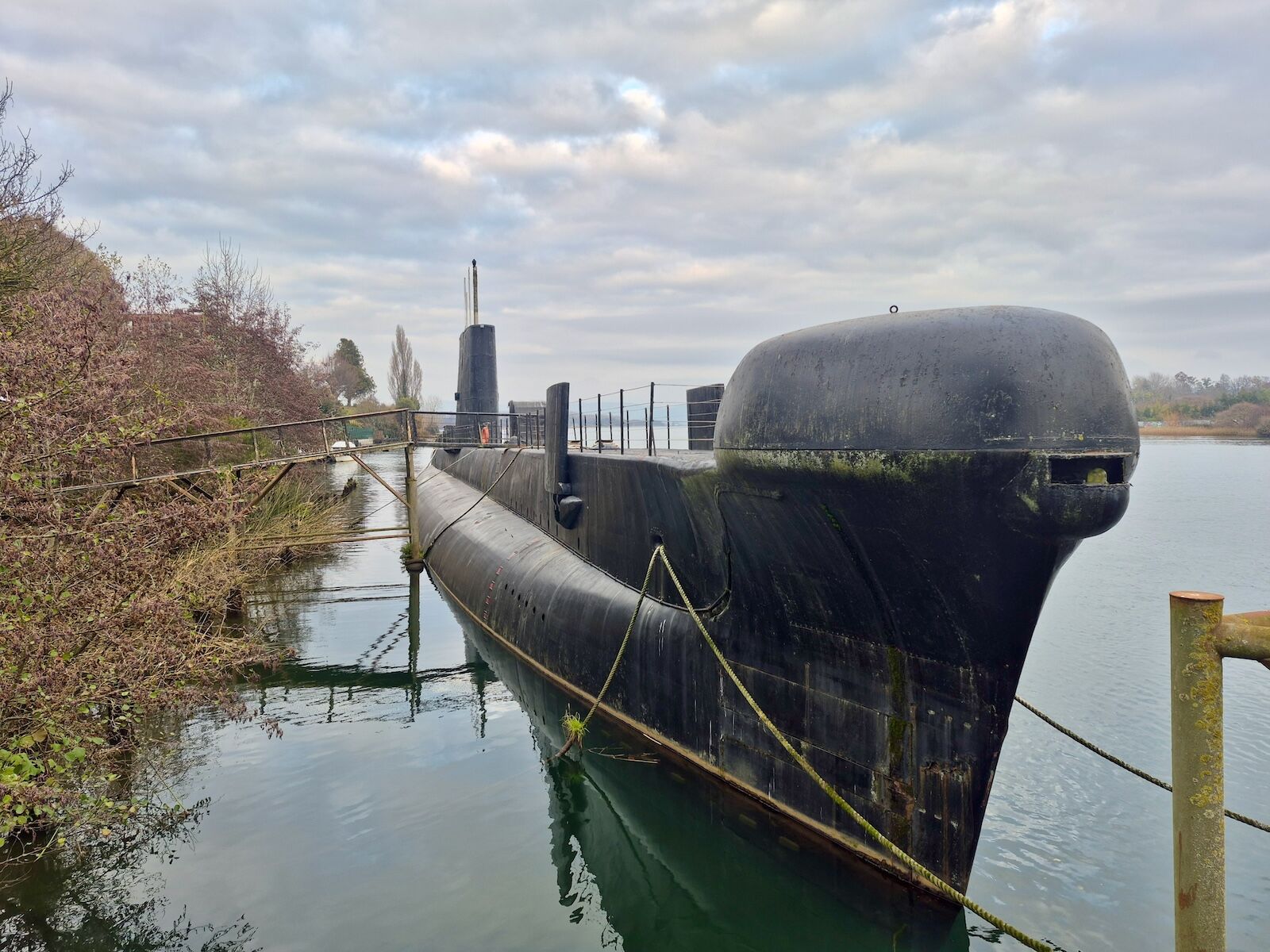
This, coupled with the ruins of the Castillo de Niebla—a colonial-era fortress built by the Spanish Crown in the 17th century—highlights the city’s strategic importance. The fortifications were designed to control the mouth of the Valdivia River, a critical bottleneck for any maritime power attempting to control the southern Pacific routes. Today, these sites are managed as historical monuments, balancing the preservation of colonial architecture with the realities of modern tourism.
Tourism and Regional Connectivity
For the modern traveler, Valdivia is accessible via the Pichoy Airport, though the city is increasingly linked to the broader "Los Lagos" and "Los Ríos" circuit. This connectivity has facilitated a shift toward more sustainable, experiential travel. Accommodations like Hotel Puerta del Sur, located on the banks of the Cruces River, leverage the natural environment by offering eco-tourism activities, including cycling through nature reserves and utilizing geothermal-heated barrel tubs.
The integration of public transportation, specifically the micro (bus) network, remains the most efficient way to navigate the periphery, including the route to the coastal village of Niebla. Local authorities note that the coordination between river-based tours, such as those provided by regional operators like Kimeltu Los Rios, and terrestrial transport is essential for maintaining the city’s status as a top-tier destination in southern Chile.
Analysis of Future Projections
The implications of Valdivia’s current trajectory are significant. As the city continues to leverage its history as a "capital of beer" and a site of geological resilience, it faces the challenge of sustainable urban planning. The rise in tourism, while economically beneficial, places pressure on the wetlands and the historical integrity of the riverfront.
Experts in regional development suggest that the city’s success depends on the continued professionalization of the craft brewing industry and the careful maintenance of its historical sites. The shift toward a diversified, experience-based economy—where visitors engage with both the history of the 1960 earthquake and the modern, innovative brewing techniques—positions Valdivia as a resilient model for secondary cities in South America.
In conclusion, Valdivia is a city defined by its ability to synthesize external influences with its own dramatic environmental history. From the early German settlers who laid the foundations of a massive industry to the survivors of the 1960 earthquake who reshaped the city’s physical boundaries, Valdivia has consistently adapted. As it looks toward the future, the city remains a testament to the endurance of tradition and the transformative power of nature, serving as a primary case study for how a localized craft movement can anchor the identity of a modern, thriving urban center.
Related posts: