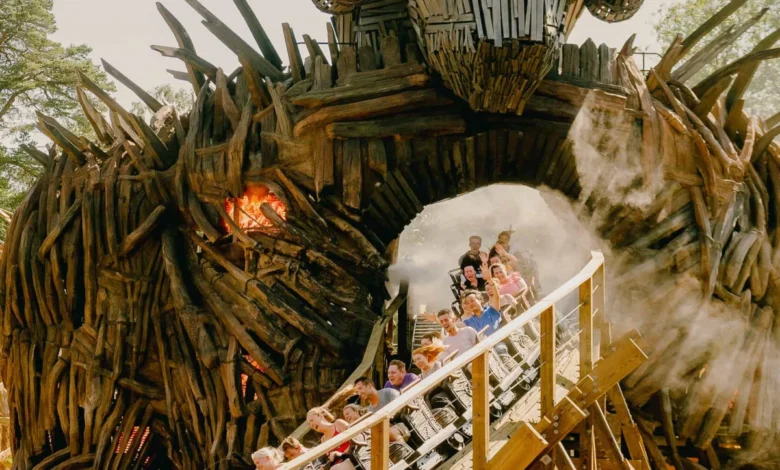
The United Kingdom boasts a diverse and robust theme park industry that contributes significantly to the domestic tourism economy, attracting millions of visitors annually. From record-breaking roller coasters in Staffordshire to immersive cinematic experiences near London, the UK’s amusement sector offers a blend of historical charm and cutting-edge engineering. This report examines the most prominent attractions across the country, evaluating their operational significance, historical context, and the economic implications of their continued popularity.

The Evolution of the British Theme Park Industry
The UK’s theme park sector has evolved from Victorian-era seaside pleasure gardens into highly sophisticated resort destinations. Historically, locations such as Blackpool Pleasure Beach set the standard for seaside entertainment in the early 20th century. However, the late 20th century saw a paradigm shift toward "destination parks"—large-scale, inland facilities such as Alton Towers and Thorpe Park, which operate under the umbrella of major leisure groups like Merlin Entertainments. These parks have integrated on-site accommodation, water parks, and complex ticketing structures to extend the average duration of visitor stays, thereby maximizing revenue per capita.

Alton Towers: Engineering and Constraints
Alton Towers, situated in the Staffordshire countryside, remains the UK’s most iconic theme park. Opened to the public in 1980, it transformed from a grand estate into a world-class attraction. It is unique due to its strict planning regulations; because the park is located within a sensitive landscape, developers are prohibited from building structures that extend above the surrounding tree line.

This constraint has forced designers to utilize "terrain-based" engineering, where coasters like the legendary Nemesis Reborn are built into excavations in the ground. While this creates a distinct, immersive ride experience, it also necessitates complex logistics for visitors. Operational data indicates that peak-day attendance often results in significant wait times, leading the park to implement a tiered "Fast-track" system. This economic model allows the operator to manage crowd flow while generating auxiliary revenue.

Thorpe Park and the Greater London Market
Thorpe Park, located in Chertsey, Surrey, serves as the primary hub for thrill-seekers in the South East. Its strategic proximity to London makes it a vital asset for regional tourism. The park has recently garnered international attention for the introduction of Hyperia, which holds the title of the UK’s tallest and fastest roller coaster.

From a market perspective, Thorpe Park’s positioning is deliberate. By focusing on high-intensity "white-knuckle" rides such as Stealth and The Swarm, the park captures the youth and young-adult demographic. The economic impact of such attractions is substantial; the construction of a record-breaking coaster often correlates with a double-digit percentage increase in annual ticket sales and a rise in local hotel occupancy rates during the summer peak.

Family-Centric Destinations: Paultons, Legoland, and Chessington
While thrill rides dominate the headlines, the UK market relies heavily on family-oriented parks. Paultons Park, located in the New Forest, has seen a surge in popularity following the development of "Peppa Pig World." This branding strategy represents a shift toward intellectual property (IP) integration, a global trend in the theme park industry intended to drive repeat visits from families with young children.

Similarly, Legoland Windsor and Chessington World of Adventures utilize thematic branding to secure market share. Legoland combines physical engagement—such as building workshops—with traditional rides, catering to a specific developmental age group. Chessington, meanwhile, distinguishes itself by merging a traditional theme park with a zoo, providing a "two-in-one" attraction model that increases the perceived value of a single day’s admission.

Regional Gems: Drayton Manor, Flamingo Land, and Pleasurewood Hills
Beyond the major chains, regional parks like Drayton Manor in Staffordshire and Flamingo Land in Yorkshire play a critical role in local economies. Drayton Manor is noted for its "Thomas Land," a long-standing partnership with the Thomas & Friends franchise, which has allowed the park to remain competitive despite the presence of larger national rivals.

Flamingo Land, alternatively, leverages a combination of a zoo and a theme park, reflecting a diversified revenue model. This hybrid approach is common in the UK, as it mitigates the risk of seasonal volatility. If the weather is inclement—a perennial issue for UK operators—the zoo portion of the park can sometimes remain viable when ride operations are suspended.

Historical Landmarks: Blackpool Pleasure Beach and Margate Dreamland
Blackpool Pleasure Beach occupies a unique position in the UK’s cultural landscape. As a historic landmark, it features a blend of vintage wooden roller coasters and modern steel structures like ICON. Unlike many inland parks, it is deeply embedded in the urban fabric of Blackpool. While it has faced competition from modern resorts, its status as a heritage site ensures its continued relevance.

Margate Dreamland offers a different model: the "pay-as-you-go" system. By removing a general admission fee, Dreamland lowers the barrier to entry, allowing it to function as a public space that hosts music events and cultural festivals. This model has been credited with the revitalization of Margate as a destination, demonstrating the potential for amusement parks to serve as catalysts for urban regeneration.

The Role of Cinematic Tourism: Warner Bros. Studio Tour
The Warner Bros. Studio Tour in Leavesden is an outlier in the traditional theme park definition but is arguably the most successful "experience-based" attraction in the UK. By focusing on the Harry Potter film franchise, the site provides a highly curated, immersive look at set design and special effects.

The economic implications here are profound. Unlike traditional parks that rely on high-turnover ride throughput, the Studio Tour relies on limited-capacity, pre-booked entry. This model creates a premium demand curve, with tickets often selling out months in advance. The success of this venue highlights a shift in consumer preference toward "behind-the-scenes" and educational entertainment.

Market Analysis and Operational Implications
The UK theme park industry currently faces several challenges:

- Seasonal Dependence: Most parks rely on the period between April and October for the vast majority of their revenue. Winter operations are often limited to festive light displays or "Christmas at the Park" events.
- Infrastructure Costs: Maintaining, upgrading, and replacing roller coasters involves significant capital expenditure. Operators must balance the cost of these assets against the risk of diminishing returns if attendance does not scale accordingly.
- Regulatory Environment: Stringent health and safety laws in the UK, governed by the Health and Safety Executive (HSE), ensure that the UK’s safety record remains among the best in the world. However, these regulations also impose high compliance costs on operators.
Conclusion
The United Kingdom’s theme park sector remains a cornerstone of the domestic leisure industry. Whether through the high-octane thrills of Hyperia at Thorpe Park, the educational and cultural depth of the Harry Potter Studio Tour, or the historical resilience of Blackpool Pleasure Beach, these venues contribute to the nation’s economic and social fabric. As operators continue to integrate digital technology, intellectual property, and sustainable practices, the industry is well-positioned to maintain its appeal for both domestic and international visitors for the foreseeable future. Planning, booking in advance, and selecting the right venue based on the age and interests of the party remain the essential strategies for maximizing the value of these diverse and iconic British experiences.
Related posts: