Crossing the Mediterranean: A Comprehensive Guide to Ferry Travel Between Europe and Morocco

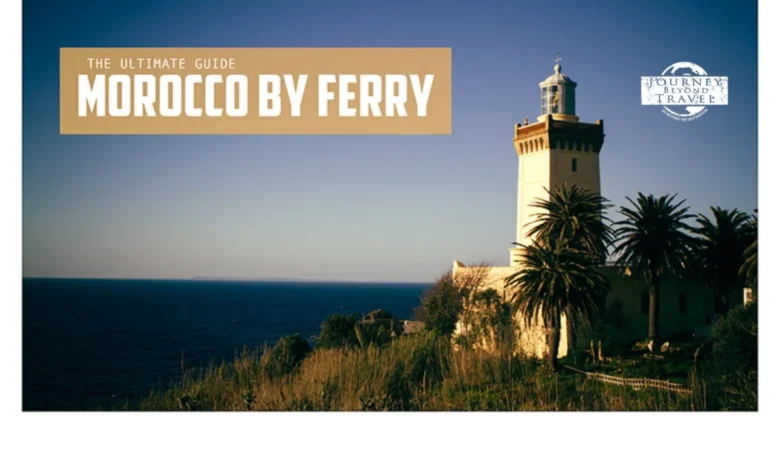
While air travel remains the primary mode of transit for international visitors entering Morocco, a significant demographic of travelers continues to favor the maritime route, a tradition deeply rooted in the historical and economic ties between the Maghreb and the European continent. Entering Morocco by ferry offers a distinct alternative to commercial aviation, providing logistical flexibility for those transporting vehicles and a unique vantage point of the Strait of Gibraltar. As of mid-2026, the ferry industry serving the North African coast has undergone significant operational shifts, marked by the retirement of long-standing operators and the introduction of new service standards designed to meet the demands of an increasing volume of cross-continental traffic.
The Strategic Importance of Moroccan Port Infrastructure
Morocco’s northern coastline serves as the country’s primary maritime gateway, facilitating both passenger travel and a substantial portion of the nation’s import-export economy. The ports of Tangier Ville, Tangier Med, Nador, and the Spanish enclaves of Ceuta and Melilla constitute the main entry points for travelers arriving from Europe.
Tangier Med, located approximately 30 kilometers east of the city of Tangier, has evolved into a critical logistical hub. Unlike the older Tangier Ville port, which provides direct access to the city’s historic medina, Tangier Med was designed for large-scale freight and passenger capacity. For the modern traveler, this distinction is vital: Tangier Ville is the preferred choice for foot passengers seeking immediate proximity to the city center, while Tangier Med is optimized for those traveling by vehicle, offering high-frequency sailings that connect efficiently to the national highway network.
From these ports, the Moroccan road infrastructure provides a direct link to major urban centers. Tetouan is accessible within 90 minutes from the northern ports, while the blue-walled city of Chefchaouen lies approximately two hours away. For travelers heading south, the capital, Rabat, can be reached in under three hours by car, with Casablanca, Fez, and Meknes situated between four and five hours from the port of arrival.
Historical Context and Recent Operational Shifts
The maritime link between Spain and Morocco has historically been the most active, characterized by the short transit times across the Strait of Gibraltar. For over two decades, FRS (Ferry Rapid Sud) played a dominant role in these waters, particularly on the Tarifa-Tangier route. However, the industry landscape shifted significantly in 2023 when the Danish shipping giant DFDS acquired the operations of FRS. By May 2025, the brand transitioned fully under the DFDS banner, signaling a move toward standardized European service levels.
This consolidation has not diminished competition. Operators such as Balearia and Africa Morocco Link (AML) remain key players, ensuring that the route between Tarifa and Tangier retains a high frequency of service, with between 10 and 14 daily crossings. These shifts reflect broader trends in the logistics sector, where efficiency, port automation, and integrated ticketing systems have become the standard for maintaining competitive pricing and reliability.
Statistical Overview of Major Ferry Routes
Navigating the logistical requirements of ferry travel requires an understanding of the varied transit times and seasonal frequencies. The following table summarizes current operational standards as of June 2026:
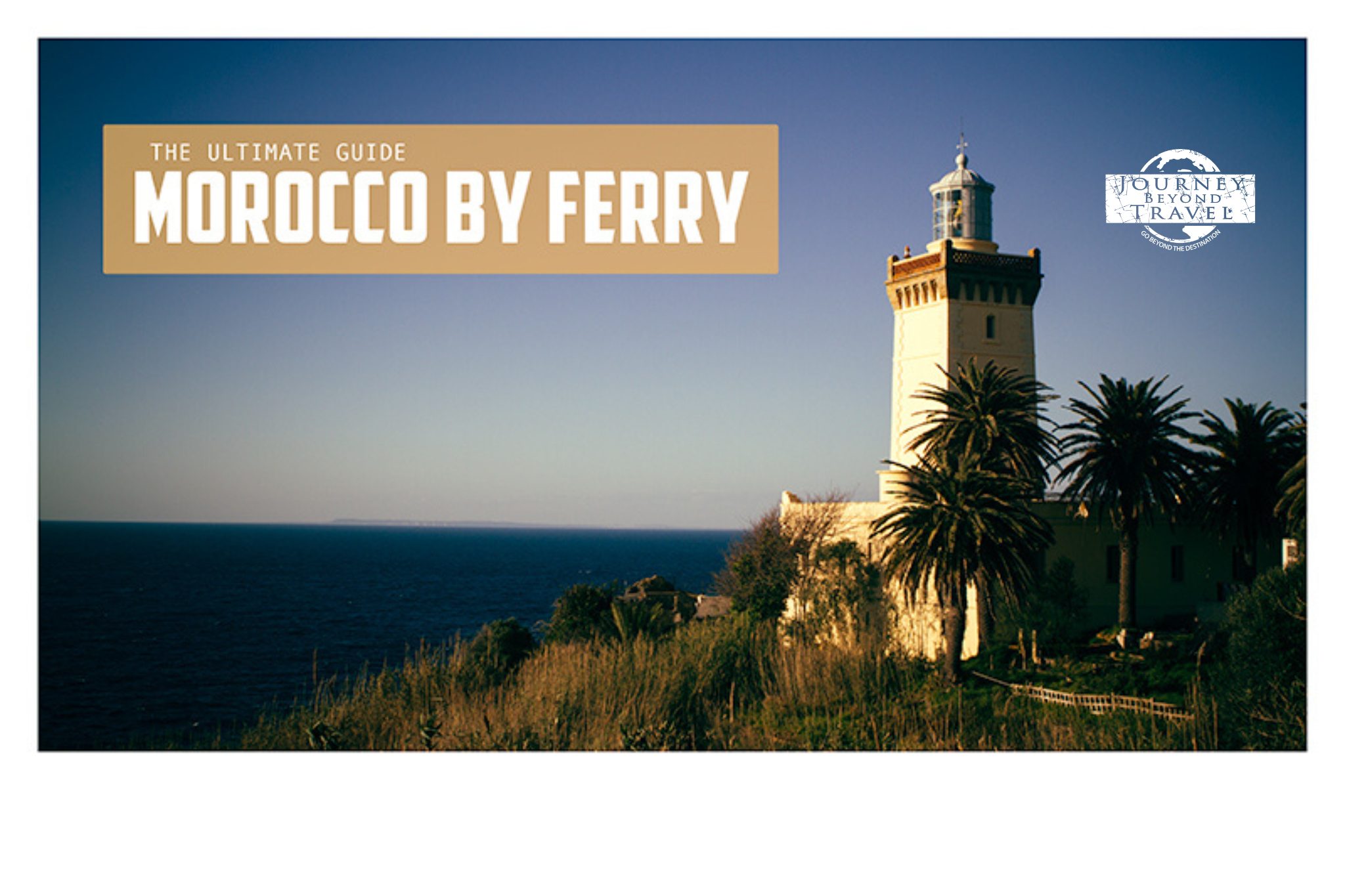
| Route | Average Transit Time | Frequency | Primary Operators |
|---|---|---|---|
| Tarifa–Tangier | 1 hour | 10–14 daily | Balearia, AML |
| Algeciras–Ceuta | 1 hour | 15–19 daily | Balearia, DFDS, Naviera Armas |
| Algeciras–Tangier Med | 1.5 hours | 15+ daily | DFDS, Balearia, Naviera Armas, AML |
| Malaga–Melilla | 6 hours | 7–10 weekly | Balearia |
| Almeria–Nador | 6–9 hours | 7–14 weekly | Balearia, Naviera Armas |
| Barcelona–Tangier Med | 28–36 hours | 2–5 weekly | Grandi Navi Veloci |
Beyond the short-haul crossings from Spain, long-distance maritime corridors connect Morocco to France and Italy. These routes, primarily served by Grandi Navi Veloci (GNV), cater to travelers preferring a sea-based transit over extensive driving through the Iberian Peninsula. Departures from Sete in France and Genoa or Civitavecchia in Italy involve transit times ranging from 24 to over 50 hours, necessitating the booking of cabins and onboard facilities.
Economic and Logistical Implications for Travelers
The decision to choose a ferry over a flight is rarely based on speed; rather, it is a calculation of convenience, cost, and personal travel philosophy. The primary advantage of maritime transit is the ability to transport a private vehicle. For many European expatriates and long-term tourists, this facilitates a level of autonomy that is difficult to replicate with car rentals. Furthermore, ferry operators do not impose the same restrictive baggage policies as commercial airlines, making this mode of travel ideal for those transporting equipment, gear, or personal items for extended stays.
However, potential travelers must account for several variables:
- Schedule Variability: Unlike commercial airlines, which operate under strict global slot controls, ferry schedules can be influenced by meteorological conditions in the Strait of Gibraltar, where strong currents and high winds are frequent.
- Peak Season Demand: Prices fluctuate significantly based on the booking window and seasonality. During the summer months, demand for crossings surges, and the complexity of port management—including customs, vehicle inspections, and passenger processing—increases.
- Transfer Logistics: For those traveling without vehicles, the transition from port to city requires reliance on local infrastructure. In Ceuta and Melilla, travelers must clear customs before transitioning to local taxi services or public transit to reach major Moroccan cities.
Official Guidelines and Regulatory Framework
Entry into Morocco via ferry is subject to the same regulatory requirements as entry by air. Most passport holders from the United Kingdom, the United States, and the European Union do not require a visa for short-term stays (up to 90 days). Nevertheless, maritime travelers are advised to verify their documentation—including vehicle registration, international insurance, and, where applicable, the "Green Card" for vehicle coverage—before arriving at the port.
Port authorities consistently emphasize the importance of early arrival. For passengers with vehicles, it is industry standard to arrive at the terminal at least 90 to 120 minutes prior to departure to facilitate the necessary documentation checks and loading procedures.
Broader Impacts: Tourism and Connectivity
The ferry network is a vital artery for the Moroccan tourism industry, particularly for the "drive-tourism" segment. By enabling visitors to bring their own transport, Morocco attracts a consistent flow of travelers who venture into the Atlas Mountains, the Sahara, and coastal regions that are less accessible via traditional public transit hubs.
From an economic standpoint, the continued investment by major shipping firms in the Tangier Med and Nador routes underscores a long-term confidence in the stability and growth of the Moroccan tourism sector. As infrastructure projects continue to modernize, the integration between the Mediterranean maritime corridor and the internal Moroccan rail and road networks (managed by entities such as ONCF and CTM) is expected to become increasingly seamless.
Ultimately, while the convenience of air travel remains unchallenged for short-stay tourists, the ferry remains an indispensable component of the travel landscape. Whether motivated by the practical necessity of vehicle transport or the desire for a slower, more deliberate entry into the North African landscape, travelers utilizing these routes contribute to a diverse and resilient tourism ecosystem. Planning remains essential; with shifting operator dynamics and seasonal price volatility, booking in advance and consulting official operator documentation remains the most effective strategy for ensuring a successful transit.