Navigating the Kuwait to Iraq Border Crossing: A Comprehensive Guide for International Travelers

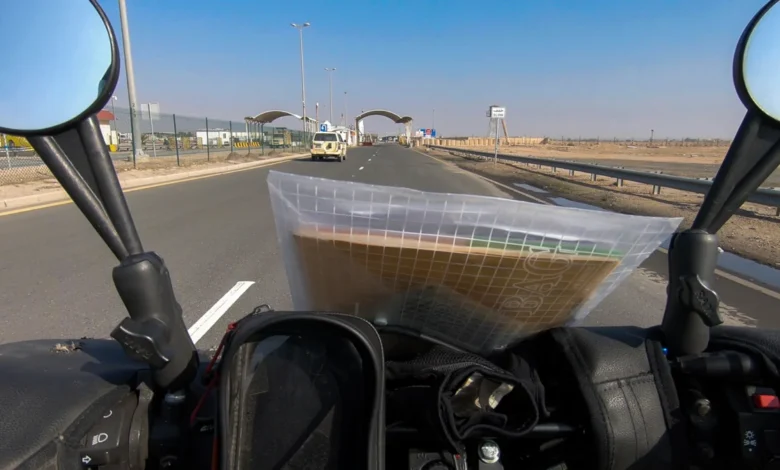
The Kuwait-Iraq border, specifically the Abdali-Safwan crossing, serves as a vital artery for regional transit and an increasingly significant route for international overlanders traversing the Middle East. As diplomatic relations between Kuwait and Iraq continue to stabilize, the transit process has transitioned from a historically arduous ordeal to a relatively standardized procedure for foreign nationals. Understanding the bureaucratic nuances of this crossing is essential for those utilizing private vehicles, including motorcycles, cars, and vans, to move between these two nations.
Historical Context and Security Landscape
For decades, the Iraq-Kuwait border remained a site of geopolitical tension. Following the 1990 invasion of Kuwait and the subsequent conflicts, movement between the two nations was severely restricted and heavily militarized. However, in recent years, the opening of the Safwan border crossing to civilian traffic has signaled a broader effort to foster regional trade and tourism.
When planning an overland route from Saudi Arabia into Iraq, travelers face a fundamental choice: the Jordanian border or the Kuwaiti border. The Jordanian-Iraqi route is frequently subject to fluctuating security protocols, often necessitating military escorts for travelers moving toward Baghdad. In contrast, the Abdali-Safwan corridor, connecting Kuwait to the Basra province, is considered significantly more stable. The security architecture at this crossing is robust, providing a more predictable experience for those entering from the Gulf Cooperation Council (GCC) states.
Mandatory Documentation and Pre-Departure Requirements
Crossing the border requires rigorous preparation. International travelers must possess a valid passport with at least six months of remaining validity. Visa requirements are highly nationality-dependent. While select nationalities are eligible for visa-on-arrival (VOA) services at the Iraqi border, it is highly recommended to verify current status with the Iraqi Ministry of Interior before departure. Conversely, entry into Kuwait typically requires an e-visa, which should be secured several days in advance through the official Ministry of Interior portal.
The most critical document for vehicle owners is the Carnet de Passages en Douane (CPD). As both Iraq and Kuwait are signatories to the CPD convention, this document acts as a customs transit permit, allowing vehicles to cross international borders without the payment of temporary import duties.
For those traveling from Kuwait into Iraq, a specific "green permit" is a non-negotiable requirement. This document certifies that the vehicle and its operator have been cleared to approach the border zone. This permit cannot be obtained at the border itself; it must be secured from the Ports Management office located near the Kuwait International Airport. Applicants must provide their passport and vehicle registration details to receive the clearance, a process that typically takes less than an hour.
Operational Logistics and Timing
The Abdali-Safwan border facility operates on a daily schedule, generally opening at 09:00. While the crossing is functional throughout the week, travelers are advised to avoid Fridays, as administrative capacity is reduced and potential delays are exacerbated.
Upon arrival at the Kuwaiti side, travelers will encounter a series of checkpoints. It is imperative that all receipts issued at these checkpoints are retained, as they function as gate passes to progress through the various stages of the exit process. In January 2023, the exit process involved a nominal fee of 2 Kuwaiti Dinar (KWD) for motorcycles, with similar, albeit variable, structures for four-wheeled vehicles. Vehicle insurance is mandatory; however, unlike many international regions, Kuwait allows for the purchase of short-term insurance policies directly at the border crossing, usually priced at approximately 6 KWD for a one-week duration.
The Iraqi Entry Experience: A Study in Streamlining
The Iraqi side of the border at Safwan has seen modernization efforts aimed at accommodating an increase in regional tourism, such as the influx of visitors during the 2023 Gulf Cup. Despite these improvements, the process can appear chaotic during peak periods.
Upon crossing into Iraqi territory, the immigration process involves a mandatory stop at the visa-on-arrival office. As of early 2023, the fee for an Iraqi VOA was set at 77 USD. It is standard practice for immigration officers to conduct a thorough review of passport stamps, specifically looking for evidence of travel to Israel, which may trigger additional scrutiny or denial of entry. The visa issued at this point is valid for federal Iraq, including the semi-autonomous Kurdistan region.
A point of recurring confusion for overlanders involves temporary import papers for vehicles. While some reports suggest a 100 USD fee for such documents, the reality on the ground is often fluid. Travelers are advised to ensure their CPD is properly stamped upon entry, as this serves as the primary legal evidence of the vehicle’s temporary import status. Should an official decline to stamp the CPD—a rare but documented occurrence—it is critical to advocate for the stamp politely, as it is essential for the vehicle’s eventual exit from Iraq.
Financial and Telecommunications Infrastructure
The border region lacks formal banking facilities or international ATMs. Consequently, travelers must arrive with sufficient cash in both the local currency (Iraqi Dinar) and US Dollars. While Kuwait is increasingly cashless, with digital payment systems like Apple Pay and Google Pay widely accepted, Iraq remains a cash-reliant economy. Money changers are prevalent in the Basra province, particularly along Trading Street, but rates can vary significantly.
Regarding connectivity, there is no reliable infrastructure for purchasing telecommunications services on the Kuwaiti side of the border. Travelers are advised to secure a local SIM card, such as those provided by Zain, upon entering the city of Kuwait or waiting until they reach Safwan. In Iraq, mobile kiosks near the border often sell SIM cards, with unlimited data packages frequently available for approximately 40 USD. Coverage in Southern Iraq is generally robust, though service may degrade in the mountainous regions of Northern Kurdistan.
Broader Implications and Future Trends
The facilitation of the Kuwait-Iraq border crossing represents a broader trend of normalization in the Middle East. By reducing the bureaucratic friction for international travelers and logistics companies, both nations are positioning themselves to benefit from increased transit trade and regional integration.
However, the experience of overlanders underscores the necessity for continued administrative transparency. The reliance on legacy systems, such as the "green permit" in Kuwait or the sporadic requirement for supplementary import papers in Iraq, highlights that while the infrastructure has improved, the "human factor" remains a significant variable. For the foreseeable future, the success of an overland journey through this region remains contingent upon meticulous documentation, a flexible itinerary, and a clear understanding of the evolving regional security protocols.
Travelers are strongly encouraged to consult the latest government travel advisories from their respective home countries before embarking on such a journey, as the geopolitical environment in the Middle East can shift with little warning. Furthermore, maintaining a detailed log of all transactions, including receipts for insurance, entry fees, and visa payments, is recommended to mitigate any potential challenges at subsequent checkpoints or upon exiting the country.
As the regional focus shifts toward economic diversification and tourism development, it is anticipated that the Abdali-Safwan crossing will continue to see upgrades in its digital and physical infrastructure, potentially paving the way for a more seamless transition for global travelers in the years ahead. For now, however, the "overland" experience remains a challenging but manageable endeavor for the well-prepared individual.