The Discovery of the Tilcayo Cat Marks the First New Feline Species Identified in Over a Century

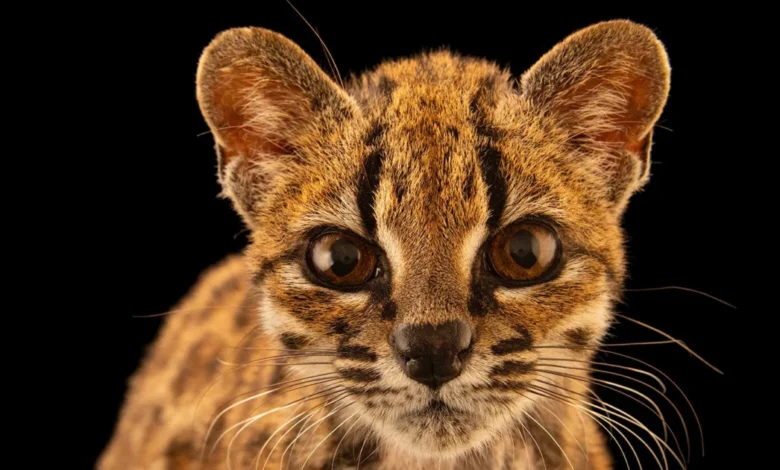
In a landmark achievement for zoology and biodiversity, researchers have officially classified a previously unknown wild feline species, the tilcayo cat (Leopardus tilcayo). This discovery, detailed in a peer-reviewed study published in the journal Current Biology, represents the first time a new living cat species has been formally described and named in more than 100 years. The identification of the tilcayo cat serves as a profound reminder of the vast, undocumented biological diversity still hidden within the world’s ecosystems, particularly in the high-altitude forests of the Andes.
The saga of the tilcayo cat began a decade ago in the rugged terrain of Bolivia. In 2016, a local resident discovered a solitary, diminutive kitten wandering alone along a remote forest road. Initially mistaking the animal for a stray domestic cat, the individual brought the creature to the Senda Verde wildlife sanctuary in Coroico, Bolivia. It was there that the animal’s unique morphological traits—including its distinctively small stature, short, rounded ears, and striking leopard-like spots—caught the attention of Paola Nogales-Ascarrunz, a National Geographic Explorer and the lead scientist of the Bolivian Felids Research Program (Programa de Investigación de Félidos Bolivia).
A Decade of Scientific Inquiry
The path from the initial discovery at Senda Verde to formal scientific recognition was neither swift nor straightforward. Upon her first encounter with the kitten, Nogales-Ascarrunz was immediately struck by its unusual appearance. She captured extensive photographic documentation of the animal, noting that while it possessed features consistent with the genus Leopardus, it did not perfectly align with the known physical characteristics of other small wild cats in the region, such as the oncilla or the tiger cat (Leopardus tigrinus).
For several years, the cat was informally categorized as a variant of the elusive Leopardus tigrinus, which is native to parts of Bolivia and neighboring South American countries. However, during a 2019 project focused on compiling a comprehensive guide to the wild felids of Bolivia, Nogales-Ascarrunz revisited her original 2016 imagery. The visual discrepancies became impossible to ignore. She realized that the morphology of the Senda Verde specimen suggested it was not merely an outlier of a known species, but potentially a distinct evolutionary lineage.
This realization prompted a rigorous multi-year investigation. Nogales-Ascarrunz collaborated with renowned geneticist Eduardo Eizirik and co-author Jonas Lescroart to conduct a systematic analysis of the feline’s genetic material. The genomic data proved conclusive: the tilcayo cat was genetically distinct from its closest relatives, confirming that it was, in fact, an entirely new species to science.
Morphology and Behavioral Mysteries
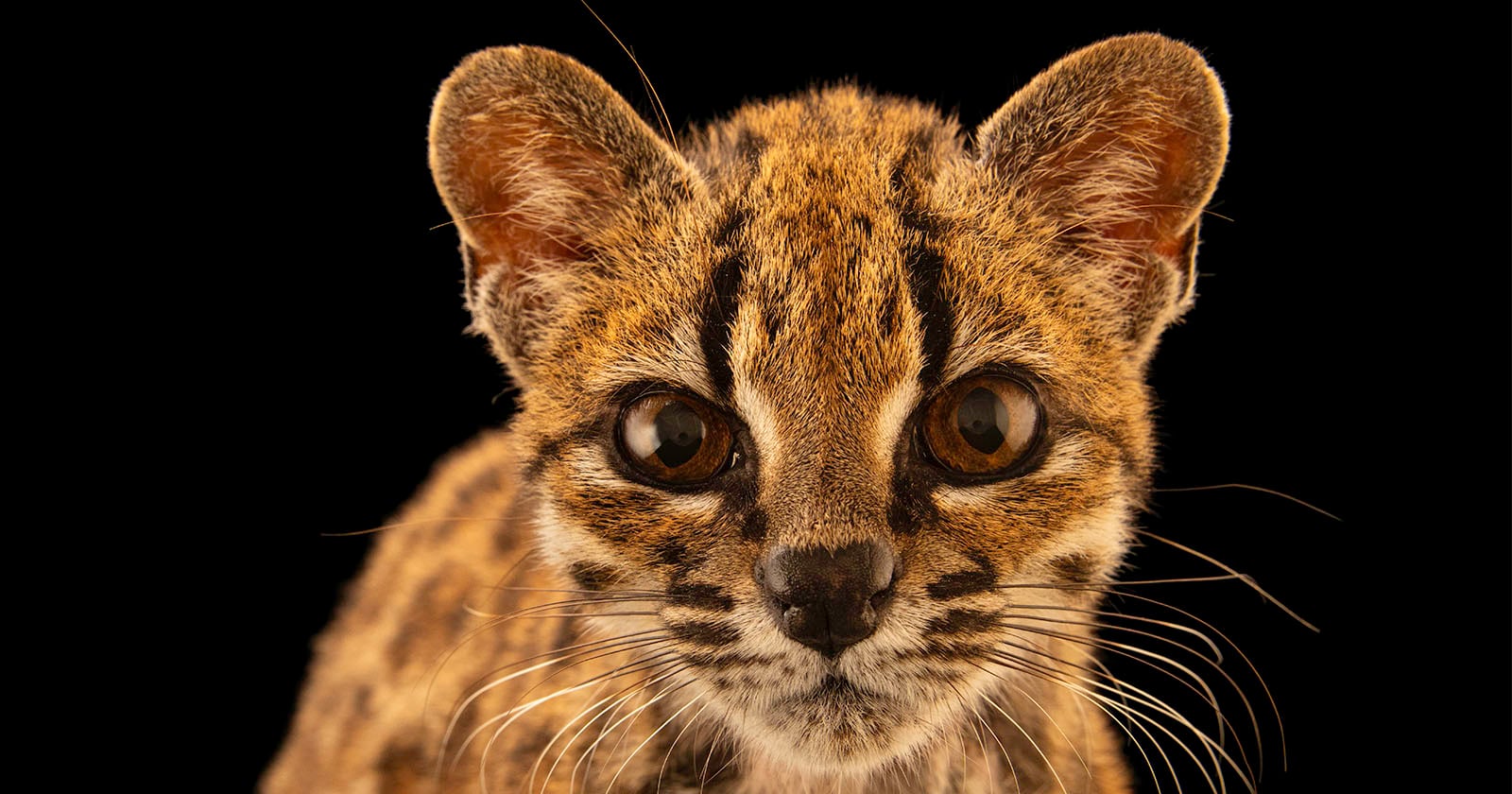
The tilcayo cat is a diminutive creature, weighing only a few pounds—significantly less than the average domestic house cat. Its physical profile is defined by a scrunched facial structure, prominent, long whiskers, and short, rounded ears that appear adapted for its specific environmental niche. Its coat is perhaps its most recognizable feature, adorned with intricate, dark, leopard-like rosettes that provide camouflage in the dappled light of the Andean forest floor.
Despite its formal classification, the tilcayo cat remains a subject of intense scientific mystery. Because the initial discovery was a chance find of an orphaned kitten, researchers currently possess limited data regarding the species’ wild behavior. Key biological questions remain unanswered: What are the primary prey items of the tilcayo cat? Does it occupy a specialized ecological niche in the high Andes? Furthermore, what are its reproductive habits, and what predators, if any, threaten its survival in the wild? These unknowns highlight the precarious nature of wildlife conservation in regions where species exist but have yet to be studied in their natural habitats.
The Role of Genetic Analysis in Modern Taxonomy
The formal description of Leopardus tilcayo underscores the critical evolution of modern taxonomy. In the past, species identification relied heavily on morphological comparisons—the physical measurement of skulls, pelts, and skeletal structure. Today, the integration of high-resolution genetic sequencing has revolutionized the field. By comparing the DNA of the tilcayo cat against the global catalog of known felids, researchers were able to confirm a long-standing evolutionary divergence.
Geneticist Eduardo Eizirik emphasized the broader implications of this find, noting that the existence of a new cat species—a group of animals that has been studied extensively by humans for centuries—suggests that our knowledge of the natural world is far from complete. "Showing the general public that even in a flagship group such as cats, there are still new species to be discovered may transmit an important message," Eizirik stated. "There are many undiscovered species out there in the world, and they are at risk of disappearing before we even discover them."
Conservation Implications and Biodiversity
The discovery of the tilcayo cat comes at a time when global biodiversity is facing unprecedented pressure from habitat loss, climate change, and human encroachment. The Andes, a region known for its high levels of endemism, is particularly vulnerable. The fact that a species could remain undetected for so long in an area accessible to local populations suggests that many other species, particularly smaller mammals and invertebrates, may be facing extinction before they are ever documented.
The Senda Verde wildlife sanctuary has played a pivotal role not only in the survival of the individual cat that initiated this discovery but also in the collaborative effort to protect the habitat of the species. As the scientific community shifts its focus toward field observations to locate wild populations of Leopardus tilcayo, the emphasis remains on habitat preservation. Without protecting the specific Andean forest corridors where these cats reside, the species could face a critical bottleneck before its population dynamics are even understood.
Public Awareness and The Photo Ark
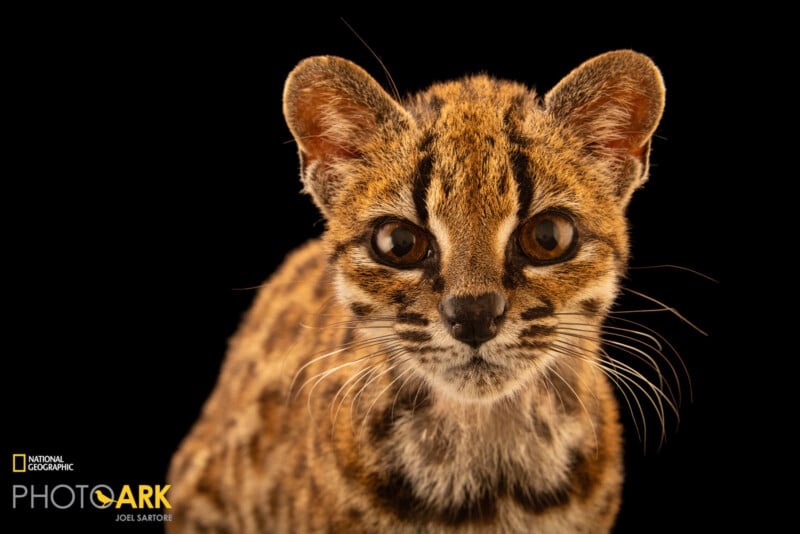
To foster global awareness of this discovery, the tilcayo cat has been inducted into the National Geographic Photo Ark. Renowned photographer Joel Sartore, who has dedicated his career to documenting thousands of animal species in captivity, visited Senda Verde to photograph the original specimen. These high-definition portraits have provided the public with an intimate look at the animal’s unique features, serving as a powerful tool for conservation advocacy.
The inclusion of the tilcayo cat in the Photo Ark serves as a symbolic bridge between the laboratory findings of the research team and the public interest required to support conservation funding. As the scientific paper in Current Biology circulates, the international conservation community is expected to prioritize further studies into the range, population density, and health status of this newly described species.
A Landmark for Future Research
The identification of the tilcayo cat is not merely an isolated taxonomic update; it is a catalyst for future research in South American mammalogy. The methodology employed by Nogales-Ascarrunz and her team serves as a blueprint for identifying cryptic species—animals that are physically similar to known species but genetically distinct. As genomic technology becomes more accessible and portable, the potential for discovering "hidden" biodiversity in remote, under-studied regions of the planet is higher than it has ever been.
While the tilcayo cat’s future remains to be seen, its discovery provides a beacon of hope and a call to action. It proves that the natural world still holds profound secrets and that the work of dedicated field biologists, combined with advancements in molecular genetics, can reshape our understanding of the animal kingdom. The next phase for the scientific team will involve non-invasive monitoring, such as the use of camera traps and environmental DNA (eDNA) sampling, to estimate the size of the tilcayo cat population and define its geographic range with greater precision. For now, the tilcayo cat stands as a testament to the importance of vigilance, curiosity, and the enduring wonder of the natural world.