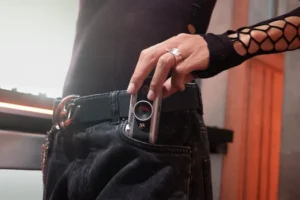
Yellowstone National Park records a staggering volume of trash as park officials recover thousands of items from delicate hydrothermal basins.

The pristine, volatile landscape of Yellowstone National Park—spanning 2.2 million acres of geothermal activity—is currently grappling with an unprecedented human impact. Recent findings from the Yellowstone Volcano Observatory (YVO) reveal that park staff have removed a record-breaking 20,100 pieces of debris from the park’s hydrothermal areas in the 2026 season alone. This accumulation of foreign material poses a severe threat to the fragile ecosystems of iconic sites such as Old Faithful, the Midway Geyser Basin, and the Morning Glory Pool, which are increasingly cluttered with everything from common plastic waste to unexpected personal belongings.
A Chronology of Environmental Intrusion
The management of trash in Yellowstone is not a new challenge, but the sheer volume recovered in 2026 represents a significant escalation in the struggle between tourism and conservation. According to the YVO’s latest Caldera Chronicles report, the buildup of refuse has reached a critical threshold.
Historically, the park has managed smaller amounts of litter, but the trend has accelerated alongside rising visitor numbers, which now reach approximately 4.5 million annually. The process of extraction is a specialized operation; park staff must navigate dangerous, boiling, and highly acidic environments to retrieve objects that, if left unattended, could irrevocably alter the chemistry and structural integrity of the geothermal features. The chronology of these findings highlights a steady increase in both the frequency and the bizarre nature of the items discarded or dropped in these restricted areas.
The Composition of the Debris
The "lost and found" inventory published by the YVO paints a vivid, albeit concerning, picture of modern human behavior in the wilderness. The diversity of the collection is striking:
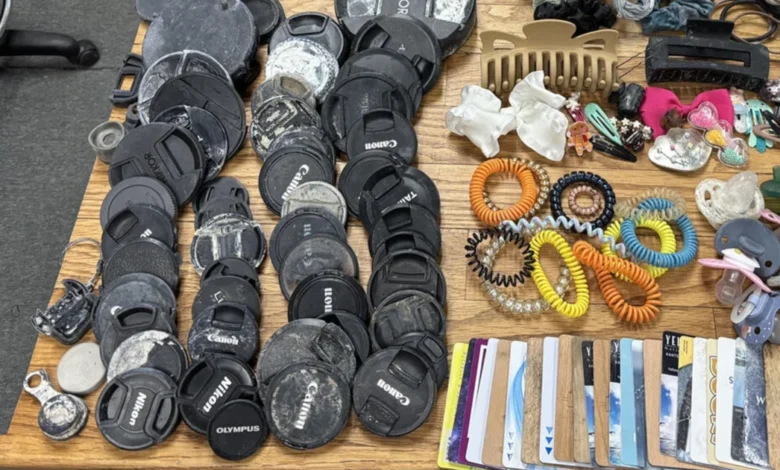
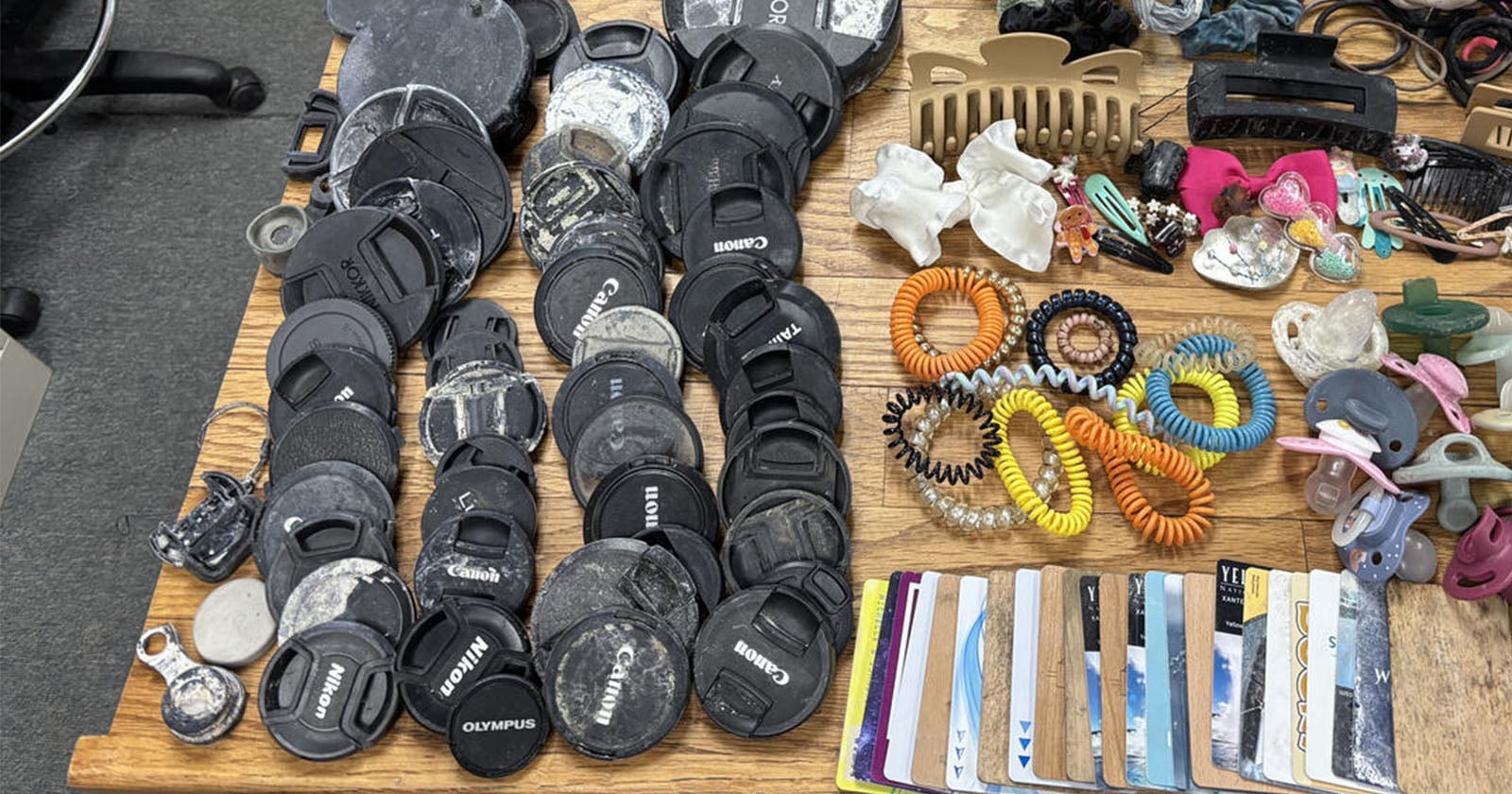
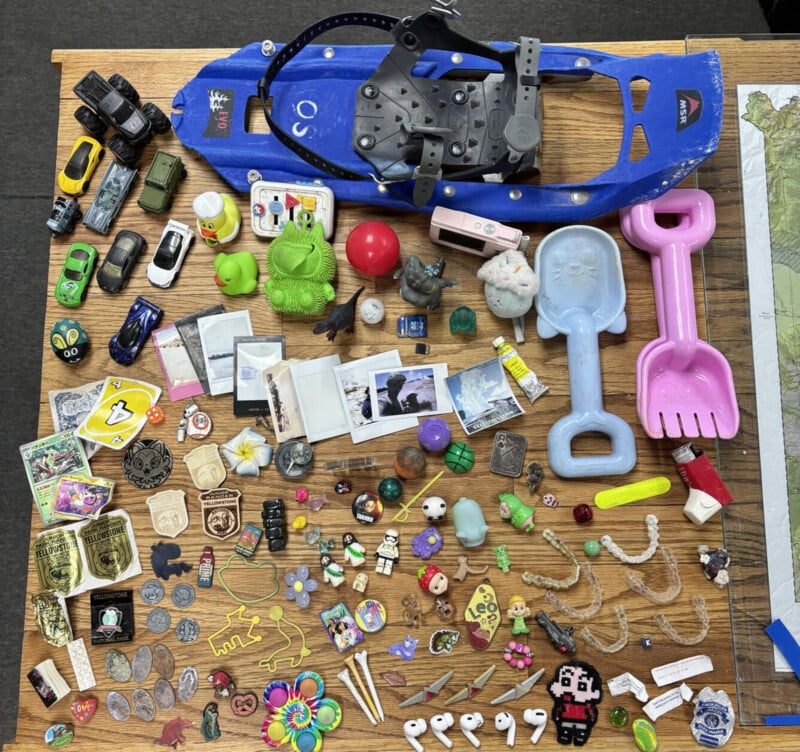
- Photography Equipment: Among the most frequent plastic offenders are camera lens caps, with 54 units recovered this season alone. The haul includes a variety of brands, such as Nikon and Canon, along with camera body caps, binocular covers, and lens hoods.
- Apparel and Personal Items: Over 280 hats have been recovered this year, including specialized headwear like World Cup commemorative caps and trendy bucket hats. These items, often caught by the wind, represent a significant portion of the debris.
- Currency and Trinkets: The recovery of $18 in coins highlights the persistent, albeit misguided, practice of tossing change into thermal springs as if they were wishing wells.
- Anomalies: The collection also includes more eccentric items, such as toy cars, plastic dental aligners, figurines, and instant photographs, all of which have been cataloged by the cleanup teams.
The Ecological Stakes: Why Every Item Matters
The removal of this debris is not merely a matter of aesthetics; it is a critical ecological necessity. The YVO underscores that foreign material—regardless of its composition—acts as a pollutant. When plastic, metal, or fabric enters a hydrothermal feature, it can obstruct the water supply, block runoff channels, or leach harmful chemicals into the sensitive subsurface plumbing of the park.
The cautionary tale of the Morning Glory Pool serves as a primary reference for the permanent damage that human interference can cause. Once known for its brilliant, clear blue waters, the pool’s appearance was drastically altered throughout the 20th century due to the accumulation of trash and debris tossed by visitors. The blockage of vents and the change in water flow caused the pool’s temperature to drop, which in turn allowed for the colonization of different types of bacteria, shifting its color from a deep, vibrant blue to a muddy, muted orange and yellow. This legacy remains a stark warning of how quickly a natural wonder can be degraded.
Official Responses and Mitigation Strategies
In response to the record-breaking volume of waste, the National Park Service (NPS) and the Yellowstone Volcano Observatory have issued renewed guidance for visitors. The primary message is one of responsibility: "Stash your trash." Park officials emphasize that items like tissues, snack wrappers, and hats are easily windblown, and visitors should secure these items in deep pockets or sealed bags.
The official stance from the YVO is firm regarding the safety of visitors and the protection of the park: "If you drop a lens cap in a geothermal area, do not try to pick it up." The dangers inherent in the park’s hydrothermal basins—including scalding temperatures and unstable ground—are extreme. Attempting to retrieve a dropped item puts the visitor at significant risk of severe injury, and unauthorized entry into off-trail areas is a violation of park regulations.
Regarding the fate of the recovered items, the park has implemented a system to manage the influx. While trash is disposed of, items that can be repurposed, such as the hundreds of hats collected, are washed and donated to local organizations, turning a negative incident into a minor benefit for the surrounding community.
Broader Implications for Park Management
The record 20,100 pieces of litter represent a mounting operational cost for the park. Diverting resources to clean sensitive basins detracts from other essential duties, including research, infrastructure maintenance, and public safety. As visitation rates continue to climb, the park faces a difficult challenge in maintaining the integrity of its features.
Fact-based analysis suggests that this issue is as much about visitor education as it is about enforcement. The presence of such a high number of photographic accessories, for instance, suggests that the primary demographic of visitors—those seeking to document their trip—may be the ones inadvertently causing the most localized damage. The trend of losing instant photos and lens caps suggests that the excitement of capturing a shot in a high-wind or high-traffic area often leads to momentary lapses in care.
The Future of Conservation in Yellowstone
As the 2026 season progresses, the YVO continues to monitor the situation closely. The data collected provides a baseline for understanding the patterns of human behavior in national parks. There is a growing consensus among environmental analysts that, without a significant shift in public awareness and behavior, the accumulation of waste in Yellowstone will continue to outpace the park’s ability to mitigate it.
For the millions of visitors who flock to Yellowstone each year to witness the raw power of the earth, the takeaway from the YVO report is clear: the privilege of visiting such a place comes with the strict requirement of leaving it exactly as it was found. The boardwalks and designated trails exist not just for visitor safety, but to protect the complex, delicate machinery of the Earth that lies beneath. Every item that stays in a visitor’s pocket is one less obstacle for a geyser, and one more step toward preserving the park for future generations.
The Yellowstone Volcano Observatory concludes its report with a plea for vigilance: "Stay on the path, secure your belongings, and ensure that your visit leaves only footprints, not plastic." As the team prepares for the final months of the season, the hope remains that the record set in 2026 will not be broken again, serving instead as a turning point in how visitors interact with one of the world’s most unique natural landscapes.