The Gold Coast Experience A Comprehensive Guide to Australia’s Premier Coastal Destination

The Gold Coast, located in the southeast corner of Queensland, Australia, has long served as a primary anchor for the nation’s domestic and international tourism industry. Stretching across 57 kilometers of coastline, the region is characterized by its high-density urban development, extensive surf culture, and its proximity to diverse ecological zones, including UNESCO World Heritage-listed rainforests. Following a recent surge in travel demand, the region has seen a revitalization of its hospitality and infrastructure sectors, solidifying its status as a critical hub for the Australian experience economy.

Regulatory Requirements and Entry Protocols
International arrivals to Australia are subject to strict border control measures. Current data from the Department of Home Affairs indicates that all non-citizens, with the exception of New Zealand passport holders, are required to obtain a valid visa or Electronic Travel Authority (ETA) prior to boarding flights. This regulatory framework is designed to ensure national security and compliance with migration policies.

Failure to secure the appropriate documentation remains a leading cause of travel disruption. Travelers frequently mistake visa-on-arrival policies, common in other regions, for Australian protocols. It is standard practice for authorities to advise that visa applications be completed at least two weeks before the intended departure date. The integration of digital verification systems has improved processing times; however, administrative errors—such as incorrect passport numbers or mismatched data—can trigger manual reviews, potentially leading to significant delays. The shift toward digital-only travel authorities has streamlined the process, yet it necessitates that travelers ensure their digital credentials are correctly linked to their current passport.

Geographic and Economic Overview
The Gold Coast is anchored by the Gold Coast Airport (OOL), which serves as the primary gateway for the region, facilitating connectivity to major domestic hubs like Brisbane, Sydney, and Melbourne, as well as international routes. Geographically, the area is divided into several distinct zones, each contributing to the region’s economic diversity.

- Coastal Urban Centers: Areas such as Surfers Paradise and Broadbeach represent the high-density tourism core. These regions contribute substantially to the local GDP through hospitality, retail, and night-time economy sectors.
- The Southern Precincts: Locations like Coolangatta and Snapper Rocks are central to the region’s professional surfing identity. These areas host world-class surfing events, which generate significant media exposure and tourist expenditure.
- The Hinterland: The Gold Coast Hinterland, including Tamborine Mountain and the Currumbin Valley, provides an alternative economic stream based on eco-tourism and agricultural niche markets, such as viticulture and boutique hospitality.
Infrastructure and Urban Development
The development of the Gold Coast has been defined by a transition from a seasonal holiday town to a year-round urban center. Key to this shift has been the extension of the G:link light rail system, which connects major tourist hubs and residential areas. This infrastructure project has reduced traffic congestion in high-density zones like Surfers Paradise and facilitated better access to essential services in Broadbeach and Southport.

Urban planners have increasingly focused on the "15-minute city" model in coastal suburbs, ensuring that retail, residential, and recreational spaces are within walking distance. Broadbeach, in particular, has emerged as a model for this type of balanced development, providing a higher level of walkability compared to the more intense, high-rise environment of northern Surfers Paradise.

Ecological and Cultural Significance
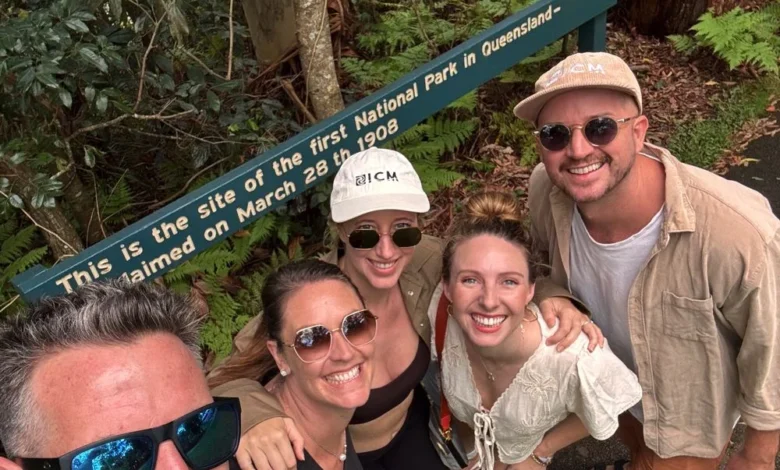
The Gold Coast’s hinterland is home to the Gondwana Rainforests, which offer a critical counter-narrative to the region’s beach-centric brand. Tamborine National Park, established in 1908 as Queensland’s first national park, remains a cornerstone of the region’s conservation efforts. The park preserves remnants of ancient volcanic activity and diverse flora, serving as both a biological sanctuary and a site for regulated tourism.

The intersection of these natural assets with commercial activity is best exemplified by the region’s viticulture industry. Wineries in the Tamborine area operate as both agricultural producers and tourist venues, highlighting the diversification of the local economy beyond the shoreline.

Tourism Trends and Behavioral Patterns
Recent travel data indicates a trend toward "slow tourism," where visitors prioritize longer stays in localized regions rather than rapid, multi-destination itineraries. This shift has implications for the hospitality industry, as demand for apartment-style, long-term rentals has increased.

Furthermore, the "wellness economy" has become a significant driver of the local service sector. The proliferation of bathhouses, cold-plunge facilities, and yoga retreats in the Tallebudgera and Currumbin valleys reflects a consumer base that is increasingly interested in health-integrated travel. This segment of the market provides a buffer against the seasonality often associated with surf tourism.

Strategic Planning for Regional Visitors
For those planning an extended visit to the Gold Coast, logistical preparation is paramount. The region’s geography requires a bifurcated approach to transport:

- Public Transit: Effective for navigating the coastal strip between Southport and Coolangatta. The tram system is the primary mode of transit for this corridor.
- Private Transport: Necessary for accessing the hinterland, including the Currumbin Valley and Tamborine Mountain. Without a personal vehicle or private hire, access to these areas is limited to organized tours, which may lack the flexibility required for individual exploration.
Socio-Economic Implications of Surf Culture
The surf industry is not merely a recreational aspect of the Gold Coast; it is an economic driver. Iconic spots like Snapper Rocks function as global benchmarks for surf competition and equipment testing. The presence of professional athletes, such as Mick Fanning, elevates the region’s profile, attracting international media attention and sponsorship revenue.

However, this popularity places pressure on coastal infrastructure. Municipal councils face the ongoing challenge of balancing the needs of the resident population with the influx of tourists. Coastal management programs, including beach nourishment and dune restoration, are essential to maintaining the structural integrity of the beaches that drive the regional economy.

Future Outlook and Sustainability
The future of the Gold Coast as a primary tourist destination depends on its ability to integrate sustainable practices into its urban and natural landscapes. As the population of South East Queensland continues to grow, there is increased pressure to manage the environmental impact of tourism on the coastal ecosystem.

Local government initiatives are currently focused on:

- Carbon Neutrality Goals: Transitioning public transport and civic infrastructure to renewable energy sources.
- Biodiversity Protection: Increasing the protection of hinterland corridors to prevent encroachment from suburban development.
- Water Management: Improving the water quality of local creeks and estuaries, such as Tallebudgera Creek, which are vital for both ecological health and recreational use.
In conclusion, the Gold Coast represents a complex, multi-layered destination. While it remains famous for its expansive sandy beaches and urban skyline, the region’s true depth lies in its integration of diverse ecological zones and a evolving service sector. Whether through its world-class surf breaks or its protected rainforests, the Gold Coast continues to function as a significant case study in how a major tourist destination can adapt to modern traveler expectations while maintaining its natural and cultural heritage. For the prospective traveler, the region offers a duality that is increasingly rare: the ability to engage with both high-intensity urban life and high-value, tranquil natural environments within a single, geographically contained region.